
an apparel distribution warehouse operator
An Apparel Distribution Warehouse Adds AMRs: Vendor Reports 50% Lower Labor Cost
A vendor-reported case study of an apparel distribution warehouse that added AMRs for peak-season demand, plus what a lease-based rollout looks like.
Deployment at a glance
- 50%
- Reduction in labor costs, as reported by the vendor
- 66,000
- Daily dispatch capacity in items, vendor reported
- 2
- Robot types combined: case-handling and companion AMRs
Based on a documented real-world deployment. Figures are from public reporting; the organization is not named.
Growth Put the Floor Under Strain
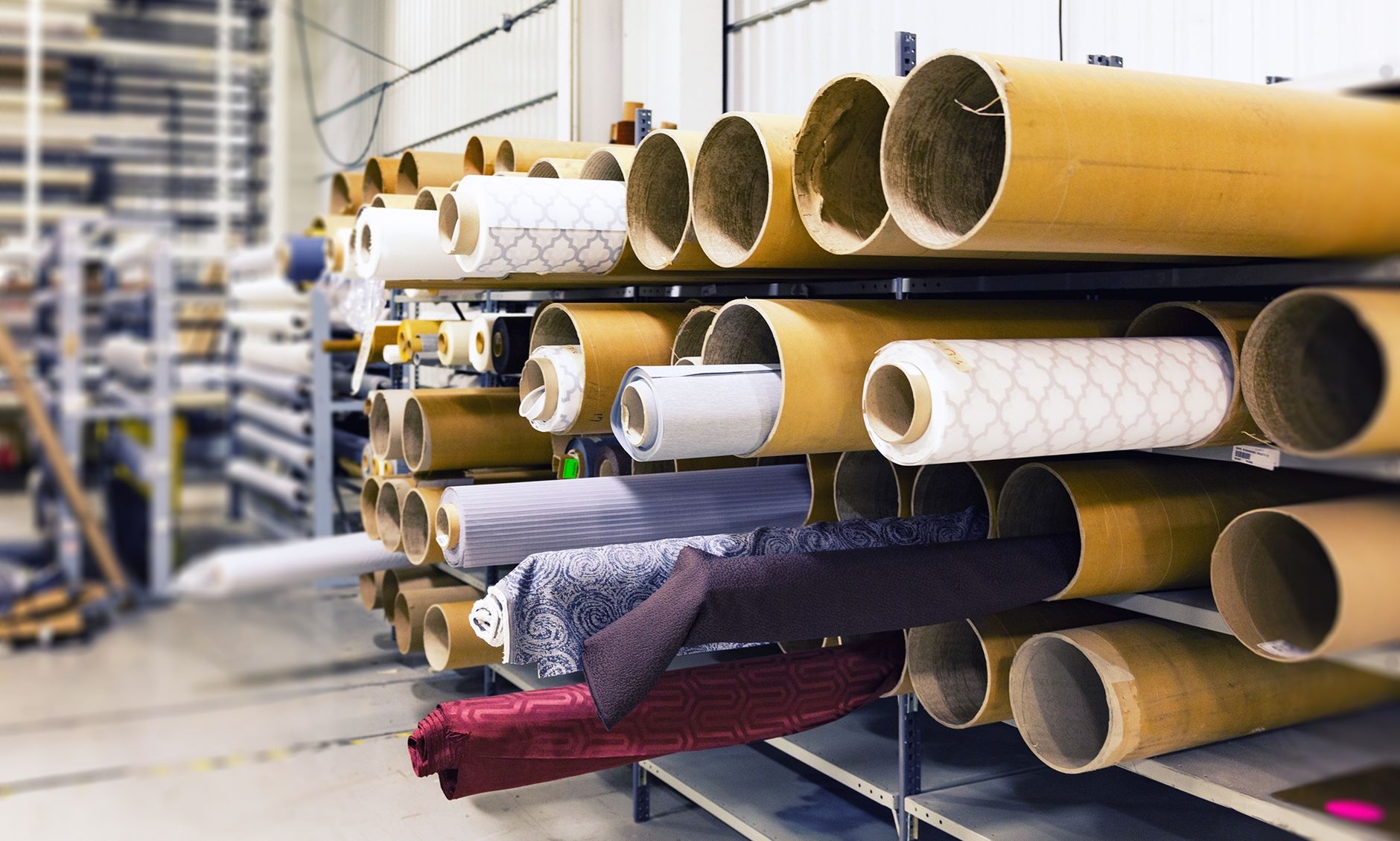
An apparel distribution warehouse operator was growing, and its logistics were feeling it. Order volume was climbing, and the logistics behind it were under strain.
Peak season made the pressure sharper. Apparel demand swings steeply, and a distribution floor has to clear orders on the busiest days without losing pace or accuracy when volume falls back.
Two Robot Types Working One Floor
The deployment paired two kinds of mobile robot. Autonomous case-handling robots took on case movement, while fast-transit companion AMRs carried material between points on the floor.
A mixed fleet like this is built to take repetitive moves away from people, which is where labor in a distribution warehouse tends to pile up.
- Autonomous case-handling robots for case movement
- Fast-transit companion AMRs for quick material moves
- One system deployment covering both robot types
What the Vendor Reports
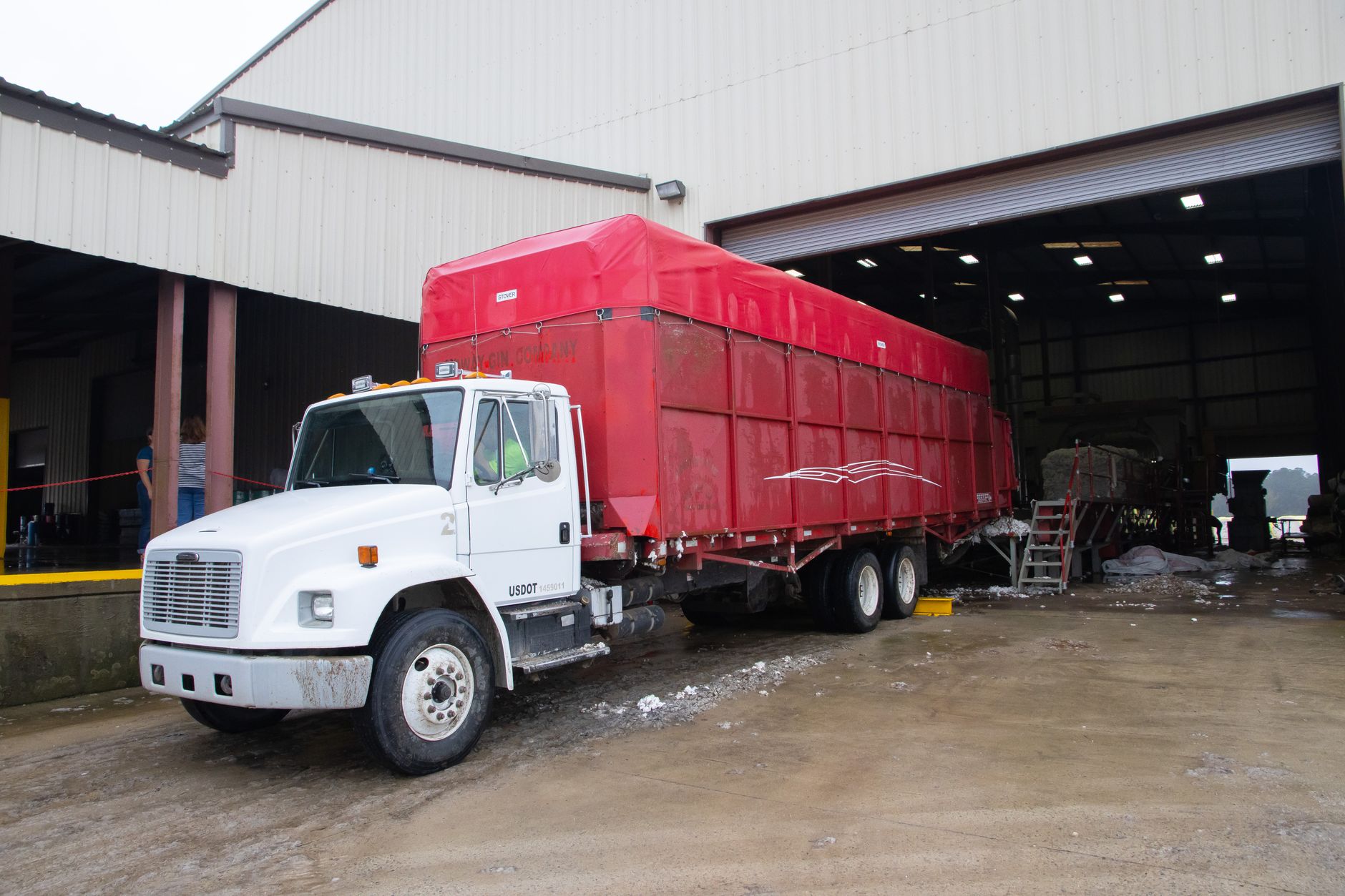
The vendor reports a 50% reduction in labor costs for the operator after the deployment. The figure is presented here as the vendor's reported result.
On capacity, the vendor cites dispatch capacity of 66,000 items a day, which it says helped the operator handle peak-season demand. That is a stated capacity, not a measured daily throughput, and it describes what the system was built to move.
What This Means for a Warehouse Planning a Robot Lease
Service Robot Co. is an OEM-neutral commercial robot integrator for US businesses. We select robots across manufacturers, then lease, deploy, integrate, train and service every unit through a nationwide US engineer network, so one partner covers the full lifecycle.
For a distribution operation weighing AMRs, the first question is rarely which single robot is best. It is which mix fits the floor, the peak pattern and the work people do today. A site assessment maps that before any robot is chosen, and the robot lease is quoted as one fixed payment on a 3-year lease.
Robots earn their keep only when they keep running through peak season. Our on-site dispatch and remote triage are built for that stretch, and spare unit coverage is worth raising during the site assessment.
Frequently asked questions
Want a robot working for you?
Tell us the job and the site. We will recommend the robot, quote the lease, and keep it serviced.