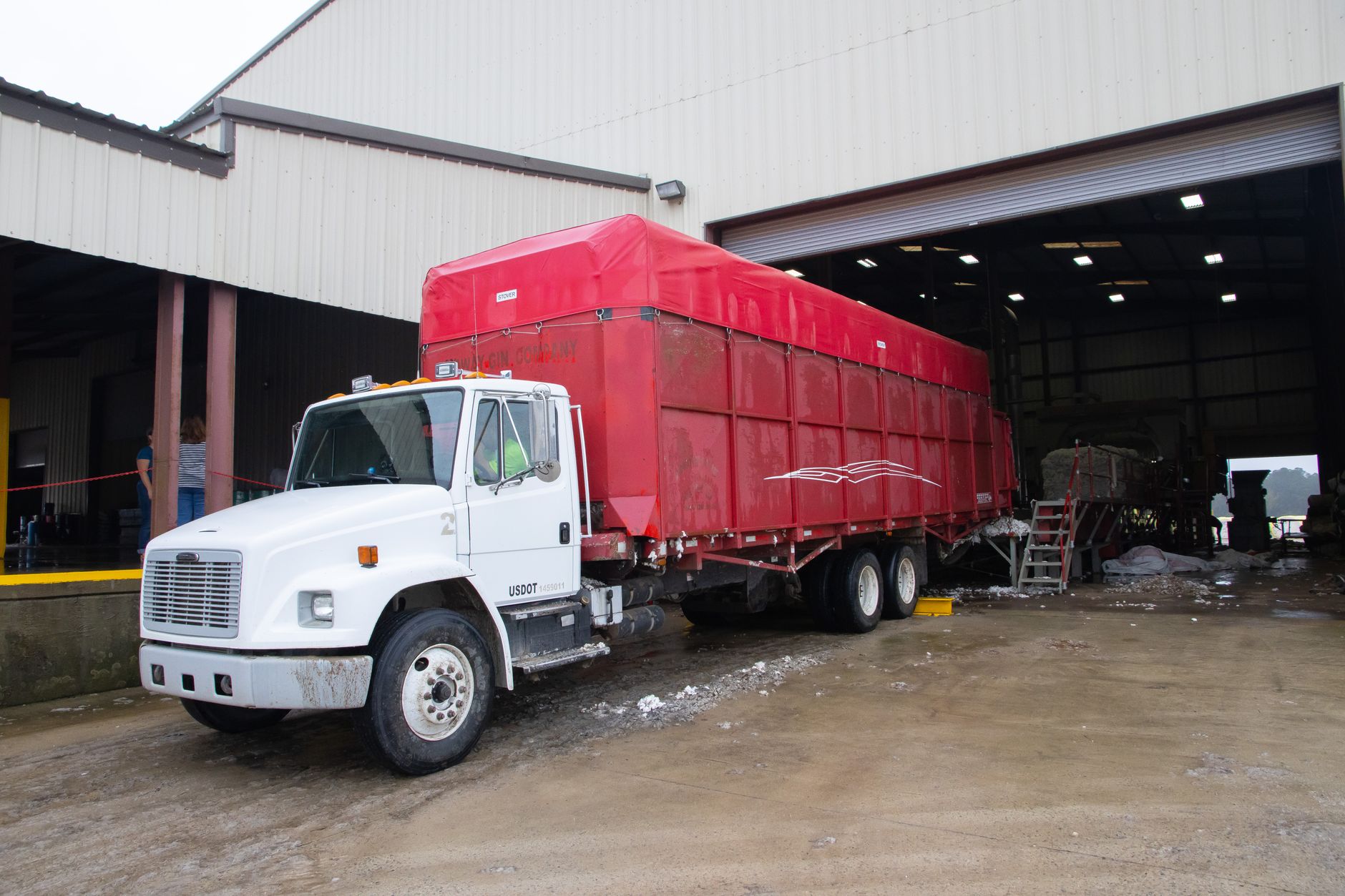
a high-growth e-commerce fulfillment operation processing more than 7.5 million units in year one
How an E-Commerce Fulfillment Center Fulfilled 15% More Orders in 67% Fewer Picking Hours
Documented e-commerce fulfillment case: collaborative mobile picking robots raised pick rates 252%, cut picking headcount 72%, and still shipped 15% more volume in year one.
- 67%
- fewer picking hours
- 15%
- more orders shipped
- 252%
- pick rate lift
- 15 mo
- payback cited
Based on a documented real-world deployment. Figures are from public reporting; the organization is not named.
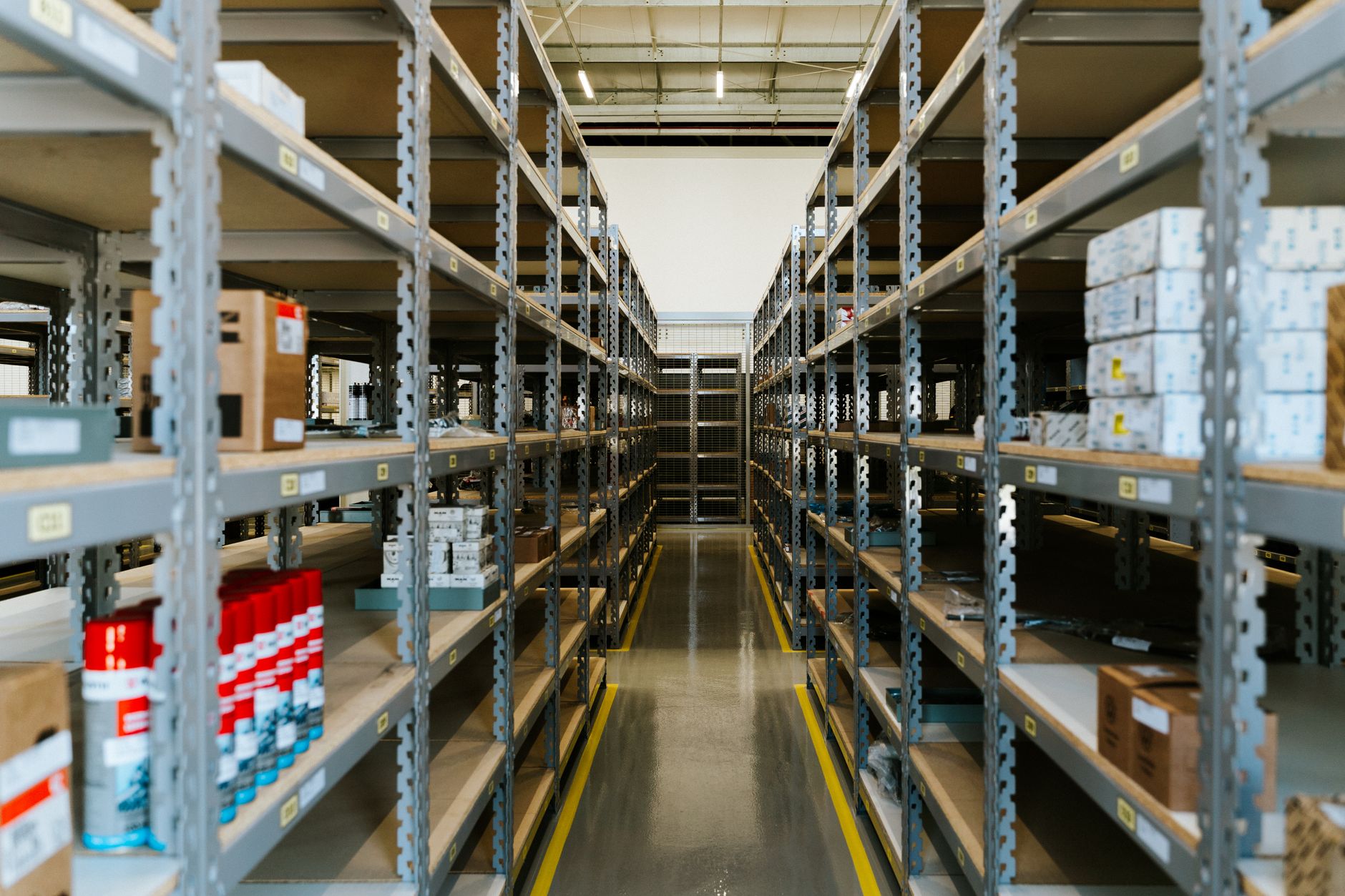
Cart picking could not keep pace with growth
The operation fulfilled more than 7.5 million units and five million order lines in its first year on record, with planners modeling roughly fifteen percent annual volume growth. Cart and radio-frequency picking had become the bottleneck: associates walked long aisles, queues formed at packout, and every peak season meant hiring and training waves that rarely kept up.
Leadership needed throughput to rise without multiplying picker headcount on every shift. They also wanted predictable labor hours so supervisors were not constantly covering gaps on the floor.
- Double-digit growth assumptions on unit and line volume
- Manual cart picking tied labor cost directly to every order spike
- Supervisor time consumed by floor coverage and onboarding churn
Collaborative mobile robots on existing aisles
Rather than rebuild the building, the team replaced cart picking with collaborative mobile robots that meet associates at pick faces. The robots carried totes, guided workers through optimized paths, and kept scan-verify steps on the handheld workflow the site already used.
Rollout stayed on a single-shift picking model first. Training focused on how to start a robot route, clear exceptions, and hand off full totes to packout without breaking the warehouse management system integration.
- Mapped pick zones without structural changes
- Integrated robot tasks with existing scan workflows
- Phased go-live on the highest-volume pick paths first
- Used vendor dashboards to watch units per hour and route completion

More volume with far fewer picking hours
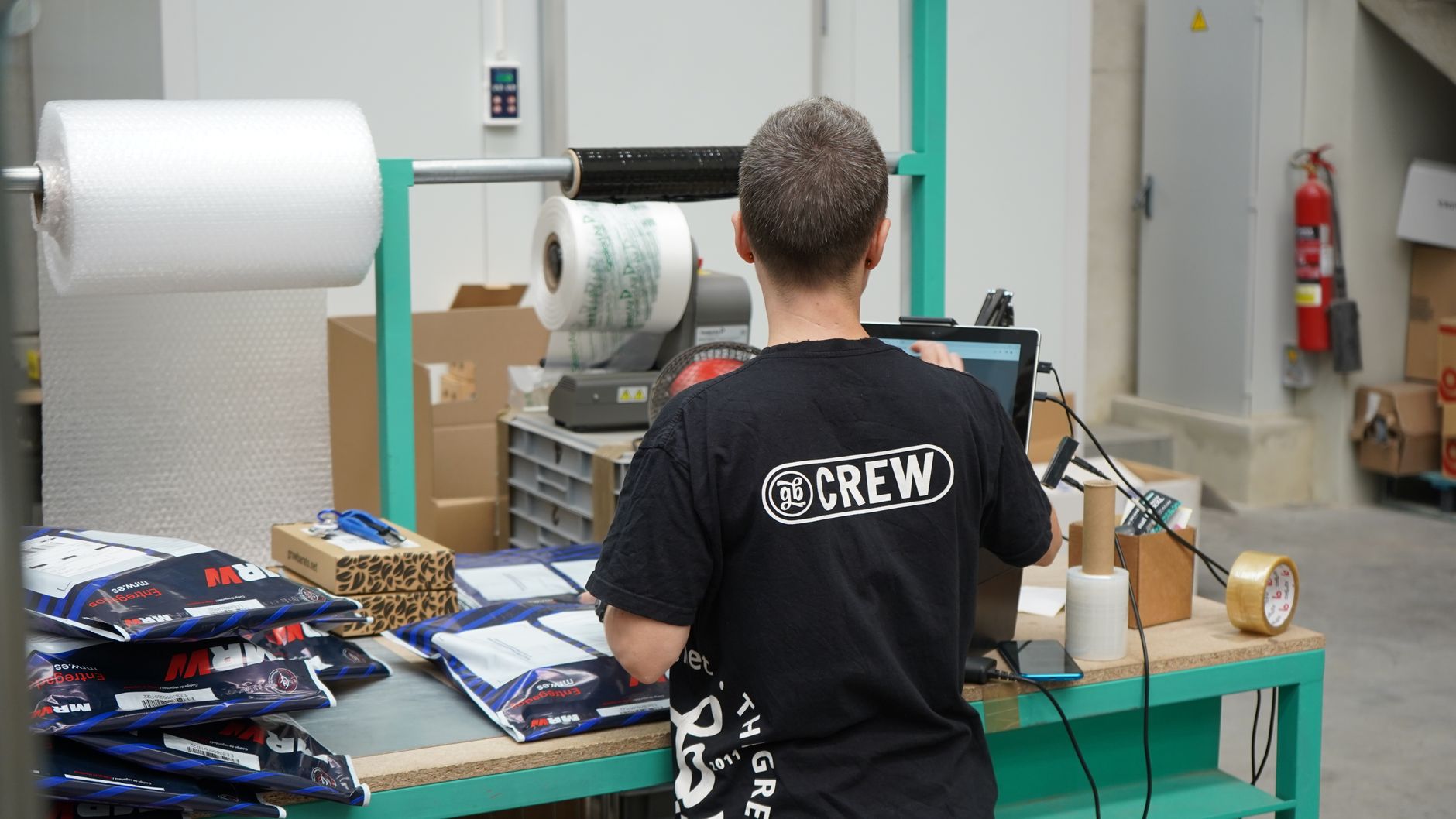
In year one after deployment, the site fulfilled fifteen percent more orders while using sixty-seven percent fewer picking hours than the prior manual-cart baseline. Average pick rates rose two hundred fifty-two percent, which is how a smaller crew could absorb the growth curve.
The documented staffing model dropped to about twenty single-shift pickers, seventy-two percent fewer than the manual-cart requirement for the same work. Supervisors reported less firefighting on the floor because routes finished on schedule more often.
The published business case cites payback in fifteen months on the robot program, with productivity gains treated as recurring labor capacity rather than a one-time project.
What operators can take from this pattern
High-growth e-commerce and retail fulfillment sites rarely get a greenfield building. The lesson here is that collaborative mobile picking can unlock capacity in brownfield aisles when cart travel is eating the shift.
Service Robot Co. helps US businesses compare picking AMR options across manufacturers, then finance, deploy, integrate, train, and service units through a nationwide engineer network. Lease, rental, and purchase paths exist so labor savings can fund the rollout instead of blocking it on capital timing.
A free site assessment maps pick paths, shift overlap, and integration points before you commit to fleet size. RoboCare keeps software, batteries, and repairs on one vendor contract after go-live.