
a management-company-operated par-63 executive golf course in California's East Bay
How an East Bay Executive Golf Course Runs a Four-Unit Autonomous Mower Fleet Through Wet Winter Weeks
A par-63 East Bay executive course added four lightweight autonomous mowers for wet winter turf and reported eight or more daily mowing hours with battery swapping.
- 4 units
- Autonomous fleet
- 8+ hrs
- Daily mowing
- 74 lb
- Light footprint
- Late 2024
- Fleet go-live
Based on a documented real-world deployment. Figures are from public reporting; the organization is not named.
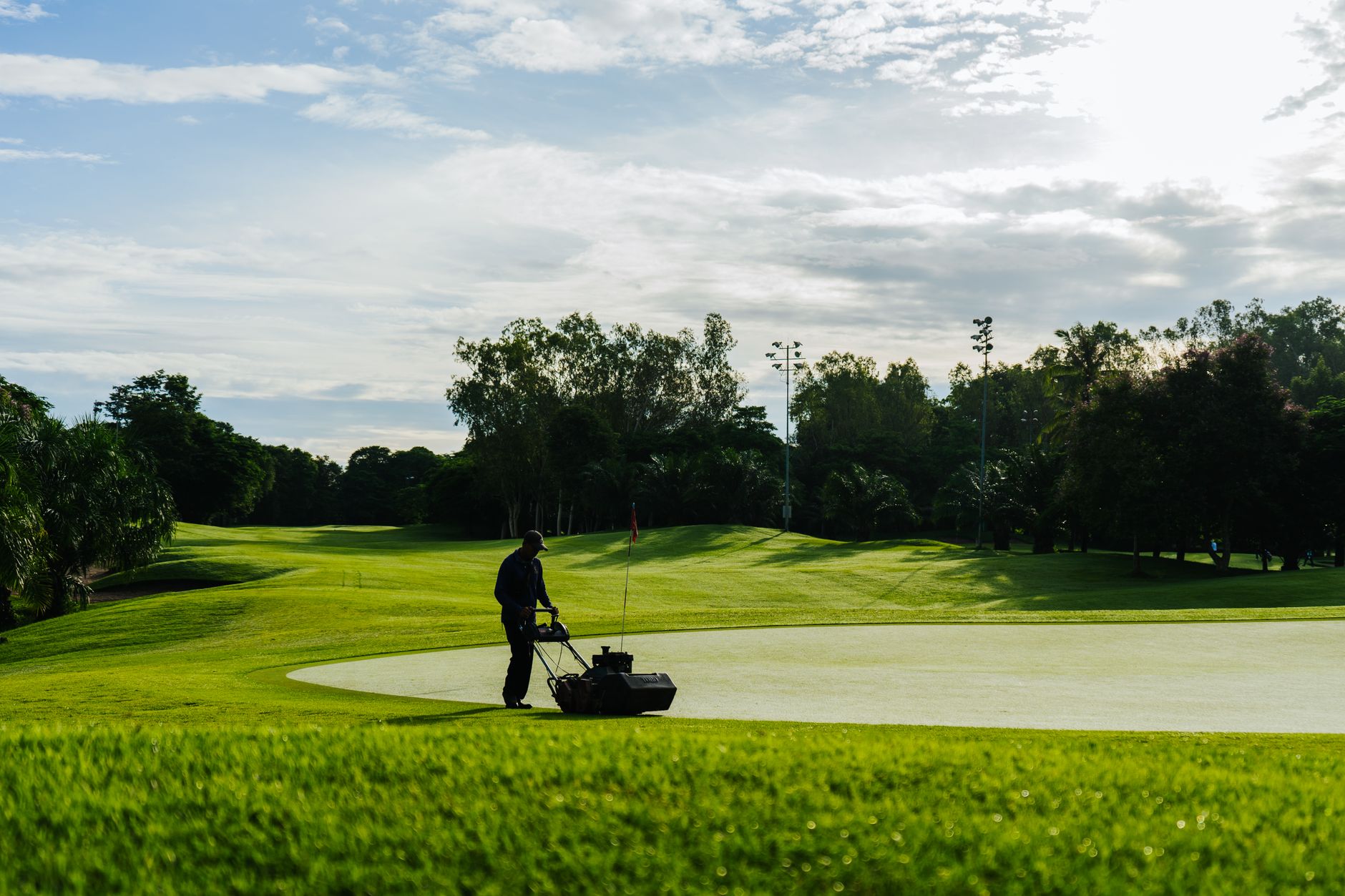
Winter rain blocked heavy mowing gear
This executive-length layout sits in a rainy winter climate where conventional rotary equipment often cannot roll without rutting sensitive turf. The superintendent needed cut quality on approaches and surrounds when soils stayed soft, not just on dry summer weeks.
Labor was already stretched across bunkers, detail work, and member presentation. Losing full days to standing water meant fairways and rough could slip behind even when staff showed up ready to work.
- Wet turf limited heavy mower access for days at a time
- Sensitive areas needed cuts without compaction or ruts
- Crew time had to stay on detail work members notice

Lightweight autonomous fleet on soft ground

The operation acquired four lightweight autonomous mowers in late 2024, partnering with the manufacturer on mapping and fleet controls. Published reporting highlights a 74-pound footprint that could run in wetter pockets where larger units stayed parked.
Fleet mode let multiple units cover larger turf panels together, while on-the-fly battery swapping stretched daily runtime. The superintendent also began fairway and rough trials on selected holes with a larger autonomous unit and experimented with solar charging for field power.
- Map geofenced routes for sensitive and wet turf panels
- Deploy four lightweight units in coordinated fleet mode
- Swap batteries to keep mowing eight or more hours per day
- Pilot larger units on fairways and rough on selected holes
- Test outdoor charging concepts without blocking play
More mowing windows when rains linger
Trade press quotes describe the robots as essential in winter, especially when rain kept conventional equipment off the course. Light units continued cutting where heavy gear would have tracked mud or torn turf.
Battery swapping and fleet scheduling let the shop stack runtime on long days instead of waiting on a single machine to recharge. Fairway trials on additional holes showed where a larger autonomous platform might extend coverage once routes are proven.
What this means for your course
This East Bay example shows how a small autonomous fleet can buy mowing windows on soft ground without pretending bunkers and greens care runs itself. Service Robot Co. maps turf panels, matches OEM-neutral mowers to your slopes and noise limits, sets financing, trains your lead, and supports the fleet through RoboCare while your team keeps agronomy calls.
Courses buy outright or lease through financing after a free site walk. The integrator stays vendor-neutral so the mower fits your wet-season calendar rather than a single brand demo.