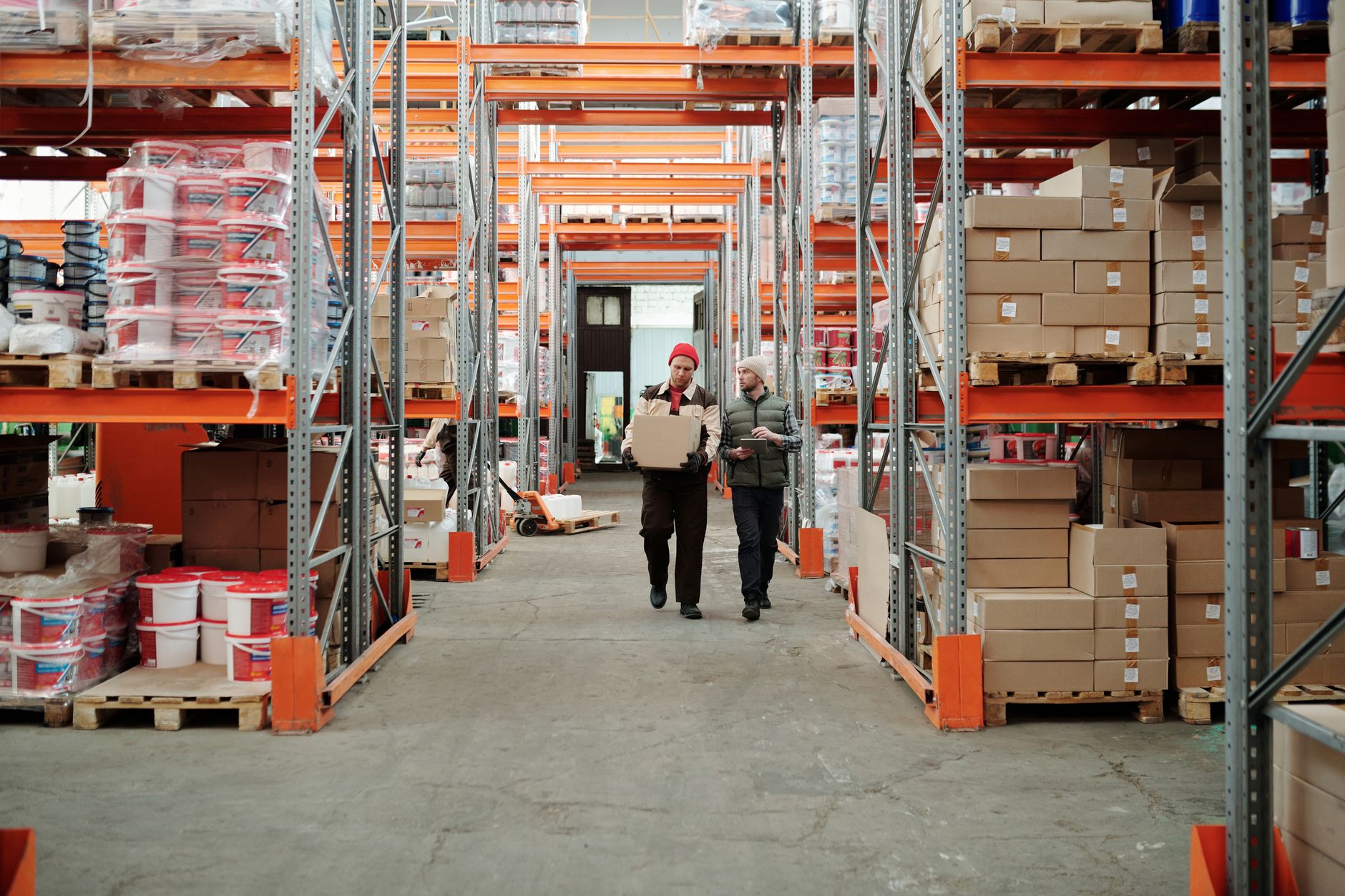
an electrical components distributor operating a high-SKU fulfillment warehouse
How an Electrical Components Distributor Raised Warehouse Productivity 2.5x With AMRs
Electrical distribution case study: collaborative AMRs raised warehouse productivity 2.5x, doubled throughput, and reclaimed about 15% of floor space without a rebuild.
- 2.5x
- Productivity lift
- 2x
- Throughput cited
- 15%
- Space reclaimed
- AMRs
- Cart transport
Based on a documented real-world deployment. Figures are from public reporting; the organization is not named.
Walking ate the pick shift
The warehouse fulfills thousands of electrical SKUs where small orders still require accurate picks and fast packout. Associates lost time walking to retrieve carts and move products between zones, which capped throughput even when orders were waiting at pack stations.
Leadership needed more capacity without expanding the building or hiring proportional headcount during a tight labor market. They also wanted floor space back from staging carts and dead travel paths.
- High SKU count with frequent small-line orders
- Cart retrieval and walking as the main bottleneck
- Labor shortages on experienced warehouse staff
- Limited appetite for a year-long automation project
Collaborative AMRs directed from the floor
The operation deployed collaborative mobile robots that move carts and products while associates pick and pack at stations. Supervisors used enterprise tablets to check robot status and direct movement without walking the entire building.
Integration focused on existing pick paths first, then expanded as associates learned how to hand off full carts and call for empties. The goal was to remove travel, not replace the warehouse management workflow overnight.
- Piloted AMRs on the highest-travel pick zones
- Used tablets for status and robot direction on the floor
- Kept pickers at stations while robots handled cart moves
- Expanded routes after throughput stabilized
Productivity and space moved together
The published program reports a two-and-a-half-times increase in warehouse productivity alongside doubled throughput compared with the prior manual cart model. Associates spent more minutes picking and packing instead of walking aisles for equipment.
Floor layout gained roughly fifteen percent of space back because robots reduced the staging footprint tied to manual cart pools. Job satisfaction improved as repetitive travel dropped, which helped retention during hiring pressure.
Leadership framed the project as closing the labor gap without deferring customer service levels on electrical orders.
What distributors can borrow
Electrical and industrial distributors often stall on automation because SKUs are diverse and orders are small but urgent. Cart-towing AMRs attack travel without a conveyor rebuild.
Service Robot Co. compares AMR platforms across manufacturers, then finances, integrates, trains, and services fleets nationwide. Buy or lease paths let productivity gains fund the rollout.
A free site assessment maps pick zones, cart pools, and tablet workflows before you size the fleet. RoboCare keeps software, batteries, and repairs on one contract after go-live.