
a global high-tech manufacturer producing household and grid-scale energy storage cabinets
How an Energy Storage Plant Raised Shift Output From 40 to 100+ Cabinets With Robotic Grinding
IFR-documented Estun grinding cells raised energy storage cabinet output from 40 to 100+ per shift, cut defects over 30%, and reduced grinding labor up to 30 operators.
- 40→100+
- Units per shift
- >30%
- Fewer defects
- 15%
- Manual defect rate
- 30
- Labor slots cited
Based on a documented real-world deployment. Figures are from public reporting; the organization is not named.
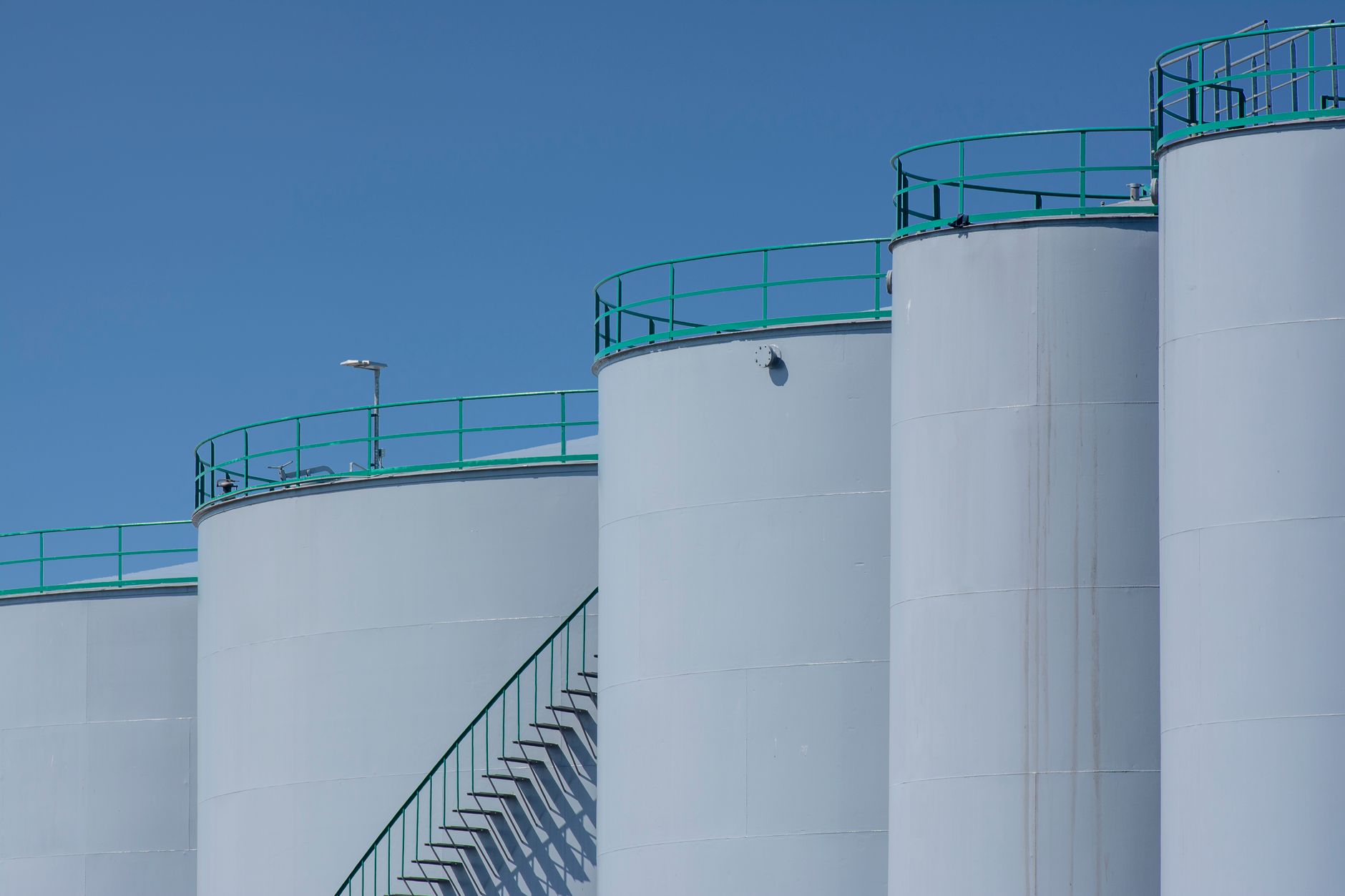
Manual grinding capped throughput and quality
This manufacturer builds energy storage cabinets for household, industrial, and grid projects. Weld finishing on battery trays, door panels, and frames had been done by hand.
Published reporting cites about forty tray or door assemblies per shift, labor costs near thirty-five percent of that work, and a fifteen percent defect rate from uneven weld grinding. Dust exposure also created occupational health and compliance pressure.
- Finish laser and arc welds on large cabinet frames
- Hold defect rates low enough for safety-critical storage
- Recruit and retain skilled grinders in a tight market
- Meet environmental and workplace safety expectations
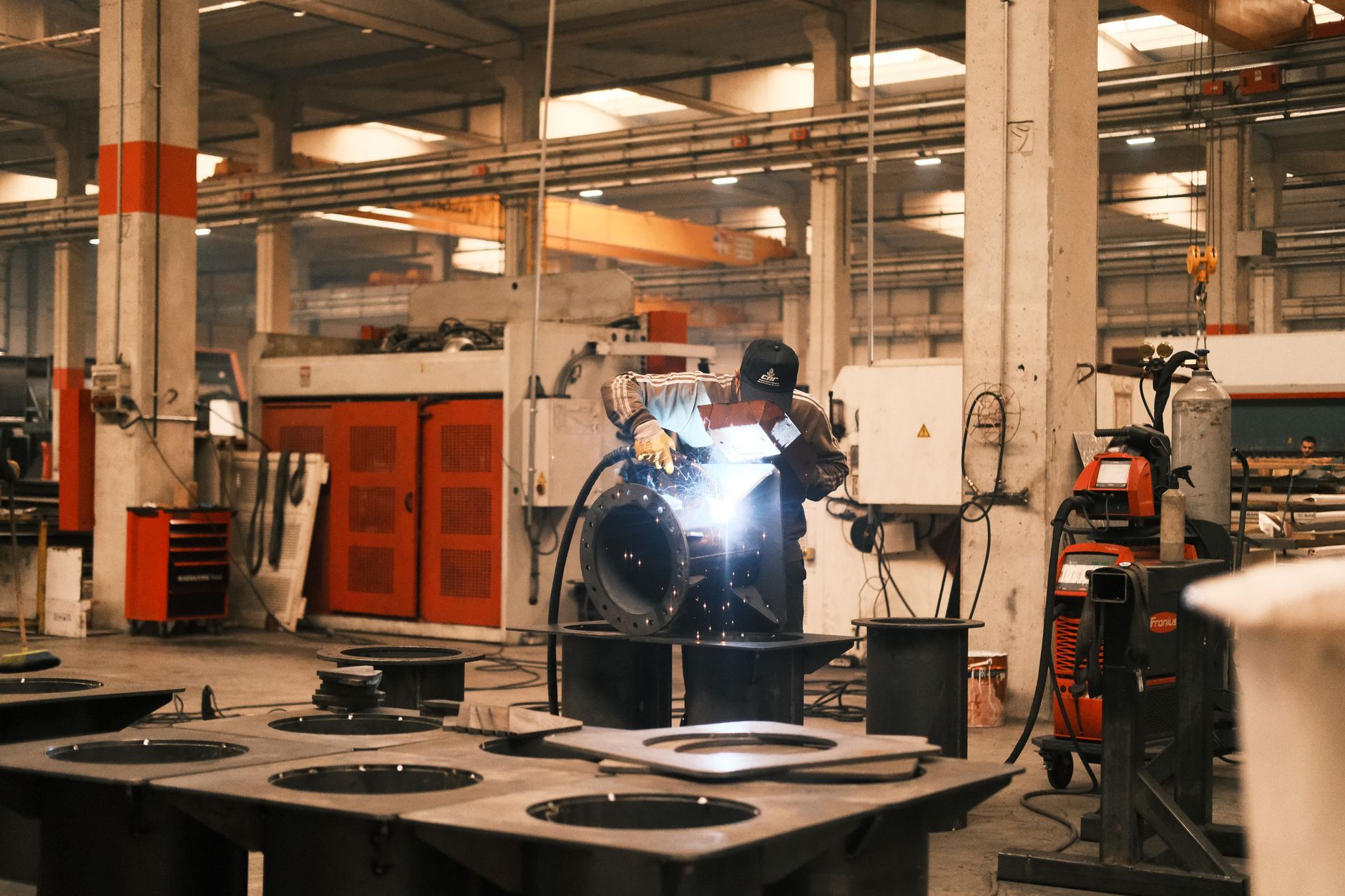
Force-controlled grinding with laser line scanning
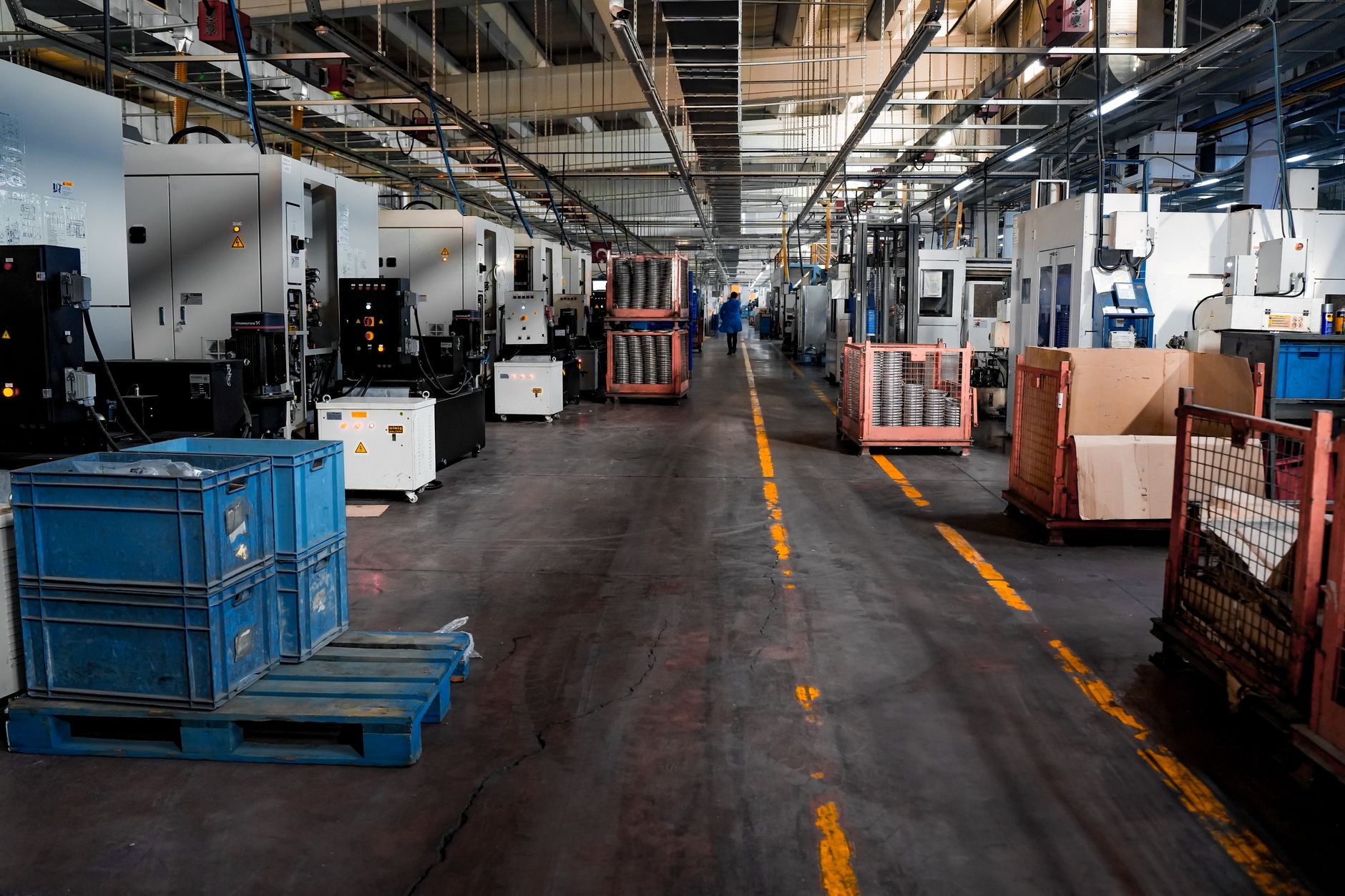
The IFR case describes an integrated grinding solution pairing high-precision industrial robots with adaptive force-control tools, three-dimensional laser line scanning, and an intelligent control system.
Engineers analyzed weld grinding operations, simulated paths, and validated more than forty process formulas. Force sensing and vision guidance let the cell track weld positions even when large frames deform after welding.
Dual-machine, dual-station layouts support parallel grinding on multiple workpieces. Programs can be adjusted for different cabinet specifications and materials with quicker changeovers than manual re-teaching.
- Scan frames to compensate for weld distortion
- Control grinding force for consistent surface finish
- Run parallel stations to raise shift throughput
- Log per-workpiece data for quality traceability
- Target trays, doors, frames, and welded assemblies
Documented throughput and quality gains
Production capacity increased from forty units to more than one hundred units per shift in the documented deployment, while product defects fell by more than thirty percent according to the IFR account.
The source also cites workforce reductions of up to thirty operators in a single shift for grinding work, alongside lower dependence on manual labor for repetitive finishing.
Estun reports the approach deployed at multiple leading energy storage producers in China, framed as replicable for frame-type and door-type products across the industry.
What U.S. fabricators can take from the pattern
This is a documented vendor case study analyzed by Service Robot Co., not a claimed client win. The transferable idea is replacing inconsistent hand grinding on large welded assemblies with force-guided robots when defect rates and dust exposure hurt both quality and hiring.
Service Robot Co. evaluates similar weld-finishing and machine-tending needs, then finances, deploys, trains, and services OEM-neutral industrial cells under RoboCare nationwide. A free site assessment checks whether scanning and force control fit your frames, materials, and safety rules.