
an 18-hole golf and leisure centre in Cambridgeshire, England
How an English Golf Centre Reclaimed 30 to 40 Weekly Fairway Hours
An 18-hole golf and leisure centre in England deployed three autonomous fairway mowers on mapped routes and reported saving about 30 to 40 labor hours each week.
- 40 hr
- Weekly hours max
- 3
- Autonomous units
- 3x/wk
- Fairway cadence
- 18
- Hole layout
Based on a documented real-world deployment. Figures are from public reporting; the organization is not named.
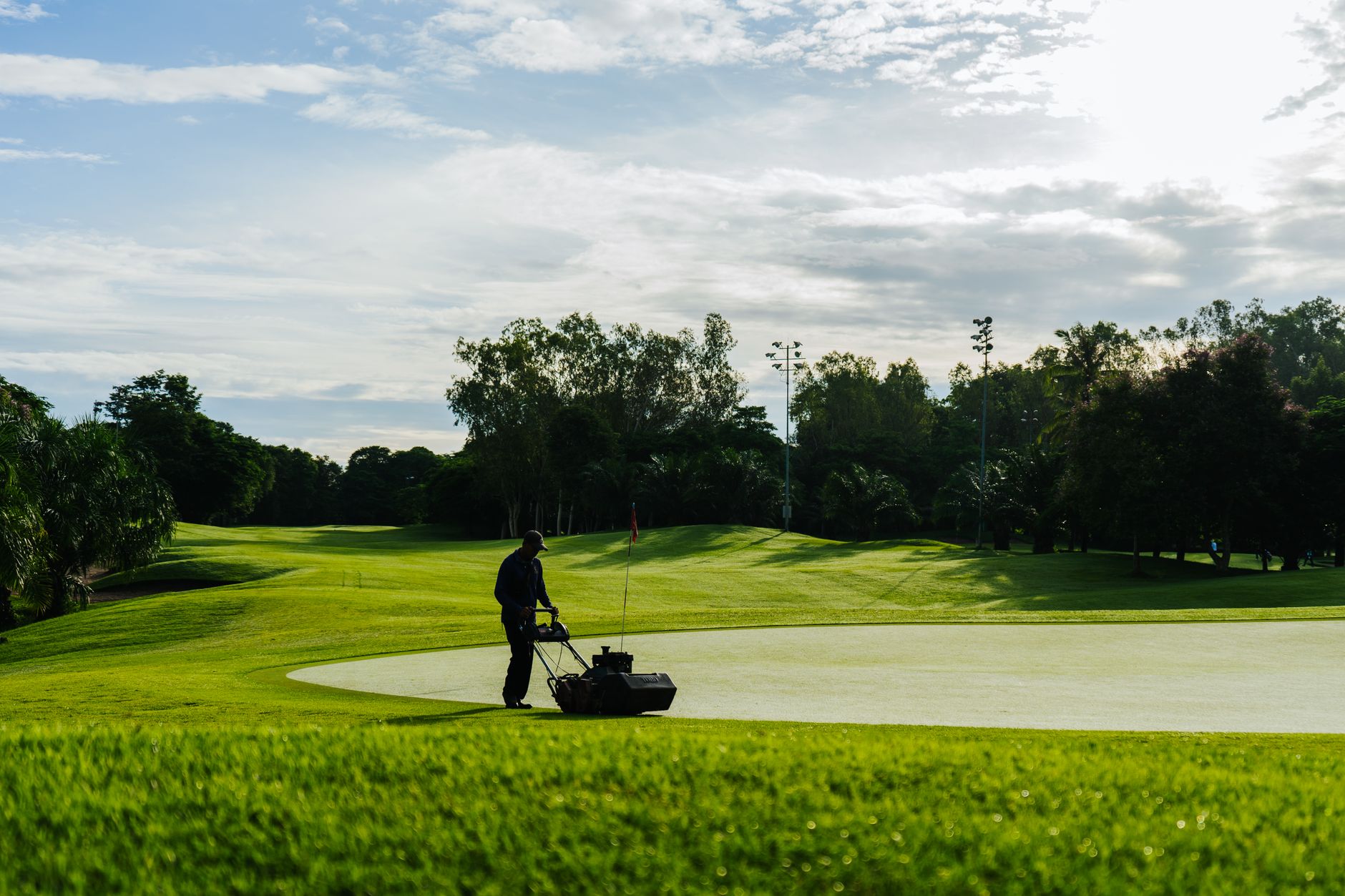
Fairway seat time crowded out course detail
The centre runs a full 18-hole layout where members expect consistent fairways without sacrificing bunker edges, approaches, and the presentation work that shows up on scorecards. Ride-on fairway and rough mowing ate large blocks of the week, and deferred tasks piled up whenever weather or events compressed the schedule.
Leadership wanted automated passes that held finish quality without adding another driver on every loop. Greens, tees, bunkers, and hand mowing still needed skilled crew time the robots would not touch.
- Fairway and rough loops competed with bunker and presentation work
- Three weekly fairway cuts were the target cadence
- Crew hours on machines limited work on deferred areas
Mapped routes split across three autonomous units
Working with the robot supplier, the team mapped fairway and rough panels across the property and matched each zone to an autonomous unit sized for its acreage. One unit took eight fairways, another five fairways plus rough, and the third four fairways plus rough, with installation support from the integrator.
The fleet was set to cut assigned fairways three times per week on programmed routes while charging between runs. Crew leads learned how to monitor schedules and keep robots out of play corridors during busy windows.
- Map fairways and rough by zone before first cut
- Assign three autonomous units to split the 18-hole loop
- Program three weekly fairway passes per zone
- Keep greens, tees, and bunkers on manual crew schedules
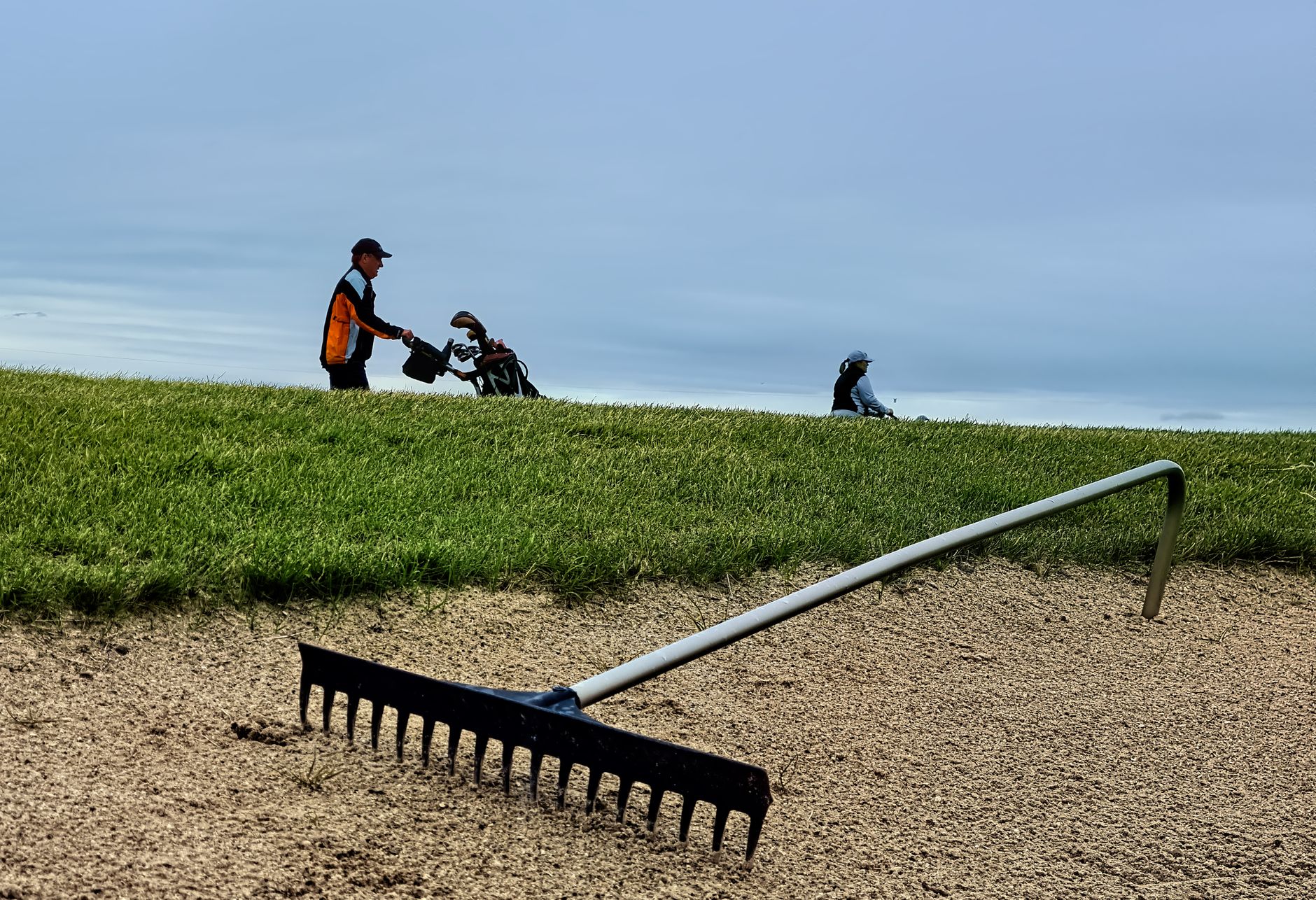
Weekly hours shifted to deferred course work

After several months of operation, staff quoted in the public case study said the autonomous fleet saved about 30 to 40 hours per week. That time moved to improving areas they previously could not reach while ride-ons owned the calendar.
Management also said they planned to expand the fleet as routes stabilized, signaling the first deployment was a baseline rather than the final footprint.
What U.S. superintendents can borrow from this rollout
This centre did not automate for novelty. They bought back fairway seat hours so the same crew could finally attack bunker work and presentation details golfers mention in reviews. The pattern mirrors what many U.S. courses want: more fairway passes without hiding machinery in front of morning play.
Service Robot Co. is not claiming this deployment. We help U.S. courses evaluate vendor-neutral autonomous fairway options, map routes around tee times, buy or lease through financing, train the staff member who monitors runs, and support the fleet under RoboCare™ after go-live. A free site assessment turns your fairway acres and play windows into a phased plan that keeps greens and tees in human hands.