a Japanese manufacturer assembling air conditioning equipment and precision sheet-metal parts on a forklift-heavy factory floor
How an HVAC Assembly Plant Scrubbed 13,223 m² of Factory Floor and Cut Cleaning Water 80%
Manufacturing case study: one autonomous scrubber covers 13,223 m², recycles rinse water to cut freshwater use up to 80%, and eases after-hours floor care.
- 13,223 m²
- Factory floor
- 80%
- Less freshwater
- 1
- Scrubber unit
- 5-stage
- Water recycle
Based on a documented real-world deployment. Figures are from public reporting; the organization is not named.
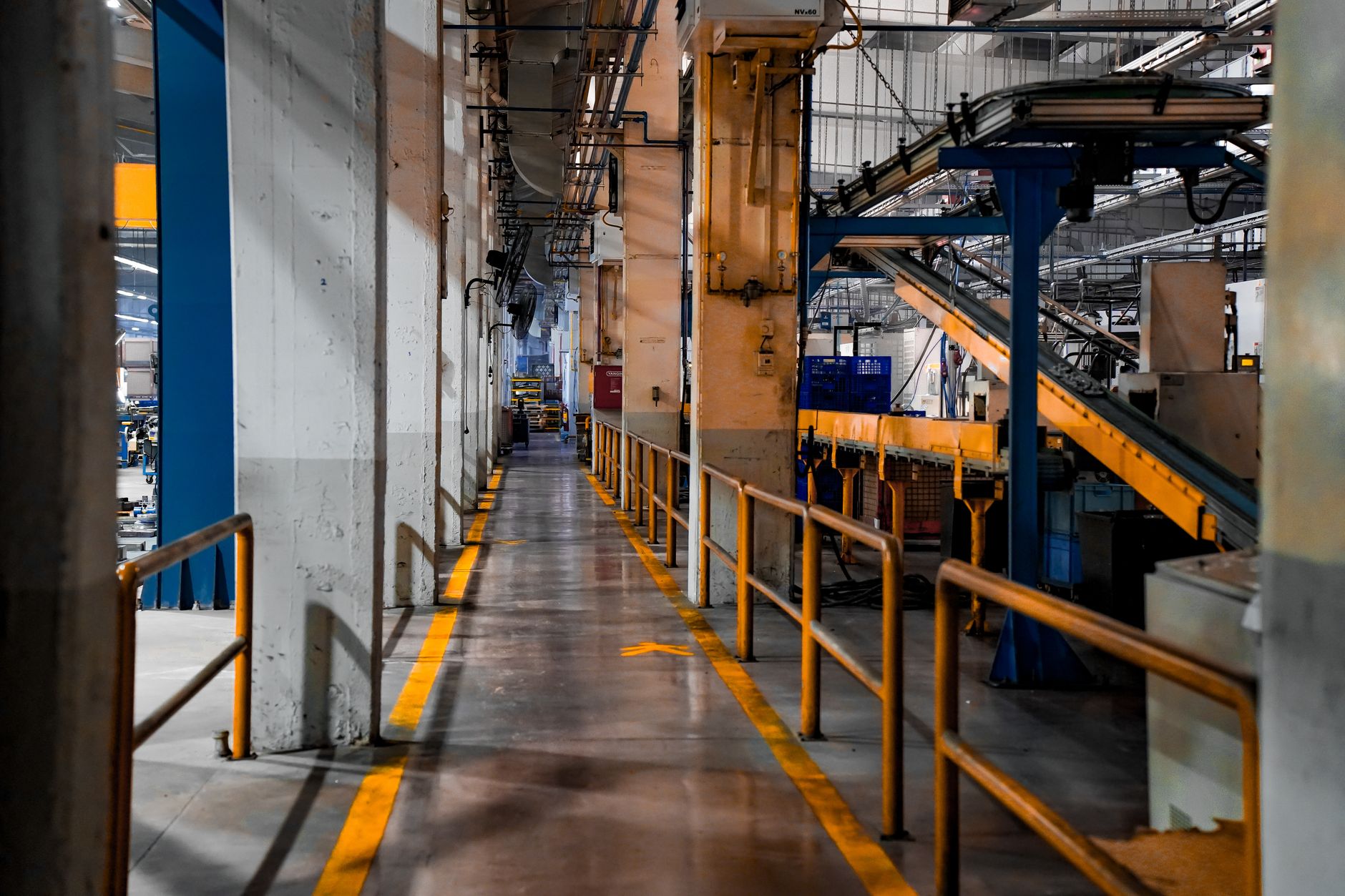
Forklift grit followed people home
The plant builds air conditioning assemblies and precision sheet-metal parts across a thirteen-thousand-two-hundred-twenty-three-square-meter factory where forklifts and foot traffic constantly drag dust and dirt indoors. Floors that look acceptable at shift change were often unacceptable by the next morning unless someone stayed late.
Employees routinely scrubbed outside normal production hours just to keep aisles presentable for the next crew. Leadership viewed that pattern as unsustainable and wanted a first automation win in a task every worker already understood: floor care.
Start with one mapped scrubber route
Management piloted a single autonomous floor scrubber programmed through a touchscreen interface so maintenance and facilities staff did not need a robotics background. Routes were drawn to run while production traffic was present, leaning on onboard sensing to stop for people, pallets, and closed automatic doors, then resume when paths cleared.
The unit scrubs and recovers water through a five-stage filtration loop that reuses rinse water from the floor, which the supplier documents as saving up to eighty percent freshwater versus conventional refill cycles. Early skeptics on the sales and marketing team noted the robot made daily cleaning feel lighter even before they tracked hours.
- Map high-traffic aisles and ingress lanes where forklift dust concentrates.
- Train two or three leads to edit routes from the touchscreen without IT tickets.
- Run daytime passes so dirt from outside is removed before it spreads to clean zones.
- Review water use and pad wear weekly during the first month, then monthly.
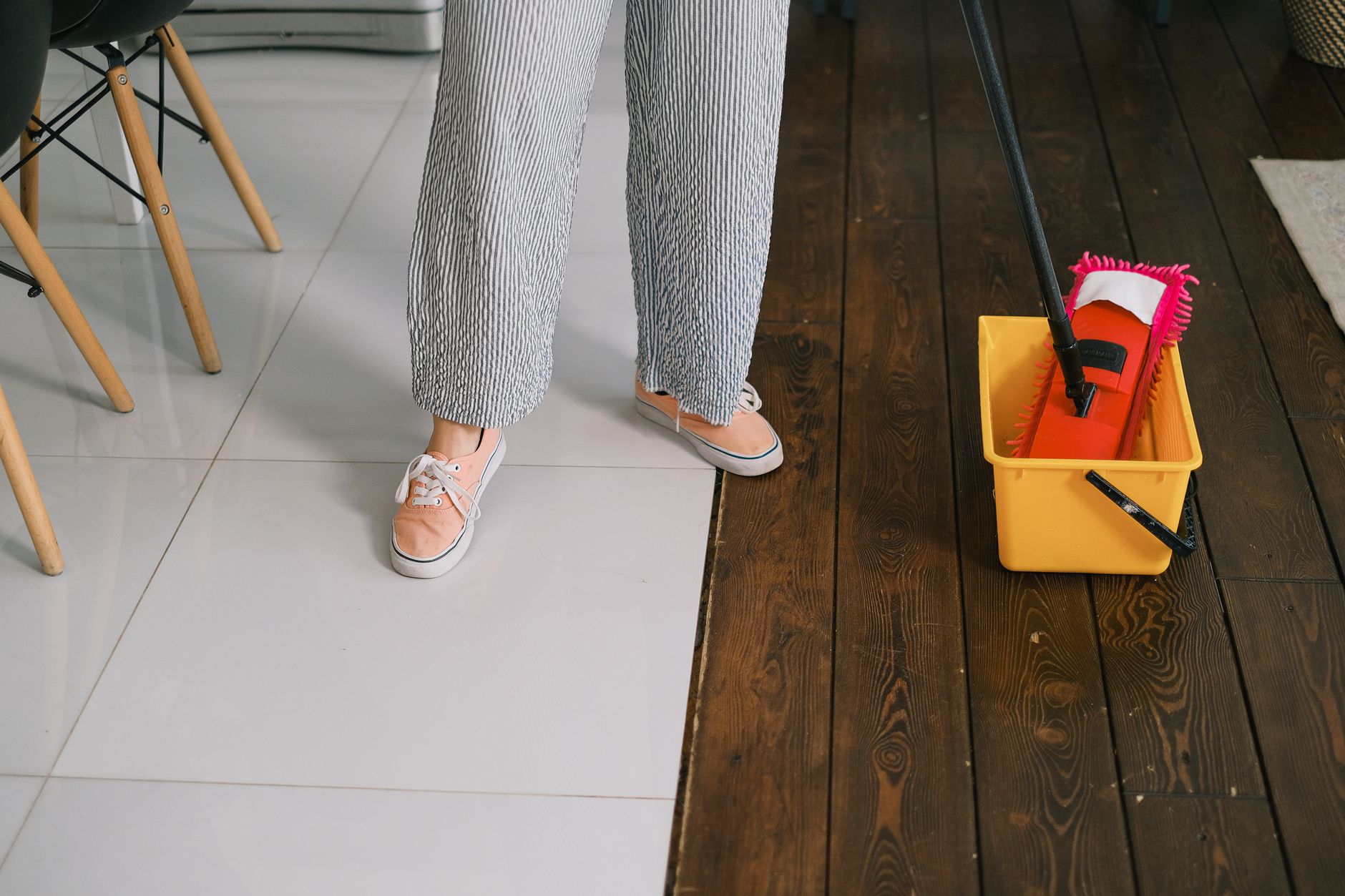
Cleaner floors with less after-hours scrubbing
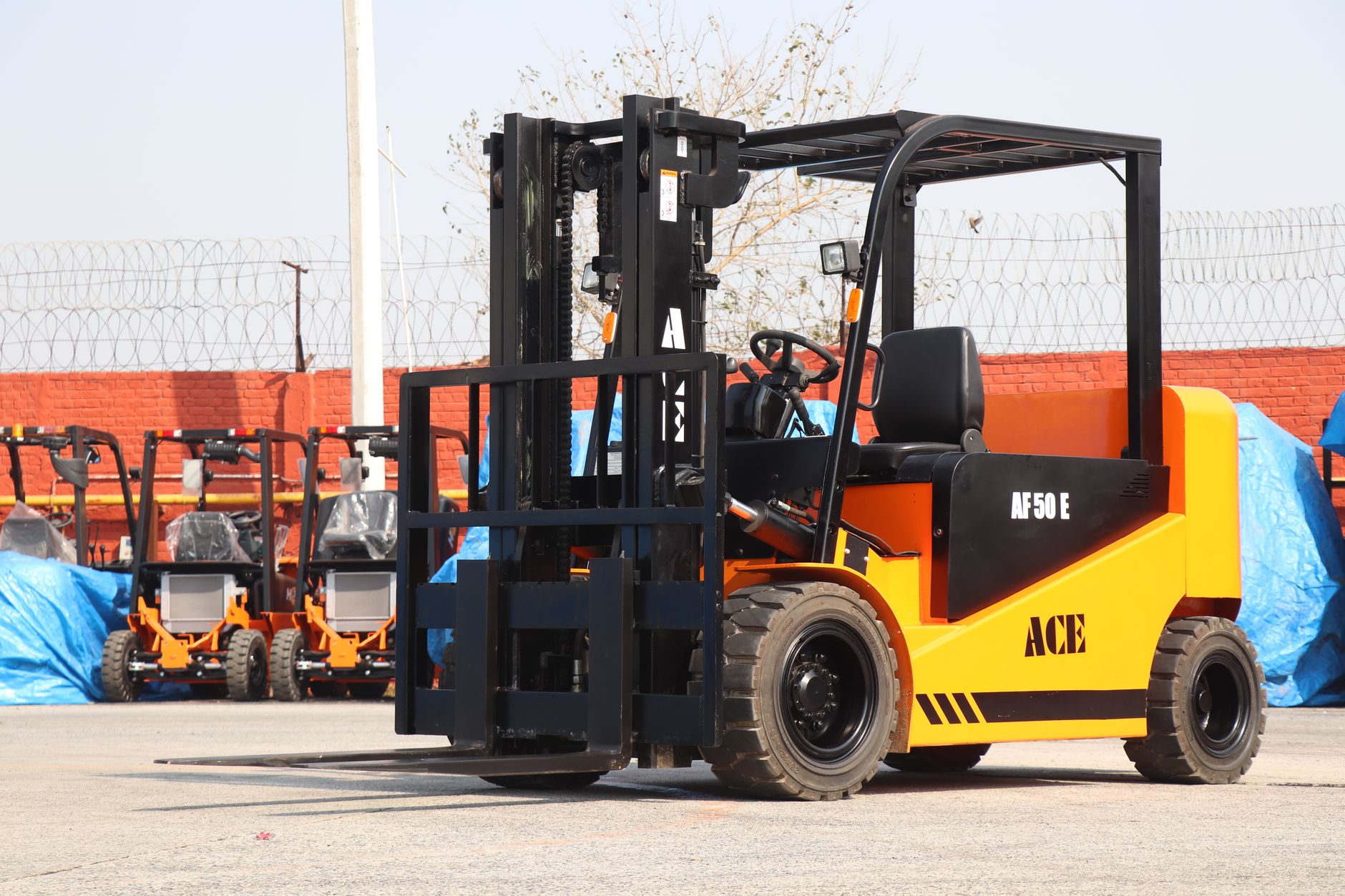
Documented scale: the factory floor spans thirteen thousand two hundred twenty-three square meters, and the autonomous scrubber is tasked with keeping that hard surface cycle under control as grit returns each shift. Leadership reported a meaningful drop in the cleaning hours employees owed outside their paid production time, even though the public case emphasizes qualitative morale and visitor perception as much as the hour ledger.
Water metrics are explicit: the scrubber’s filtration stack recycles ground water and is rated to cut freshwater consumption by up to eighty percent compared with manual refill habits. Operators also highlighted real-time obstacle handling in active aisles, which let the machine run without cordoning off entire production zones.
What US metal and HVAC shops can copy
This deployment is a documented example, not a Service Robot Co. customer story. It still shows why a vendor-neutral integrator matters for similar US plants: forklift dust, tight aisles, and night scrubbing are universal, but the right scrubber size, detergent spec, and service plan depend on your actual square footage and shift pattern.
Service Robot Co. selects autonomous scrubbers across manufacturers, then handles financing, site mapping, operator training, and nationwide RoboCare service so facilities leaders compare monthly lease or rental paths without juggling multiple vendors. A pilot on one ingress loop often proves whether eighty-percent water recycling and after-hours labor relief are realistic before you expand routes.