
a 25-bed critical access hospital in northeast Indiana
How an Indiana Critical Access Hospital Runs UV-C Disinfection in Every OR Each Night
A northeast Indiana critical access hospital runs nightly UV-C in every OR, targets 60+ monthly runs, and reports top patient cleanliness scores.
- 60+
- Monthly UV runs
- Nightly
- OR coverage
- 25 bed
- Hospital size
- 99th %
- Clean survey
Based on a documented real-world deployment. Figures are from public reporting; the organization is not named.
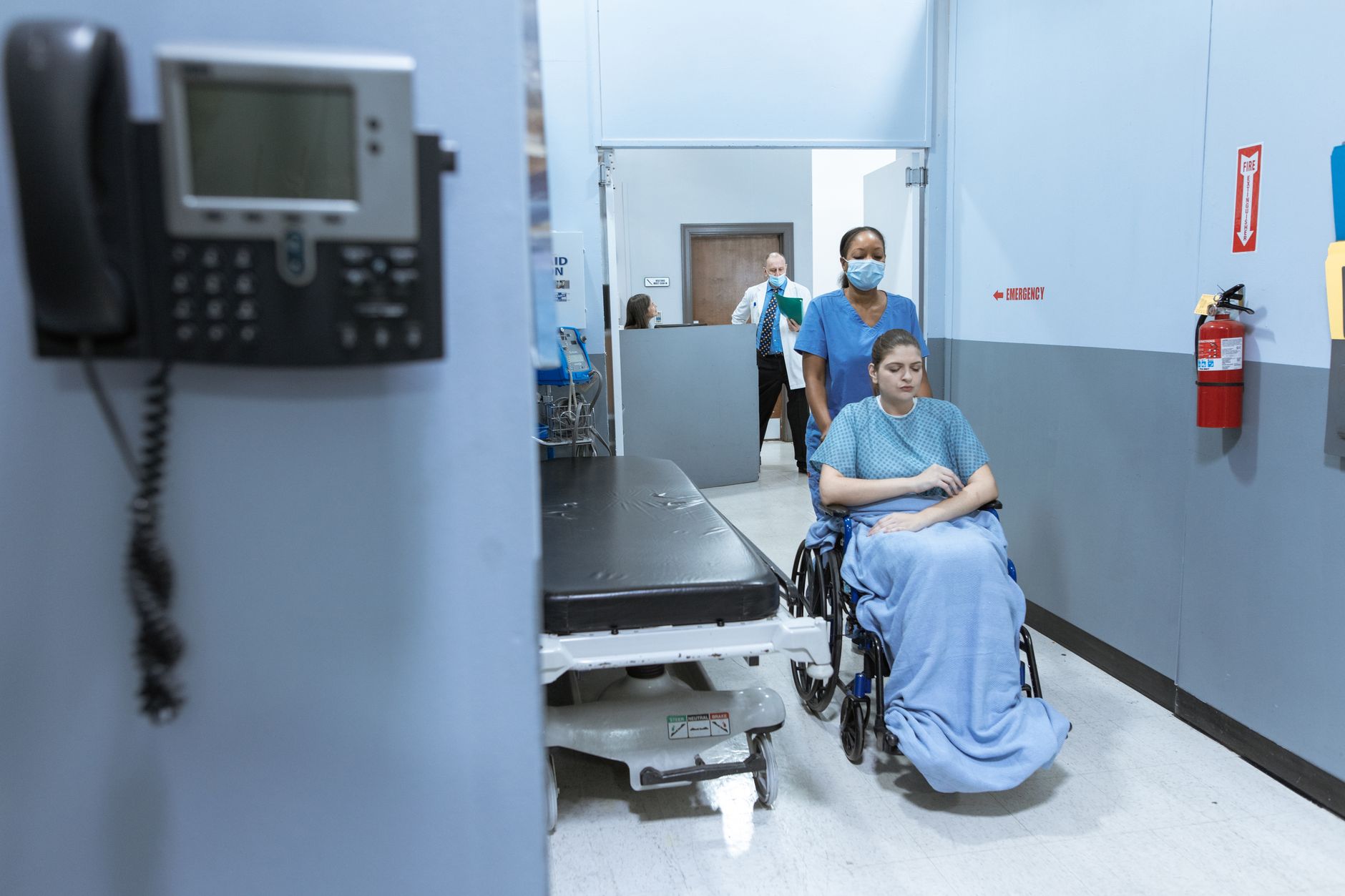
Terminal disinfection had to keep pace
This critical access hospital serves a community that expects spotless rooms and OR turnover without long downtime. Environmental services already handled manual terminal cleans, but leadership wanted a consistent UV-C layer on operating rooms and busy public areas.
Fluctuating census meant some nights were heavier than others. The team needed technology the full EVS roster could run without pulling a specialist off the floor every cycle.
- OR turnover pressure with infection prevention standards
- Limited time for chemical fogging workflows that close rooms
- Need for tracked utilization across ORs and common areas
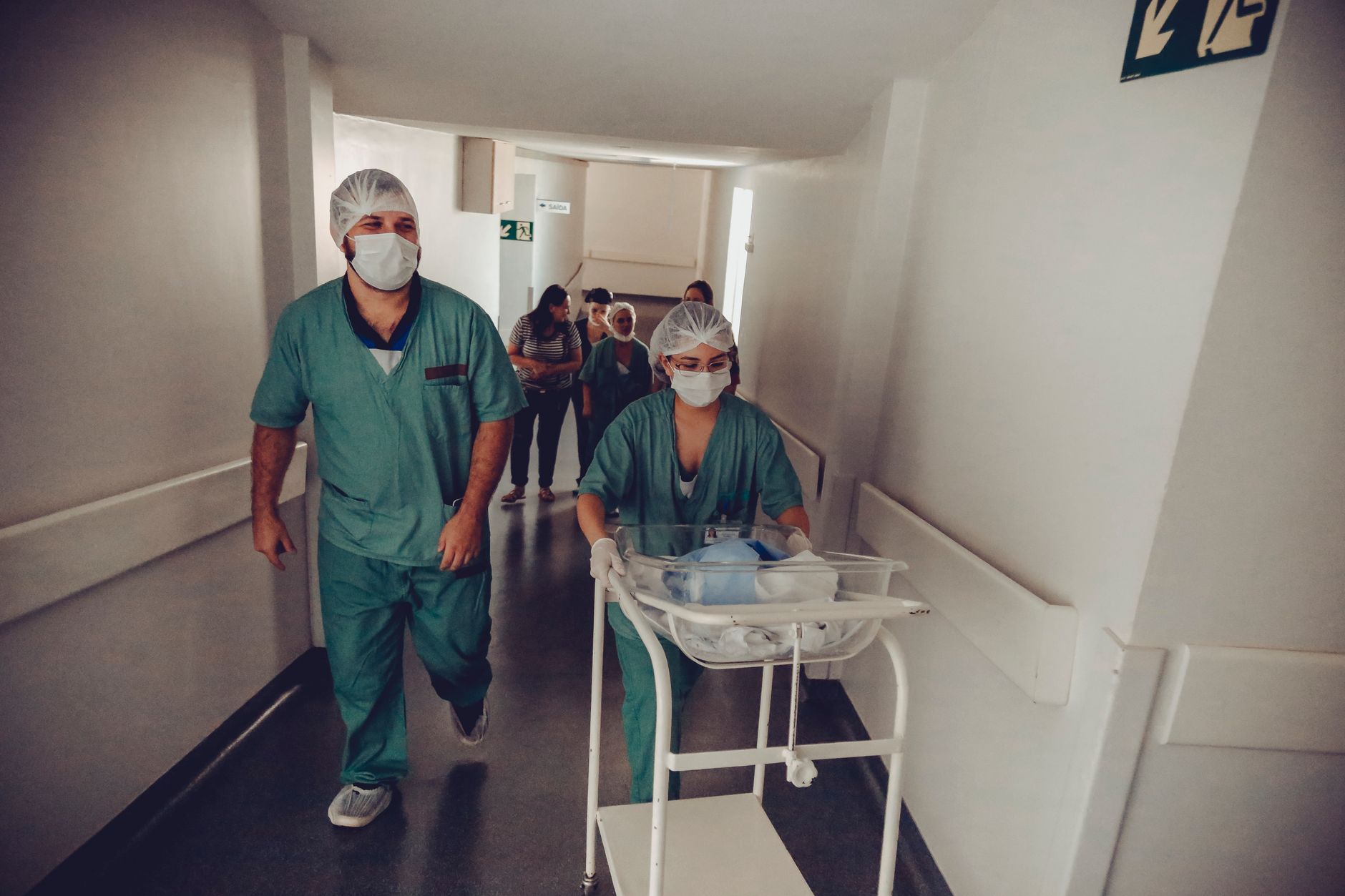
OhmniClean UV-C woven into EVS nights
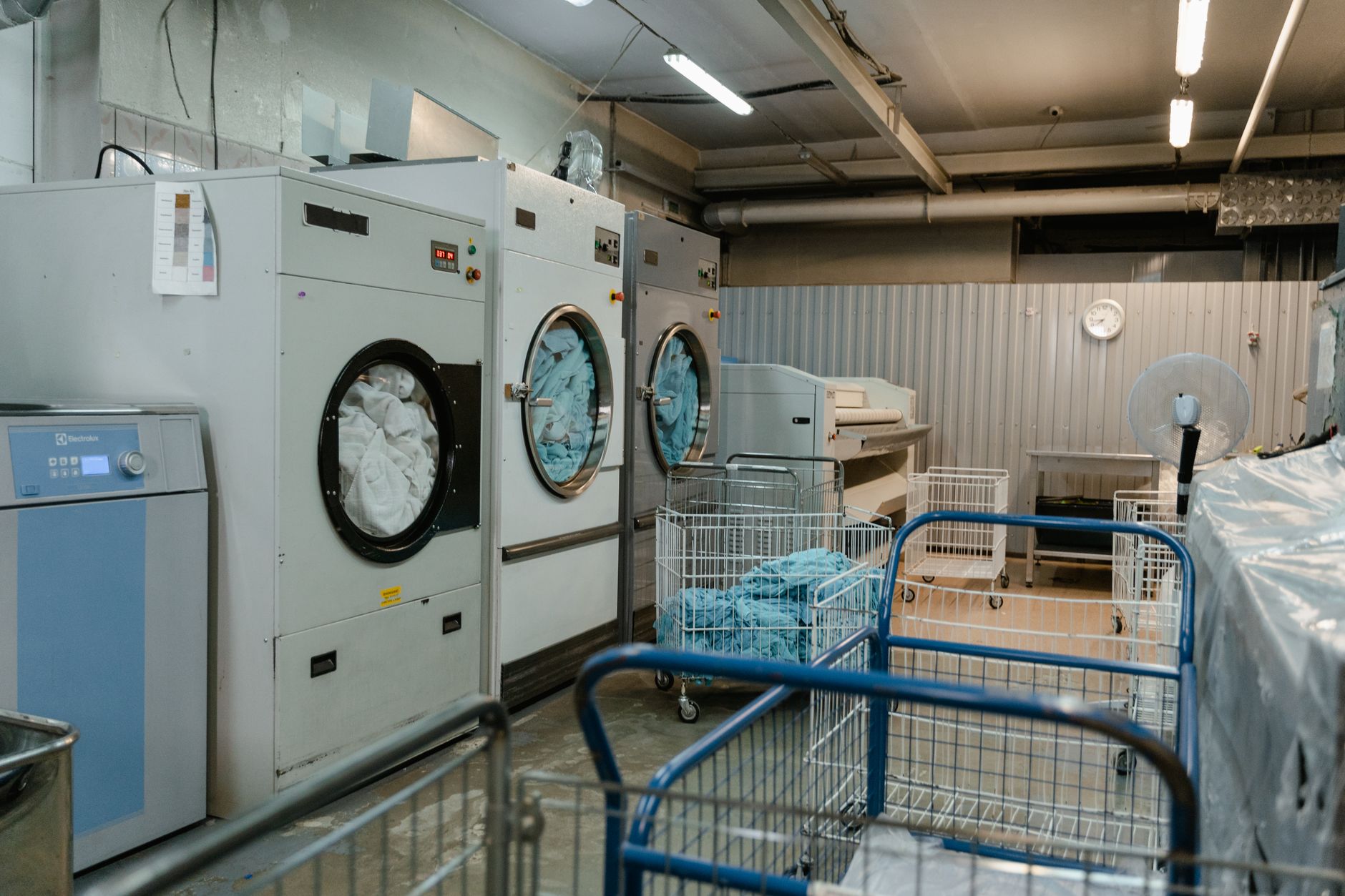
The hospital adopted autonomous UV-C disinfection units and trained all environmental services staff on setup, room clearance, and run logging. Published comments from leadership describe every operating room receiving a robot pass each night, with the lobby on the same cadence.
Teams set a utilization goal of at least 60 successful UV runs monthly across ORs, isolation rooms, and a rotation of general rooms, break areas, and restrooms. Monthly data on successful runs and run quality guides re-education when a route underperforms.
- Train the full EVS team on autonomous UV workflows
- Clear rooms before UV cycles for staff safety
- Schedule nightly OR passes after manual terminal cleaning
- Rotate common areas and isolation rooms on a monthly plan
- Review run logs to keep utilization above the 60-run goal
Documented cleanliness and workflow gains
Trade press quotes leadership saying robots reduced manual disinfection time and let staff focus on other vital tasks while critical areas kept a nightly UV layer. The same reporting ties the program to strong patient experience scores on room cleanliness.
Manufacturer-published outcomes for this hospital cite a 99th percentile rating on patient surveys for room cleanliness and environmental factors, alongside a five-star quality and satisfaction recognition for Indiana hospitals in 2023. Those are perception and process metrics, not a guarantee for every facility.
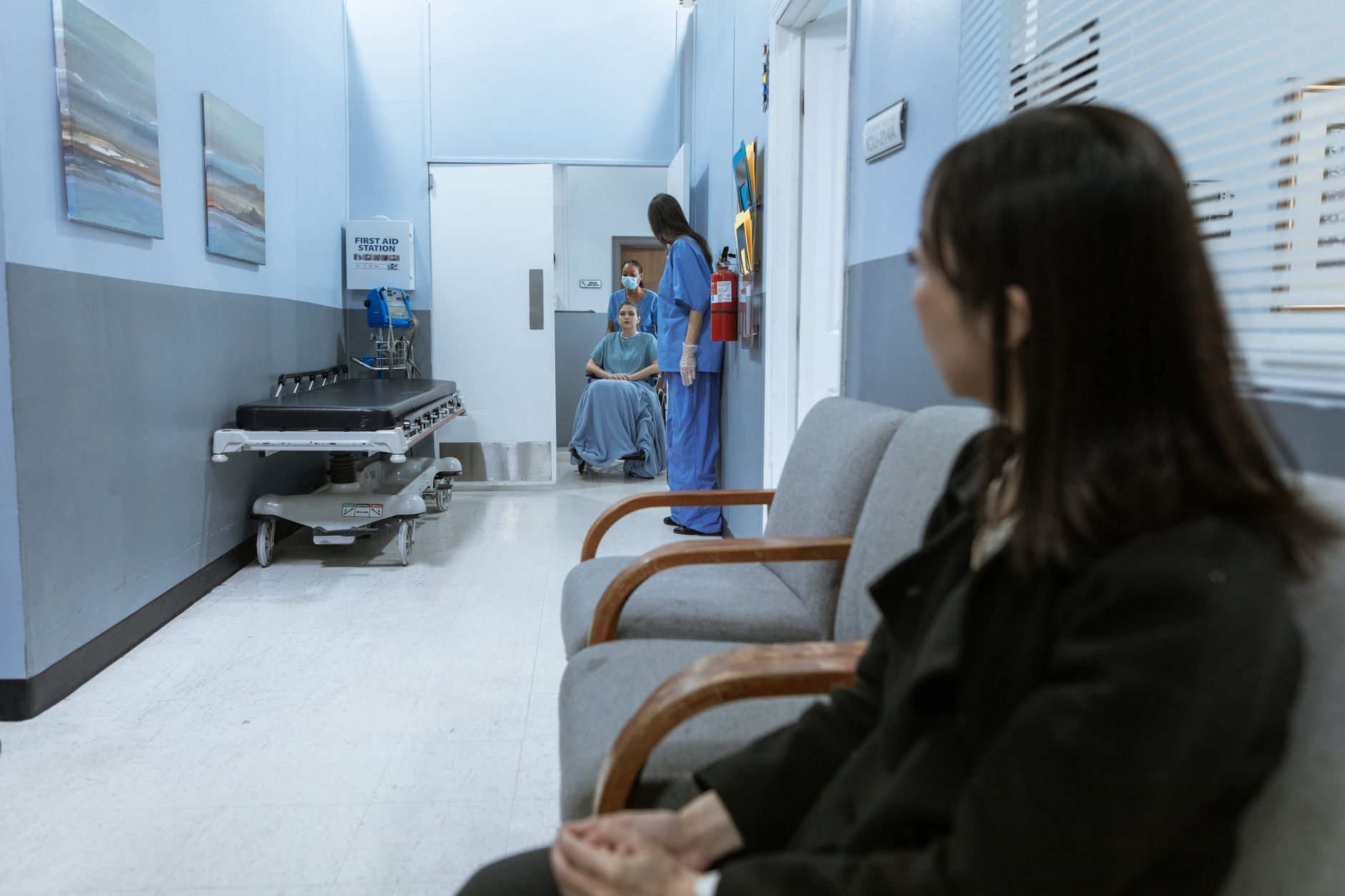
What smaller hospitals can borrow
This Indiana example is a documented community hospital story, not a Service Robot Co. deployment claim. The pattern is familiar: autonomous UV-C after manual cleaning, with utilization tracked like any other EVS KPI.
Service Robot Co. stays OEM-neutral on disinfection platforms, maps room types and clearance rules, supports buy or lease financing, trains EVS leads, and services units under RoboCare nationwide. A free site assessment clarifies which OR and isolation routes should be first.