
an industrial floor-care operation
Autonomous Floor Care at an Industrial Operation: 35% Efficiency Gain, Vendor Reported
A 500,000 sq ft industrial floor care program ran five autonomous scrubbers, vacuums and mopping units. Vendor reported results and what they mean for buyers.
Deployment at a glance
- 35%
- Floor care efficiency gain, vendor reported
- 18 months
- Reported return on investment, vendor reported
- 30%
- Lower water use, reported by the vendor
- 10%
- Fewer trip and fall incidents, vendor reported
Based on a documented real-world deployment. Figures are from public reporting; the organization is not named.
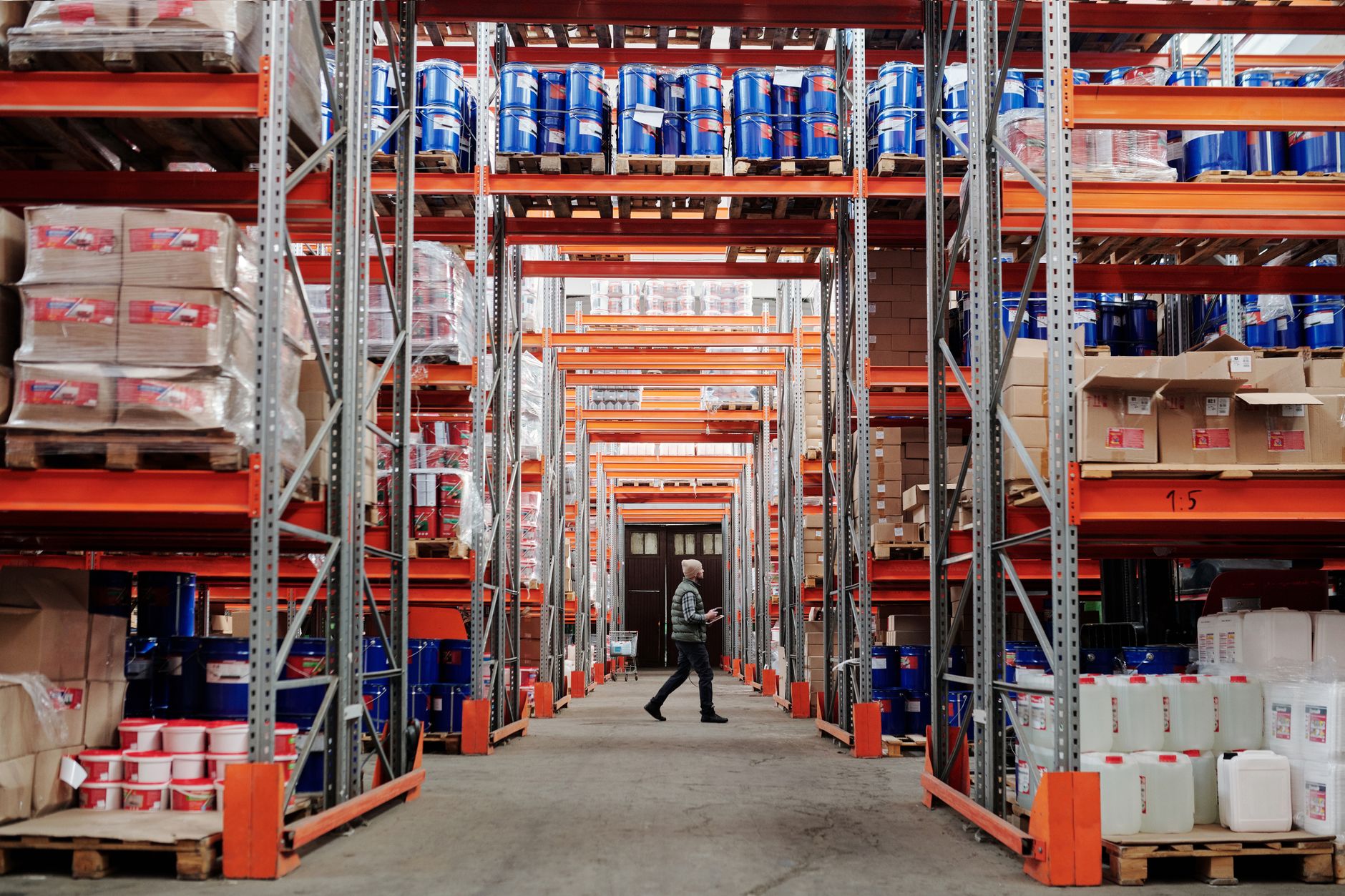
Keeping a very large floor clean without trading away safety or water
A 500,000 square foot industrial floor is less a room than a landscape. Traffic runs across it in lanes, spills turn up in the wrong places, and the work of keeping it presentable never really stops. At that scale, floor care can swallow hours that would be better spent elsewhere, and it does so at the moments when a wet patch becomes a hazard.
Floor care at this scale is judged on four things at once: how much area gets done per labor hour, what the program costs to run, how often people slip or trip, and how much water the work consumes. Those pressures tend to pull against one another. More coverage can mean more water and more wet surface, and rushed wet work can mean more incidents.
- Area covered per labor hour across a very large footprint
- Running cost of the floor care program
- Trip and fall exposure on wet and busy floors
- Water used by each cleaning pass
Five robots matched to different floor jobs
The program was built around five floor care robots that included scrubbers, vacuums and mopping units. A mixed fleet lets each surface receive the machine that suits it, rather than forcing one tool across every job. Matching machine to surface is the heart of this kind of planning, and it shapes everything that follows.
Coverage is the other half of the equation. A facility this size needs robots that can work through the hours that matter, with routes and charging planned so that no zone is left waiting. Planning for a unit that comes out of service is part of the work too. A program of this shape usually moves through four steps.
- Survey the facility and map floor types, traffic lanes and wet zones
- Assign scrubbers, vacuums and mopping units to the surfaces they suit
- Train the staff who load, monitor and respond to the robots
- Keep a service route open for repairs and a fast return to the floor
Measured outcomes, as the vendor reports them
The headline figure is a 35% increase in floor care efficiency. The vendor also reports 11.5% in savings, a 10% reduction in trip and fall incidents and a 30% reduction in water use, which the vendor links to recycled water technology. The return on investment is reported at 18 months.
Each of these numbers is vendor reported, so it describes one deployment rather than a promise for every floor. Treat them as a benchmark to test against your own traffic, water costs and incident history.
The water figure deserves a closer look than it often gets. A 30% cut touches chemicals, the water bill and the wet time on the floor, which ties it directly to the incident and cost figures.
What this means for a floor care buyer

This is a documented example that we analyze. Service Robot Co. did not run this deployment and it is not a client of ours. What it illustrates is the shape of a sound floor care program: a mixed fleet, matched to real surfaces, measured against labor, safety and water.
That shape is what we build for US businesses. As an OEM neutral integrator, we select robots across manufacturers, walk you through robot lease options, and finance them on a three year lease with one fixed lease payment quoted after a site assessment. Our engineers deploy, integrate, train your staff and service every unit through a nationwide US engineer network, so one partner carries the whole lifecycle.
If your floor looks anything like this one, start with a site assessment. We map the surfaces, the traffic and the hours the robots can run, then match scrubbers, vacuums and mopping units to the zones they suit before any lease is quoted.
Frequently asked questions
Want a robot working for you?
Tell us the job and the site. We will recommend the robot, quote the lease, and keep it serviced.