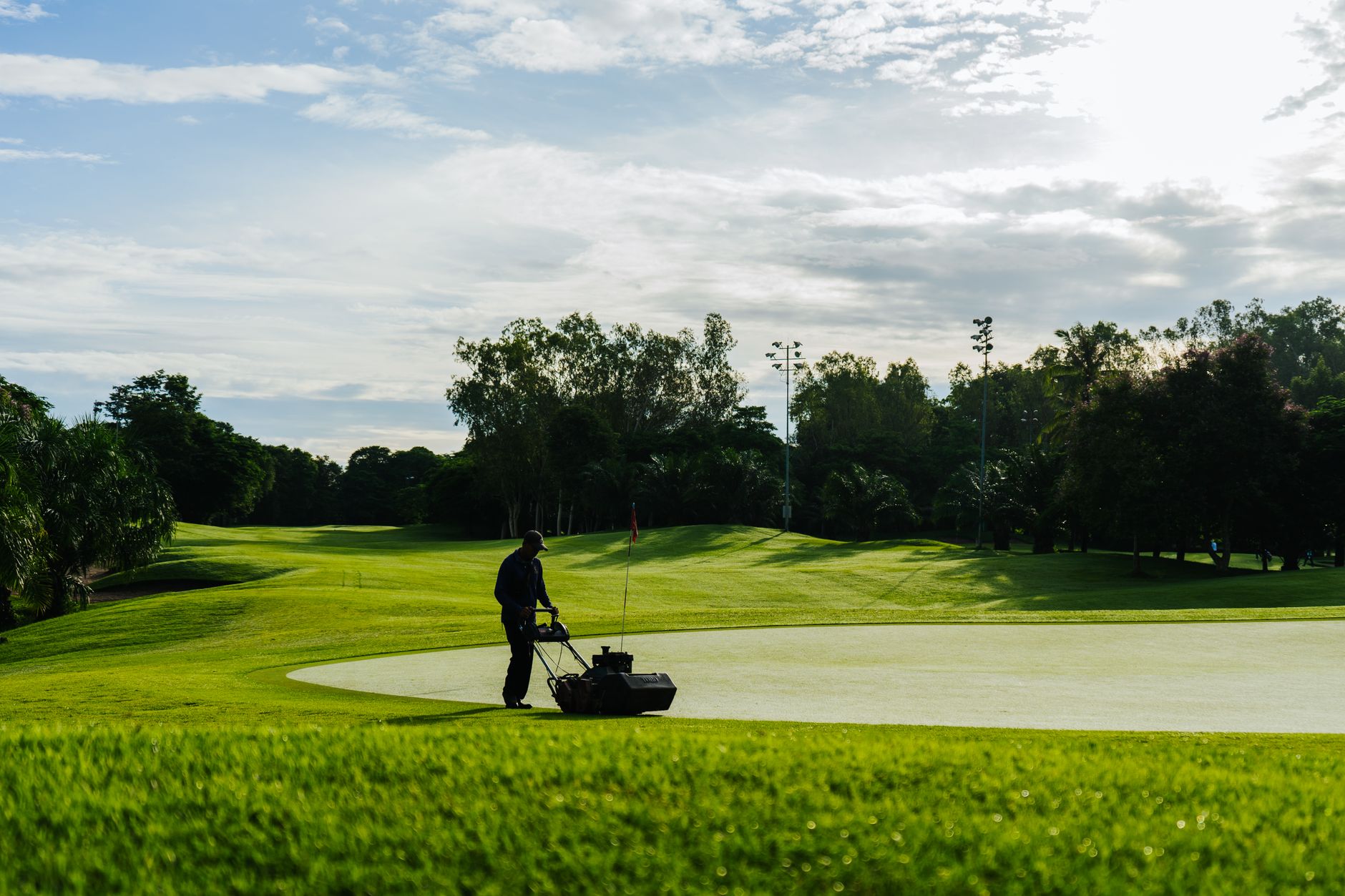
a full-service country club in southeastern Ontario
How an Ontario Country Club Shifted About 30 Weekly Mowing Hours Off Fairways and Rough
A southeastern Ontario country club mapped nine autonomous units across fairway and rough zones and redirected roughly 30 weekly mowing hours to greens and presentation work.
- ~30 hrs
- Weekly shift
- 39 ac
- Phase 1 mapped
- 9 units
- Autonomous fleet
- 47 zones
- Fairway and rough
Based on a documented real-world deployment. Figures are from public reporting; the organization is not named.
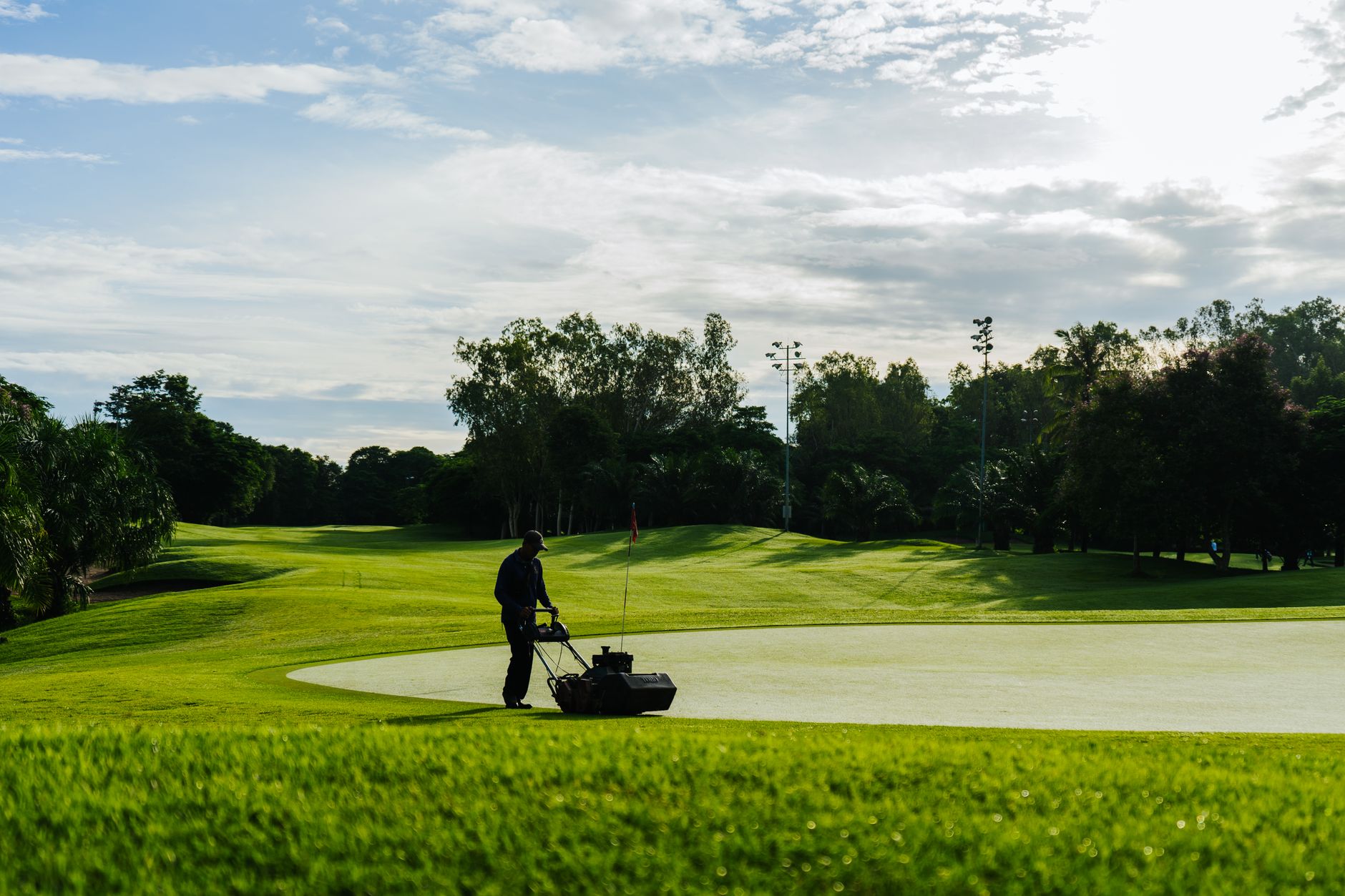
Fairway and rough loops owned the week
A full-service country club in southeastern Ontario treats fairways and rough as the bulk of every mowing week. Each hour on those wide passes is an hour not spent on greens, bunkers, approaches, or the presentation details members notice first.
Leadership wanted a phased way to automate large mapped zones without guessing on infrastructure, crew training, or how fast acreage could scale once the first season proved out.
Phased mapping with reference infrastructure
The club committed to a full autonomous mowing program rather than a single pilot strip. An integrator planned the fleet around the course, installed EPOS reference infrastructure including solar-powered reference builds where grid power was unavailable, mapped every zone, commissioned the machines, and trained the crew for seasonal support.
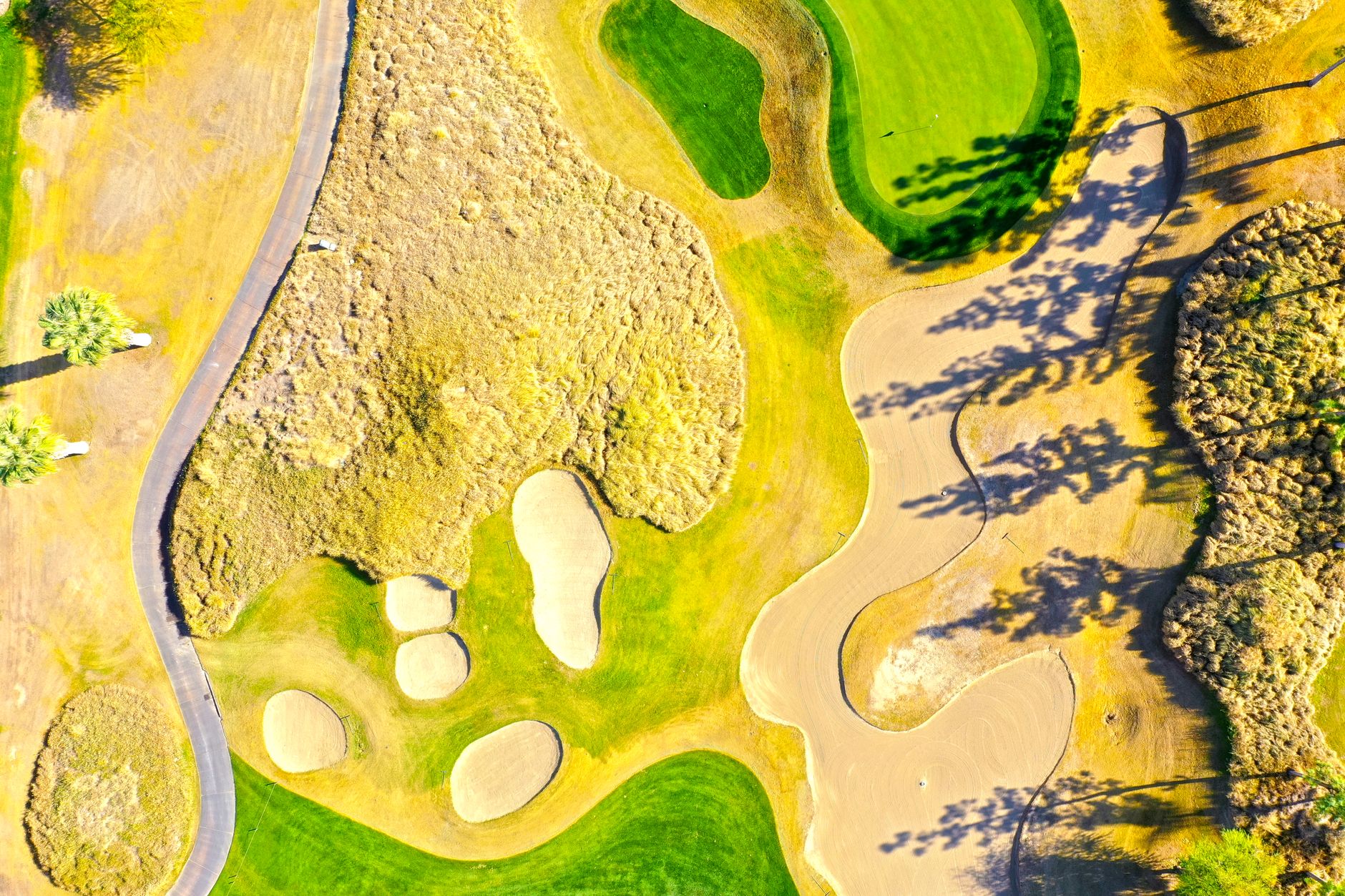
Phase 1 went live in early spring 2025 with nine autonomous units covering about 39 acres split across 18 fairway zones and 29 rough zones. Greens, tees, bunkers, and hand-led detail work stayed on traditional crew schedules while robotics handled the mapped fairway and rough corridors.
- Survey fairway and rough geometry before reference station placement
- Map stay-out boundaries around greens complexes and hazards
- Commission the fleet and train the crew lead on zone edits
- Run phase one through a full growing season before expanding acreage
- Plan phase two to push mapped turf past 70 acres once routes stabilize
Weekly labor moved to in-play turf
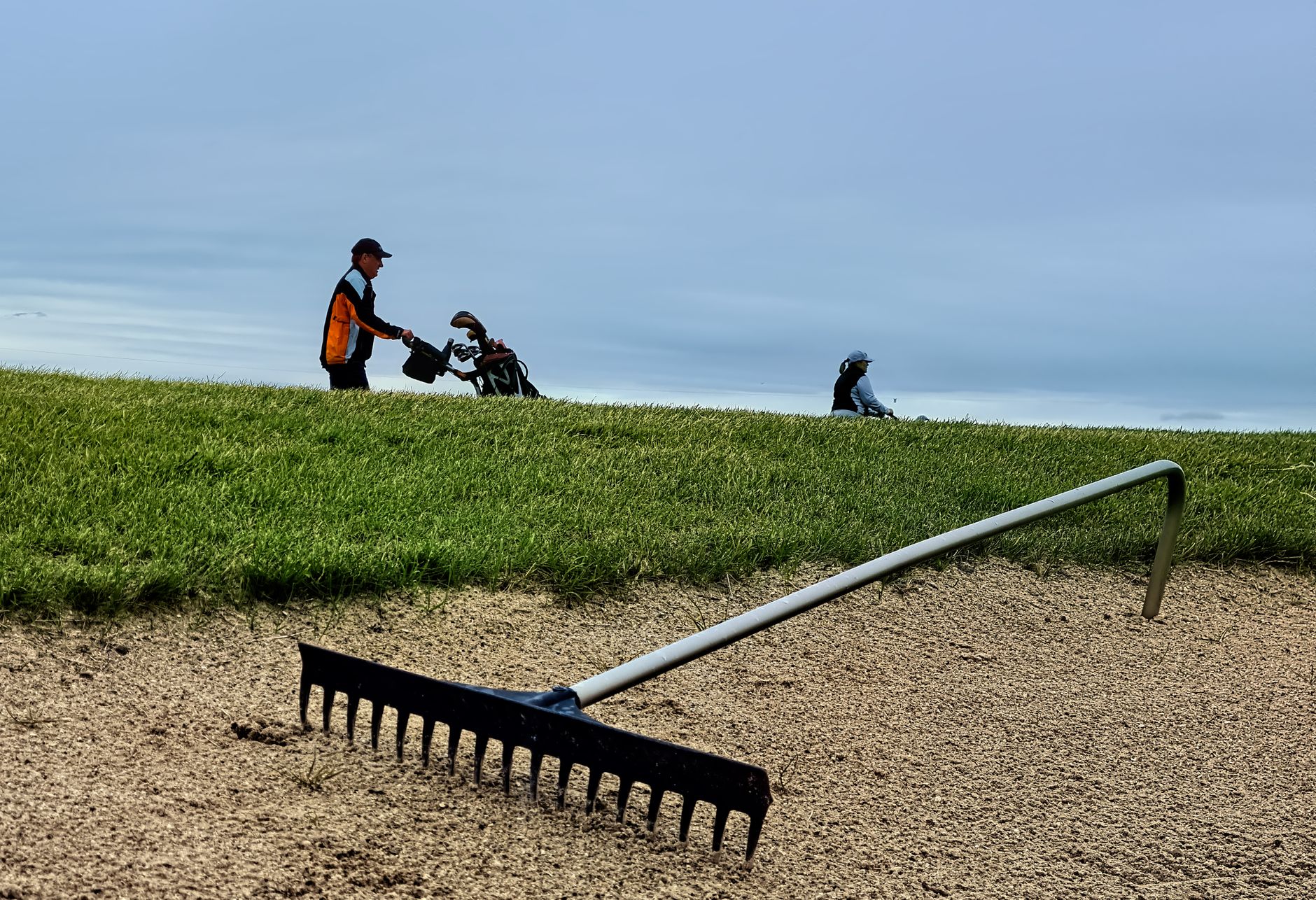
Published project results from the integrator report roughly 30 hours of mowing labor each week redirected from repeat fairway and rough loops toward other course work after phase one was running.
The mapped footprint covered 18 fairway zones and 29 rough zones across about 39 acres in the first phase. Leadership then committed to a follow-on phase designed to expand mapped area beyond 70 acres as the fleet proved reliable through the season.
The documented example is a real deployment analyzed for readers considering similar rollouts. It is not presented as a Service Robot Co. customer story.
What this means for your course
This case shows how a club can treat fairway and rough automation as infrastructure, not a gadget trial. Service Robot Co. maps your property, scopes buy-or-lease financing, trains your point person, and supports units under RoboCare while your team keeps agronomy authority on greens and tees.
Vendor-neutral integrators matter when reference stations, zone counts, and phased acreage targets must match your play calendar. You can prove weekly hour shifts on one phase before expanding routes.