
a Singapore logistics facility feeding a shuttle storage system
How Bolloré Logistics Singapore Saved 90 Man-Hours a Month With a Cage-Lifter AMR
A Singapore logistics facility used a cage-lifter AMR to move 300 boxes an hour and save roughly 90 labor-hours a month with a reported two-year return on investment.
- 300/hr
- Boxes moved
- 90 hrs/mo
- Labor saved
- 2 years
- Reported ROI
- 1 AMR
- Platform
Based on a documented real-world deployment. Figures are from public reporting; the organization is not named.
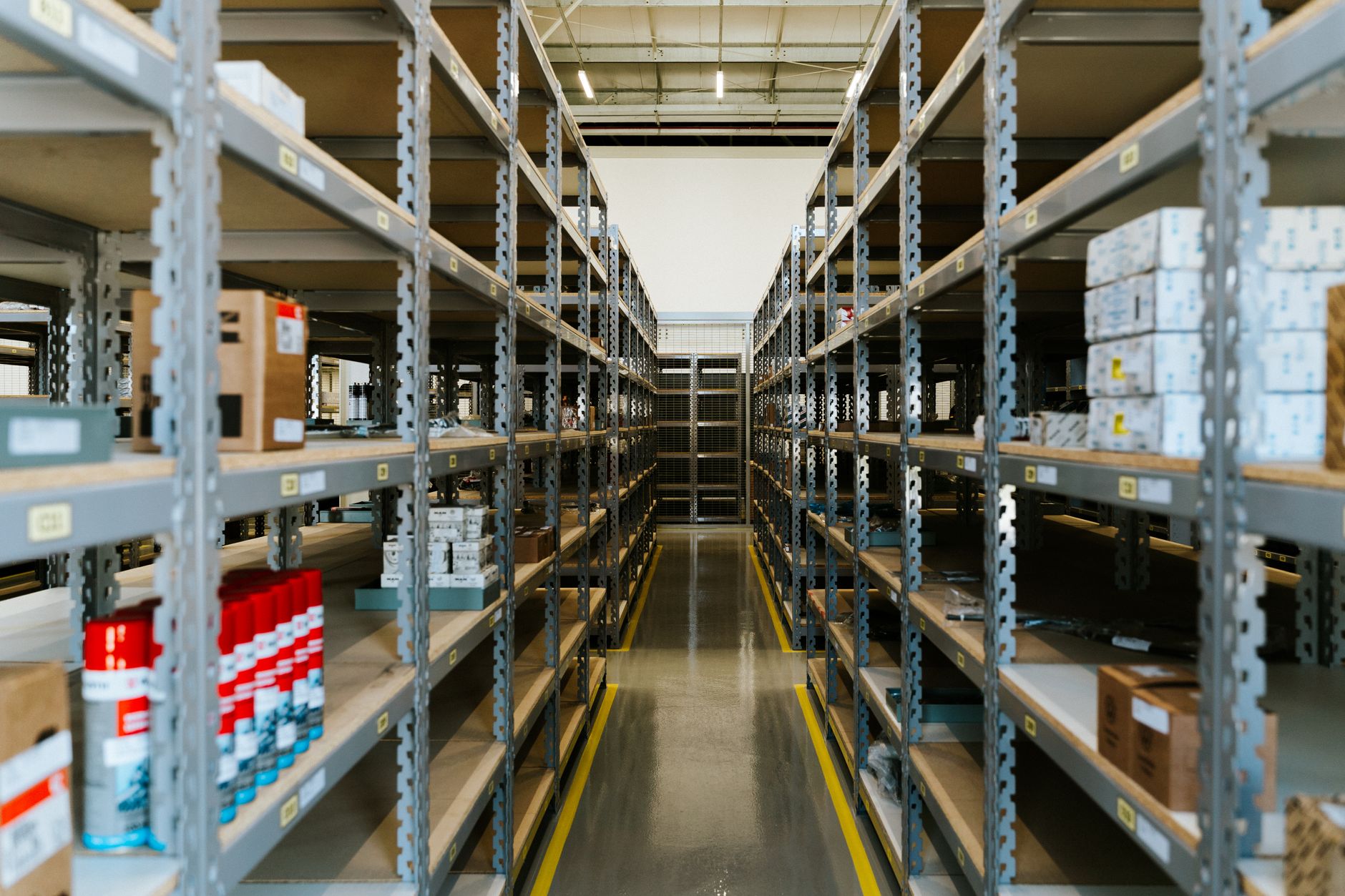
The transport gap around shuttle storage
At a Singapore logistics facility feeding a shuttle storage system, staff manually moved tote bins and boxes into and out of the storage workflow. Single-piece and low-volume loads still demanded human travel, consuming labor and slowing the handoff to packaging.
Leadership needed higher productivity without adding headcount, safe operation around people, and a layout that could change. The work called for repetitive robotic transport that could fit the existing process instead of forcing a wholesale redesign.
- Move filled wheeled trolleys from the pick area to packaging
- Return empty trolleys so the next load could be staged
- Trigger transport with minimal operator input
- Track trolley status and keep empties available
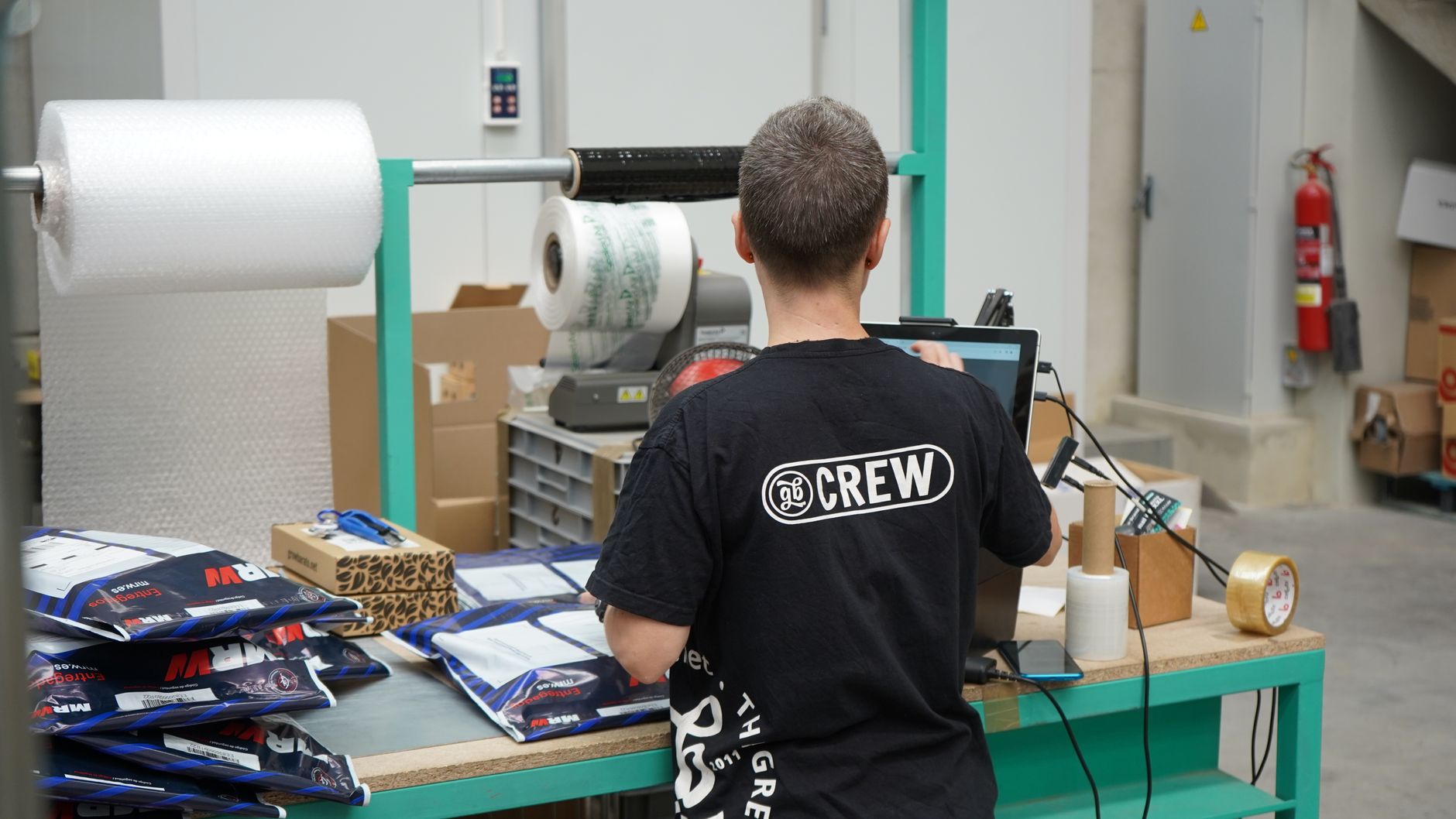
A cage-lifter AMR tied to the handoff
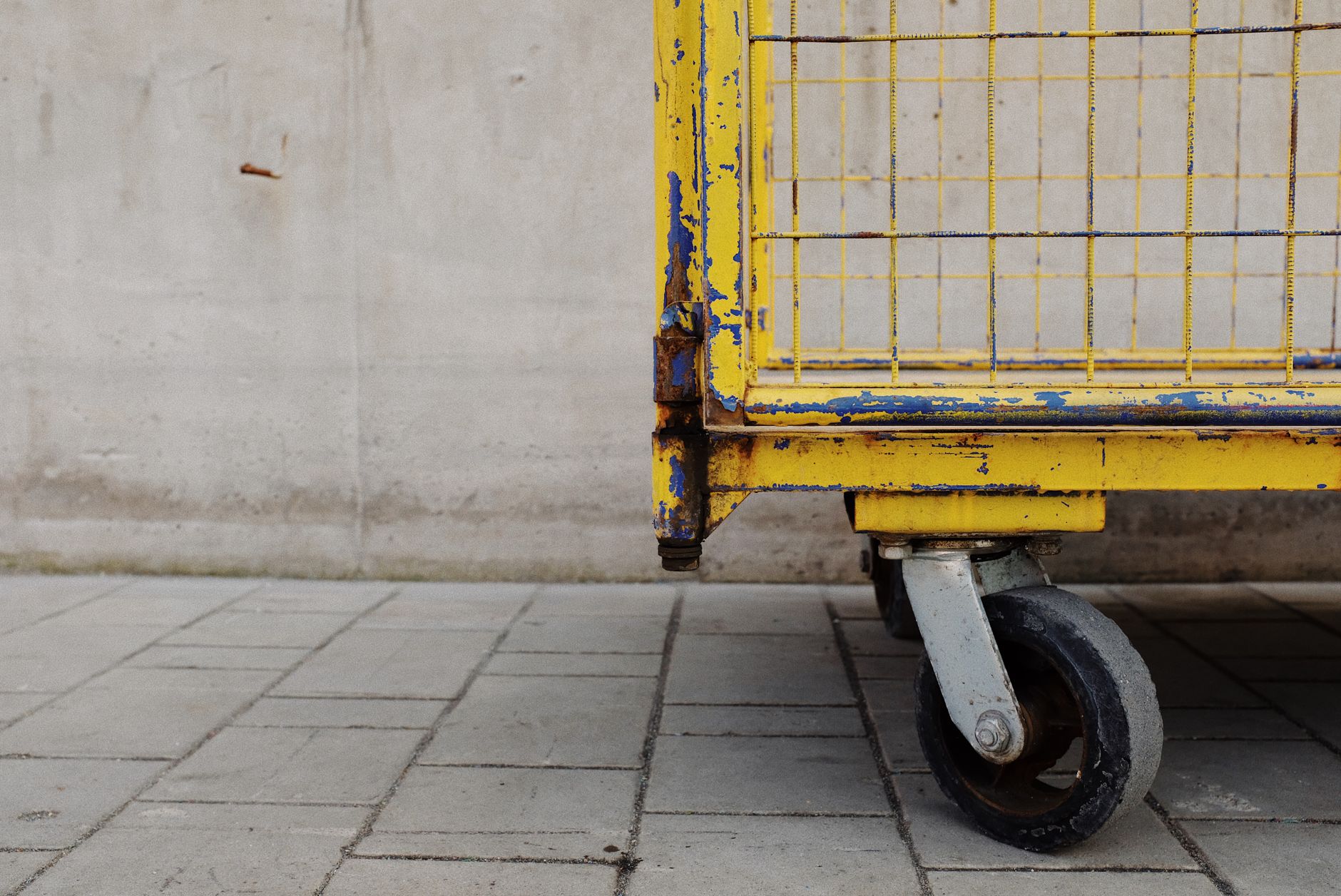
The documented deployment used a cage-lifter autonomous mobile robot to collect full trolleys, carry them to the packaging area, and bring empty trolleys back. Camera-based detection triggered a task when an operator placed a full trolley in the pick area, removing the need to assign each move manually.
Live trolley-status tracking helped preserve the circulation of empties. The mobile platform was also described as adaptable to changing warehouse layouts and able to operate safely around people on a contract logistics floor where routes and workload can shift.
- Match the lifting interface to the wheeled trolley and transfer points
- Use camera detection to recognize a staged full trolley
- Dispatch the AMR on camera trigger and track trolley status
- Validate safe travel around staff and changing layouts
Measured transport capacity with labor returned
The cage-lifter AMR moved 300 boxes per hour. At that rate, the transport loop supported higher throughput without additional headcount, while staff time shifted away from shuttling totes and cages.
Published materials cite roughly 90 labor-hours saved per month and a two-year return on investment, giving the project a concrete operational and financial result without relying on modeled savings.
What US operators can borrow
This Singapore example is a documented overseas deployment, not a Service Robot Co. customer claim. The pattern is familiar: cage-lifter AMRs absorb trolley loops between shuttle storage and packaging so people focus on staging, quality, and exceptions.
Service Robot Co. stays OEM-neutral, maps warehouse routes, supports buy or lease financing, trains floor leads, and services fleets under RoboCare nationwide. A free site assessment identifies whether a cage-lifter AMR fits your trolley interface and traffic patterns.