
The short answer
Autonomous forklift vs material handler at a plastics molding plant comes down to route and load. A robot makes sense when resin and finished parts move on fixed routes between set stations, taking the repeat lift and carry work that pulls a handler away from the presses. It does not make sense when loads are mixed, the layout changes often, or most of the shift is unplanned exceptions that still need a trained person.
Key takeaways
- An autonomous forklift fits fixed routes between set stations, not mixed or irregular loads.
- Plan on at least one trained person per shift for exceptions, mold work and blocked aisles.
- Manufacturing's 2024 total recordable case rate was 2.7 per 100 full-time workers, against 2.3 for private industry, so route control and marked aisles matter.
- The research did not verify plastics-specific overtime, night-shift or sick-day figures, so time your own shift before deciding.
- The lease is quoted after a free site assessment and comes through financing.
Autonomous forklift vs material handler at plastics molding plants: when does the robot make sense?
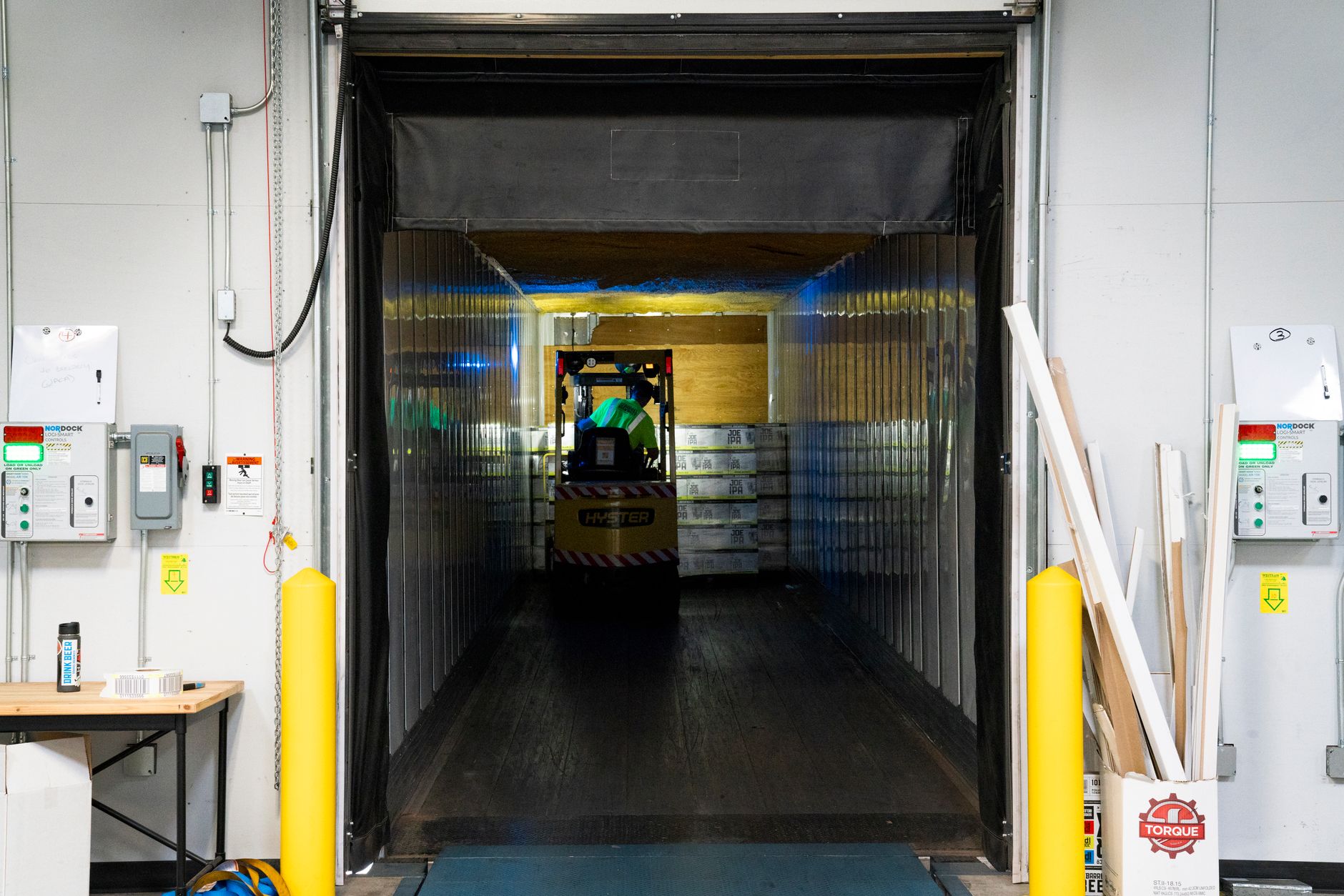
A molding plant runs on repetition at the presses and on movement between them. Resin arrives in bags, gaylords and totes, gets staged, then goes to press feed points. Finished parts leave the presses in totes or on pallets and travel to packing, staging and the dock. Much of that is the same trip repeated across a shift, which is where an autonomous forklift can take over work a material handler does by hand or with a powered pallet truck.
The answer is yes when the trips are fixed. A robot fits when resin and finished-part pallets move between stations that do not change often, when load sizes are predictable, and when presses lose time waiting for material. It does not fit when the shift is mostly exceptions: unexpected loads, damaged pallets, staging that changes every run, or a floor plan that shifts every few weeks.
Whether it pays off depends on route count and load mix, which the plant can count from its own move logs. We pick the right robot for the site, lease it through financing, deploy and integrate it, train staff and service it nationwide. Fit is tested on your floor in a site assessment before any lease is quoted.
What does a material handler actually do in a molding plant shift?
A material handler at a molding plant covers several jobs at once. The work includes bringing resin to the press feed point, pulling regrind, taking finished parts from press take-off to staging, moving full pallets to packing or the dock, and returning empty totes and pallets. Shift gaps happen when a press waits for material while the handler is busy elsewhere on the line, and that waiting time is the gap a fixed-route robot is meant to close.
Much of the handler's day is a loop: pick up at a known point, drive a known route, set down at a known point, and return. Loops are what a robot follows well. Moves that are not loops, such as a press that needs a different resin grade fast or a pallet with a broken board, still go to a person.
Median hourly wage, Laborers and Freight, Stock, and Material Movers, Hand
$4,380
Monthly cost of one full-time worker, at the median wage plus payroll costs (an estimate, not a quote).
Which loads can an autonomous forklift take, and which can it not?
Pallets of resin in standard packaging and finished parts on uniform pallets or in standard totes are the strongest fit. The robot needs stable, squared loads inside its rated capacity and fork reach. Loose wrap, bulging bags and leaning stacks are poor candidates. Set stations with clear floor marking and a consistent drop point give the best results.
Harder loads include odd-sized gaylords, bulk bags that sag, partly filled part totes, and any load that needs a hand to steady or unwrap. Work that goes onto a press, into a mold or onto a machine stays with a person. The exact limits depend on the equipment chosen after the site assessment, so treat these as the general pattern, not a specification.
- Fixed routes between set stations
Autonomous Forklift
Strong. Repeats the same route with consistent stops.
Material Handler
Fine, but fatigue and repetition set in, and a person can be pulled to other work.
- Mixed or irregular loads
Autonomous Forklift
Weak. Needs stable, squared loads within rated limits.
Material Handler
Strong. Judges the load and adjusts how it is moved.
- Night and break coverage
Autonomous Forklift
Can keep a fixed loop running when the site allows it.
Material Handler
Needs scheduling, breaks, absences and sick days to cover.
- Mold change and tool moves
Autonomous Forklift
Not suited to hands-on setup work.
Material Handler
Strong. Handles tools, guards and fine placement.
- Blocked aisles and exceptions
Autonomous Forklift
Stops and waits, then needs a person to clear the path.
Material Handler
Clears the path, reroutes and reports the cause.
- Layout changes
Autonomous Forklift
Needs remapping and setup time before the new route runs.
Material Handler
Adapts on the spot, though not always consistently.
How many molding plants and workers are there in the US?
According to IBISWorld, there are 4,620 plastic product manufacturing businesses in the US in 2026, up 1.4% from 2025. IBISWorld presents this as a commercial estimate rather than a Census count, and the source excerpt does not define what it counts as a business, so read it as a rough order of magnitude. According to Data USA, 405,471 people were employed in plastics product manufacturing in 2024.
Scale varies by state. According to Michigan's labor market news, the state counted 33,100 jobs in plastics product manufacturing as of June 2025, which shows how concentrated the work can be in a few places. For a single site, the number that matters is your own press count, shift pattern and move count, not national totals.
Will a robot mean fewer people on the floor?
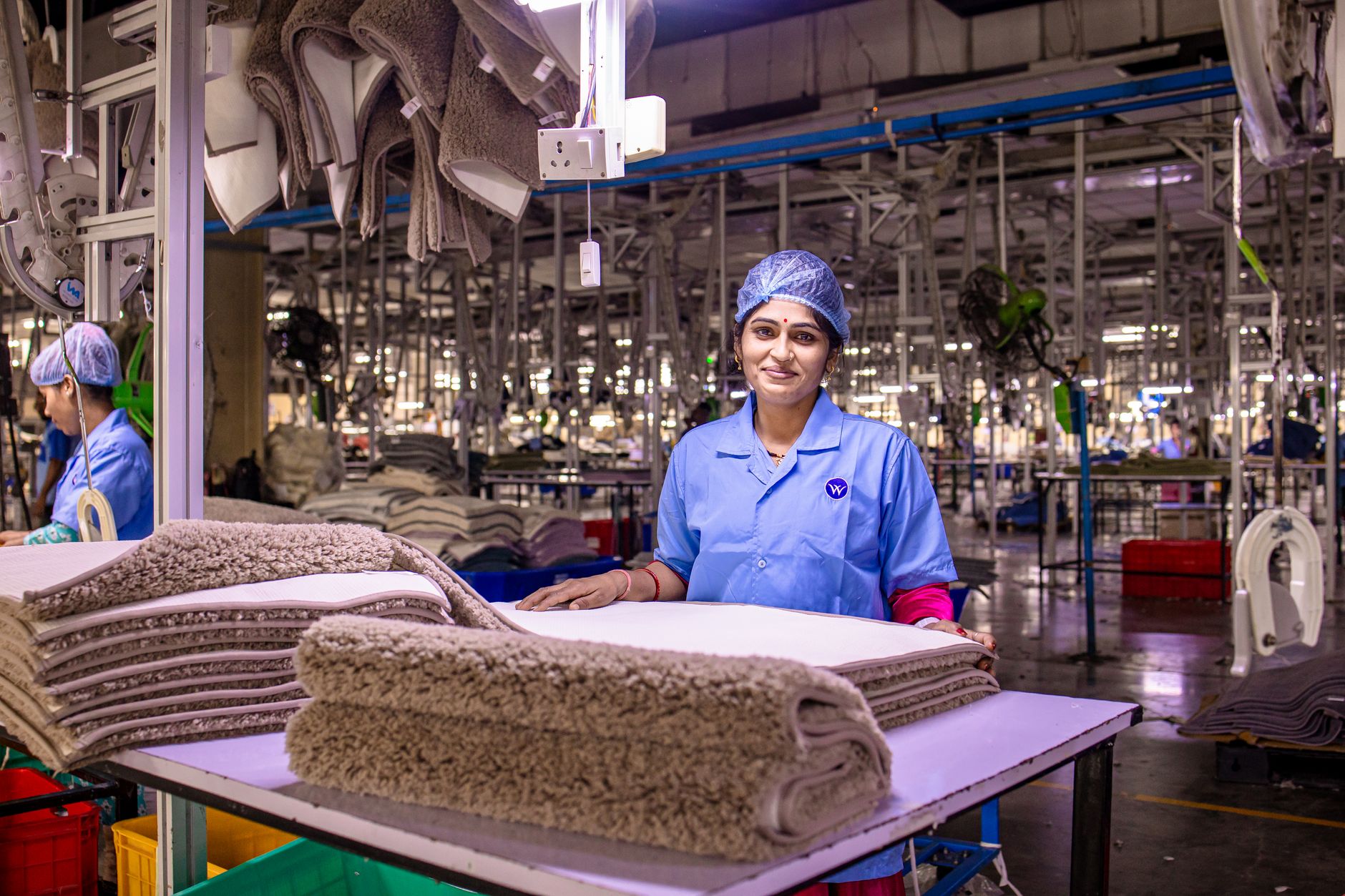
Staffing questions are where many reviews go wrong. A robot reduces repeated moves on fixed routes. It does not remove the need for people on the floor. The handler slot shifts toward exceptions, feed points, the queue and supervision, and that work still needs a trained person on each shift.
The worries below come up most often in plant reviews, with an honest answer to each.
What does the hours and labor picture look like at a molding plant?
The research did not verify plastics-specific data on overtime, night-shift share or sick days, and it found no verified hours per shift for handling tasks at molding plants. This page does not estimate those figures. What it does give is turnover context. According to Apollo Technical, citing BLS JOLTS data, manufacturing's 2025 separations rate was 2.4% and its quits rate was 1.4%, though those figures were not checked against the BLS release. A BLS-based summary puts the all-industry 2025 annual average total separations rate at 3.3%, unchanged from 2024.
For a molding plant, every departure leaves a gap someone must train over, and steady turnover keeps the handler slot from ever settling. A robot does not quit, but its route still needs supervision and a person for exceptions. Use your own turnover, overtime and absence records to size the gap, and set them against the government wage data on this page for this job.
How safe are forklift and material moving jobs?
According to the BLS chart on nonfatal injuries and illnesses by industry, manufacturing's 2024 total recordable case rate was 2.7 per 100 full-time workers, against 2.3 for private industry. According to Business Insurance, citing BLS, private-industry employers recorded 2.5 million nonfatal injuries and illnesses in 2024, down 3.1% from 2023. These rates cover manufacturing broadly, not molding plants or handling jobs, and the research found no 2024 manufacturing material-handling rate.
Forklift risk is why route control matters. According to an OSHA regional directive for FY2018, OSHA estimates about 85 forklift-related deaths a year and about 34,900 serious injuries, so those figures are dated. The same directive estimates that about 1.5 million workers operate more than 855,900 powered industrial trucks. A robot on set routes reduces mixed traffic, but it still moves loads through space people use, so guarding, marked aisles and a clear entry rule still apply.
How does a team work with an autonomous forklift?
The model is a robot plus fewer people on the handler loop, never zero people. OSHA's operator training rule for powered industrial trucks is 29 CFR 1910.178(l), effective March 1, 1999. It applies to people who operate those trucks. Ask your safety team how it applies to a robot in your aisles, and train everyone who works near the route on what the robot does and how to stop it.
In practice the handler's role changes from running every trip to owning exceptions, feed points and the queue. That means fewer hands on the loop, not no hands. Plan the shift so one trained person is always reachable and knows how to clear a stop. The timeline below is an example shift, not measured data.
What can an autonomous forklift not do?
The robot does not handle everything a material handler does. It works poorly with irregular loads, damaged pallets, mold setup, hands-on tool or insert work, and any task that needs judgment about what comes next. When its path is blocked it stops and waits for a person. It does not repair a pallet, and it does not decide which press needs material first when the schedule breaks down.
Layout is the other limit. Every change to aisles, staging or station positions means remapping and setup time, so a plant that reconfigures often spends more effort on the robot than one with a settled floor. Charging, battery planning and downtime need a plan too, and a backup route matters if a single unit covers a whole loop.
How do you get started with a site assessment and a lease?
Start with a free site assessment. We map the route, count moves by shift, check load types, aisle traffic and charging, and mark where a person must stay. The lease is quoted after that assessment and comes through financing, so no lease figure appears on this page. Deployment and integration follow, with staff training and go-live support, and service continues nationwide.
A common approach is to start with one route and one press line, measure gap time and exception load, and then decide whether to extend. That keeps the decision tied to your own numbers rather than national averages.
Frequently asked questions
Want an autonomous forklift at your plastics molding plant?
Tell us about your site. We will recommend the robot, quote the lease, and keep it serviced.
Sources
- US Bureau of Labor Statistics, Occupational Employment and Wage Statistics (OEWS May 2024)
- IBISWorld, number of plastic product manufacturing businesses in the US
- Data USA, NAICS 3261 plastics product manufacturing
- Michigan labor market news, industry focus on plastics and rubber
- BLS, nonfatal injuries and illnesses by industry chart
- Business Insurance, work injuries down in 2024 as reported from BLS
- OSHA regional directive on powered industrial trucks (FY2018)
- Apollo Technical, manufacturing separations and quits data
- BLS JOLTS summary, all-industry 2025 separations (secondary)