
The short answer
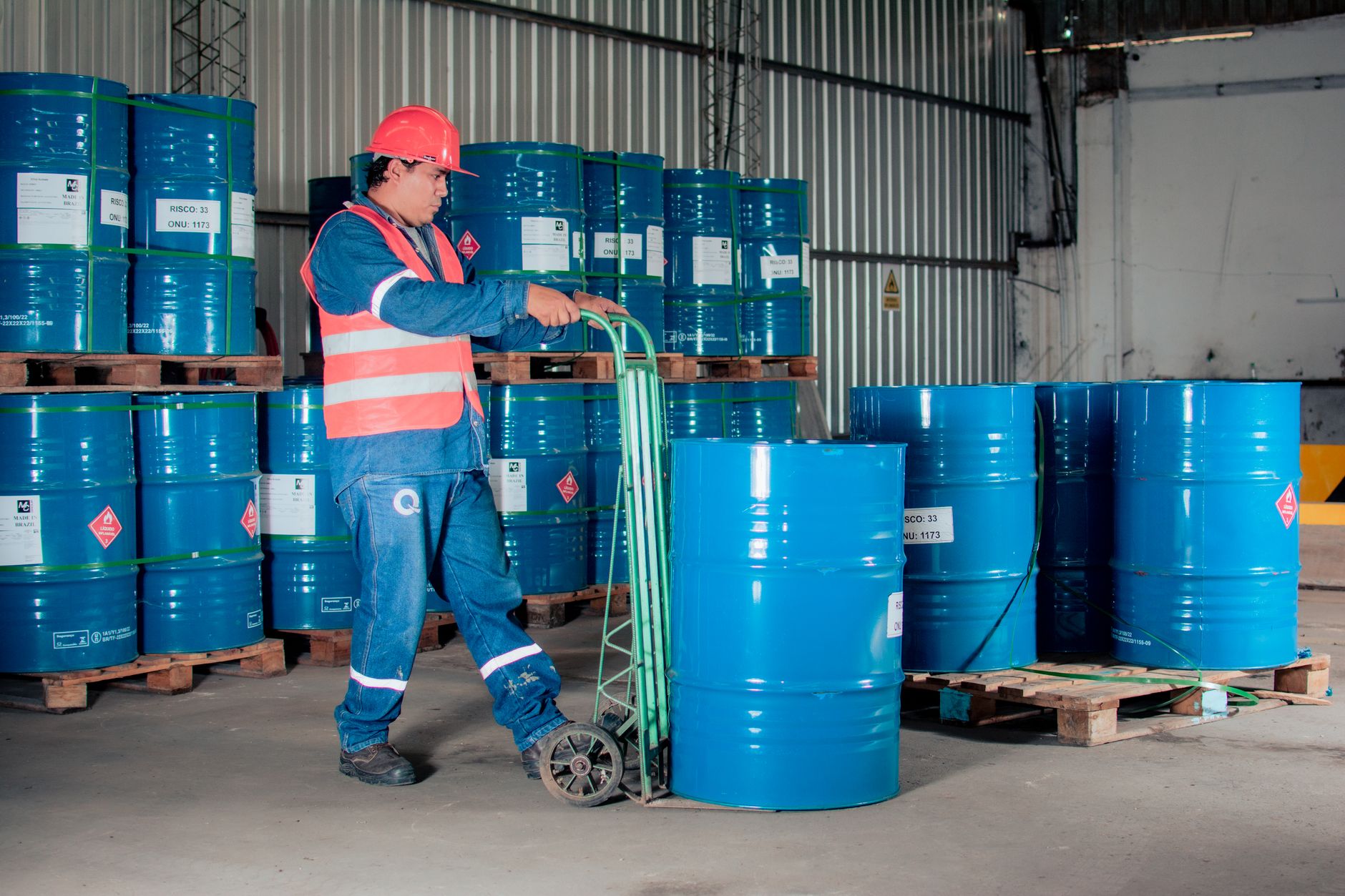
The autonomous forklift vs drum handler choice comes down to the load. An autonomous forklift makes sense when drums stay on pallets and move along fixed aisles between racks, staging lanes and dock doors, while a drum handler and a trained person still own tilting, bung work, spill response and any drum-level judgment. Most chemical sites that compare the two end up with a robot for steady pallet traffic and people for the drum itself, with fewer staff overall but never zero.
Key takeaways
- Palletized drum moves on fixed aisles are the strongest fit for an autonomous forklift.
- Loose drums, tilting, bung work and spill response stay with trained people.
- Wholesale trade data show first-year employees carry a large share of injuries, so onboarding matters as much as equipment.
- We did not find published drum-handling hour figures, so measure your own shift logs before deciding.
- The realistic model is a robot plus fewer staff, never zero staff.
Autonomous forklift vs drum handler: which fits a chemical warehouse?
The autonomous forklift vs drum handler question is really a question about the load. When drums arrive on pallets, stay on pallets and travel fixed routes between racks, staging lanes and dock doors, an autonomous forklift is a reasonable fit. The route repeats, the aisles are known, and the move does not depend on judging the drum's condition by hand.
It does not fit when the work happens at the drum itself. Single drums that must be tilted, upended, bunged, sampled or checked for leaks need a trained person with a drum handler or similar device. Sites with mixed freight, frequent aisle changes or irregular storage arrangements also tend to keep more human handling.
Most chemical warehouses end up with both. A robot takes the steady pallet traffic, and people with hand-level drum equipment handle everything that needs judgment at the drum. The right split depends on your own move counts, which is why a site assessment comes before any lease quote.
What does a drum handler actually do in a shift?
In a typical shift, a drum handler moves drums from receiving to staging, from staging to racks, from racks to pick locations, and from pallets to outbound trailers. Much of the day is short moves with stops, checks and paperwork in between. We did not find published data on how many hours chemical sites spend on this work, so treat any hour estimate as a placeholder until your own shift logs replace it.
Drum work also brings tasks that have nothing to do with travel. Operators compare labels and lot numbers against paperwork, look for leaks, staining or damage, and set aside any drum that needs a second look. Procedures may also allow resealing or overpacking. Those checks are where experienced people add the most value, and they are the hardest part of the job to hand to a machine.
Which drum tasks can an autonomous forklift take, and which stay with people?
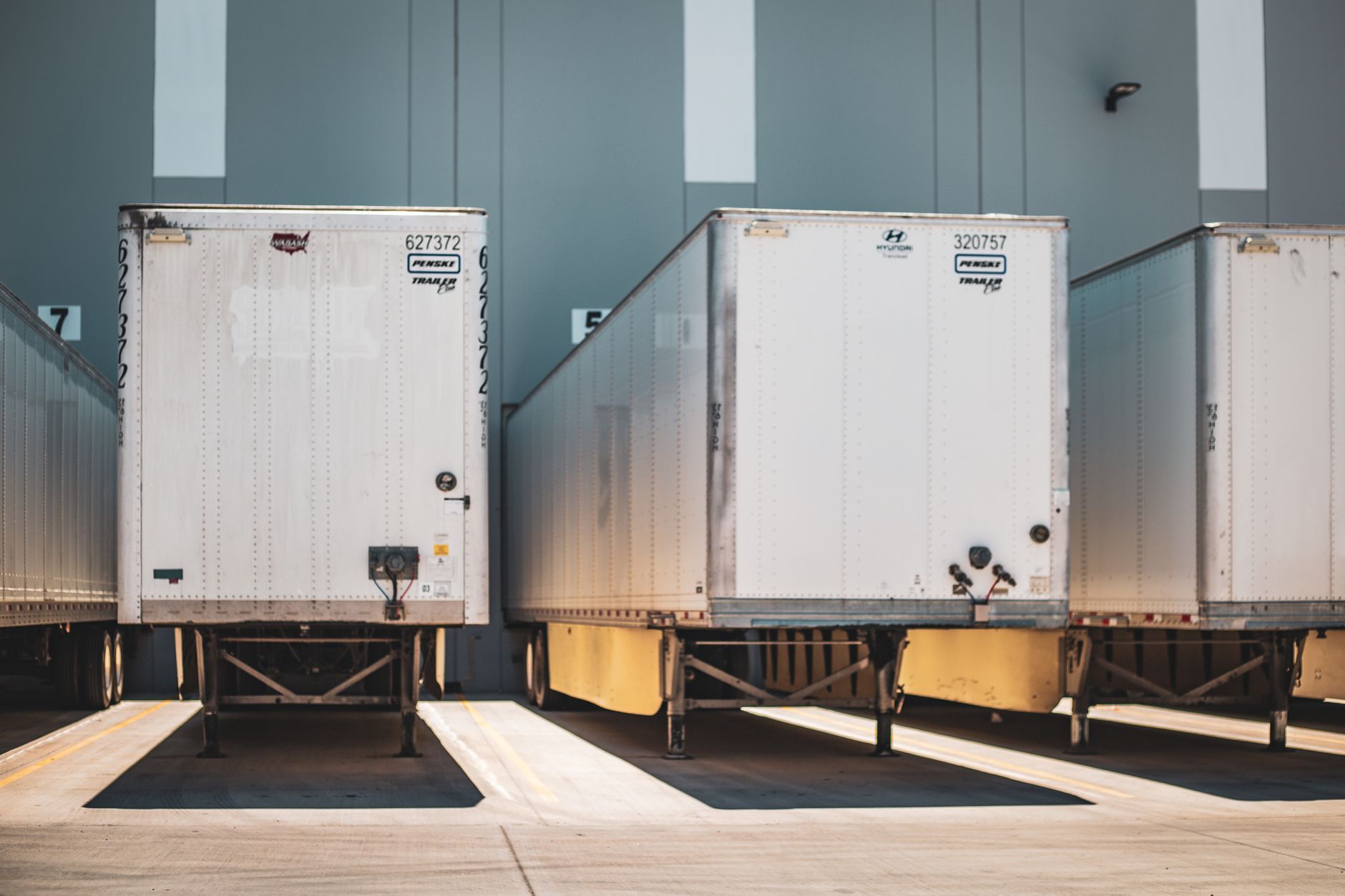
An autonomous forklift can take palletized drum moves that follow a mapped route: receiving dock to staging, staging to rack, rack back to dock, and pallet transfers between fixed zones. It handles the repetitive middle of the job, where the route never changes and the load arrives already unitized.
It cannot take the work at the drum. Tilting, bung work, sampling, spill response, handling a leaking or damaged container, and any decision about whether a drum is safe to move all stay with trained people. The robot does not check labels or paperwork, so drums must reach it already identified and staged correctly.
- Palletized moves on fixed routes
Autonomous Forklift
Repeats a mapped route the same way each time
Drum Handler
Adapts quickly when a route changes or a pallet is out of place
- Night and overtime coverage
Autonomous Forklift
Runs on the schedule the site sets, with staff overseeing the fleet
Drum Handler
Needs shift scheduling, overtime and call-outs to cover gaps
- Drum condition checks
Autonomous Forklift
Cannot judge leaks, bulging or labels
Drum Handler
Trained staff inspect and set aside drums that need review
- Tilting, bung work, sampling
Autonomous Forklift
Not a suitable task
Drum Handler
Trained staff with the right handling device
- Spill response
Autonomous Forklift
Stops and alerts staff
Drum Handler
Trained staff respond under the site procedure
- Changing layouts
Autonomous Forklift
Needs a remap before a new layout works
Drum Handler
Adjusts within the shift without reprogramming
What do the labor numbers say about drum and pallet work?
Chemical wholesale is a small, specialized corner of the economy. According to naics.com, a third-party listing for NAICS 4246, chemical and allied products merchant wholesalers, counts about 12,755 US business entities, though the listing does not state a year. According to the Bureau of Labor Statistics Occupational Outlook Handbook, about 6.95 million people worked as hand laborers and material movers in 2024, with projected growth of 4% from 2024 to 2034 and about 1,008,300 openings a year on average. The Handbook does not break out turnover for this group, so those openings are the best public signal of how often roles need filling.
For industrial truck and tractor operators, a wage data site citing BLS OEWS estimates about 805,770 people employed in May 2024. The same summary projects a change of 1.1% from 2024 to 2034, a net gain of about 9,100 jobs, and about 76,400 openings a year. Net growth that small against that many openings points to replacement hiring, which means training new people is a recurring cost, not a one-time one.
Night and overtime patterns are where we would look first at your site. Public data do not give turnover or overtime rates for chemical distribution specifically, so your own schedule records should show how often drum moves are covered by overtime, night crews or call-outs.
How do injury rates shape the decision?
According to Modern Distribution Management, first-year employees make up 37% of wholesale trade injuries. That is a headline finding, and we have not reviewed its full methodology, but it points to onboarding as the place where drum sites most often lose ground.
The Bureau of Labor Statistics reports 2.5 million nonfatal injuries and illnesses across private industry in 2024, down 3.1% from 2023, with days-away-from-work cases at 86.6 per 10,000 full-time equivalent workers. Those are all-industry figures, so they set the backdrop rather than a rate for a chemical warehouse. Washington State's 2024 data put wholesale trade at a total recordable rate of 3.1 and a days-away or restricted rate of 2.3 per 100 full-time equivalent workers, which gives one regional view of wholesale risk.
OSHA's powered industrial truck training rules require each operator to be evaluated at least once every three years, and refresher training after a crash, a near miss or an unsafe operation. Older OSHA estimates cited by a safety site put the number of workers who operate powered industrial trucks at about 1.5 million, with about 85 forklift fatalities and about 34,900 serious injuries a year. Those figures are dated, but they show why forklift risk stays a priority whether a person or a robot is driving.

How does a team work with an autonomous forklift?
The realistic model is a robot plus fewer staff, never zero. The robot covers pallet traffic on fixed routes, which frees experienced people for drum-level checks, exceptions and dock coordination. Staff still own the site, the safety procedures and the response when something goes wrong.
Crew roles usually shift rather than disappear. Someone must stage drums correctly, clear blocked routes, watch the fleet and handle the rare move that falls outside the mapped path. Those duties need training in how the robot stops, yields and signals, not just training in the chemicals, so the people working beside it know what to do.
We handle that groundwork. We assess the site, map the aisles, integrate the robot with your existing processes, train your staff, and service the unit nationwide, so your team can focus on the drums.
What can an autonomous forklift not do?
It cannot replace judgment at the drum. A robot does not inspect drums for bulging, staining or leakage with the care a trained handler brings, and it should never be the thing that decides a drum is safe to move. Spill response, sampling, bung work and tilting remain people jobs.
It is also limited by the floor. Blocked aisles, pallets stacked outside the mapped zone, damaged racking, and wet or cluttered floors can stop a unit or force a detour. Layout changes need a remap, so a site that reconfigures aisles often needs more planning than one that does not.
The robot will not fix a poor staging habit. If drums arrive loosely stacked or mislabeled, the robot moves the problem faster. Clean inbound processes come first, and the robot only pays off once they are in place.
How are lease costs and payback decided?
We do not give a lease quote from a web page. The fixed lease payment depends on the number of units, the route length, the floor and how many moves a shift actually makes, so a free site assessment comes first. Robots are only leased through financing, and the payment is quoted in writing after that assessment.
Payback is about hours covered and risk reduced, not sticker comparisons. Look at how many drum moves run in a week, how often overtime or night coverage fills the gap, and how much staff time goes to repetitive travel instead of drum checks. Those three inputs drive most of a credible payback view for an autonomous forklift vs drum handler decision.
Service matters as much as the lease. A unit that sits idle during a shift costs the site more than the lease on a bad day, so ask how fast a technician responds, what backup coverage exists and who answers when something breaks. We provide service nationwide.
How do you get started with an autonomous forklift at a chemical warehouse?
Start with a site assessment rather than a demonstration. We map aisles, dock doors and staging zones, count pallet moves per shift, and mark every drum task that needs a person. That output shows whether a single unit fits and where it would run.
Pilot one unit on one repeatable route before scaling. Train the people who will work beside it, set exception rules for drums and blocked aisles, and agree on who responds to alerts. Track the same logs you used at assessment so results compare against your own baseline.
Expect a phased rollout with a go-live period rather than a same-day switch. Your safety lead should review how OSHA's powered industrial truck rules apply and document training, including refresher triggers after any crash, near miss or unsafe operation. The lease quote follows the assessment and should reflect the route and training plan you agreed to.
Frequently asked questions
Want an autonomous forklift at your chemical distribution warehouse?
Tell us about your site. We will recommend the robot, quote the lease, and keep it serviced.
Sources
- Bureau of Labor Statistics, Occupational Outlook Handbook: Hand Laborers and Material Movers
- NAICS.com, NAICS 4246 Chemical and Allied Products Merchant Wholesalers
- OSHA, Powered Industrial Trucks Training
- Bureau of Labor Statistics, Number and Rate of Nonfatal Work Injuries and Illnesses by Industry
- SafetyNow, Powered Industrial Trucks (Forklifts) Stats and Facts
- Wagedex, Industrial Truck and Tractor Operators
- Modern Distribution Management, First-Year Employees Comprise 37% of Wholesale Trade Injuries
- Washington State Department of Labor and Industries, 2024 Survey of Occupational Injuries and Illnesses