
The short answer
An autonomous forklift vs forklift operator choice at a steel service center usually favors the robot for steady pallet transfers on fixed routes between receiving, storage and load-out, and for coil moves that match the unit's clamp and load rating. A trained operator still makes sense for yard work, irregular truck loading, damaged or oversize loads and any move that needs judgment. Count the predictable moves per shift and verify the coil handling specifics before deciding, because those two checks settle most of the case.
Key takeaways
- An autonomous forklift fits repeatable pallet and skid runs on fixed routes, not every coil move.
- Coil handling depends on clamp, load rating and floor condition, so verify each one before scoping.
- Keep one trained operator per shift for cranes, trucks, damage checks and yard work.
- Measure overtime, unfilled night shifts and moves per shift before comparing against the lease quote.
- The lease quote follows a free site assessment, not a catalog figure.
Autonomous forklift vs forklift operator at steel service centers: which makes sense?
An autonomous forklift vs forklift operator choice at a steel service center usually comes down to how predictable the moves are. The robot fits steady pallet transfers on fixed routes between receiving, storage and load-out, and coil moves that match its clamp and load rating. A forklift operator fits a shift full of exceptions, such as irregular truck loading, damaged packaging, oversize loads, crane handoffs and yard work in bad weather. Most steel service centers run both kinds of work, so the real question is which moves a robot can take safely while trained people cover the rest.
The robot makes sense when you can name the routes. If the same receiving bay feeds the same storage rows and the same load-out dock, the path can be mapped and the moves queued in advance. It also makes sense when night or weekend coverage is hard to staff, because queued moves do not depend on finding a qualified operator for every shift. A site assessment checks the floor, route lengths and coil weights before anyone commits to a scope.
The robot does not make sense as the only answer. A unit that moves pallets well may not handle every coil, since coil work depends on clamp type, rated capacity and floor condition. Yard work, truck loading with strapping and any task that needs judgment still need a trained person. Treat the robot as a way to take predictable transfers off people, not as a way to run the building with nobody on the floor.
What does a forklift operator actually do in a shift at a steel service center?
Counts of these businesses are dated. According to IBISWorld, an older estimate put US metal wholesale locations at about 9,900 in 2011, run by about 6,500 companies, down from about 11,000 locations in 2002. That group includes service centers and other metal merchants, so treat it as a rough guide. We did not find an up-to-date national count for service centers alone.
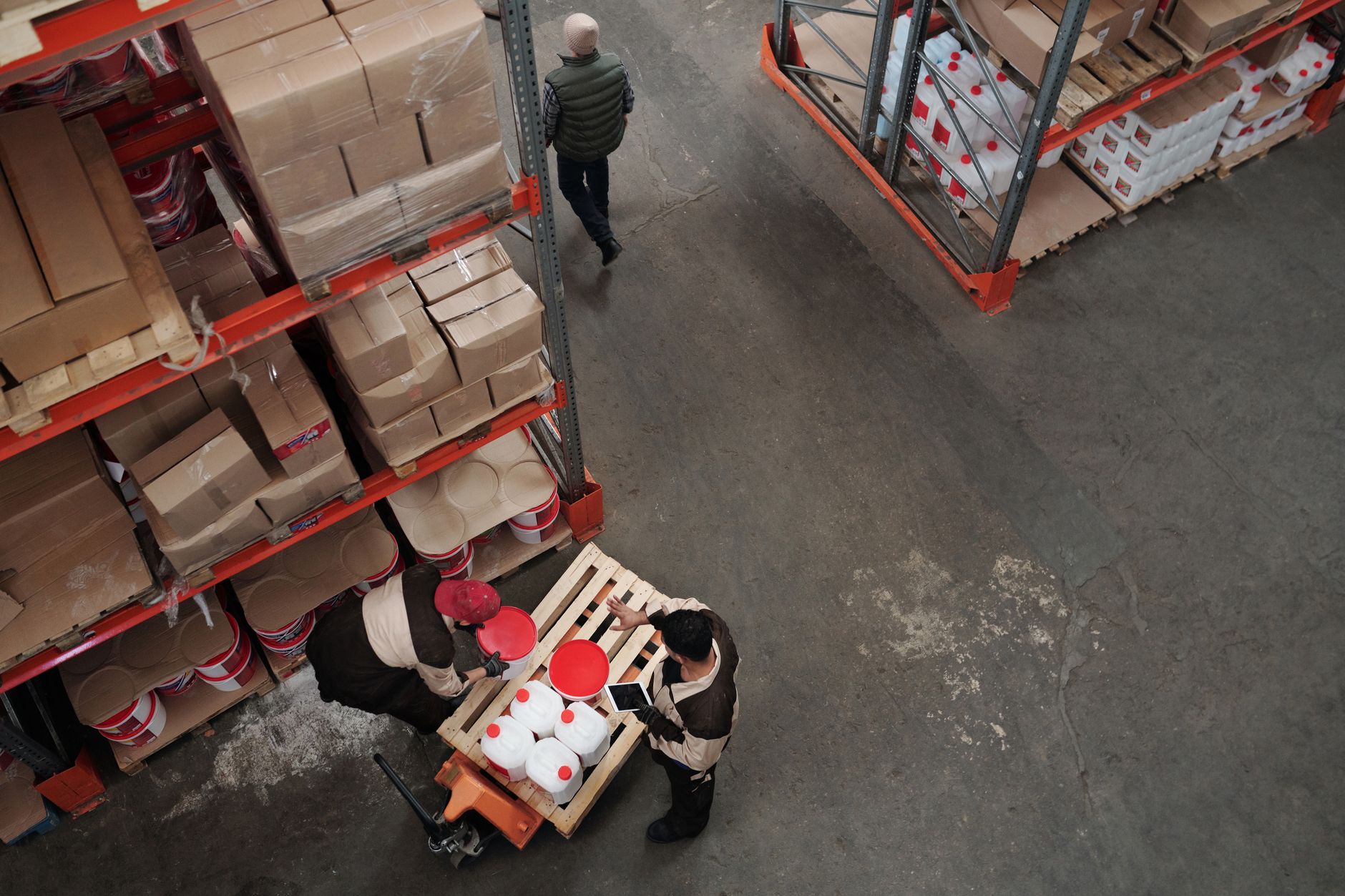
A typical operator shift covers a few recurring jobs. The operator unloads inbound coils and sheet bundles from mill trucks, moves them into storage bays or racks, and pulls orders for the processing line. Material is then staged at the line for cut-to-length or slitting work, finished pallets go to the load-out dock, and outbound loads are built with strapping and dunnage. Scrap and packaging skids also need moving, lanes must stay clear for the crane, and forks, clamps and tires get checked at the start of the shift.
Much of that is repetitive, but not all of it. The operator reads the paperwork, catches a damaged coil wrap, decides where a load fits and calls the crane operator when a move crosses into the crane zone. Those calls depend on judgment that a robot does not supply on its own, which is why most sites keep a trained person on the floor.
Which coil and pallet moves can an autonomous forklift take, and which can it not?
The moves a robot takes well are the repeatable transfers. Those include pallets and skids between receiving and a storage bay, empty skids and packaging returned to a staging point, finished pallets from the line to the load-out dock, and standard runs between two fixed points. These trips follow a route, start from a queued list and end at a known spot, which is the pattern autonomous units are built for. They are also easy to time, so the site can compare hours before and after.
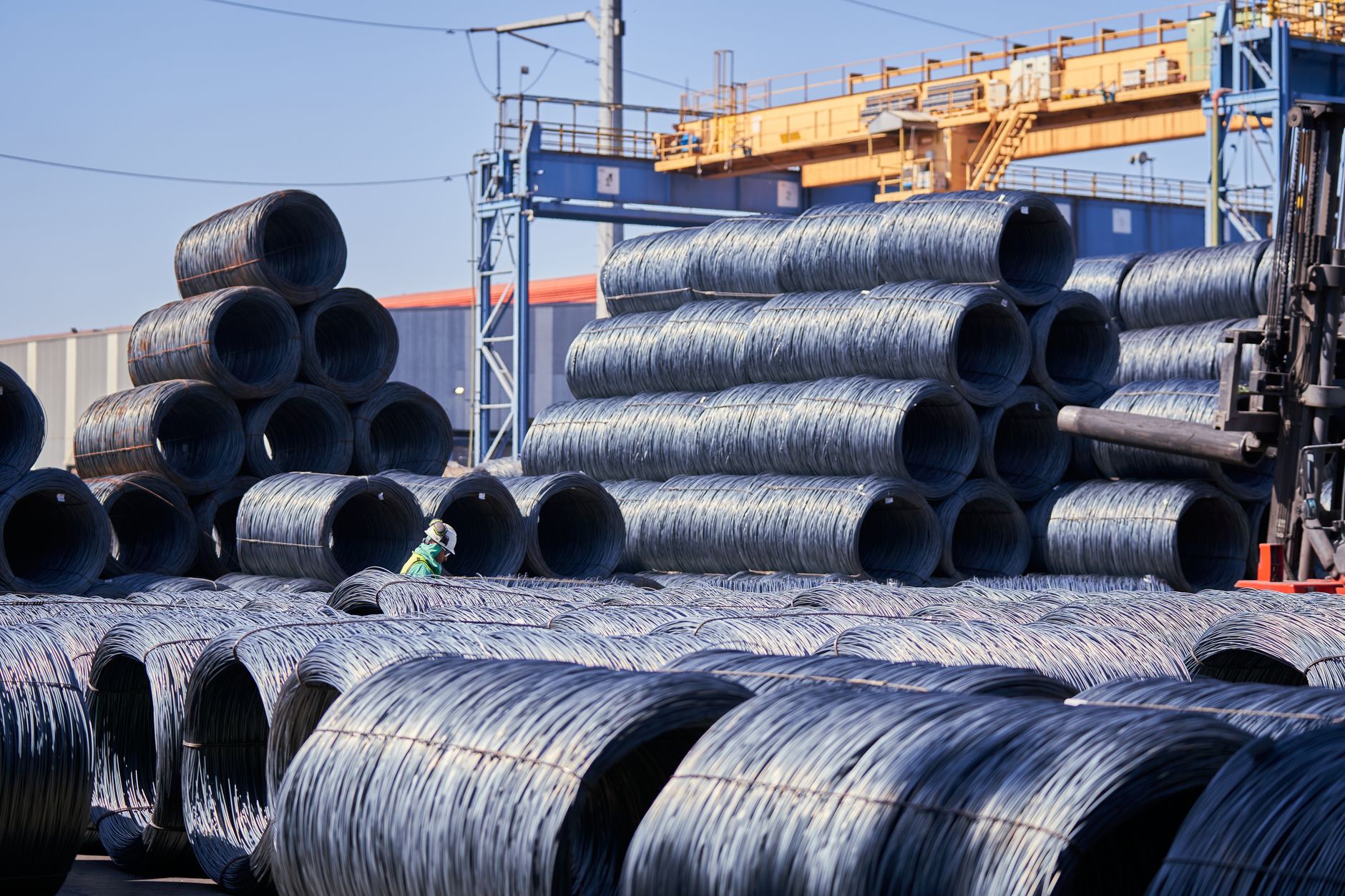
Coil handling is where the answer depends on specifics. Coils are heavy and round, often stored on edge or in cradles, and the move needs a matching clamp or attachment, a load rating that covers the coil weight with margin, and a floor that holds up under a loaded unit. Confirm all three before counting coil moves in scope. A unit that handles pallets well may still be wrong for the coil clamp you run, so check each coil type on its own.
Some of the job stays with people. Strapping and banding outbound loads, loading trucks to the bill of lading, inspecting coil wraps for damage, handling leaks and spills, placing dock plates and working the yard in rain or ice all need someone who can see and decide. The robot can bring the load to the dock. A person confirms it is safe to load.
- Route repeatability
Autonomous Forklift
Strong on fixed routes between receiving, storage and load-out
Forklift Operator
Adapts when a route is blocked or a bay is full
- Coil handling
Autonomous Forklift
Only with a matched clamp, rated load and suitable floor, verified first
Forklift Operator
Handles coils of mixed sizes and spots damage with a trained eye
- Night and weekend coverage
Autonomous Forklift
Runs queued moves without a shift plan built around one hire
Forklift Operator
Needs a scheduled, trained operator, which is hard to staff at night
- Exceptions and damage
Autonomous Forklift
Stops and calls for help; cannot judge the load on its own
Forklift Operator
Spots damaged wrap, shifted loads and bad paperwork
- Crane and yard coordination
Autonomous Forklift
Limited; needs mapped zones and written handoff rules
Forklift Operator
Calls the crane operator and works outdoors in weather
- Consistency per trip
Autonomous Forklift
Same speed and path on every trip
Forklift Operator
Pace varies with fatigue, absences and shift changes
How much labor is at stake, and what does the workforce data show?
The occupation is large and steady. An aggregator summary of Bureau of Labor Statistics data puts employment of industrial truck and tractor operators at about 805,770 in May 2024. Wagedex, summarizing BLS projections, shows about 1.1% employment growth from 2024 to 2034, about 9,100 net new jobs and about 76,400 annual openings including replacement hiring. Because net new jobs are a small share of those openings, most of the hiring work is replacement hiring, and it never stops.
Turnover is where the staffing pressure shows up. The Instawork 2025 State of Warehouse Labor report, a vendor document, says most respondents reported turnover under 10%, yet forklift operators, pick and pack workers and shift leads were the hardest roles to staff. Fountain, also a vendor, makes a related point: a 35% company-wide turnover rate can hide night shifts running at about double that rate. For a service center with a night shift, the average figure understates the problem on the shift where a robot matters most.
We did not find published overtime, sick-day or turnover figures specific to steel service centers in this research. Measure the picture on your own floor: overtime hours on forklift roles, shifts left unfilled, absences by shift and moves per night. Those numbers decide the case better than any industry average.
Is an autonomous forklift safer than a person on the floor?
Forklifts carry real injury risk. The National Safety Council, citing BLS data, reports 84 work deaths from forklifts in 2024. Its figures for 2023 and 2024 combined include 25,110 cases with days away, restricted or transferred work, and 15,460 cases with days away from work. These are all-industry numbers, not steel-specific ones, but the moves in a service center are the same kinds of moves.
An older OSHA estimate, as cited by Forklift Action, says about 1.5 million workers operate over 855,900 powered industrial trucks, with about 35,000 serious and 62,000 non-serious forklift injuries per year. That is secondary and dated, so use it for scale only. Taking a repeatable move away from a person removes that person from exposure on that move, but people still share the building.
The safety case is about exposure, not perfection. A robot does not get tired or rush a turn. The risk moves toward pedestrians, crossing paths and the yard, so route design has to keep people out of robot lanes and mark the crane zone clearly. A safer site separates robot routes from foot traffic. It does not rely on the robot to work alone.
How does a team work with a robot on the floor?
The working model is always a robot plus fewer staff, never zero staff. The robot takes the queued pallet and skid runs, and one trained operator stays on each shift for crane handoffs, truck loading, damage checks, yard work and exceptions. The person moves from driving every trip to supervising the queue, which is the part of the job that is hardest to fill at night.
This changes roles more than headcount. Lead operators spend time on the queue, the route map and the exception log instead of the forklift seat. Receiving staff check paperwork at the dock so the robot gets a clean move. The team agrees on who clears a blocked route and who calls the service line, so a stopped unit does not idle a bay for hours.
Plan the handoffs in writing before go-live. Decide which moves the robot starts, who confirms a coil is cleared for a route, who releases a hold and what happens when the robot stops. Early weeks show where handoffs are unclear, so training should be built around those handoffs.
What can an autonomous forklift not do at a steel service center?
It cannot judge a load it was not set up for. A robot runs the route it was given with the load it was rated for. It will not spot a damaged coil wrap, a shifted load or a bad tag unless a person or a sensor flags it, and it cannot read a bill of lading, decide that a truck is loaded wrong or sign for a shipment.
It cannot work outside its mapped zones. Yard work in mud, ice or uneven pavement, dock plates, trailers that are not parked squarely and work around rail or coil cars all fall outside a clean indoor route. Overhead crane handoffs need a clear rule for who moves first. Shared lanes with hand trucks, carts and people need routes that keep those paths apart.
It cannot repair itself on the floor. When a unit stops, a person has to clear the path or call for service. A backup unit plan matters for any line that depends on those moves. Ask how remote triage works, how on-site dispatch is scheduled and whether a spare unit covers repairs. Those answers matter more than any feature list.
What does it cost to lease an autonomous forklift, and when does it pay back?
We lease the robot through financing, so the decision rests on a fixed lease payment rather than a large upfront outlay. The payment comes in a quote after a free site assessment, because route length, coil weight, floor condition and shift hours change both the scope and the work the robot takes over. We do not quote from a brochure, and we do not quote before we have seen the floor.
Payback is a comparison between the lease and what the robot takes off your plate: overtime on forklift roles, shifts left unfilled, night coverage you cannot staff and time spent covering absences. Compare those against the lease quote for the same period. A site with heavy night forklift overtime will reach one answer, and a site with steady day staffing will reach another.
Include the cost of stopped time. A bay that sits idle while a unit is down still carries its labor cost, so response time, remote triage and spare unit coverage belong in the comparison alongside the lease itself.
How do you get started with an autonomous forklift pilot at a steel service center?
Start with the site assessment. We map the floor, measure route lengths, record coil and pallet weights and log moves by shift. That data sets the lease quote and the pilot scope. A pilot starts with one unit on the most repeatable route, usually receiving to storage or line to load-out, so the team learns the handoffs before the robot takes more work.
Adoption varies widely across the industry. According to Logistics Management's summary of the 2025 automation survey by MHI, nearly half of surveyed firms reported active robot deployments. A pilot lets you test your own floor before deciding how far to go.
After the pilot, we integrate the unit with your warehouse workflow, train operators and leads, and provide go-live support. Service runs nationwide, with remote triage, on-site dispatch and spare unit coverage for stopped units. Our integration is vendor neutral, so we choose the right robot for your site rather than working from a fixed catalog choice.
Frequently asked questions
Want an autonomous forklift at your steel service center?
Tell us about your site. We will recommend the robot, quote the lease, and keep it serviced.
Sources
- Bureau of Labor Statistics, industrial truck and tractor operators (OEWS)
- Wagedex summary of BLS employment projections, industrial truck and tractor operators
- National Safety Council Injury Facts, forklifts
- OSHA estimate as cited by Forklift Action
- Instawork 2025 State of Warehouse Labor report
- Fountain, warehouse turnover rate analysis
- IBISWorld, metal service centers and other metal merchant wholesalers
- Logistics Management, 2025 automation survey summary