
The short answer
The autonomous forklift cost for steel service centers depends on what the site has to move: coil weight sets the lifting spec, outdoor yard space and surfaces set the travel spec, and dock throughput sets how many moves each shift demands. Shift pattern, mapping, integration with inventory and dock systems, the number of units and service coverage then shape the lease quote. No single figure fits every yard, so the quote follows a free site assessment.
Key takeaways
- Coil weight and lift height set the forklift spec before anything else.
- Outdoor yard surfaces, grades and travel distances change the spec as much as the load does.
- Dock throughput and shift pattern decide how many units and how much service coverage the site needs.
- Mapping, integration and training are the costs teams most often leave out of the first conversation.
- A lease quote comes after a free site assessment, with the fixed lease payment and scope written out.
What is the autonomous forklift cost for steel service centers?
For a steel service center, the autonomous forklift cost for steel service centers starts with the work, not with a catalog figure. Coil weight sets the lifting spec, outdoor yard space and surfaces set the travel spec, and dock throughput sets how many moves the site needs each shift. Two plants with the same floor area can land on machines with a much wider spread in spec and quote.
We do not give a number from a web page. The lease quote is a fixed lease payment set after a free site assessment, and it reflects the spec, the number of units, the route map, integration with your systems, training and service coverage. The figure belongs to your yard and your dock, which is why we measure them first.
How does work flow through a steel service center?
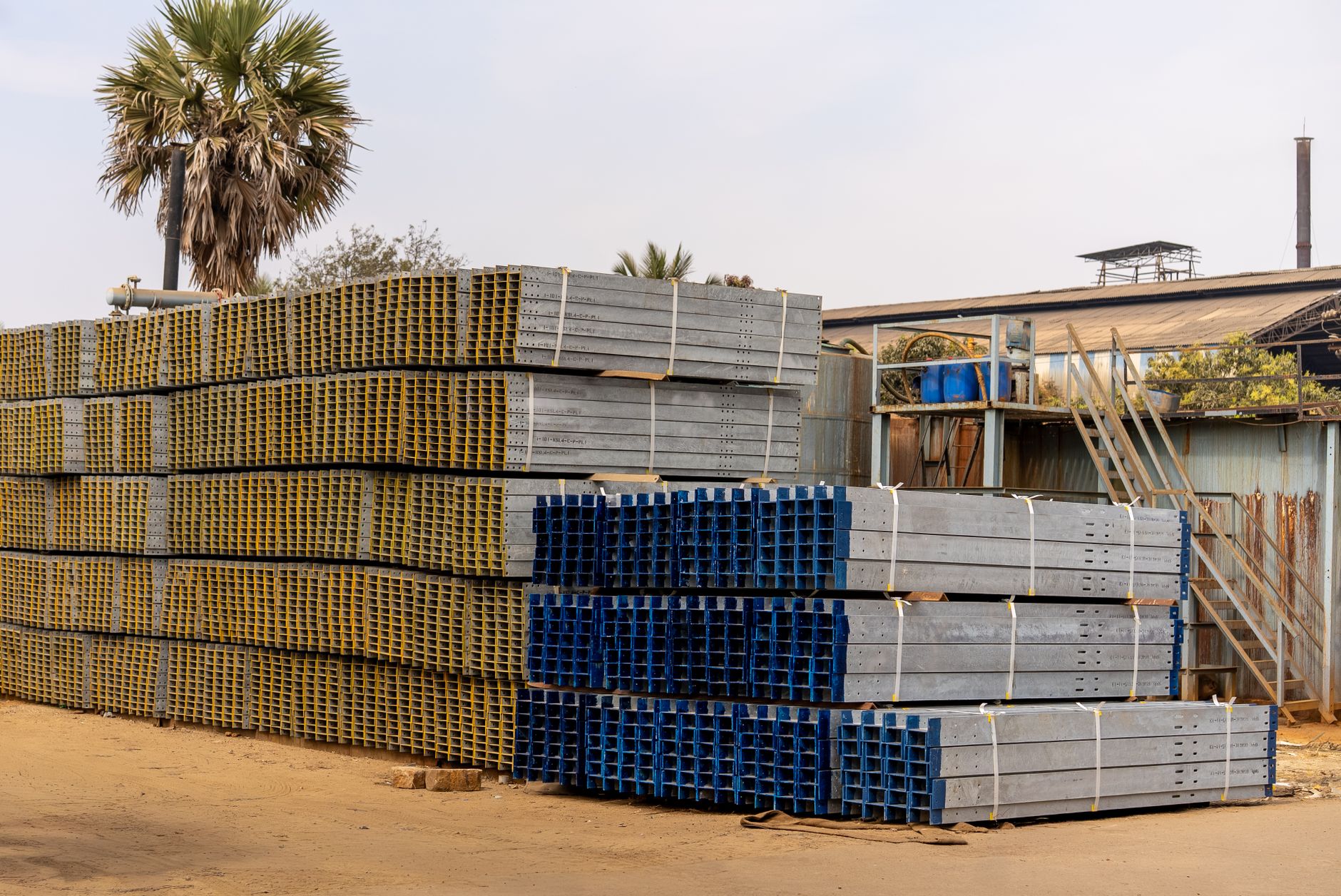
Steel arrives by truck and sometimes by rail, goes into storage, moves to processing equipment such as slitters, levelers or shears, and then leaves on outbound trucks. Each of those moves is a forklift job, and most of them repeat on every shift. Repetition between fixed points is the pattern autonomous units handle best, because they run mapped routes between set stops.
Shipment volume moves the timing of that work. According to MSCI as reported by SteelOrbis, US service center steel shipments were up 0.6 percent year over year in November 2025, and down 1.5 percent year over year in December 2025 on a seasonally adjusted basis. According to Steel Market Update, reporting MSCI data, US service center steel shipments were down 1.4 percent in January 2025 from January 2024. Swings like these mean the route plan has to handle peak days, not only averages.
The count of these sites is old. A 2013 Metal Center News overview of Census-based figures from 2003 listed about 11,975 metals service center establishments, of which 5,840 were ferrous. We did not find an up to date national count, so treat that number as a dated reference and check the local supply base before relying on it.
Adoption across the wider sector is still limited. According to GlobeST in March 2026, AMRs and AGVs are found in roughly 10 to 15 percent of facilities. That share covers all facility types, so it says little about steel yards specifically, but it shows the category is still early in most sites.
Which factors move the cost up or down?
Coil weight is the first spec. Heavier coils need a higher rated capacity, a stronger carriage and often a taller or heavier mast, while a lighter duty unit working narrower bays can be specified more simply. Lift height matters at truck doors and in tall storage, and it changes the mast and the stability margin the unit needs.
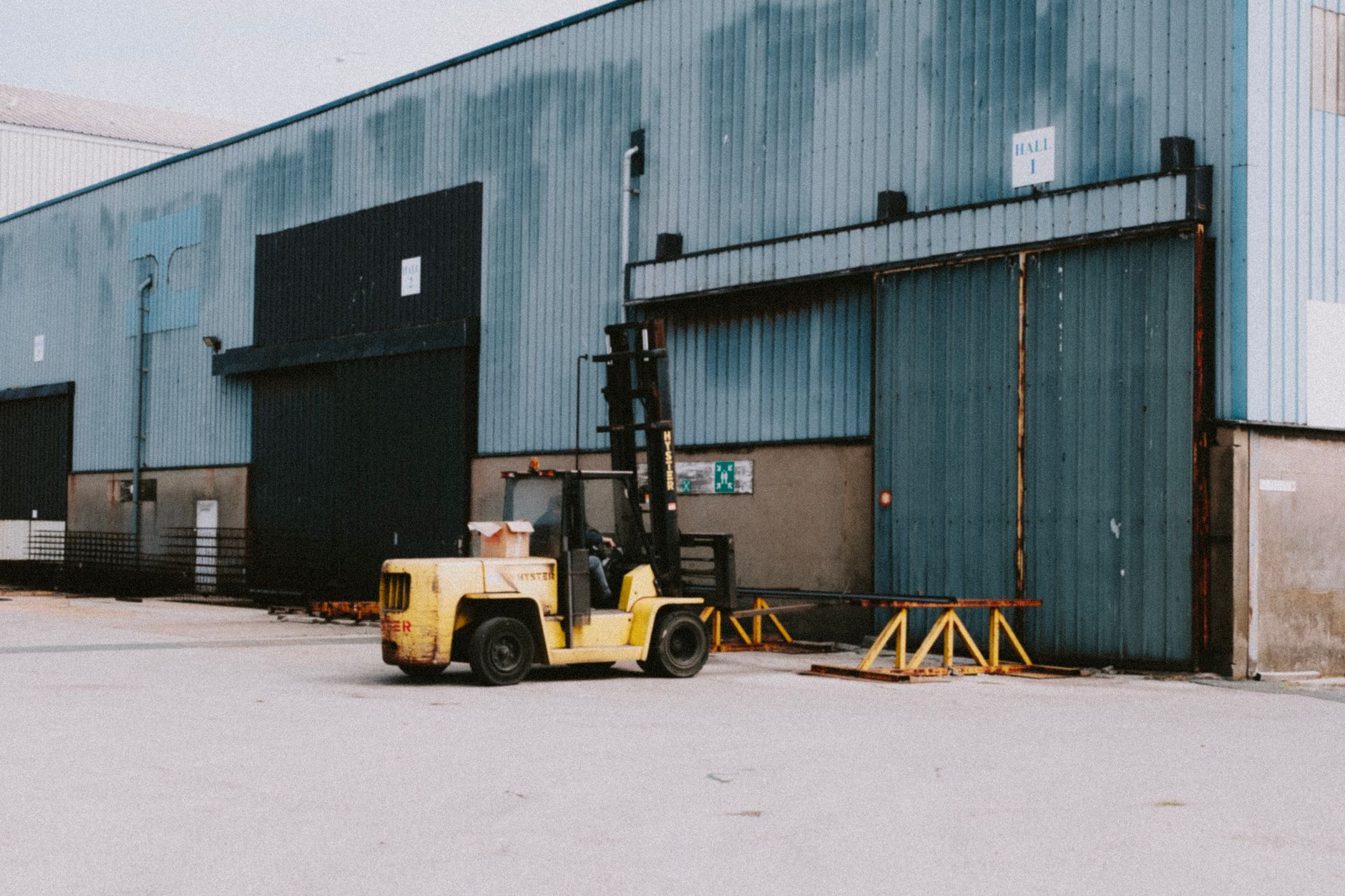
Outdoor yard space is the second spec. Gravel, wet concrete, cracked paving, slopes, drainage low points and rail spurs all change wheel choice, sensor setup and charging plans compared with a level indoor aisle. A large open yard needs more mapping time and more charging points. A small, flat, covered yard usually needs much less.
Dock throughput and shift pattern set the number of units and the service coverage. A site that moves coils through a few doors on one day shift needs fewer units than one that loads trucks across multiple shifts. Peak truck windows, pedestrian walkways, crane lanes and shared aisles add route limits, and some of them add a second safety layer.
Mapping, integration, the number of units and service close out the spec. Mapping the yard and bays takes survey time, and every layout change means a map change. Integration with your inventory or dock scheduling system adds interface work. More units raise the total lease, but a second unit on a busy route can reduce the effect of a single fault.
How much labor does this work take up?
According to the BLS Occupational Outlook Handbook, about 867,700 material moving machine operators were employed in 2024, and 792,500 of them were industrial truck and tractor operators. The same source projects 1 percent growth from 2024 to 2034, with about 83,200 openings per year.
We did not find published staffing levels, turnover or hours per shift for steel service centers. The BLS figures cover all material moving operators across the country, so they show the size of the labor pool, not how many people your yard needs. Hour counts for your site come from measurement during the assessment, and they go into the quote beside the robot's route time.
The work the unit takes over is the repeated part. Operators spend shift time moving coils between the same points, waiting at doors and returning empty cradles. Moving that travel to a unit on set routes leaves people on work that needs judgment, such as coil inspection, damage checks and exception handling.
Is working near autonomous forklifts safe, and what do injury figures show?
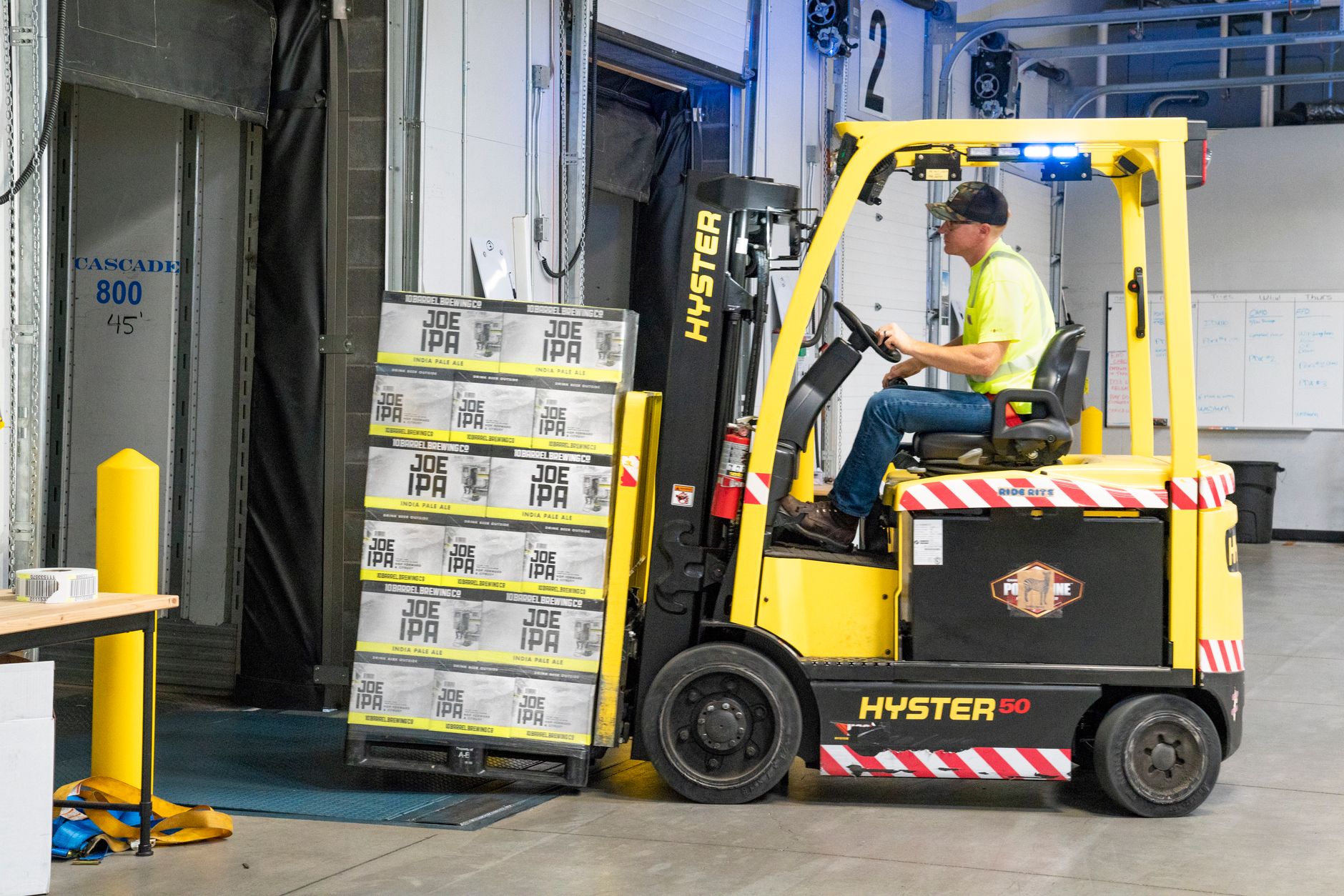
Powered industrial trucks are a serious hazard at any site. An older OSHA estimate, quoted in the agency's regional directive on powered industrial trucks, cites about 85 forklift fatalities and about 34,900 serious injuries per year. The same directive estimates that about 1.5 million workers operate more than 855,900 powered industrial trucks.
According to a safety industry summary that attributes its figures to OSHA, forklifts were involved in 78 work-related deaths and 7,290 nonfatal injuries with days away from work in 2020. Forklift Action, citing BLS data, reported 75 to 94 workers killed per year in forklift incidents from 2011 to 2017. These are all-industry figures, and we did not find steel service center injury rates.
Taking repeated travel off people does not remove every risk. Pedestrians, load shifts and yard traffic still need a plan. The site assessment checks routes, walkways and pedestrian crossings before a unit runs, and any gap goes into the quote as a scope item.
How does leasing through financing work, and what does the quote include?
We lease the robot through financing, so the cost arrives as a fixed lease payment for an agreed term rather than one large equipment outlay. That keeps capital free for other projects and gives planning a steady line. The term, the payment and the scope are set after the site assessment, not before it.
A complete quote names each part of the lease. It should list the following.
Lease financing is a question for your accountant as much as for us. How the lease is booked and what it does to your balance sheet depends on your business, so have that conversation before the quote is final, using the quote's exact terms.
- The unit or units specified for your site
- The lease term and the fixed lease payment
- Deployment and integration scope
- Mapping and software, including how map changes are handled
- Operator training
- Nationwide service and response commitments
What can an autonomous forklift not do?
It runs planned trips between mapped points. It does not decide on its own that a coil is damaged, a strap is loose or a truck is parked in the wrong door, so a person still inspects and clears those exceptions.
Yard conditions set its limits. Standing water, ice, badly graded or broken paving and unmapped obstacles can stop a unit or force a detour. Those conditions often drive a higher spec or a site fix, so they belong in the assessment, not after go live.
Coil handling has limits too. Non-standard loads, damaged packaging, unusual coil shapes and loads that do not sit squarely on the forks need a human decision, and some moves will stay with a manual truck. A sound site plan keeps those moves with operators and sends the repeated moves to the unit.
How do I get a quote for an autonomous forklift?
Start with a free site assessment. We walk the yard, dock doors and processing lines, measure travel distances and lift heights, and note traffic, pedestrian crossings and any spot where the surface changes.
Bring what you already have: coil weight ranges, daily coil moves, door count, shift schedule, a yard map and the names of any inventory or dock systems the fleet would need to reach. Missing data is normal, and it can be filled in during the walk.
After the assessment, the quote states the spec, the number of units, the lease term, the fixed lease payment, deployment and integration scope, training and service. Compare it against the hours your team spends on repeated moves today. If the unit does not fit a given area, we say so and show the zones it can cover.
We pick the right robot for the site, lease it through financing, deploy and integrate it, train your staff and service it nationwide, so one team answers questions from the first walk to live operation.
Frequently asked questions
Want an autonomous forklift at your steel service center?
Tell us about your site. We will recommend the robot, quote the lease, and keep it serviced.
Sources
- BLS Occupational Outlook Handbook, material moving machine operators
- OSHA regional directive on powered industrial trucks
- Forklift Action, OSHA forklift accident insights
- ILT SafetyNow, powered industrial trucks stats and facts
- SteelOrbis, MSCI reports on year-end 2025 service center shipping
- Steel Market Update, January 2025 service center shipments report
- Metal Center News, top 50 service centers overview
- GlobeST, warehouse automation and modern logistics space