
The short answer
For autonomous mobile robot vs material handler in Columbus, OH, the robot makes sense when a material handler spends most of a shift on repeated, predictable runs between fixed points, such as moving totes or pallets along the same routes on a mapped floor. It does not fit when the work is mostly unplanned lifting, changing layouts, or tasks that need hands and judgment at the load. The local wage for this job and the share of the shift spent on repeat runs should decide the comparison, and a free site assessment is the fastest way to measure both.
Key takeaways
- A mobile robot fits repeated, mapped runs, while a material handler fits unplanned, hands-on work.
- Turnover in this occupation is high, so a robot should cover hard-to-fill shifts rather than replace the whole crew.
- Transportation and warehousing has among the highest injury rates of any sector, so cutting repetitive loaded runs matters.
- Measure the share of the shift spent on repeat runs before comparing any robot option.
- Plan for a robot plus fewer staff, never zero staff.
Is an autonomous mobile robot vs material handler in Columbus, OH a good fit?
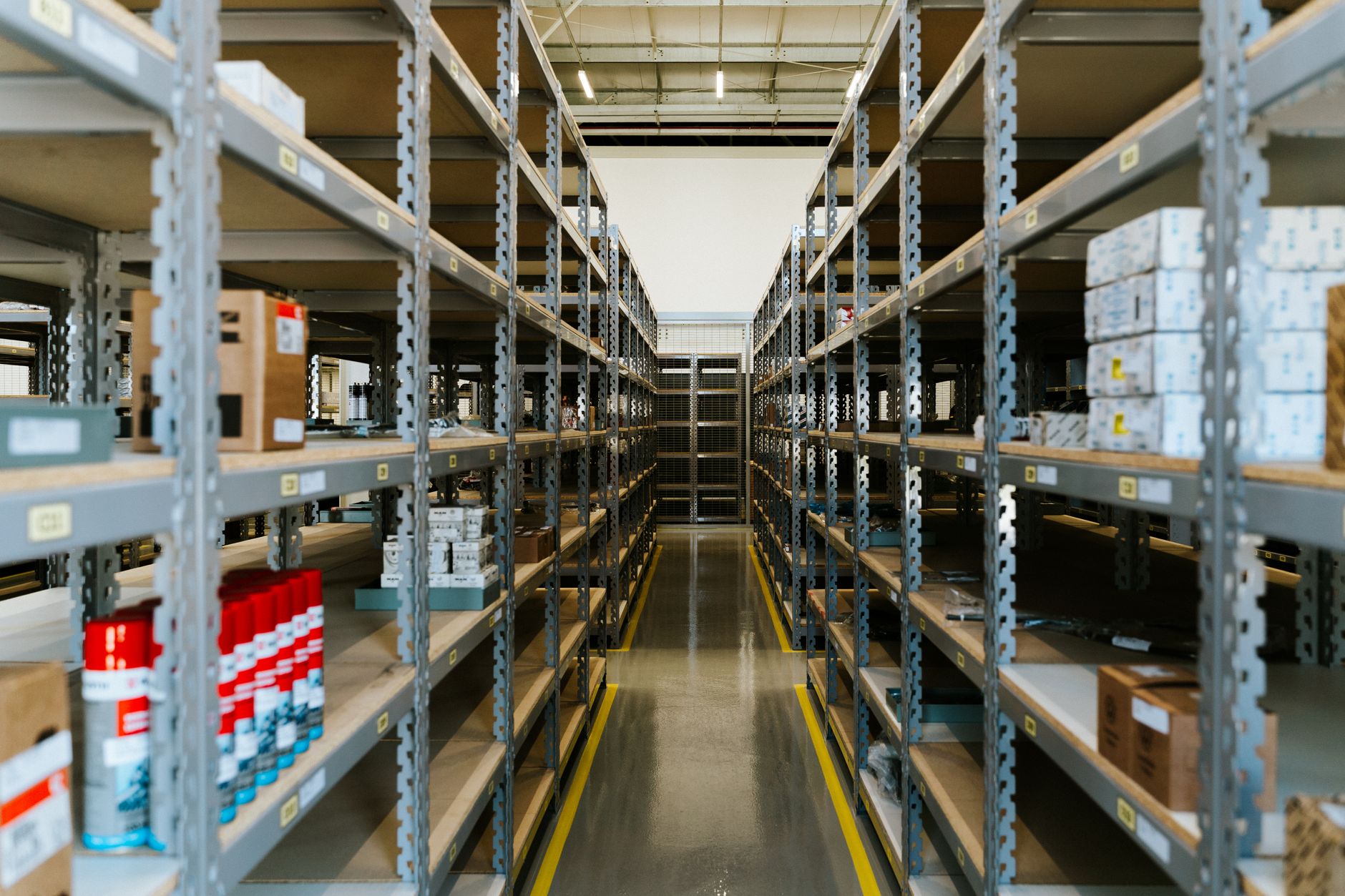
Short version: a mobile robot makes sense when a material handler's shift is mostly the same loop, repeated many times. A pick area, a staging lane and a dock with loads moving between them on the same route is the classic case, and a robot can carry those repeat runs while people handle everything else. It is a poor fit when the day is mostly unplanned work, such as breaking down mixed loads, reworking damaged goods, moving oddly shaped items or changing the layout every few weeks.
The decision rests on the work, not the robot. A site with stable routes, clear aisles, consistent load sizes and a floor that can be mapped usually has a case worth testing. A site where pallets go wherever there is room, aisles shift daily and staff get redirected all shift will spend more time fixing its own floor than the robot saves. Many Columbus operations sit somewhere between those two, which is why a measured assessment beats a general rule.
What does a material handler actually do in a shift?
A material handler's day is usually a chain of short trips: pick up a load, move it to the next station, set it down, and go back for the next one. Most of the clock goes to walking and waiting, not lifting. Handlers also scan labels against a pick list, sign for receiving, flag damage, and reset stations when the line changes. Those small tasks are what make the job hard to measure from the outside.
The Bureau of Labor Statistics Occupational Outlook Handbook counts about 7.0 million hand laborers and material movers nationally in 2024, so the tasks vary a lot from site to site. A handler at a cross dock has little in common with one stocking a manufacturing supply room. Start by writing down what your own handlers do in a typical hour before you compare any robot option.
Ask a few people to log their trips across one normal shift. Note the start point, the destination, and whether each load was heavy, fragile or mixed. That log is the most useful input you can bring to a site assessment, and it costs almost nothing to collect.

Median hourly wage, Laborers and Freight, Stock, and Material Movers, Hand
$4,521
Monthly cost of one full-time worker in Columbus, OH, at the median wage plus payroll costs (an estimate, not a quote).
Which parts of the job can a mobile robot take, and which can it not?
A mobile robot takes the repeated, mapped move. It can carry a tote or pallet from a receiving staging point to a pick zone, return empty carts to the dock, run a set loop between two work cells, or deliver parts from a store to a line on a schedule. It takes the same route every cycle, does not get pulled into other tasks, and can keep running through a shift change, provided the route is set and the aisles are clear.
It cannot take the judgment steps. A robot does not notice that a pallet is leaning, that a carton is crushed, or that a load belongs at a different station than its label says. It does not open a box, pull one item from a mixed bin, or reach into a rack at height. It also cannot take a load outside its rated size and weight, and when a route is blocked it stops and waits, which means a person has to clear it.
- Suits a robot: a fixed loop between two cells
- Suits a robot: moving standard totes from receiving to a pick zone
- Suits a robot: returning empty carts to the dock
- Suits a robot: parts runs from a store to a line on a schedule
- Stays with people: opening boxes and sorting mixed loads
- Stays with people: handling damaged or oversized loads
- Stays with people: clearing blocked aisles and resolving exceptions
- Repeat loop between two stations
Autonomous Mobile Robot
Runs the same route every cycle without drifting
Material Handler
Walks it accurately, but tires and loses focus over a long shift
- Night shift coverage
Autonomous Mobile Robot
Keeps the loop running once started, with a person on exceptions
Material Handler
Needs a staffed shift, and gaps are costly to fill
- Unplanned or mixed loads
Autonomous Mobile Robot
Struggles with loads it has not been set up for
Material Handler
Sorts, checks and adapts on the spot
- Blocked aisles and exceptions
Autonomous Mobile Robot
Stops and alerts, then waits for a person
Material Handler
Clears the route or reroutes the load
- Changing layout
Autonomous Mobile Robot
Needs remapping and route changes
Material Handler
Adjusts within a day
- Cost of ongoing coverage
Autonomous Mobile Robot
Lease quoted after assessment, with service plan covering upkeep
Material Handler
Wage for each position, plus overtime for gaps and retraining after turnover
What does the labor picture look like for this job in Columbus?
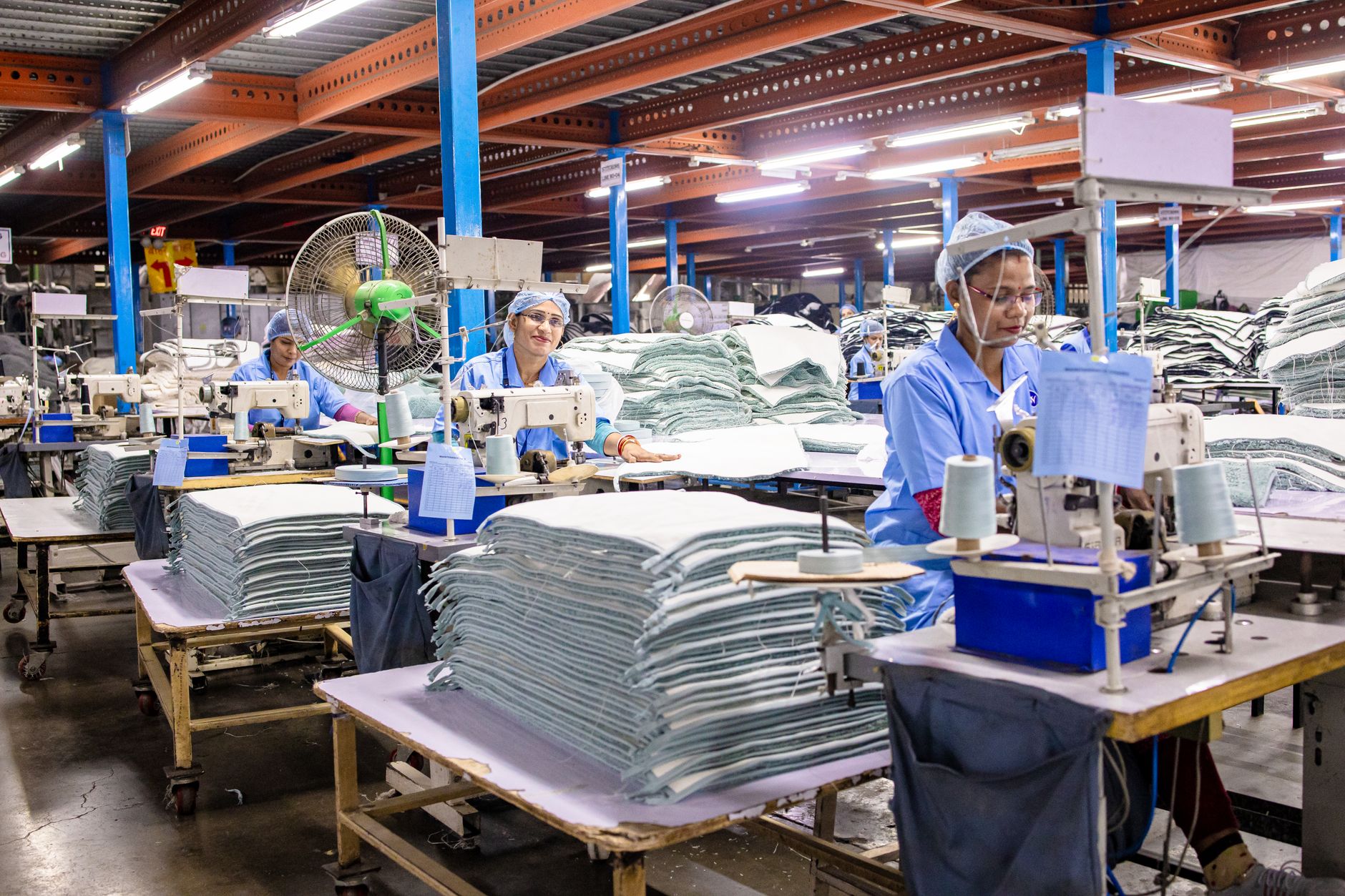
Start with the government wage data on this page. It shows the local wage for Laborers and Freight, Stock, and Material Movers, Hand in the Columbus metro, from the May 2024 Occupational Employment and Wage Statistics release. That figure tells you the cost of one hourly position. It does not tell you the cost of shifts you cannot fill, the overtime you pay to cover them, or the training you repeat when people leave.
Demand for this labor pool is steady. FRED, using Bureau of Labor Statistics employment data, shows about 77.9 thousand jobs in transportation, warehousing, and utilities in the Columbus metro in 2024, rising to 80.3 thousand in December 2025. That series combines transportation and utilities with warehousing, so it overstates the warehouse share. Read it as a sign that the regional labor market for these jobs is large and active.
Turnover is where the cost hides. The Occupational Outlook Handbook says turnover in these occupations is relatively high and openings are numerous, but it gives no rate. Mercer's 2025 U.S. Turnover Survey, as summarized by WorkTime, puts average voluntary turnover at about 13.0 percent across all industries and 26.7 percent in retail and wholesale. A Fountain blog post, a vendor source, estimates that quits in transportation, warehousing, and utilities averaged 2.2 percent a month in 2025, which implies roughly 26.4 percent annual voluntary turnover. That is a vendor estimate, so treat it as a planning range. Use your own exit records in the assessment.
How many hours of a shift can a robot actually take over?
No verified hour study for this exact task was found in this review, so this page does not give a per-shift number. What you can measure is the share of the shift spent on the repeat run. Time a handler across a full shift, mark each trip as repeat or exception, and total the repeat trips. That share, not a generic figure from a brochure, sets the robot's workload.
Look at the shape of the shift too. Night and early shifts are often where staffing gaps are hardest to fill, and a robot covering a loop can keep material moving there without a second person or overtime. Ask the site for absence and overtime records by shift. Those records show whether the robot should cover a standing gap or a one time surge.
Overtime and sick day data for this occupation were not found in the sources reviewed, so do not lean on a national average for them. A site assessment should pull the real records for the last year.
Does a robot replace the team or change how it works?
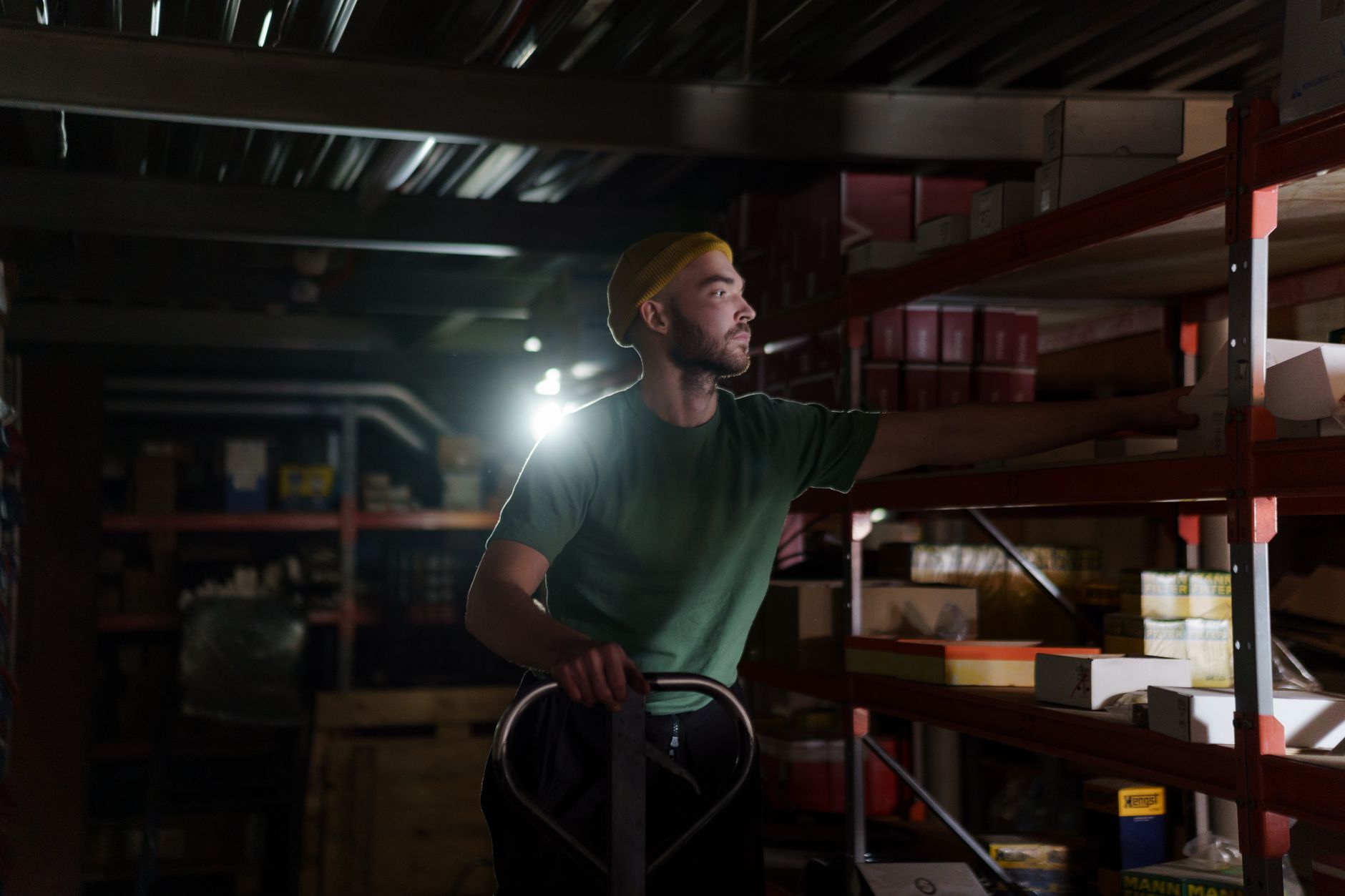
It changes the team, it does not remove it. A robot plus fewer staff is the normal result. The handlers who remain move from repeat runs to exceptions, staging, load checks and robot supervision. A site that expects zero staff will find the robot waiting at a dock with no one to clear a blocked route or reload a bad tote.
Plan the roles before the robot arrives. Name one person who owns the robot on each shift, who clears faults, and who calls for help. Train the rest to recognize a stalled route and reset a station. Staff training happens on site as part of deployment, and the first weeks are where most route and layout issues show up.
Expect a learning period. Routes get adjusted, pick zones move, and staff build new habits. Track exceptions per shift during the first month, and note which ones the robot handled and which ones it passed back to a person.
What can a mobile robot not do well in a Columbus warehouse?
Be direct about the limits. Mobile robots struggle on floors that change often, with pallets stacked off standard positions, with mixed loads that need a person to sort, and with aisles constantly blocked by carts or staging. They also need a clear route plan, reliable network coverage in the work area, and someone responsible for the robot on every shift.
Expect a robot to move loads in a set pattern. It cannot improvise the way a person can when a dock door is blocked or a pallet is damaged. If the work depends on that kind of improvisation, a robot will add a station to watch rather than remove one.
Also expect to change some of your own processes. Standardize how loads are staged, label stations clearly, and set aside space for the robot to queue. Sites that skip this step often blame the robot for problems that started with the layout.
How common are mobile robots in warehouses like these?
Adoption is growing but uneven. A January 2025 survey of 217 professionals by Peerless Research Group and Logistics Management, reported by Material Handling 247, found 41 percent using shuttle systems or mobile robotic storage and retrieval systems, and 59 percent planning to upgrade or implement such equipment within two years. The survey mixes current use with plans, so read the 59 percent as intent, not installed base.
Injury data explains why many managers are looking at repetitive loaded moves. The Government Accountability Office found that transportation and warehousing had the highest serious injury and illness rate of the 19 sectors it reviewed in 2022, at an estimated 3.8 cases per 100 workers. The SCXchange, summarizing Bureau of Labor Statistics data, counted 930 fatal occupational injuries in transportation and warehousing in 2023. A robot does not remove those risks, but it can take some of the repeated loaded runs off a person's shift.
How do you get started with a robot lease in Columbus, OH?
Start with a free site assessment. We walk the floor, map the routes, time the repeat runs and check where shift coverage is short. The lease is quoted after that assessment, so the number reflects your site, your routes and your shifts. Financing is arranged through lease financing programs, and many sites start with one leased unit before deciding on more.
Deployment covers site mapping, integration with your existing workflow, go live support, and training for the staff who will work with the robot. Service is handled nationwide, with remote triage first and on-site dispatch when a person is needed. Service plans cover maintenance and repair, and spare unit coverage can keep a shift running while a unit is serviced.
Before you commit, bring your repeat run log, your last year of absence and overtime records by shift, and the layout drawing. With those, the assessment can show whether a robot covers a real gap in Columbus, or whether a change to the pick layout will help first.
Frequently asked questions
Put a robot to work in Columbus.
We walk your site, learn the job, and recommend the unit that fits. Then we quote the lease, deploy it, and keep it serviced.
Sources
- US Bureau of Labor Statistics, Occupational Employment and Wage Statistics (OEWS May 2024)
- BLS Occupational Outlook Handbook: Hand Laborers and Material Movers
- BLS Columbus, OH Occupational Employment and Wages, May 2024
- FRED: Employment in Transportation, Warehousing, and Utilities, Columbus metro
- WorkTime: Employee Turnover Rate Statistics (Mercer 2025 U.S. Turnover Survey)
- Fountain: Warehouse Turnover Rate (vendor blog)
- Material Handling 247: Warehouse Robotics Adoption Trends 2025
- GAO report via Publicnow: serious injury and illness rates by sector, 2022
- The SCXchange: Transportation and Warehousing Top List of Most Injury-Prone Industries