
The short answer
An autonomous mobile robot makes sense at a foundry when the same cores, castings or trays move along one fixed, mapped route many times a shift, such as core room to molding line to cooling and shakeout. A parts runner, meaning a person moving those loads by hand or with a cart, still wins when routes change from shift to shift, when loads need a second person to check or position them, or when the path crosses hot, dusty or cluttered ground. For most sites the answer is a robot on the fixed leg plus staff who load, check and handle exceptions, not a robot in place of the crew.
Key takeaways
- A robot fits a fixed, repeated route between core room, molding and cooling, and it does not fit a route that changes every shift.
- Foundry floors are hot, dusty and cluttered, so the floor and the route decide the answer more than the robot does.
- Labor shortage is a top concern across the industry, so the real question is often coverage on the fixed leg.
- No published foundry figure for walk distance per shift was found, so measure your own route before deciding.
- Plan for a robot plus fewer staff, with a person on every route to load, check and clear exceptions.
When does an autonomous mobile robot make sense instead of a parts runner at a foundry?
An autonomous mobile robot makes sense at a foundry when the same loads move along one predictable path many times a shift, between fixed points such as the core room, the molding line, and the cooling and shakeout area. A parts runner is the person who carries cores, castings, patterns, trays and samples between those points by hand or with a cart. The robot earns its place when the route can be mapped, stays clear of other traffic, and repeats often enough to keep the robot busy on one leg.
It does not make sense when the route changes from shift to shift, when a load needs a second person to steady, check or position it, or when the path runs through hot, dusty or cluttered ground that nobody keeps clear. A small operation that moves a few loads an hour, and rarely the same way twice, usually gets more from a person with a cart and a better layout. The decision depends on the floor and the route more than on the robot itself.
The question is worth asking across the industry. According to AFS 2024 Forecast & Trends, there are more than 1,700 operating foundries in the US. Some of them run a few fixed legs between core making, molding, pouring and finishing, and others do not. A site assessment is the only reliable way to sort one from the other.
What does a parts runner actually do in a foundry shift?
On a foundry floor the parts runner covers hot, uneven ground between stations. The loop usually runs from the core room, where sand cores are made and staged, to the molding line, then to the cooling and shakeout area, and on to cleaning, grinding and inspection. Each leg is short on paper, but across a wide plant and a full shift the walking adds up. The job is mostly walking and waiting, with lifting and hand-offs in between.
A runner also carries checks along with the parts. They confirm which pattern is coming off, which core set is needed, whether a casting has cooled enough to handle, and where finished parts go. Those checks are the part a robot cannot do alone. We did not find a published walk distance or hours-per-shift figure for foundry runners in the sources reviewed, so the time on your floor has to come from a short time study, not from a trade average.
Median hourly wage, Laborers and Freight, Stock, and Material Movers, Hand
$4,380
Monthly cost of one full-time worker, at the median wage plus payroll costs (an estimate, not a quote).
Which foundry parts can a robot carry, and which can it not?
A robot fits loads that are contained, stable and within its rated weight. Typical examples are cores racked in trays once they have set, cooled castings in bins or on a pallet, cleaned parts in totes, and empty trays or racks going back to the start of the line. The load has to sit on the deck without shifting, and anything on top has to clear overhead obstacles along the whole route.
Check each load against the robot's written specification for weight, size and temperature before deciding. Confirm that the drop-off point has room for the robot to stop and for a person to unload safely. A load that a person must position at a machine still needs a person at that machine, and that is a planning fact, not a failure of the robot.
- Usually a fit: cores in racked trays after they have set, cooled castings in bins or on a pallet under the rated weight, finished parts in totes for inspection, and empty trays or racks going back to the start.
- Usually not a fit: hot castings straight from the pour or shakeout, loads that need a crane or hoist, heavy irregular castings that need a lift assist, and sand or chemical loads that need special containment.
- Route changes
Autonomous Mobile Robot
Best on one fixed, mapped path; a changed route needs re-mapping
Parts Runner
Adjusts on the spot as the work shifts
- Hot or dusty ground
Autonomous Mobile Robot
Only where drive and sensors are rated for it
Parts Runner
Works with protective gear and judgment
- Checking the load
Autonomous Mobile Robot
Checks weight and position only as far as its sensors allow
Parts Runner
Checks cores, castings and paperwork together
- Hours covered
Autonomous Mobile Robot
Can run through a shift if charged and kept clear
Parts Runner
Needs breaks, shift changes and sick cover
- Exceptions
Autonomous Mobile Robot
Stops and waits for a person to clear it
Parts Runner
Solves most problems at the station
What do the hours and labor numbers look like for foundry runners?
Labor is the strongest reason foundries look at automation. According to the Non-Ferrous Founders' Society 2025 workforce survey, more than half of respondents reported that labor shortages significantly affected operations. AFS says worker shortage is consistently the top concern in its Quarterly Metalcasters Outlook Survey. A September 2025 Modern Casting column, citing government statistics, puts US foundry employment at about 184,100 workers.
Turnover data is thinner. The BLS JOLTS quits rate was 2.0 percent in July 2025, but that is an all-industry figure, not a foundry or manufacturing figure. We did not find published foundry figures for overtime, night shift share or sick days in the material reviewed. Foundry-specific turnover data is much thinner than the labor shortage data, so treat any turnover assumption as something to measure on your own floor.
Use the government wage data on this page for the job to put a value on the hours. Then set those hours against the fixed leg in your own time study. The table below lists the tasks that belong in that comparison, and its hour column is left for your measured numbers.
How does the team work with a robot on the floor?
The working model is a robot plus fewer staff, never a robot in place of the whole crew. The robot takes the fixed leg, the repeated trip between two or three stations. A person still loads and unloads at the machines, checks cores and castings, handles exceptions, and clears the route when something blocks it. Keeping at least one person on every route means a stopped robot does not stop the line.
Roles change, and the change is easy to miss in planning. The runner becomes a loader, a checker and a dispatcher. That means training on the robot's controls, on how to clear a stop safely, and on what to do when a load falls outside the specification. Budget that training as part of the start, not as an afterthought, and name a lead on each shift who owns the route.
What can an autonomous mobile robot not do at a foundry?
Heat, dust and metal come first. Pouring and shakeout areas are hot and often dusty, and sensors and drive systems have to hold up there. Ask for the operating temperature and dust rating in writing, and do not assume a unit built for a clean warehouse will handle a foundry floor.
Safety data is the second reason to be exact. According to Modern Casting citing 2023 BLS data, the foundry industry recordable injury rate was 5.3 per 100 full-time workers, and aluminum foundries fell from 7.1 to 5.6. Those numbers do not show that a robot lowers injuries. They do show why stop zones, pedestrian rules and route clearance should be planned against the injury pattern that already exists.
Cost is the third limit, and it has been a barrier across manufacturing. A 2018 PwC survey found 9 percent of manufacturers had adopted semi-autonomous or autonomous mobility, 10 percent expected to within three years, and nearly 60 percent cited cost as a top barrier. That survey is old, but cost is still the first question most decision makers ask. The 2015 NIST literature review on mobile robots for manufacturing material handling is a sound background read.
The robot also cannot judge quality. A person decides whether a casting is defective. The robot cannot lift an irregular load, cannot wait on a crane lane that stays in use, and cannot cross a floor that has changed without a new map. Plan to pause it during pours, crane moves and floor repair, and write those pauses into the route plan.
What does a robot shift look like at a foundry?
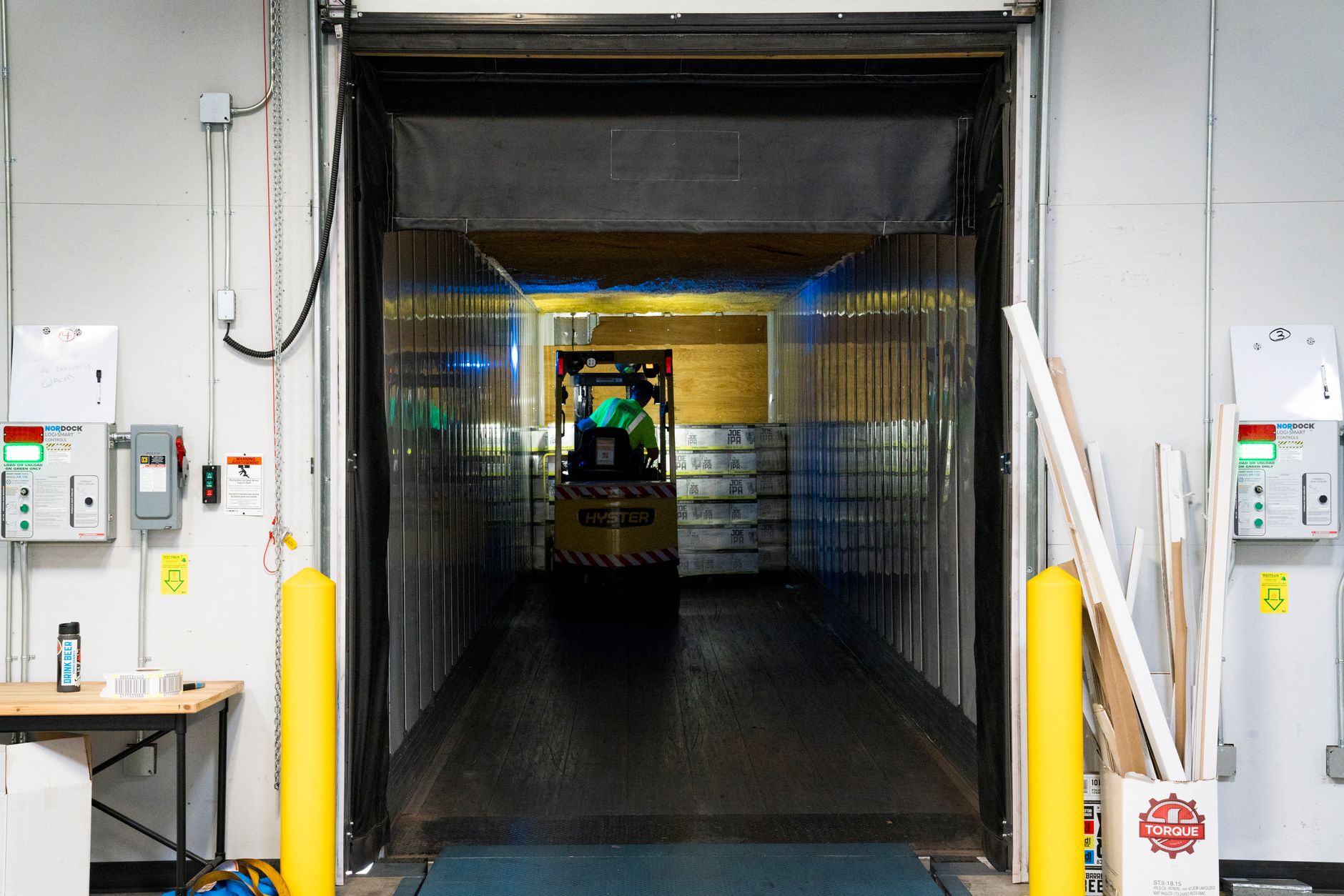
A robot shift follows the route staff set up at the start. A person loads the first batch at the core room, the robot runs to the cooling area, and a person takes the load off at the drop point. Between runs the robot returns to charge and waits for the next load. The timeline below shows the usual pattern, not a measured schedule for any one site.
The shift is mostly about the handoffs. Stops usually come from blocked routes, loads that did not seat properly, or a pour or crane move that needs the lane cleared. Staff who know those points can keep the robot moving, and staff who do not will spend the shift waiting on it.
How is a foundry robot lease quoted and compared?
Robots are leased through financing, and the payment comes in a quote after a free site assessment. We do not quote from a catalog. The assessment looks at the route, load weight and temperature, floor condition, charging point, and the number of legs the robot would run each shift. A fixed lease payment only makes sense once those facts are known, because a quote built without them is a guess.
Compare the lease with the hours the fixed leg takes today, using your time study and the government wage data on this page for the job. Include service coverage, spare unit coverage and maintenance included in the comparison. A stopped robot still needs a person on the leg until it is back in service, and that person's hours belong in the math.
How do you start with a robot for foundry parts runs?
Start with one route, not the whole plant. Pick the leg with the most repeated trips, the cleanest floor and the clearest drop point. Map it during the free site assessment, run a pilot on that one leg, and review stops and hours for several weeks before adding a second route. A narrow start keeps the decision reversible and the training manageable.
We pick the right robot for the site, lease it through financing, deploy and integrate it, train the staff who will work with it, and service it nationwide. One partner handles the mapping, go-live support and service calls, so the foundry is not chasing separate contacts when a unit stops. Ask for the training plan and the escalation path in writing before anything is signed.
If the site assessment says a parts runner is the better fit, take that result. Sometimes the right answer is a person with a cart and a better route. A useful assessment should be willing to say that.
Frequently asked questions
Want a warehouse robot at your foundry?
Tell us about your site. We will recommend the robot, quote the lease, and keep it serviced.
Sources
- US Bureau of Labor Statistics, Occupational Employment and Wage Statistics (OEWS May 2024)
- AFS 2024 Forecast & Trends
- Modern Casting column (September 2025)
- Modern Casting, citing BLS 2023 data
- Non-Ferrous Founders' Society 2025 workforce survey
- AFS Quarterly Metalcasters Outlook Survey
- BLS JOLTS July 2025 release
- PwC industrial mobility survey (2018)
- NIST IR 8022 literature review (2015)