
The short answer
For most metal fabrication shops, the autonomous mobile robot vs parts runner decision turns on whether bin moves repeat on set routes between cells. A robot makes sense when the same bins, totes or carts travel the same paths all shift and a runner spends much of that shift walking. It does not make sense when parts need hand sorting or lifting at every stop, when the layout changes often, or when moves are occasional, and in those cases a person stays on the floor.
Key takeaways
- An autonomous mobile robot fits repeated bin moves on set routes, not irregular runs that need judgment at every stop.
- Measure the runner's walking time and the repeat share of trips before deciding anything.
- Parts that need hand loading, lifting or inspection stay with people.
- Openings and absences make shift coverage a planning problem, so the robot should take predictable moves only.
- The normal result is a robot plus fewer staff, with a trained person on every shift.
Autonomous mobile robot vs parts runner: which fits a metal fabrication shop?
The short answer is that an autonomous mobile robot fits a metal fabrication shop when bin moves repeat on set routes. Picture cut parts moving from a laser or press cell to a deburring bench, then on to a weld or inspection cell, and back to a staging rack. The route is the same each shift, and each trip is a small move that a runner repeats many times.
A parts runner fits better when the moves change through the shift. Rush jobs, one-off parts that need a forklift or crane, parts that a person must check by hand before they move, and a floor reconfigured every few weeks all favor people. A robot needs a mapped, stable route, and it cannot decide what to move next.
In practice the useful answer is usually a split. The robot takes the predictable bin moves, and people take the exceptions, the hand-handled parts and the rush work.
What does a parts runner actually do in a shift at a fabrication shop?
A parts runner moves work in process between machines and departments. Typical trips carry bins or totes of cut blanks, formed parts and hardware from one cell to the next, pick up finished parts for staging, and bring tooling, consumables or fasteners to a machine when it runs low. Many trips start with a call from an operator, so the timing is not fixed.
Much of the shift can go to walking, waiting for a crane or forklift to clear, and checking paperwork at each stop. The walking is easy to see on the floor but rarely timed, and that is why the first step is measurement. We did not find published runner-hours or shift-walking data for metal fabrication shops, so the numbers from your own floor will matter more than any general figure.
That makes route repetition the key test. If the trips follow a rhythm, a robot can take them. If every trip is a fresh decision, the runner is doing dispatch work that a route-following robot cannot do.
Median hourly wage, Laborers and Freight, Stock, and Material Movers, Hand
$4,380
Monthly cost of one full-time worker, at the median wage plus payroll costs (an estimate, not a quote).
- Repeat bin moves on set routes
Autonomous Mobile Robot
Runs the same route on every trip once mapped
Parts Runner
Repeats it reliably, but needs breaks, handoffs and sick day cover
- Rush or one-off requests
Autonomous Mobile Robot
Follows the queue it is given and cannot judge urgency
Parts Runner
Reads the floor, reroutes and decides which job goes first
- Hand-handled parts
Autonomous Mobile Robot
Takes standard carriers, not parts that need hand loading
Parts Runner
Lifts, orients and checks parts by hand
- Night and weekend coverage
Autonomous Mobile Robot
Runs on mapped routes once set up, with a trained person checking exceptions
Parts Runner
Needs a shift schedule, overtime planning and absence cover
- Layout changes
Autonomous Mobile Robot
Needs the route remapped and tested after each change
Parts Runner
Adjusts the path the same day
- Inspection and judgment
Autonomous Mobile Robot
Makes no judgment calls and signs off on nothing
Parts Runner
Catches burrs, damage and wrong parts before they move on
How many metal fabrication shops are there in the US, and how many people run the machines?
The Bureau of Labor Statistics counted 61,435 private-industry establishments in fabricated metal products (NAICS 332) in the fourth quarter of 2025, a preliminary figure. The earlier quarters of 2025 were 61,158, 61,185 and 61,317, so the count has held steady rather than falling.
The same BLS data lists 56,060 people employed as cutting, punching and press machine setters, operators and tenders, metal and plastic, in 2025. Those are the people whose machines create the bin traffic. The Federal Reserve Bank of St. Louis series built on BLS payroll data shows about 1.44 million employees in fabricated metal products, at 1,439.7 thousand in December 2025.
We did not find a verified national count of fabrication shops under 20 employees. That size band matters because the case for a robot depends on how many moves one runner makes, and that varies with shop size. Use the national totals as the size of the market, not as a guide to how many shops have a runner at all.
Which parts can an autonomous mobile robot move, and which can it not?
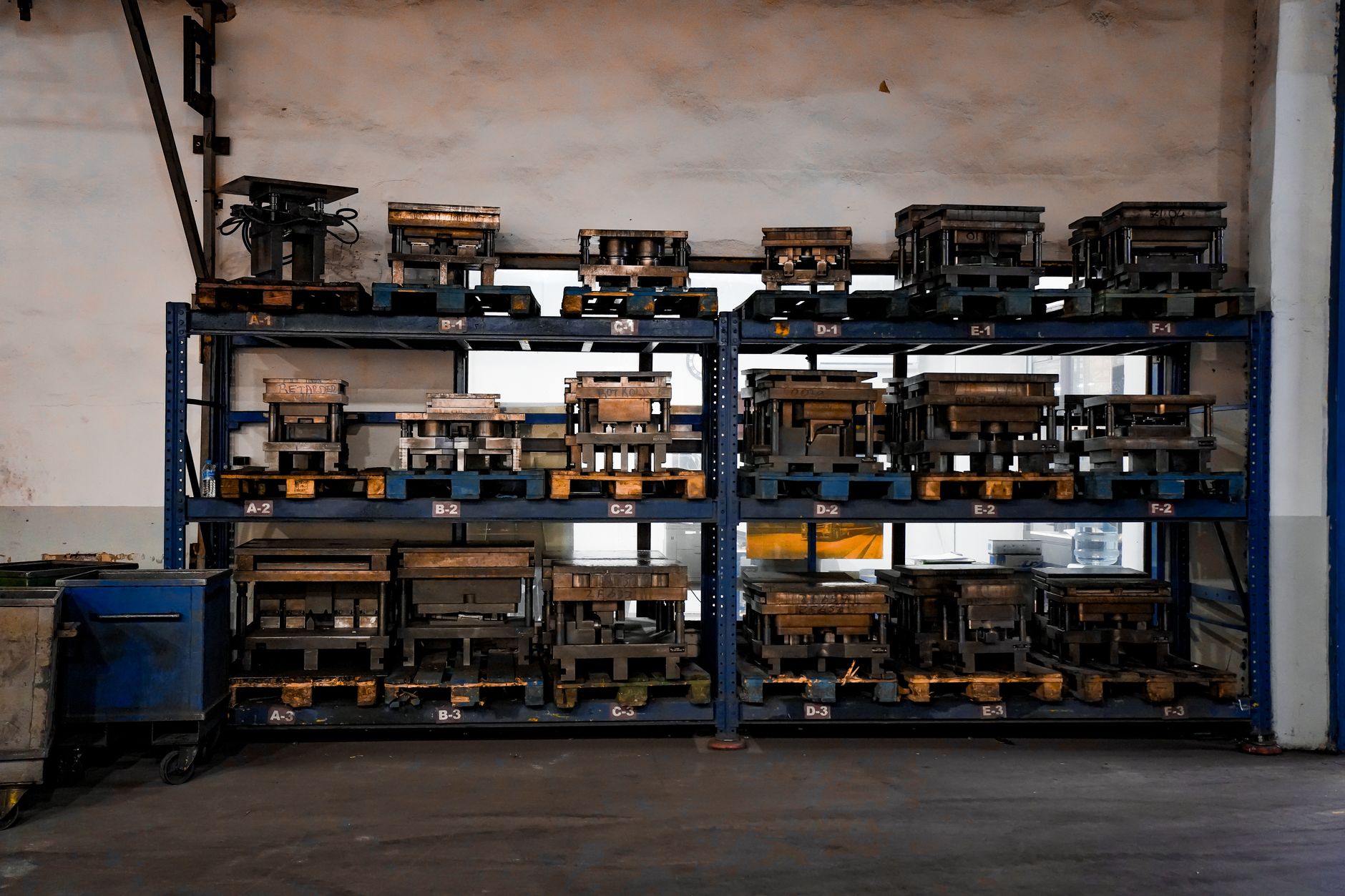
A robot does best with standardized carriers: bins, totes, racks and carts that a cell can load and unload without a person lifting the part. Sorted bins of cut blanks, formed parts in trays, tooling carts, and finished parts on a rolling rack fit this pattern. The carrier often matters more than the part, because the load interface sets what a robot can handle.
Parts that need a person to load them onto a fixture, lift them over a height the robot cannot reach, or inspect them for burrs and marks before they move are poor robot loads. So are heavy or awkward pieces that need a crane, parts still hot from a cutting or forming operation, and loose parts dumped into an open container. A robot should not be asked to judge whether a part is good.
Ask the cell lead which parts they hand carry and why. The answer usually shows the exceptions. Exceptions do not rule out the whole job, but they set the share of moves the robot can take, and the rest stays with the runner.
What do the labor numbers say about turnover, absence and overtime?
Openings are high. According to BLS JOLTS data reported in trade press, manufacturing had 495,000 job openings in January 2026, about 11 percent higher than a year earlier. The Federal Reserve Bank of St. Louis series for the manufacturing job openings rate, seasonally adjusted, shows 3.3 for December 2025, 3.0 for November 2025 and 3.2 for October 2025.
Exits are lower than last year. A manufacturing total separations rate of 2.30 percent for February 2026 compares with 2.50 percent a year earlier, according to BLS data compiled by a financial data site. Fewer people leaving but more openings means a vacancy is harder to fill, and a runner post can sit empty longer than the turnover rate alone suggests.
Absence matters more to a runner's day. A manufacturing summary of BLS household survey data puts 2025 absence at 2.9 percent of full-time workers, with 2.2 points from illness or injury and 0.8 from other reasons, and lost worktime at 1.6 percent of usual hours. Those are 11-month averages because October 2025 data was not collected. We did not find verified figures for runner overtime or night-shift staffing in this setting, so treat the sector numbers as backdrop, not as your shop's rate.
How does a team work with an autonomous mobile robot?
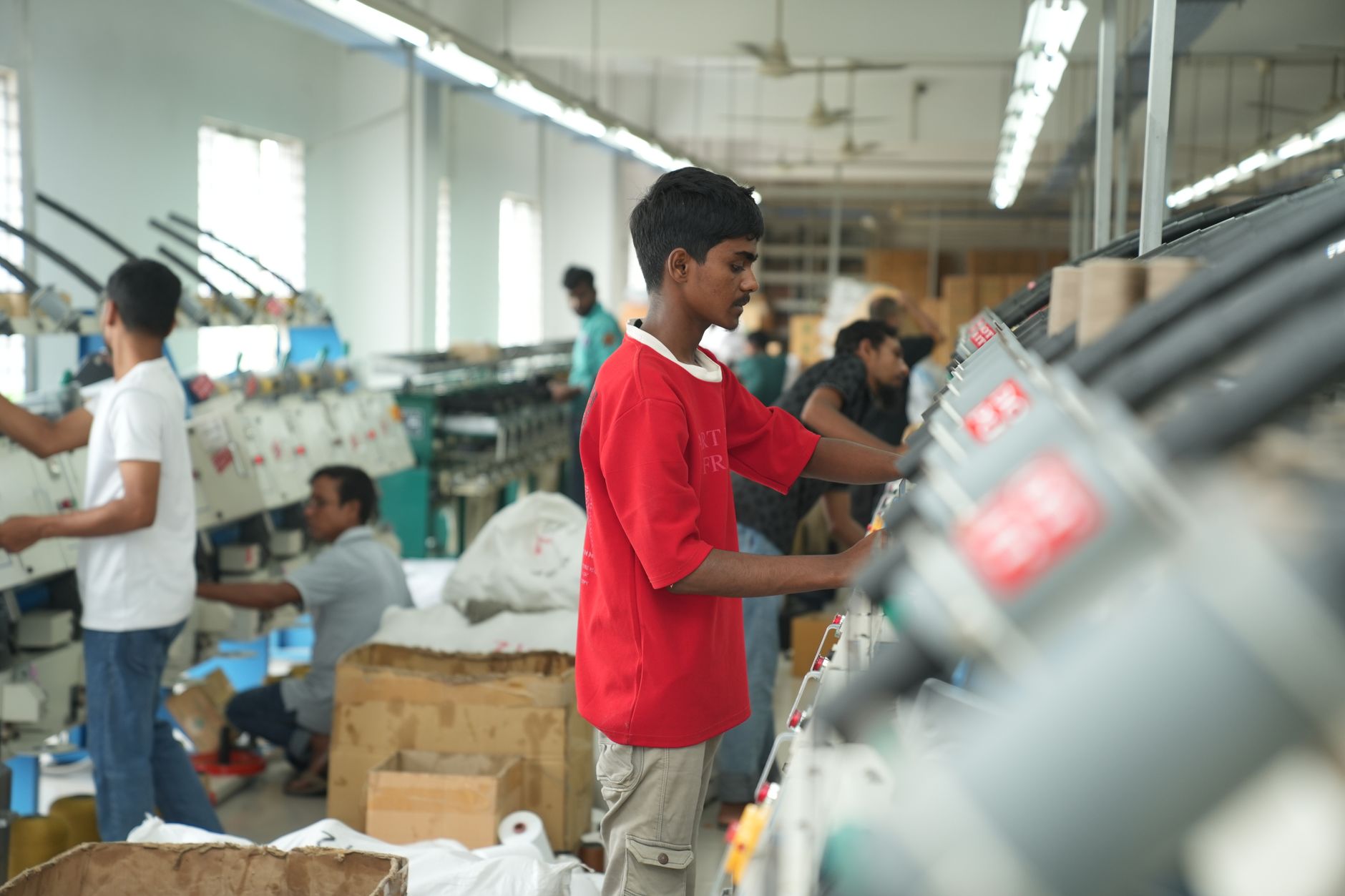
The team does not go away. The robot takes the scheduled bin moves, and the runner shifts to exceptions, load preparation, staging and machine-side needs. Plan for a robot plus fewer staff, with one named person owning the robot's queue and clearing blockages.
Setup needs someone who knows the cells. That person maps the routes, sets stop points at each cell, labels carriers, and agrees on a call process so an operator can request a pickup without walking to a dispatch desk. The role is usually a lead or planner, not a new hire.
Plan coverage on purpose. A robot does not call in sick, but it needs charging, cleaning, and a plan when a route is blocked by a crane or a missing cart. Keep a trained person on every shift who can clear a stuck unit and walk the route by hand. Never run the floor with zero staff.
What can an autonomous mobile robot not do at a fabrication shop?
A robot follows mapped routes. It does not read a blocked aisle the way a person does, and it will wait or reroute rather than step around a bent sheet or a fallen tote. Forklifts, pallet jacks, floor work, coolant spills and temporary work zones all change the floor, and each change needs someone to update or clear the route.
It cannot handle loads outside its design. Heavy or oversized parts, pallets that need forklift tines, and anything that must climb stairs or a ramp beyond its rating stay with equipment or people. It also cannot inspect, sign off on a part, or decide a rush job should jump the queue.
A robot does not fix the cause of a late part. If a cell is slow or tooling is missing, a robot moves the wait faster but does not remove it. Find the cause before committing to a robot plan.
Safety is the other reason to plan coverage. The BLS fabricated metal products page lists 3.2 total recordable cases per 100 full-time workers and 0.9 cases with days away from work, though the year is not stated clearly on that page. For all private industry in 2024, according to BLS data reported in insurance trade press, there were 2,488,400 total recordable cases and 888,100 cases with days away from work, with a median of 8 days away. A robot can reduce the number of trips a person makes, but it does not replace safe lifting training or floor rules.
How do you judge the cost and payback of a robot lease?
Start with the walking. Time the runner's trips over several shifts, including the busiest shift, and sort each trip into a repeat route or a one-off move. The repeat share sets how much work a robot can take. Payback depends on how many hours that share covers each week and what those hours cost your shop, and the government wage data on this page for the local wage for this job is a starting point for that estimate.
Lease quotes come after a free site assessment, because route length, number of cells, floor condition and carrier setup all change the scope. Ask for lease terms in writing, including what service and repair coverage is included and how a failed unit is replaced. Ask what happens during a rush if your only robot is down, and whether a spare or loaner unit is covered.
Compare the robot against the staffing plan you already have. A robot lowers exposure to gaps on predictable moves, but it does not cover exception work, so the plan still has to cover that.
How do you start an autonomous mobile robot project at a fabrication shop?
Start with one route, not the whole floor. Pick the busiest repeat path between two or three cells, map it, and run a pilot for enough shifts to see both the normal and the rush days. One leased unit lets the shop test carriers, stop points and the call process before adding routes.
We are a US commercial robot integrator. We pick the robot for the site, lease it through financing, deploy and integrate it, train the staff, and service it nationwide. A site assessment maps the floor, measures the routes and sets the lease quote. Go-live support covers the first shifts, when the route and call process get their first real test.
A 2025 industry survey, reported in trade press, found 53 percent of manufacturers in the early stages of adopting new industrial robot hardware, so a single-route pilot is a normal first step. Once the first route runs, decide on the next one with the same measurements, keep the runner for exceptions, and keep a trained person on every shift.
Frequently asked questions
Want a warehouse robot at your metal fabrication shop?
Tell us about your site. We will recommend the robot, quote the lease, and keep it serviced.
Sources
- US Bureau of Labor Statistics, Occupational Employment and Wage Statistics (OEWS May 2024)
- U.S. Bureau of Labor Statistics, NAICS 332 fabricated metal products industry data
- Federal Reserve Bank of St. Louis economic data series, fabricated metal products employment
- Trade press report on BLS JOLTS job openings data, January 2026
- Federal Reserve Bank of St. Louis economic data series, manufacturing job openings rate
- Financial data site summary of BLS manufacturing total separations rate
- Manufacturing industry summary of BLS household survey absence data
- Insurance trade press report on BLS 2024 workplace injury data
- Trade press report on a 2025 industry survey of manufacturer robot adoption