

The short answer
The cleaning robot vs janitor in Albany question comes down to the floor. A cleaning robot makes sense when the space is large, mostly open, and cleaned on a repeating schedule that can run overnight, but it does not replace the janitor, because restrooms, spills, stairs and judgment calls still need a person. For most Albany businesses the practical answer is a robot plus the existing team, with the robot covering the open floor passes and staff covering everything else.
Key takeaways
- A cleaning robot fits large, mostly open floors that repeat on a schedule, especially overnight.
- A robot does not replace the janitor, because restrooms, spills and judgment calls stay with staff.
- Staff hours spent on floor work are the number to measure, not a vendor's rated speed.
- Turnover and injury figures here come from mixed sources, so your own timesheets should drive the decision.
- Start with a free site assessment and one leased unit before committing to more.
Cleaning robot vs janitor in Albany: the direct answer
The cleaning robot vs janitor in Albany decision is less a contest between a machine and a person than a question about where floor hours go. An autonomous floor scrubber makes sense when a site has large, mostly open floors that get the same passes on a schedule, especially when that work can run in a quiet building without an operator on board.
It does not make sense as a straight replacement for the janitor. Restrooms, spills, glass, stairs, trash and the judgment calls that come with a changing building still need a person on shift. A robot takes the repetitive floor passes. It does not take the job.
For most businesses in the Albany area, the sound answer is a robot plus the existing team, with fewer staff hours spent on open floors. The government wage data on this page gives the local figure for the job. The rest of this page shows what that labor covers, hour by hour.
When does a cleaning robot make sense for a business in Albany?
A robot tends to earn its place when three things line up: the floor area is large, the layout is mostly clear of fixed obstacles, and the cleaning repeats on the same routes. Warehouse floors, distribution aisles, large retail sales floors, gyms, school corridors, campuses and event venues often fit that pattern. The more the route repeats, the more of the machine's time is productive.
Timing matters as much as size. If the floor can be cleaned while the building is quiet, an overnight run uses hours that would otherwise need staff. If the building is busy around the clock, the robot can still run in low-traffic windows, but its schedule has to be planned around people and carts.
The survey evidence points the same way, with caveats. An ISSA Today summary of a 2025 benchmarking report found 43% of respondents plan to add autonomous cleaning equipment. That shows where interest is heading, not proof that a given site will save money.
Median hourly wage, Janitors and Building Cleaners
$4,158
Monthly cost of one full-time worker in Albany, NY, at the median wage plus payroll costs (an estimate, not a quote).
- Night coverage
Cleaning Robot
Runs a scheduled route with no one on board, once the route is set and the dock is clear
Janitor
Can stay on shift, respond to a spill, and change the plan when something unexpected happens
- Restroom cleaning
Cleaning Robot
Does not do this work
Janitor
Cleans fixtures, restocks supplies and checks every touchpoint
- Consistency on a repeated route
Cleaning Robot
Follows the same route every run and logs what it skipped
Janitor
Varies with fatigue, attention and the day's other tasks
- Obstacles and thresholds
Cleaning Robot
Stops at anything it cannot cross, then waits for staff
Janitor
Steps over, moves items and works around them
- Judgment about cleanliness
Cleaning Robot
Flags areas by sensor or report but does not decide what is acceptable
Janitor
Decides, in context, when a floor or area is clean enough
- Speed on open floor
Cleaning Robot
Covers open floor on a fixed route, and its output must be measured on your own layout
Janitor
About 625 square feet per hour across all tasks, per a cleaning benchmark
- Staff availability
Cleaning Robot
Keeps running when staff are short, but needs someone to check it
Janitor
Subject to sick days, turnover and hiring
When is a cleaning robot the wrong choice?
A robot is a poor fit when the floor is small, cluttered, or full of thresholds, level changes and steps. A compact space where furniture moves every day gives a machine little to repeat, and the arithmetic breaks when one person can cover the whole floor with time to spare on a shift.
It is also the wrong choice when the main need is restroom work rather than floor work. Restroom cleaning is a sequence of touches, supply checks and hygiene tasks that a floor machine does not do. The same goes for reactive work such as spills, biohazards or after-event recovery that cannot be scheduled ahead.
The honest read is a yes for the floor passes and a no for the rest, not a yes or no for the whole job. If a site's floor work is small and its other tasks are large, the robot may remove less labor than the staff expect.
What does a janitor actually do in a shift?
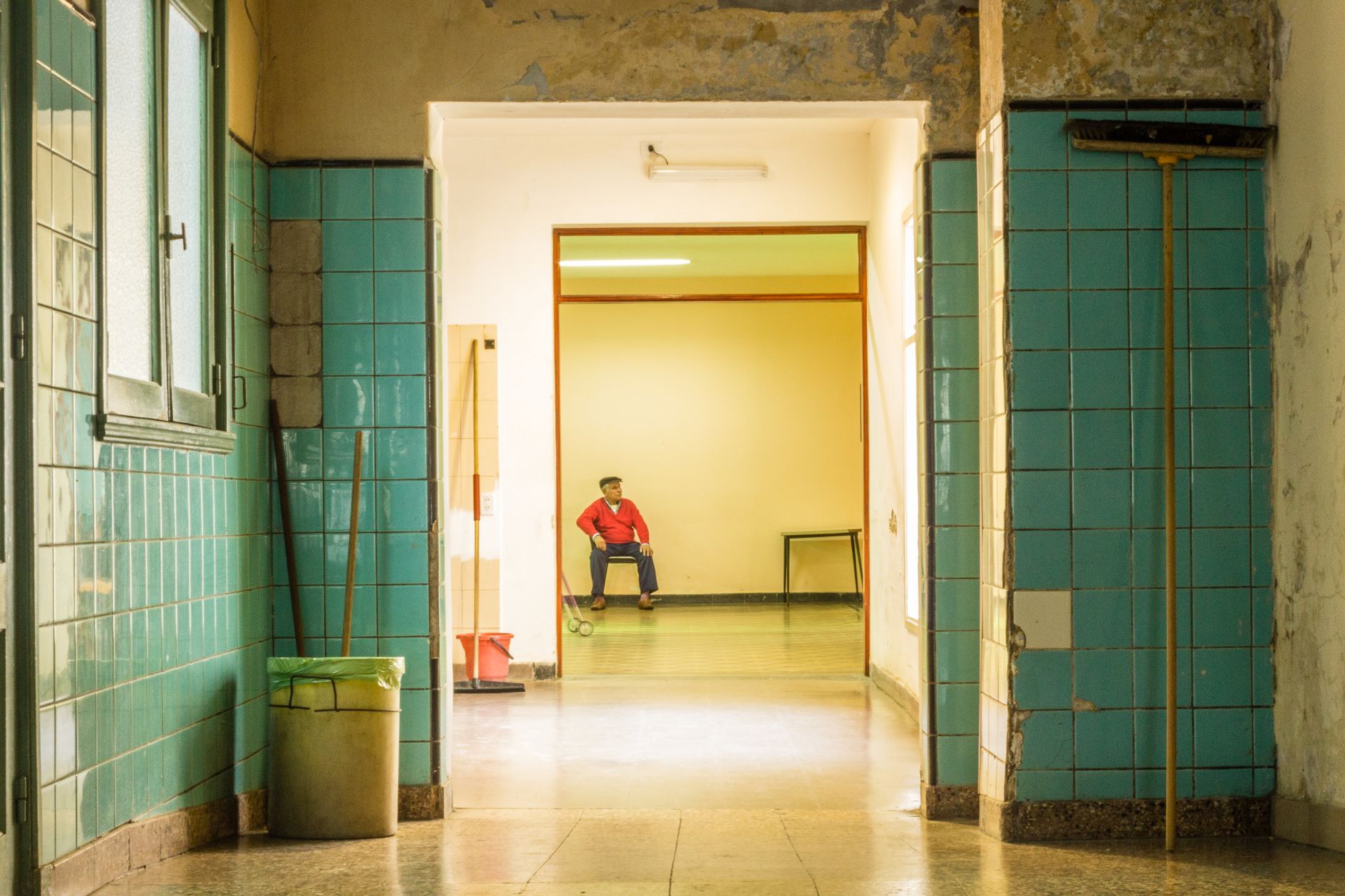
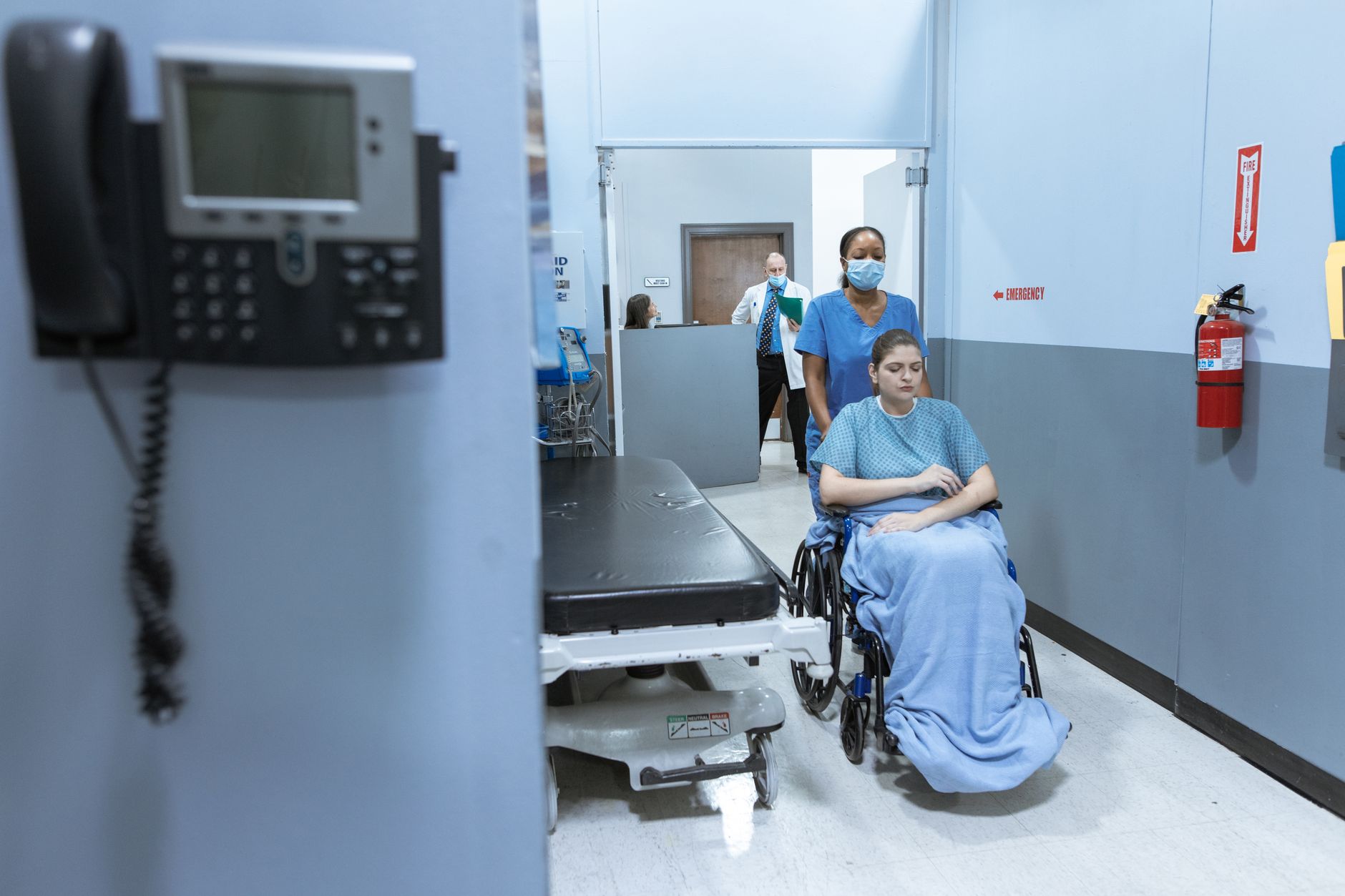
A janitor's shift is split across many small tasks. Floor work is one part, mixed with emptying trash, restocking restroom supplies, wiping touchpoints, cleaning glass and doors, and reporting damage or safety issues. The job moves from room to room, and much of its value comes from knowing what the building needs on a given day.
The work is physically demanding and the labor pool is large but not growing fast. According to the Bureau of Labor Statistics, about 2.4 million jobs for janitors and building cleaners existed in 2024, with projected growth of 2% from 2024 to 2034, slower than average for all occupations. Slow projected growth means the pool of these jobs is not expanding much, which makes staffing harder to plan around.
Injury data shows the load. The Bureau of Labor Statistics reported 21,100 nonfatal injury and illness cases involving days away from work for janitors and cleaners, except maids and housekeeping cleaners, in 2020. Its snapshot for 2015 to 2019 put janitor nonfatal injuries and illnesses at 157.4 per 10,000 full-time equivalent workers in 2019.
Which parts of the job can a robot take, and which can it not?
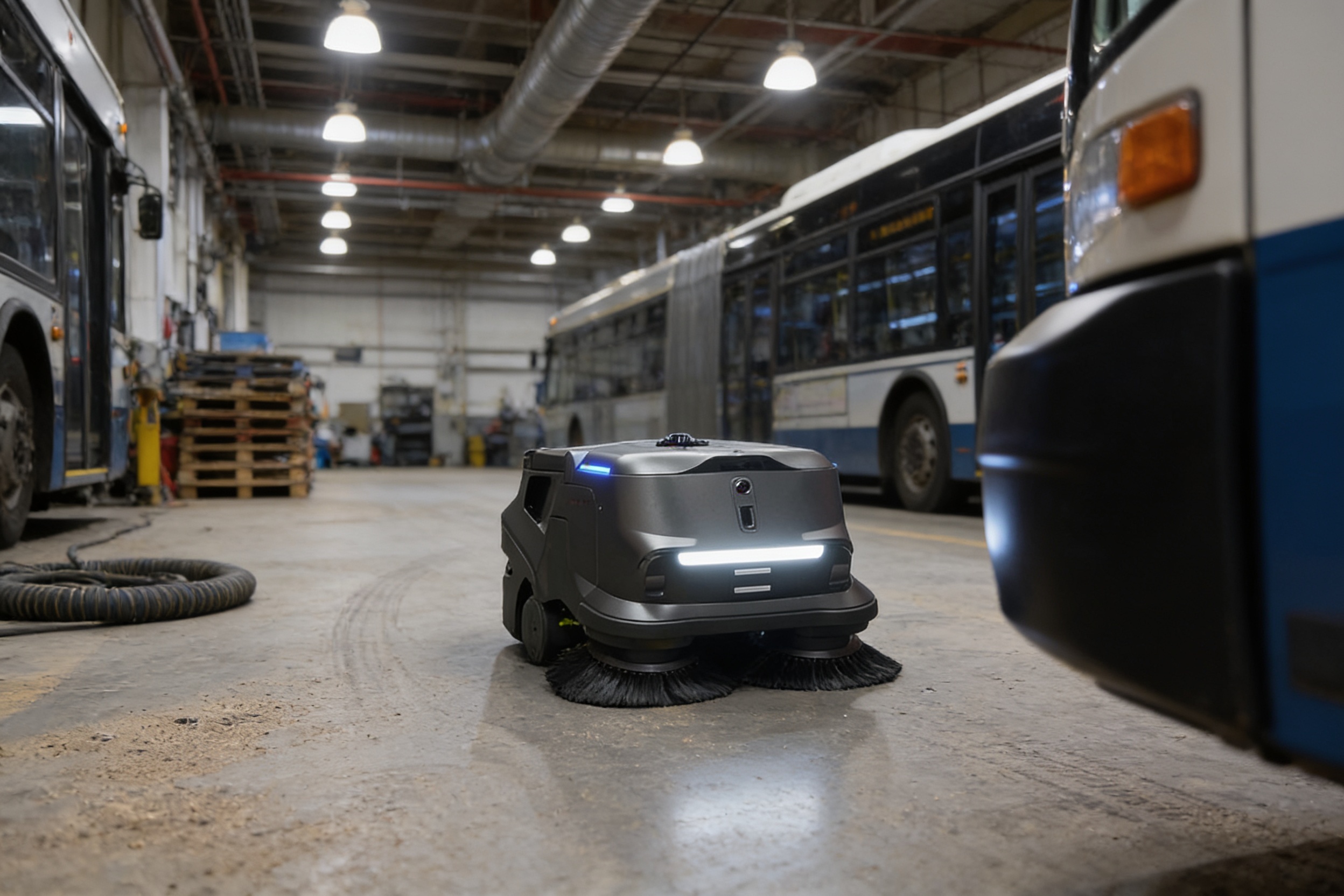
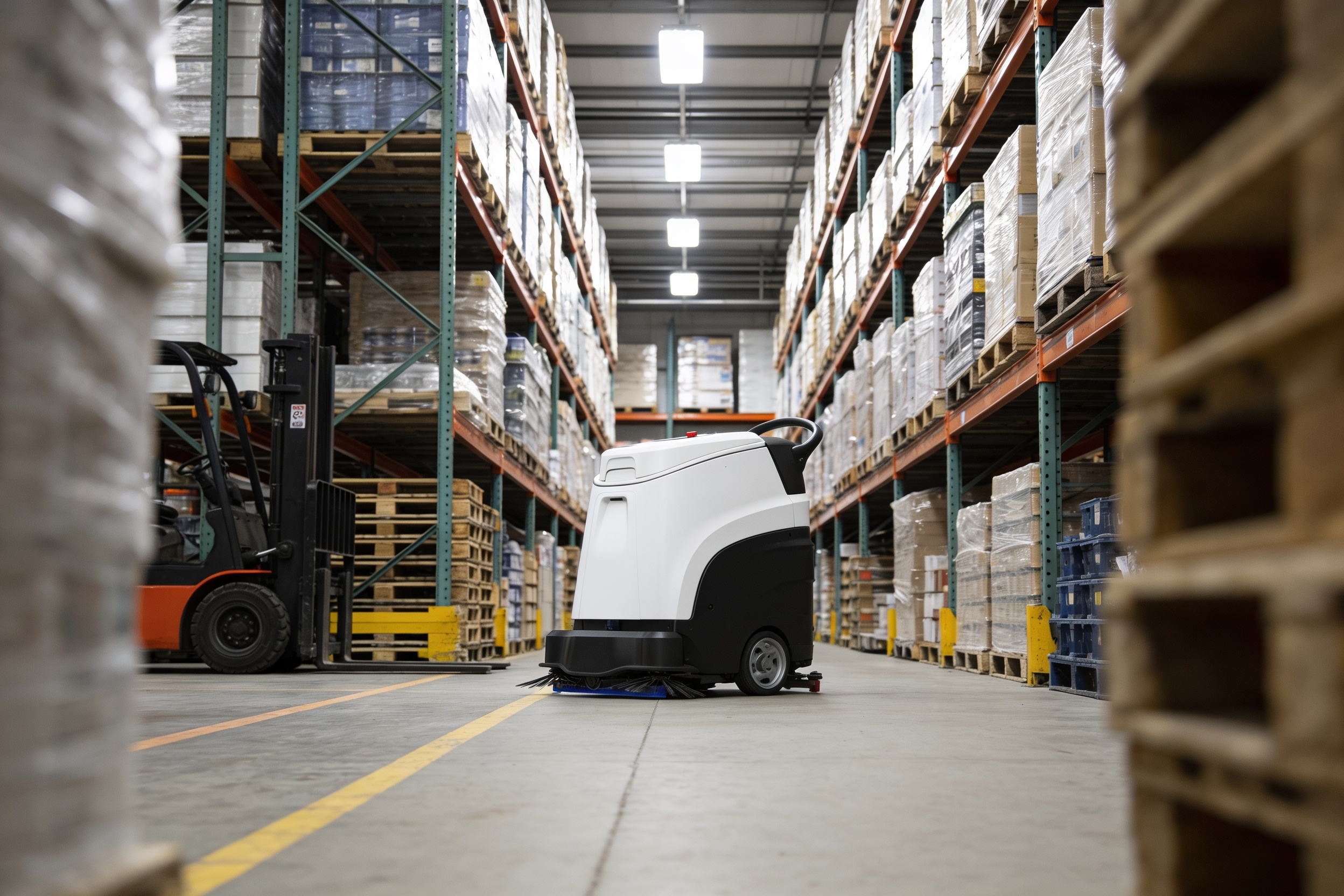
A floor robot can take the repeated passes on open, relatively level floors: corridors, warehouse aisles, retail floors and large open halls. It runs a planned route, returns to its dock and works on a schedule, which is why overnight floor care is the common case. Carpets, wet areas and debris need a check before a run.
Output depends on the machine and the floor, so do not rely on a single catalog number. Ask for rated output and for real-world output measured on your own layout. Usable cleanable area is usually smaller than the total floor, because aisles, racks, fixtures and obstacles take part of the space, and that gap matters more than the headline speed.
The robot cannot take restrooms, stairs, glass, trash, spills that need judgment, moving furniture, or anything above floor level. It also cannot decide that an area needs another treatment or that a hazard is present. Those stay with staff, and the plan should name who owns them.
What do the hours and labor numbers say?
Start with a benchmark. A cleaning trade article reports a commercial real estate benchmark of about 5,000 square feet per janitor per eight-hour day, roughly 625 square feet per hour. Across surveyed sites, the article reports an average of about 6,414 square feet per janitor per day and a median of 4,939. It also says productivity tends to fall as occupancy rises. The original attribution was not verified at source, so use these as a starting point, not a site standard.
Turnover is the other labor fact, and the public data is thin here. A payroll vendor's blog says annual separation rates in janitorial and cleaning occupations regularly exceed 50%, a vendor figure rather than a government one. A cleaning industry article puts annual hourly turnover at 100% to 400%, with about 200% the most cited median, and calls these unsourced trade estimates. Treat both as direction, not measurement.
We did not find verified public figures for overtime, night shift premiums or sick-day use for this job. That is the gap your own timesheets have to fill. It matters because every uncovered shift falls on the staff who remain.

How does a team work with a robot?
We never recommend a robot with zero staff. The model that works is a robot plus fewer staff hours on floor work, with people still on shift for restrooms, judgment calls and exceptions. Name one person as accountable for the machine's dock, route, battery and daily check, so the robot is not left unowned.
We lease the robot through financing, choose the unit for the floor after a site assessment, deploy and integrate it, train the staff who will work beside it, and service it nationwide. Training matters because the people on shift need to know what the robot does, how to clear its route, and when to stop it.
Plan for downtime too. When a unit is down, staff cover the floor, so a spare or loaner unit should be part of the decision rather than an afterthought.
What can the robot not do?
The limits are practical. A floor robot needs a clear route, and any threshold, step or obstacle it cannot cross stops the run until a person intervenes. Heavy carpet, standing water and construction debris need staff preparation before the machine starts.
Performance drops when the route is blocked, the floor is wet, or the layout changes often. Vendor rated output is a best case, not a guarantee. Measure route completion on your own floor before you plan staff hours around it.
It also does not judge cleanliness the way a person does. A report can flag an area it missed, but a person decides whether a stain or a spot is acceptable, and that decision stays with staff.
How do you get started?
Start with a free site assessment. Measure the floor area the robot would cover, the obstacles and thresholds, the hours the floor is quiet, and the staff hours now spent on floor work. That is the input for a lease quote, and the fixed robot lease payment comes in that quote after the assessment, not from this page.
Pilot before you commit to a fleet. Start with one leased unit on the cleanest, most repetitive floor, and measure route completion and the staff hours released over several weeks before adding units. A single unit also shows whether the route and the staff plan hold up.
Bring the local wage data from the panel beside this text into the same worksheet, along with your own overtime, night shift and sick-day records. Public data does not give those figures for this job, so your records are the test.
Frequently asked questions
Put a robot to work in Albany.
We walk your site, learn the job, and recommend the unit that fits. Then we quote the lease, deploy it, and keep it serviced.
Sources
- US Bureau of Labor Statistics, Occupational Employment and Wage Statistics (OEWS May 2024)
- BLS Occupational Outlook Handbook, janitors and building cleaners
- BLS injury and illness snapshot, janitors and cleaners except maids and housekeeping cleaners, 2016 to 2020
- BLS injury and illness snapshot, janitors, 2015 to 2019
- ISSA Today summary of 2025 benchmarking report
- Cleaning industry article on janitorial productivity benchmarks
- Cleaning industry article on janitorial turnover estimates
- Payroll vendor blog on janitorial turnover