
The short answer
A cobot vs palletizing worker decision in Houston, TX comes down to whether one station carries steady, repetitive stacking for much of the shift. A palletizing cobot makes sense when cases are consistent, patterns change rarely, and staffing or turnover keeps leaving that station short, and it does not fit mixed loads, frequent changeovers or work that needs a person to judge every load. In almost every case the right setup is one robot cell with fewer people, not a robot in place of the whole crew.
Key takeaways
- A palletizing cobot fits one station with steady, repetitive stacking, not a line with constantly changing loads.
- The government wage data for this job in Houston is in the panel on this page, so the deciding factors are hours, coverage and turnover.
- The team that works best is one robot cell with fewer people, never zero people.
- Changeovers, load checks and jam recovery stay with staff, and they set the real workload.
- Start with one station, measure coverage and fault time, then decide on the next station.
Cobot vs palletizing worker in Houston, TX: which one fits?
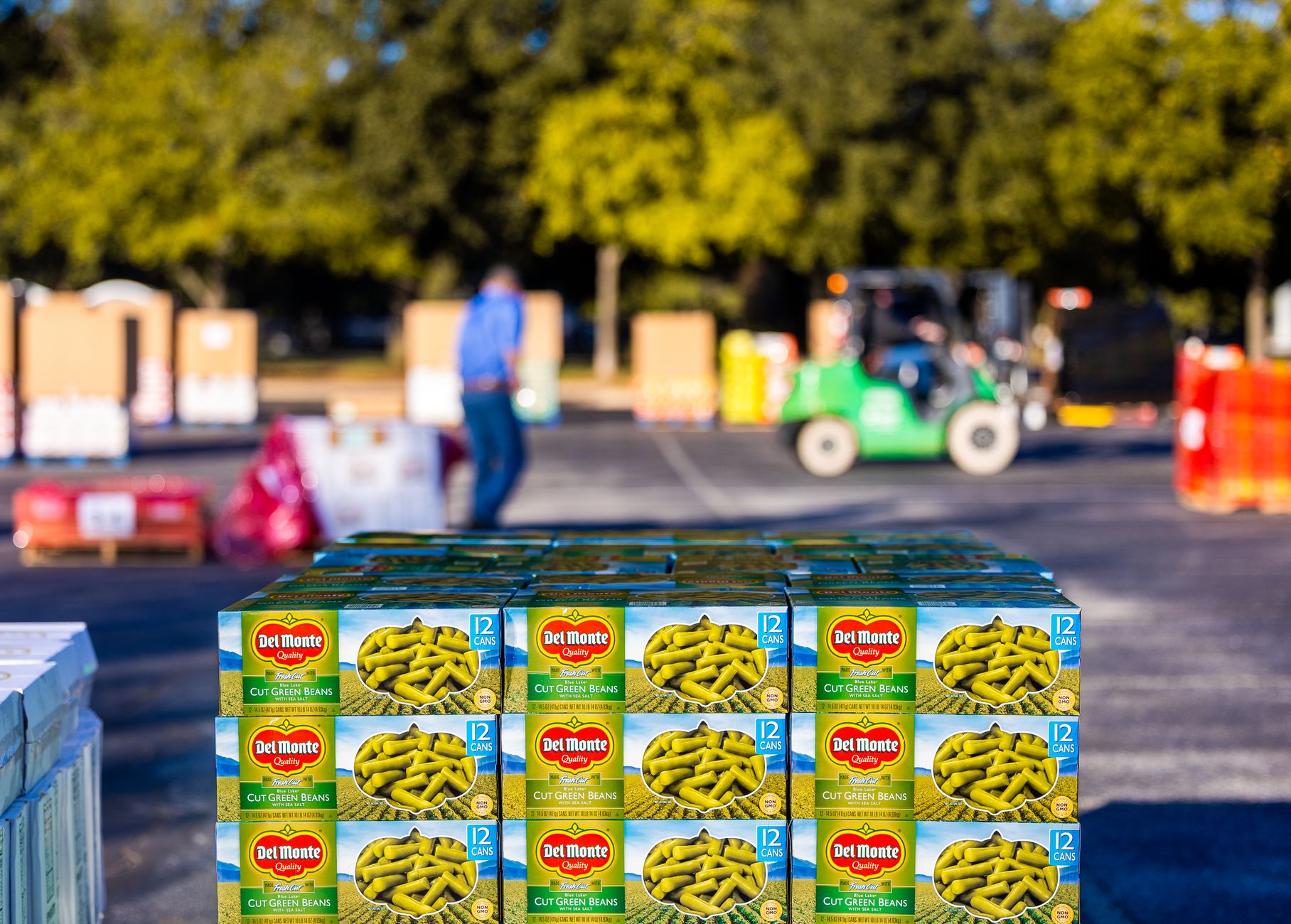
A cobot is a good fit for a Houston palletizing station when the same kind of case is stacked the same way for most of a shift. Stable case size, a fixed pattern and a steady feed from the line are the conditions that let a robot handle the repetitive lifting without constant intervention. A cobot fits poorly where pallets change often, loads are mixed, or the person at the station also has to inspect, relabel and repair in ways a robot cannot judge.
The decision is rarely robot versus crew. In most Houston sites it is one robot plus fewer staff, with people covering loading, load checks, exceptions and changeovers. The useful question is which hours of the palletizing job are repetitive enough to hand over, and which hours still need judgment.
For context on the wider market, the International Federation of Robotics preliminary figures published in June 2026 put U.S. industrial robot installations at about 38,000 units in 2025, up 11 percent. That is a sector trend, not a palletizing count, and we did not find a palletizing-specific installation figure for this run.
What does a palletizing worker actually do in a shift in Houston?
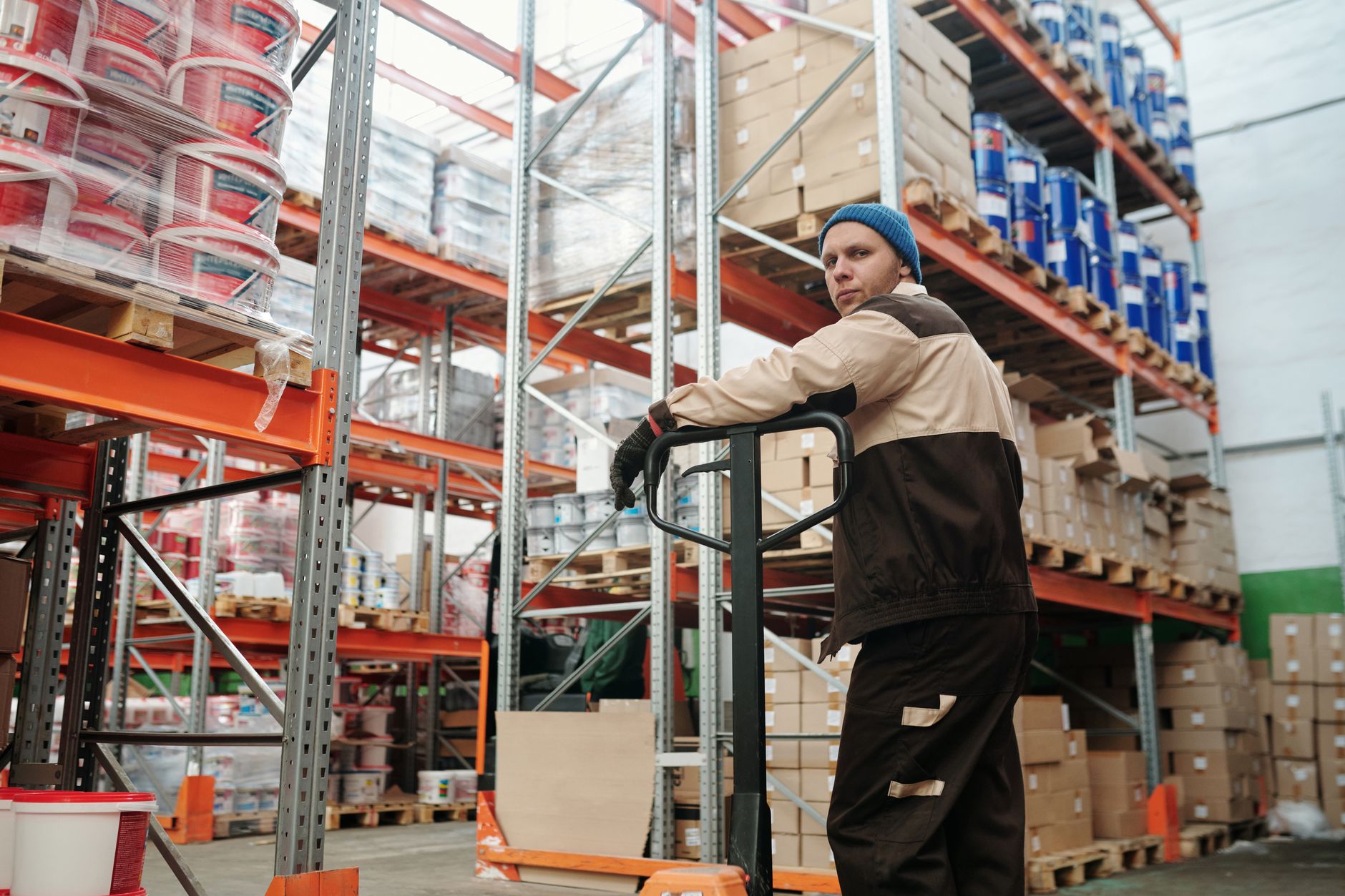
On a palletizing line the worker is rarely only stacking. The core job is taking cases or bags from a conveyor or staging area, placing them in a set pattern on a pallet, and keeping the stack square enough to wrap and move. Between pallets the worker swaps empty pallet supply, clears jams, checks labels and moves full pallets to the wrapper or staging lane.
Most of the hours go to repetitive handling, which is why the job is hard on the body. A worker lifts, turns and places the same case type again and again, and the pace often drops as a shift runs on. Changeovers are where experienced staff add the most value. A new case size or pattern means resetting the layout, checking stability and confirming the count with a supervisor before full release.
Houston sites also have peaks. Seasonal volume and inbound schedules change how many pallets come through in a given week, so the work can be steady one week and bursty the next. Read your own shift records for that pattern before deciding how much of the shift is truly repetitive.
Median hourly wage, Laborers and Freight, Stock, and Material Movers, Hand
$4,231
Monthly cost of one full-time worker in Houston, TX, at the median wage plus payroll costs (an estimate, not a quote).
Which parts of palletizing can a cobot take, and which can it not?
A palletizing cobot is strongest on the fixed, repeatable core of the job. It picks cases from a known infeed position, places them on a pallet in a programmed pattern and repeats that cycle without fatigue. It works best when case size and weight stay within a known range and the pattern changes rarely.
Some parts still need people, or a different machine. The split depends on your site more than on any single robot model, so treat the list below as a starting point for the site assessment.
- Usually the robot: stacking to a fixed pattern from a stable infeed, sustained repetitive placement, layer after layer, and a steady cycle at a known case size.
- Usually staff: pattern decisions when a load changes, load stability checks, damaged or off-spec case handling, pallet supply and loading, jam clearing and recovery, and label or exception review.
- Changeovers are part of the true workload. Each new pattern or case format needs setup, testing and sign-off, and a cell designed for a few known patterns is a different job from one asked to handle many.
- Repetitive stacking at one station
Cobot
Runs the same placement cycle with no fatigue build-up across the shift.
Palletizing Worker
Steady at first, but the pace tends to slow and the strain builds as the shift runs on.
- Mixed or irregular loads
Cobot
Needs a programmed pattern and setup for each new format.
Palletizing Worker
Adapts on the spot and handles odd cases without a setup step.
- Changeovers
Cobot
Planned setup, test pallet and sign-off before full release.
Palletizing Worker
Quick on a one-off change once trained, which is where people win.
- Load checks and damage
Cobot
Can stop on a sensor but cannot judge a shifted, leaning or damaged load.
Palletizing Worker
Sees a lean, a crushed case or a bad label and decides what to do.
- Exposure to one absence
Cobot
One trained person can cover the cell, so a single absence leaves less of a gap.
Palletizing Worker
Each absence or resignation leaves the station short until a replacement is trained.
- Off-hours coverage
Cobot
Runs through a shift when pallet supply is stocked and monitored, with a person on call for faults.
Palletizing Worker
Needs a scheduled shift, and overtime or sick-day cover when people are absent.
What does the Houston labor picture look like for this job?
The government wage data on this page for laborers and freight, stock and material movers in Houston is shown in the panel beside this text. Use it as the wage baseline for the job, then build the rest of the picture from hours, coverage and turnover, because those drive what a staffed station really costs you in practice.
The Houston metro is a large pool for this work. According to the BLS occupational employment and wage data for May 2023, Houston-The Woodlands-Sugar Land had 58,310 jobs in laborers and material movers, ranking third among metros in that release. We could not confirm the May 2024 Houston count in this run, so the 2023 figure is the most recent one we can cite. That group is broader than hand palletizing.
Transportation and material moving is a large share of the local job market. According to the BLS Houston release for 2026, the group made up 9.5 percent of Houston-area employment in May 2025, among the highest shares in the area. A palletizing line therefore competes for workers with warehouses, carriers and other material handling employers hiring from the same pool.
Payroll totals show the same base in motion. According to FRED using BLS data, transportation, warehousing and utilities payroll employment in Houston was about 205,700 in December 2025, up from about 196,600 in September 2025. The Greater Houston Partnership, using Texas Workforce Commission data, reports that metro Houston added 14,800 jobs in 2025, growth of 0.4 percent against a 1.5 percent decade average. Slower overall growth does not remove the need to cover each shift, so the question is still how many people you must keep on that station.
How much turnover, overtime and sick time should you plan for?
The turnover data we could verify covers the whole transportation, warehousing and utilities sector, not palletizing alone. We did not find verified Houston figures for overtime, night shift or sick-day rates for this occupation, so plan the staffing model with that gap in mind and measure your own numbers before you commit.
What the data does show is movement. According to the BLS Job Openings and Labor Turnover Survey, January 2026 release, hires in transportation, warehousing and utilities fell by 67,000 that month, and layoffs and discharges dropped by 55,000. A single month does not tell you your own turnover, but it shows how quickly the labor pool can shift under a fixed schedule.
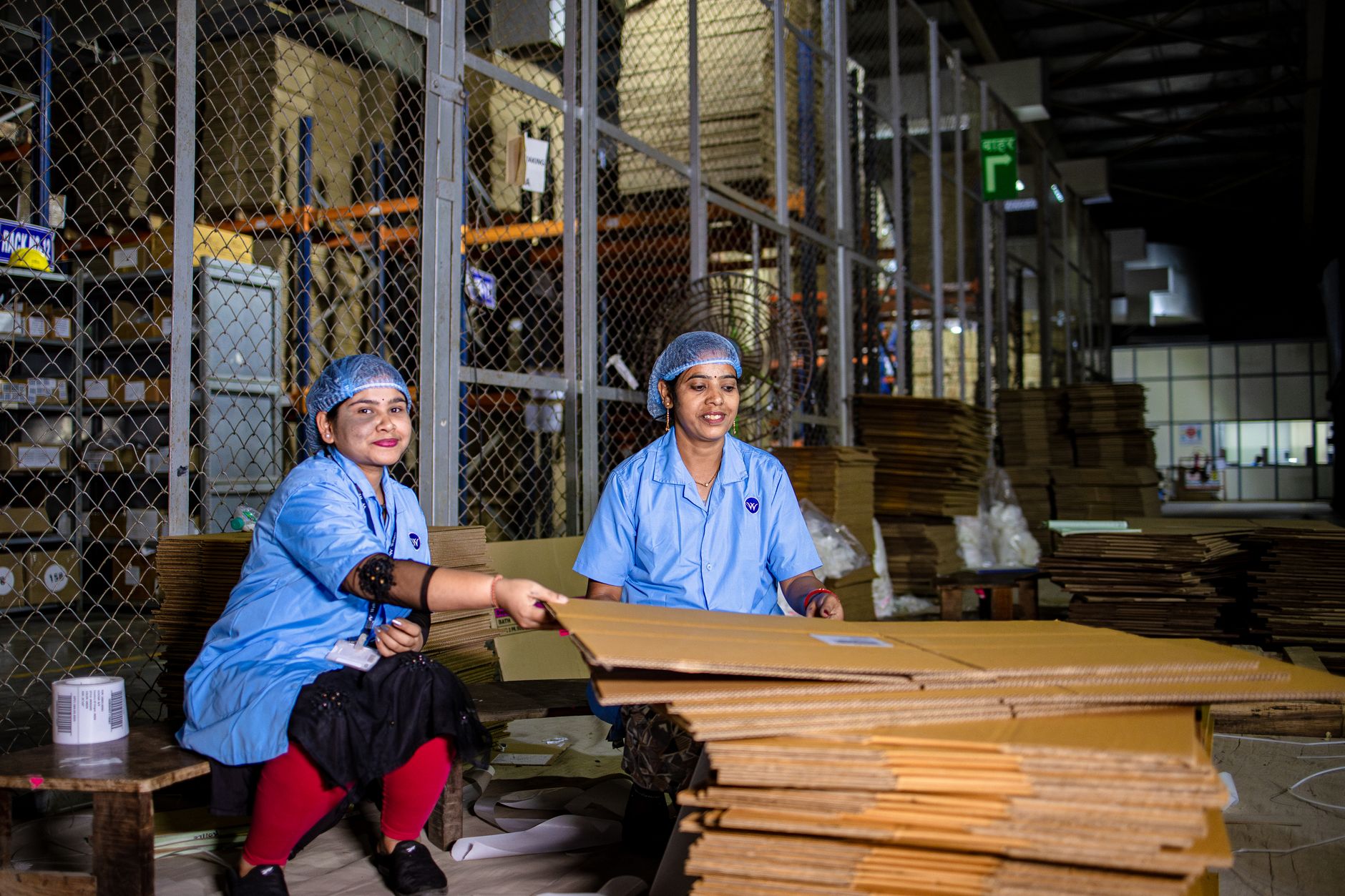
For your own site, the practical measures are how many hours a week the palletizing station is covered by a named, trained person, how many shifts go unfilled, and how often the station runs short-handed. A station that depends on one or two people for every shift is exposed the moment someone leaves. That exposure is what a robot cell reduces, more than the average wage does.
How does a team work with a palletizing cobot?
The team that works best pairs one robot cell with fewer people, never zero people. The robot takes the repetitive placement. A trained person handles loading, load checks, exceptions, pallet supply and changeovers, and can cover more than one cell when the line runs steadily.
Training is where most rollouts succeed or fail. Staff need to know how to recover the cell after a stop, how to clear a jam under the guarded procedure, when to call for help, and how to confirm a pattern before a changeover. We train staff as part of deployment, and the training covers both the normal cycle and the recovery steps.
Plan the shift around the robot's stops, not against them. A cell that stops for a pallet swap or a jam needs a person ready to resume it within the same shift, and the team should know which faults they can clear and which need service. Faults outside the team's scope go to our nationwide service.
What can a palletizing cobot not do?
A cobot will not judge a damaged case, a shifted load or a pallet that is leaning. It can be set to stop on a sensor, but a person still has to decide whether a load is safe to wrap and ship. Keep that decision with staff, and write it into the work instructions.
It cannot cover a station with no infeed. A robot cannot pull cases from a stalled line or restock pallets on its own, so upstream and downstream flow matters as much as the cell itself. A cell on a starved line only sits idle.
It does not handle sudden pattern changes well without a planned changeover. Expect setup time for each new pattern, and expect the first few weeks of running to show where the layout and the guarding need adjustment.
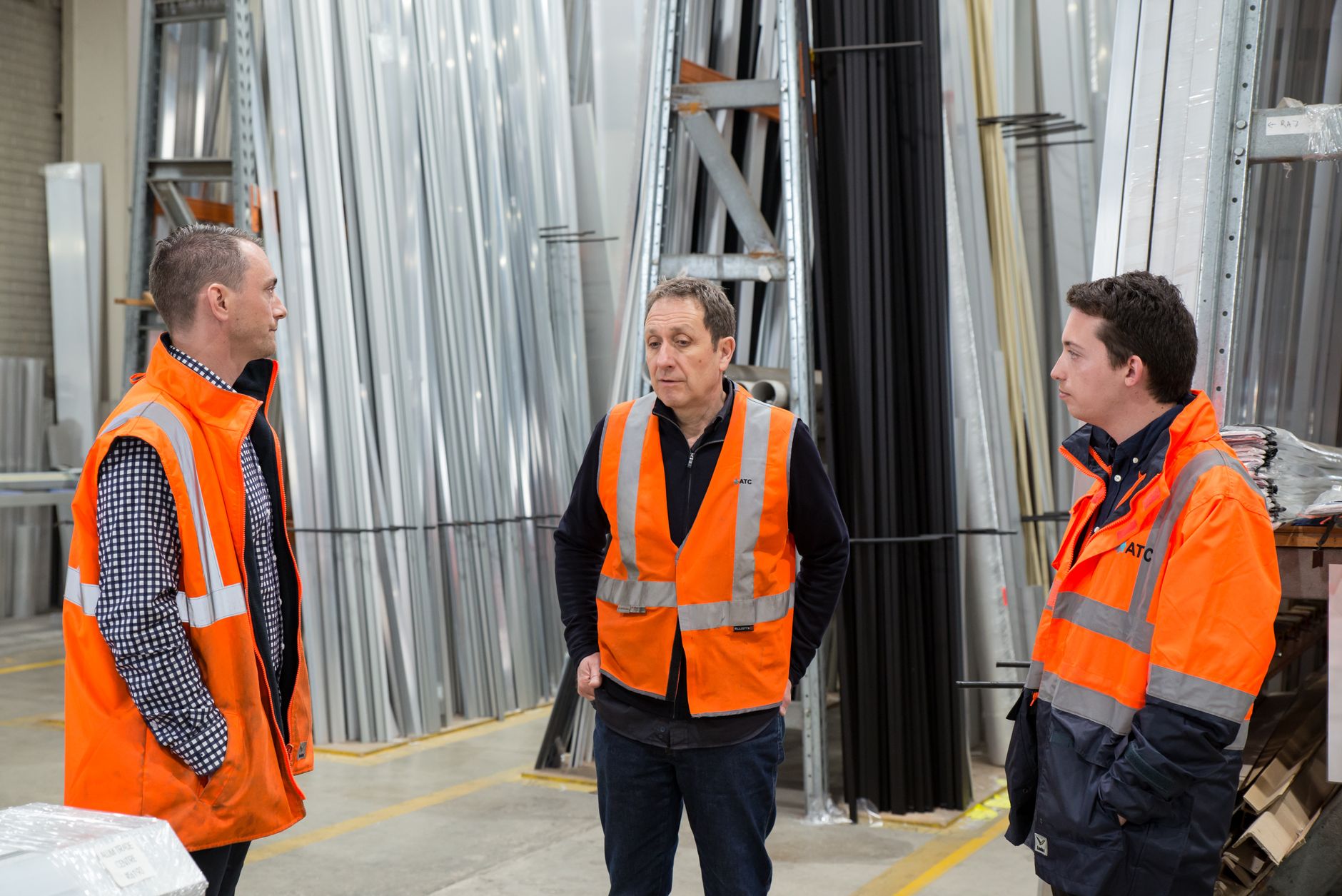
It is also not a shortcut around safety. A cell needs guarding, clear lanes for staff and a rule for who enters the work envelope during operation. A robot takes out repetitive lifting, but the injury data below shows why the rest of the layout still needs attention.
How risky is palletizing work, and what do injury data show?
Material moving is one of the most hazardous occupational groups in the US. According to a summary of BLS fatal injury data published by ISHN, transportation and material moving had the most fatalities of any occupational group in 2024, at 1,391, with a rate of 12.5 per 100,000 full-time equivalent workers, down from 13.6 in 2023. The BLS fatal injury release is the place to confirm these exact figures before they go into a formal report.
Nonfatal injuries follow a similar pattern. According to the National Safety Council summary of BLS 2023 to 2024 data, transportation and material moving had 805,900 DART cases, which is 27 percent of the total, and 468,830 days-away-from-work cases, which is 26 percent. BLS has moved to a biennial schedule, so the next release will not come every year.
These are whole-group figures. They do not isolate palletizing, but they explain why lifting, repetition and heavy handling are a reasonable target for automation. The safety case for a cell rests on taking the most repetitive lifts away from people and on a guarded layout that keeps staff out of the arm's reach.
How do you get started with a palletizing cobot in Houston?
Start with the station, not the robot. Map the infeed, the pattern set, the pallet supply, the exit lane and the staff routes. We run a free site assessment that covers those points, and the lease is quoted after that assessment, so you see the terms for your own floor and line.
We pick the robot for the site, lease it through financing, deploy and integrate it, train the staff and service it nationwide. A phased start is often the easier path. Begin with one leased unit on the station with the most repetitive load, measure coverage and fault time over a set period, then decide on the next station.
Ask the same questions of any integrator, including us. Who services the cell after go-live, how fast a fault is handled, what happens to coverage while a unit is down, and whether the lease terms are written out in full. A clear answer on those points tells you more about a cobot vs palletizing worker decision in Houston than a demo does.
Frequently asked questions
Put a robot to work in Houston.
We walk your site, learn the job, and recommend the unit that fits. Then we quote the lease, deploy it, and keep it serviced.
Sources
- US Bureau of Labor Statistics, Occupational Employment and Wage Statistics (OEWS May 2024)
- BLS Occupational Employment and Wage Statistics, May 2023, Houston-The Woodlands-Sugar Land
- BLS Houston occupational employment and wages release, 2026
- FRED, Houston transportation, warehousing and utilities payroll employment (BLS data)
- Greater Houston Partnership, Houston Economic Glance, February 2026 (Texas Workforce Commission data)
- BLS Job Openings and Labor Turnover Survey, January 2026 release
- ISHN, summary of BLS fatal injury data for 2024
- National Safety Council, summary of BLS 2023 to 2024 nonfatal injury data
- International Federation of Robotics, preliminary U.S. industrial robot installations, June 2026