
The short answer
Choosing a cobot vs palletizing worker in Jacksonville comes down to how repetitive the pallet build is, how many pattern changes happen each shift, and how many shifts the line runs. A cobot fits a steady, repeating build at one fixed station with at least one trained person on every shift. It does not fit lines with frequent pattern changes, irregular or damaged loads, or volume too low to carry a lease.
Key takeaways
- A cobot fits a steady, repeating pallet build at one fixed station, not a line with frequent pattern changes.
- Every shift still needs a trained person, so the realistic model is a robot plus fewer staff.
- Jacksonville has a large logistics labor pool, but turnover and overtime figures must come from your own site records.
- The biggest risks are feed, dock and service downtime, more than the arm itself.
- Start with a free site assessment and one leased unit before committing to a full line.
Cobot vs palletizing worker in Jacksonville: which fits?
A cobot is a collaborative robot arm that stacks cases onto pallets at a fixed station and works alongside people. A palletizing worker does the same stacking by hand, and can also read a changed pattern, catch a damaged case and fix a leaning stack on the spot. Adoption is growing: according to the International Federation of Robotics, new cobot installations reached 66,000 units in 2025, or 11 percent of all industrial robot installations.
Jacksonville is a large logistics market, so palletizing labor is common and competitive. According to the Federal Reserve Bank of Atlanta, Jacksonville metro employment topped 750,000 in 2024 for the first time, with transportation and warehousing among the sectors adding jobs. The City of Jacksonville says 13.2 percent of local employees work in supply chain logistics. Those figures describe the local labor pool, not your line, so the decision still has to rest on your own shift records.
In short, a cobot fits a steady, repeating build with at least one trained person on every shift. It does not fit a line that changes patterns every few hours, handles irregular or damaged loads, or runs too little volume to justify a lease.
What does a palletizing worker actually do in a shift?
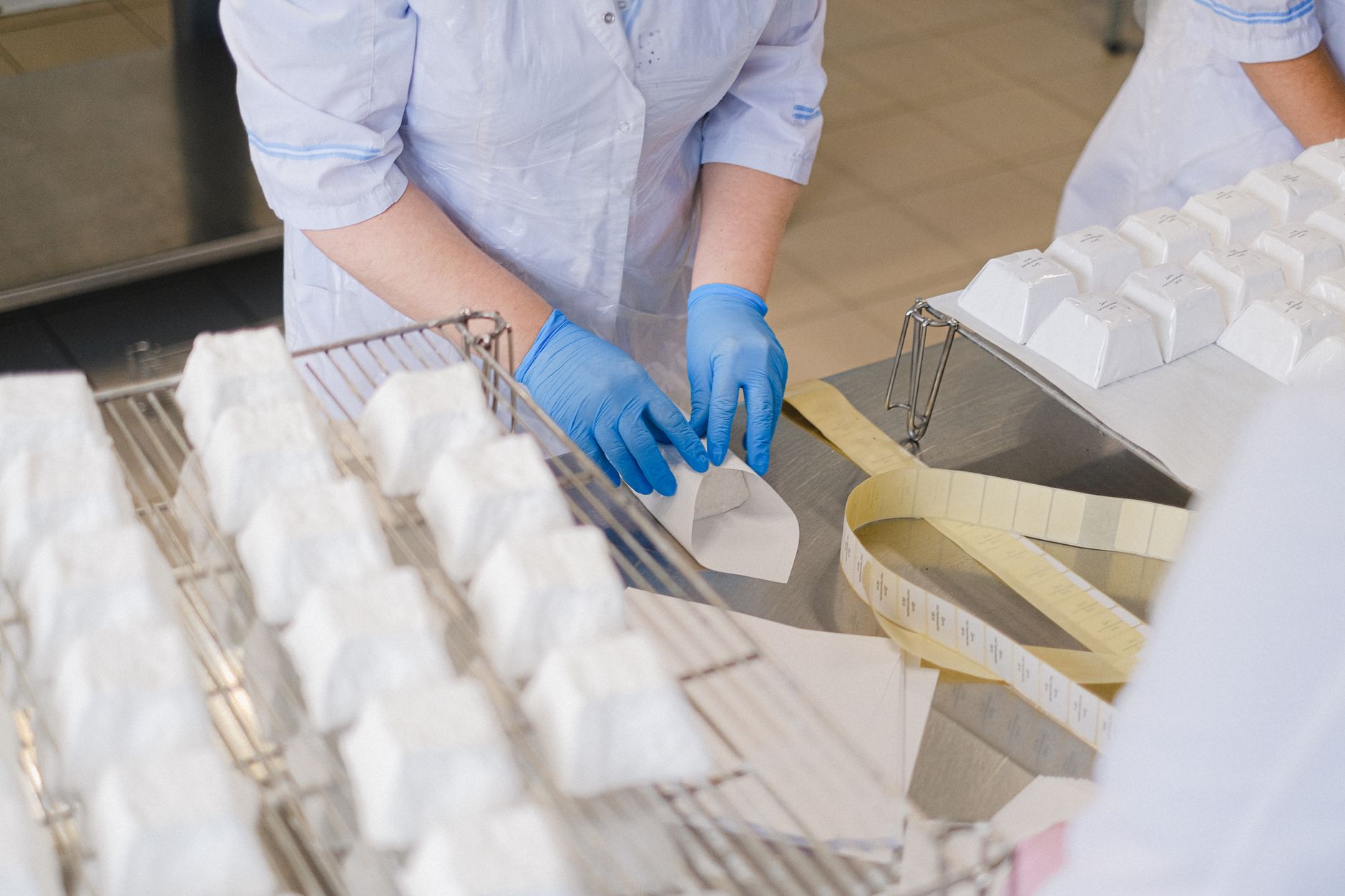
The job is more than stacking. A worker takes cases from an infeed conveyor or staging area, reads the pallet pattern from a sheet or screen, builds each layer, checks height and overhang, places slip sheets or corner boards, and moves the finished pallet to a wrap station or the dock. Each step is short, but the steps repeat for the whole shift, and the person has to keep the stack square the entire time.
The physical load is the reason this work gets reviewed for automation. According to the Bureau of Labor Statistics Occupational Outlook Handbook, hand laborers and freight, stock and material movers have some of the highest injury and illness rates of all occupations, and the group held about 7.0 million jobs in 2024. Repeated lifting and bending are the parts of this work that automation can address most directly.
Our research did not find a published count of palletizing cycles or hours of palletizing per worker per shift. Treat any hours estimate as something to measure during a site assessment, not something to copy from a blog or a vendor page. The government wage data on this page covers the closest occupation in the government classification, for May 2024 in Jacksonville, so it sets the local benchmark for the people doing this work.
Median hourly wage, Laborers and Freight, Stock, and Material Movers, Hand
$4,261
Monthly cost of one full-time worker in Jacksonville, FL, at the median wage plus payroll costs (an estimate, not a quote).
Which parts of palletizing can a cobot take, and which can't it?
A cobot handles the repeated middle of the job well. It picks cases from a fixed infeed point, places them to a programmed pattern, and stacks layer after layer while staff watch the cell. When case sizes and the pallet footprint stay inside a known range, the program stays stable and the arm repeats the same motion all shift.
It handles variable parts poorly without added sensing. Mixed case sizes, damaged or bulging cases, loads that must be turned, and frequent switches between pattern recipes all push the work back toward a person, or toward more sensors and vision. Slip sheet placement, label checks and pulling a bad case out of a stack are usually better left to staff for now.
The arm is only one link. Infeed, outfeed, pallet dispensing and wrap usually need their own equipment decisions, and a site assessment maps each handoff before anyone picks an arm. A cell that stacks well but starves for cases is still a slow line.
Cell footprint is the other constraint. A cell needs room for the arm's reach, the infeed, empty pallet storage, full pallet staging and a safe path for forklifts. Our research did not find a published floor area for palletizing cells, so the footprint should come from the site layout drawing, not a rule of thumb.
- Repeat pattern at one station
Cobot
Holds the same motion and stack pattern all shift once the program is proven
Palletizing Worker
Slower to repeat exactly, but keeps care on every layer
- Changing pallet patterns
Cobot
Needs a new program or recipe for each pattern, which takes staff time
Palletizing Worker
Changes pattern from a sheet or screen with little setup
- Irregular or damaged cases
Cobot
Struggles with crushed cases and mixed sizes unless sensing is added
Palletizing Worker
Spots and handles damage, turns odd loads and removes bad cases
- Night and weekend coverage
Cobot
Runs on a fed infeed with a trained person reachable, never zero staff
Palletizing Worker
Needs a scheduled shift and cover for absences
- Fault recovery
Cobot
Stops at a fault and waits for a trained person to clear it
Palletizing Worker
Clears jams and re-squares a stack quickly
- Injury exposure
Cobot
Takes repeated lifting out of the arm's share of the job
Palletizing Worker
Still needed for infeed, checks and pallet handling, which carry their own lifting
What do the labor numbers say for Jacksonville?
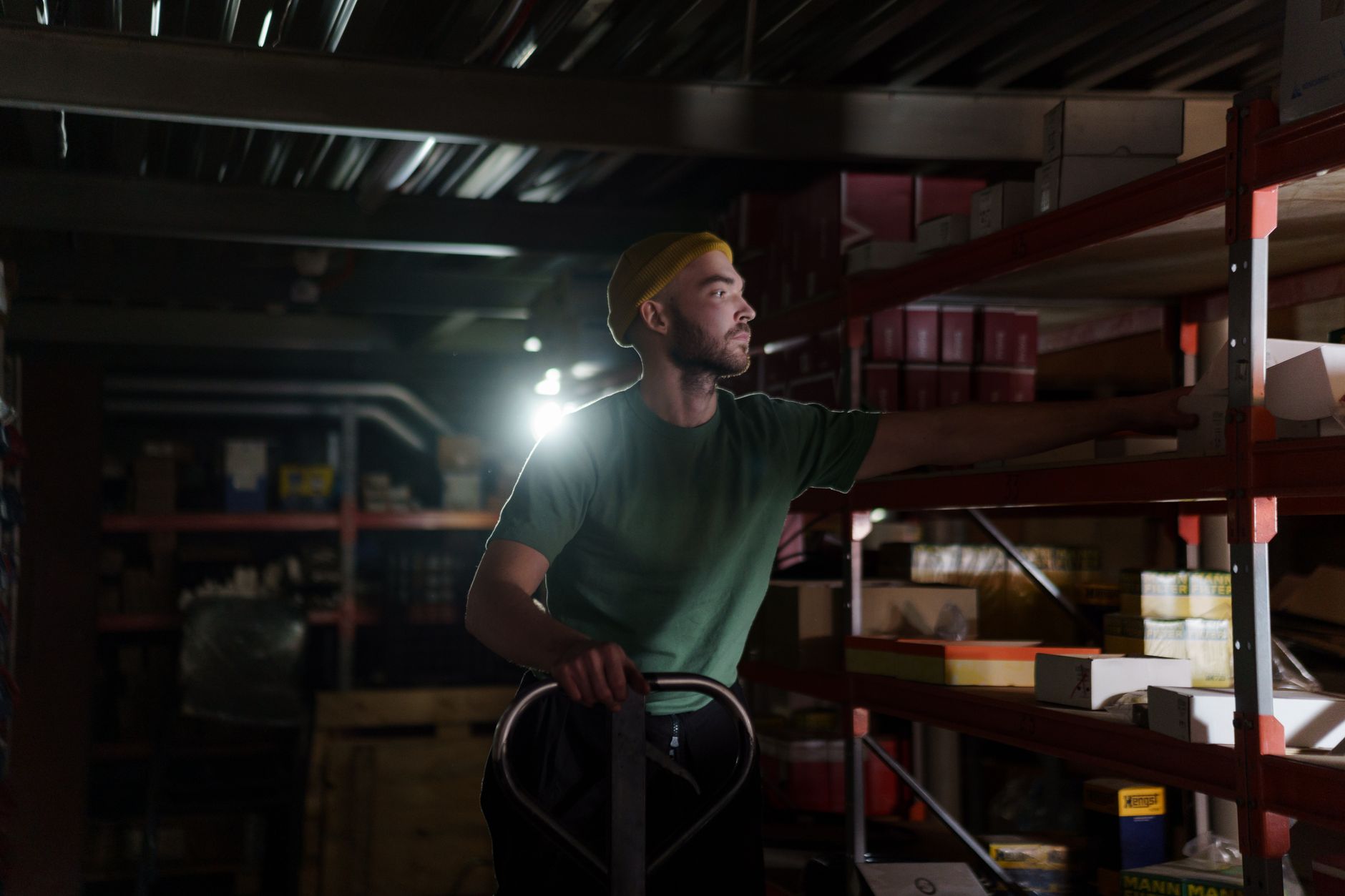
Jacksonville's logistics base is large. Federal Reserve Bank of St. Louis data show about 55,100 workers in transportation, warehousing and utilities in the Jacksonville metro in 2024, an annual average down from 55,200 in 2023 and 55,600 in 2022. Data for individual months peaked at 59,500 in December 2024. That broad sector is not palletizing alone, but it is the pool that palletizing hiring draws from.
Nationally, the Bureau of Labor Statistics counted about 3,008,300 jobs in the detailed occupation in May 2023, according to its Occupational Employment and Wage Statistics. The occupation is large, so the staffing pool is not thin on paper. Filling and keeping shift slots is a separate question, and your own records answer it.
Turnover is the number managers feel most. Our research did not find an authoritative 2025 survey figure for warehouse turnover, so we do not state a Jacksonville rate. A 2020 study by the National Employment Law Project reported turnover of about 124 percent at one large employer's New Jersey warehouses, compared with 72 percent at other warehouses in that state. That is one employer, in one state, from 2020, so treat it as a warning sign, not a benchmark.
Overtime, night shift share and sick days are the remaining labor levers. Our research did not find verified published figures for them in palletizing, so pull them from your own timekeeping. The injury rate for the broader group is the one hard national number we can cite here, shown in the figure below.
How does a team work with a robot?
A cobot changes the shift. It does not remove the shift. The usual pattern is one or two trained people who load infeed, swap pallets, clear faults, run quality checks and handle exceptions, while the arm does the stacking. We design for a robot plus fewer staff, not for a line with zero staff.
Coverage is the planning point most sites miss. Breaks, absences and a dropped shift still need a trained person in reach, and one operator cannot both feed a cell and clear its faults at the same time. Keep a second trained person on the schedule for each shift the cell runs.
Training is short when the cell is set up well. Staff need to know how to clear a fault, read the pattern recipe, stop the cell safely and call for help. We cover those steps in go live support, and a short refresher is worth running whenever a pattern changes.
Assign one supervisor to own the cell, name a contact for faults, and keep a log for every stop. The first months then produce data the team can trust when it reviews the cell.
What can't a cobot do?
A cobot cannot improvise. A pallet with a crushed corner, a case jammed on a conveyor, or a customer change late in the afternoon all need a person to decide what happens next. The cell waits for that decision.
It cannot run on an empty feed. The arm is only as steady as the supply of cases and empty pallets. A stopped infeed or a missing pallet stops the cell, so the upstream process matters as much as the arm.
It cannot promise uptime without service. Ask what happens when a part fails, how fast a technician can be dispatched, and whether a spare unit is available while the cell is repaired. Downtime, more than the arm itself, is usually the risk worth checking first.
It cannot fix a messy process. Automating an unclear pattern rule or an inconsistent case size usually locks the mess into the program. Clean the process first, then automate it.
Is a cobot worth it for a palletizing line in Jacksonville?
Payback depends on the local wage for this job, the shifts you run, the overtime and absence cost you carry, and how much of the line the arm can take. Any cobot vs palletizing worker in Jacksonville comparison only holds up when the inputs come from your site. We do not give a payback figure on this page, because the inputs are specific to each site and any number not built from your records would be a guess.
Compare the fixed robot lease payment with the labor the cell replaces, including sick day cover, overtime and training time, not only base hours. Ask whether maintenance, a backup unit and insurance are inside the quote. A lease that leaves downtime to you does not remove the risk you are paying to reduce.
Start small when the pattern set is still changing. One leased unit on one line lets you prove the recipes and the feed before you commit to a second cell. That phased path is often the better decision than a full line plan on day one.
How do I get started with a cobot lease in Jacksonville?
Start with the pallet pattern, not the robot. Gather the SKU list, case dimensions and weights, the number of patterns per shift, and the shift schedule for the last three months. Those records answer most scoping questions before anyone visits the site.
We are a US commercial robot integrator. We pick the robot for the site, lease it through financing, deploy and integrate it, train staff and service it nationwide. Start with a free site assessment, where we map the feed, the dock and the layout. The lease is quoted after that assessment, so the terms reflect your load and layout rather than a generic catalog.
Deployment can be phased so the line keeps running. Go live support, on-site dispatch, remote triage and spare unit coverage are part of the program, and a backup robot program keeps the cell running while a unit is serviced. If the pattern set is still moving, start with one leased unit and expand after the first shifts run clean.
How do shift count and pattern changes change the answer?
A single shift with one repeating pattern is the clearest case for a cobot. The arm covers the stacking, staff cover the feed and the exceptions, and the cell runs a predictable load. Each added shift or pattern change adds recipe work and coverage, so the case weakens unless the cell runs long enough to carry it.
A cell that runs on a night shift still needs a trained person on site for faults and feed, so the cost is a staffing schedule, not zero labor. Count that when you compare the cell with a night crew.
Pattern variety is the hidden cost. Each new recipe needs a proof stack, a check and a training note for staff. A line that changes recipes twice a week is not the same job as one that runs the same build for a quarter, even when the arm and the floor are identical.
Frequently asked questions
Put a robot to work in Jacksonville.
We walk your site, learn the job, and recommend the unit that fits. Then we quote the lease, deploy it, and keep it serviced.
Sources
- US Bureau of Labor Statistics, Occupational Employment and Wage Statistics (OEWS May 2024)
- Bureau of Labor Statistics, Occupational Outlook Handbook: Hand Laborers and Material Movers
- Bureau of Labor Statistics, injury and illness snapshot: Laborers and Freight, Stock, and Material Movers, Hand, 2016 to 2020
- Bureau of Labor Statistics, Occupational Employment and Wage Statistics, May 2023
- Federal Reserve Bank of St. Louis, economic data series for Jacksonville transportation, warehousing and utilities
- City of Jacksonville, Office of Economic Development: Workforce
- International Federation of Robotics, President's Report 2026
- Federal Reserve Bank of Atlanta, Jacksonville job market analysis
- National Employment Law Project, Dead End Jobs report on New Jersey warehouses