

The short answer
For a cobot vs palletizing worker in Las Vegas decision, the robot makes sense when the stacking is steady, the case flow is uniform and shifts are hard to fill. A palletizing worker is the better choice when volume is low or irregular, product changes are frequent, or the line depends on a person to inspect and correct as it runs. For most sites the best fit is one palletizing robot working alongside the staff already on the line, not in place of them.
Key takeaways
- A palletizing robot works best on steady, repetitive stacking with a short list of pallet patterns.
- Keep at least one trained person on every shift for faults, supply, exceptions and changeovers.
- Hard-to-fill night and weekend shifts are the strongest reason to look at a robot.
- Use the government wage data on this page together with your own overtime and absence records.
- Start with one leased unit and a free site assessment before deciding on more.
Cobot vs palletizing worker in Las Vegas: when does a robot make sense?
For a Las Vegas operation, the robot makes sense when the stacking is steady and the labor is hard to keep filled. That usually means the same few cases coming off the line in the same pattern for long stretches, with night or weekend shifts that are difficult to staff. It does not make sense when volume is low, the pallet patterns change many times a shift, or the line depends on a worker to inspect and correct as it runs.
Treat this as a staffing decision before it is a machine decision. The government wage data on this page gives the local wage for this job in Las Vegas, which tells you what a shift takes to staff. The rest of the answer depends on how many hours the stacking really takes, how often shifts go unfilled and how often the line changes, and those are measured on your own floor.
When does a palletizing robot make sense for a Las Vegas business?
A palletizing robot is a good candidate when the line is predictable. Look for a steady infeed, uniform case sizes, a fixed pattern for most of the run and at least a few shifts a week that you cannot fill with trained people. Las Vegas has a large transportation, warehousing and utilities base, so logistics hiring competes for the same workers, and that competition is worth weighing.
Skip the robot or delay it when the line is short, the products change often or a person has to look at every pallet. Reprogramming and re-fixturing for a new pattern takes planning, so a trained worker who can rebuild a stack in minutes often fits a low-volume, high-variety line better. Be honest about this on day one, because a robot that sits idle leaves the same staffing gap in place.
Median hourly wage, Laborers and Freight, Stock, and Material Movers, Hand
$4,322
Monthly cost of one full-time worker in Las Vegas, NV, at the median wage plus payroll costs (an estimate, not a quote).
- Shift coverage
Cobot
Runs the stacking pattern through a full shift when fed and maintained
Palletizing Worker
Covers breaks and absences, but each open shift has to be filled
- Pattern changes
Cobot
Needs programming and fixturing for each new pattern
Palletizing Worker
Changes pattern by hand within minutes once trained
- Damaged or irregular cases
Cobot
Struggles unless the system is designed to see and handle them
Palletizing Worker
Spots and corrects them as they come off the conveyor
- Night and weekend hours
Cobot
Runs the same way at 2 am as at 2 pm
Palletizing Worker
Harder to staff, with more turnover risk on off hours
- Setup before first pallet
Cobot
Assessment, installation and integration come first
Palletizing Worker
Onboarding and training for each new hire
- Repetitive lifting
Cobot
Takes over the repeated lifting at the stacking station
Palletizing Worker
Carries the strain of repetitive lifting across the shift
What does a palletizing worker actually do in one shift?
A palletizing worker keeps the station fed and the stack correct. The work includes staging empty pallets and slip sheets, building layers from cases arriving on a conveyor, rotating patterns where the layout calls for it and moving full pallets to staging or wrap. Most of the motion is repetitive, and the same few movements repeat across the whole shift.
The judgment part is smaller but important. A worker spots a crushed case, catches a mislabeled product, re-stacks a leaning load and clears a jam before it stops the line. Those tasks are where a person adds the most, and they are the main reason to keep staff on the line even with a robot in place.
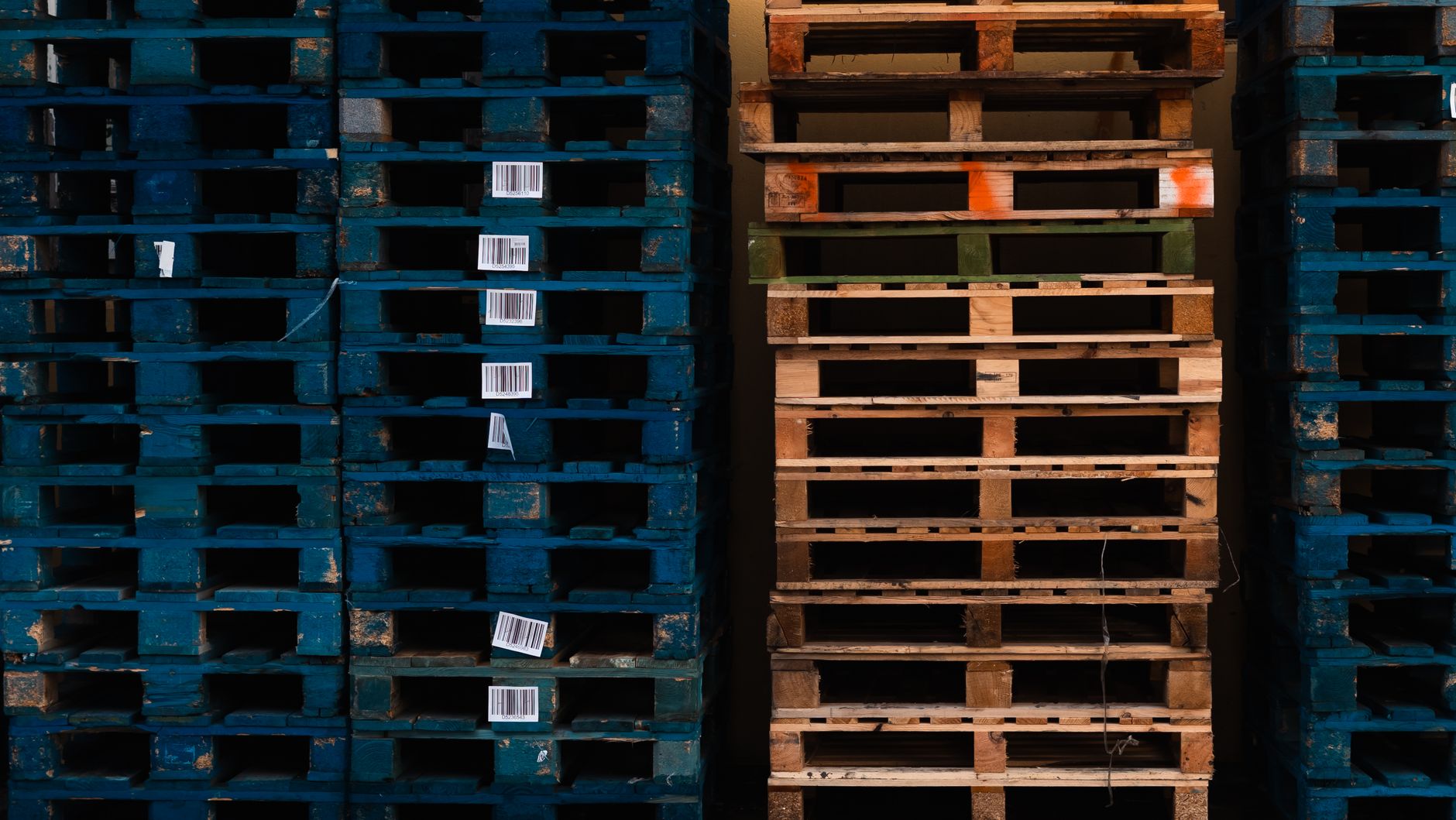
Which palletizing tasks can a robot take, and which can it not?
A palletizing robot does well on the repetitive stack. It picks uniform cases from a fixed point and places them in a programmed pattern, layer after layer, with the same motion each time. Some systems also handle pallet dispensing and slip sheets, depending on how the cell is designed.
The split below is typical, but the exact line depends on the case mix and the cell design. Confirm it during the site assessment, not from a general list.
- Can take: building layers from uniform, stable cases on a fixed infeed
- Can take: repeating one or a few programmed patterns for a full run
- Can take: placing slip sheets and dispensing pallets where the cell includes a dispenser
- Stays with people: clearing jams, correcting damaged or mislabeled cases and handling exceptions
- Stays with people: changing patterns across many products, and wrap, label checks or forklift moves unless the site adds equipment for them
How many hours does palletizing take, and what does the labor picture show?
No verified palletizing hour figure for Las Vegas is published, so the hours on this page come from your shift records and the site assessment. The national context is steady. According to the Bureau of Labor Statistics Occupational Outlook Handbook, about 7.0 million people worked in hand laborers and material movers jobs in 2024, with projected growth of 4 percent from 2024 to 2034, an employment change of 258,400.
Locally, the Federal Reserve Bank of St. Louis (FRED) series for transportation, warehousing and utilities in the Las Vegas-Henderson-North Las Vegas metro shows 78.0 thousand jobs in December 2025, not seasonally adjusted, up from a 69.1 thousand annual average in 2022. The Nevada statewide transportation and warehousing series reached 102.8 thousand in December 2025. These are broad sector counts, not palletizing staff, so use them for context.
The wage panel on this page shows the government wage data for this job in Las Vegas, so use it to size the staff you already have, not as a single number for the decision. Overtime, absences and night shift premiums change what staffing really takes, and we did not verify figures for them, so pull those from your own timekeeping.
| Task | Today | With a robot |
|---|---|---|
| Layer building on a steady product | Most of the stacking time on a fixed pattern | Handled by the robot while staff watch the station |
| Pallet and slip sheet supply | Repeated trips to the pallet area | Fed by a dispenser or one person on a set cycle |
| Pattern changes at product change | Manual rework of the stack by a trained worker | Programmed changeover, with fixtures moved by staff |
| Fault clearing and jams | Stops and restarts by the nearest worker | Stays with staff, since faults still need a person |
| Inspection and wrap | Checks and wrapping by line staff | Stays with staff unless the site adds an automated wrapper |
No verified palletizing hour figure for this market is published, so measure your own shift logs and time studies during the site assessment before deciding which rows to count.
Do turnover and injury rates change the decision?

Turnover is a real factor on palletizing lines, but the national figure is an all-industry number, not a palletizing rate. According to the BLS Job Openings and Labor Turnover Survey release, the total separations rate for 2024 was 3.3 percent, down from 3.6 percent in 2023, with quits at 2.1 percent and layoffs and discharges at 1.1 percent. Use it as background, then measure your own turnover on the line.
Injury rates point the same way. A workplace safety vendor blog reports 2024 warehousing and storage rates of about 4.8 total recordable cases per 100 full-time workers and a DART rate of 4.1 per 100. We did not check those figures against the BLS injury table, so confirm them there before you cite them. The repeated lifting at the stacking station is the exposure a robot can reduce most directly.
How does a team work with a palletizing robot?
The team model is one robot plus fewer staff at the station, never a robot with zero staff. The robot runs the stack, and people handle the work around it: supply, faults, exceptions, inspection and changeovers. Most sites end up with the same people on the line but fewer of them tied to the stacking itself.
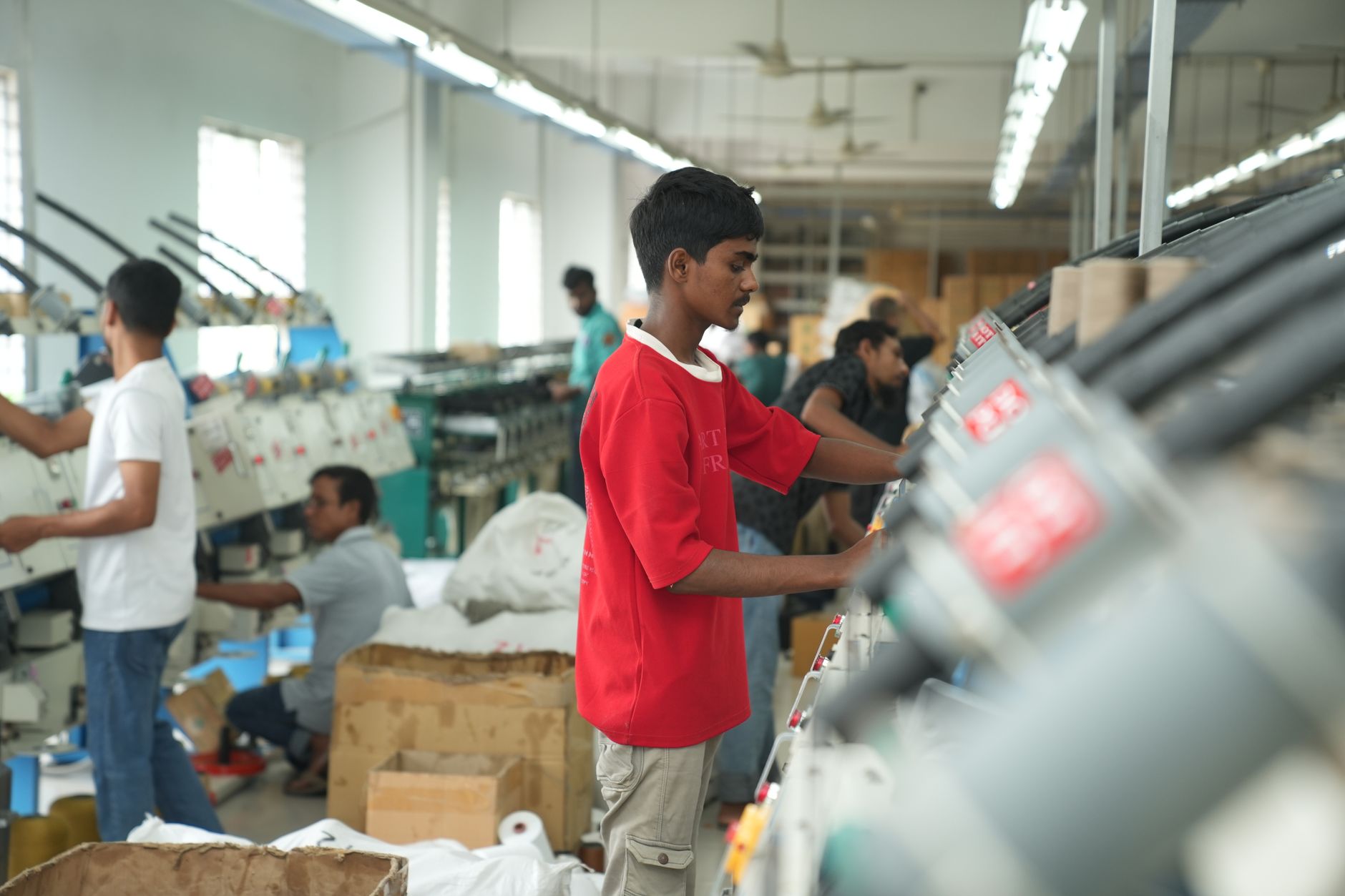
Cross train at least two people per shift so one absence does not stop the cell. Give the station lead authority to stop the robot, clear a fault and call service. The shift timeline below shows how a day with the robot and staff on the line typically runs.
What can a palletizing robot not do?
It cannot run a line alone. A stacking cell still needs supply, fault clearing, inspection and periodic maintenance, and a stop at the station is a stop for the whole line. It also cannot handle a case outside its design, such as a crushed carton or an unexpected size, without a person stepping in.
Changeovers take planning. A new pattern or product usually needs programming, fixture changes and a test run, so a line with many short runs gets less from the robot. Some tasks, including wrap, label checks and forklift moves, often stay with staff unless the site adds a separate machine for them. Confirm these limits in writing during the site assessment.
How common are cobots and palletizing robots in US manufacturing and warehouses?
Adoption is rising, but palletizing numbers are not published separately. According to the International Federation of Robotics preliminary 2025 figures, US industrial robot installations rose 11 percent to about 38,000 units, and food sector installations rose 30 percent to about 3,000. The same release put US robot density at 307 robots per 10,000 manufacturing workers, eighth globally.
A3 full year 2025 figures, as reported in trade press, put cobots at 19.6 percent of North American robot orders and 10.7 percent of revenue, with 7,212 units. In the fourth quarter alone, cobots reached 28.6 percent of orders, which trade press reported as a record for A3.
How do I get started with a palletizing robot lease in Las Vegas?
We are a US commercial robot integrator. We pick the right robot for your site, lease it through financing, deploy and integrate it, train your staff and service it nationwide. Lease terms come in a quote after a free site assessment, so nothing is fixed until we have measured your line.
Start small if you can. A phased deployment with one leased unit lets you test pattern changes, staff handoffs and fault response before you commit to more. Ask the assessment to cover infeed rate, pattern count, product changes and where people stand during a shift.
Bring your shift logs, overtime records and a list of unfilled hours. Those numbers, plus the government wage data on this page, give the assessment the labor picture it needs.
Frequently asked questions
Put a robot to work in Las Vegas.
We walk your site, learn the job, and recommend the unit that fits. Then we quote the lease, deploy it, and keep it serviced.
Sources
- US Bureau of Labor Statistics, Occupational Employment and Wage Statistics (OEWS May 2024)
- BLS Occupational Outlook Handbook, hand laborers and material movers
- FRED, Las Vegas-Henderson-North Las Vegas transportation, warehousing and utilities employment
- FRED, Nevada statewide transportation and warehousing employment
- BLS Job Openings and Labor Turnover Survey release
- Workplace safety vendor blog, warehouse statistics
- International Federation of Robotics preliminary 2025 release
- A3 full year 2025 North American robot orders, via trade press
- A3 Q4 2025 North American robot orders, via trade press