
The short answer
Cobot vs palletizing worker in Louisville/Jefferson County comes down to how steady the pallet pattern is and how heavy the cases are. A cobot makes sense when the same cases go to the same pattern all shift and each case stays within the arm's rated payload, while it does not make sense when case sizes or patterns change often, when loads are too heavy for a collaborative arm, or when the real goal is to cut people rather than the most repetitive lifts. The best result for most sites keeps at least one trained person on the line with the robot, and a site assessment that measures case weight, cycle volume and changeover frequency is the reliable way to decide.
Key takeaways
- A cobot fits steady, same-pattern palletizing, while people still handle pattern changes, damaged cases and exceptions.
- Heavy or highly variable loads push the decision toward a person or a different class of machine.
- Louisville has a large share of local jobs in transportation and material moving, well above the national share.
- National injury data for this occupational group is large, but no palletizing-specific injury rate was found, so measure your own line.
- Decide from measured cycle data at your site, not from a generic robot figure.
Cobot vs palletizing worker in Louisville/Jefferson County: when does a cobot make sense?
A cobot makes sense when palletizing is repetitive, the cases are uniform in size and weight, and the line runs steadily enough to keep the arm busy. In Louisville/Jefferson County that usually describes a plant or distribution site where the same products run most shifts and the main problem is repetitive lifting at the end of the line, not constant jams or product changes.
It does not make sense when the mix changes every shift, when the heaviest cases exceed what a collaborative arm can safely lift, or when palletizing volume is too low to keep a cell working. A person is often the better choice when pallet patterns are unusual, when every load needs close inspection, or when an existing automated palletizer already runs the line with little labor.
For most sites the honest answer is a hybrid: the robot builds the repeatable layers while people handle changeovers, damaged cases and quality checks. The staffing decision should follow from measured hours on your floor rather than from a headline.
What does a palletizing worker actually do in a shift?
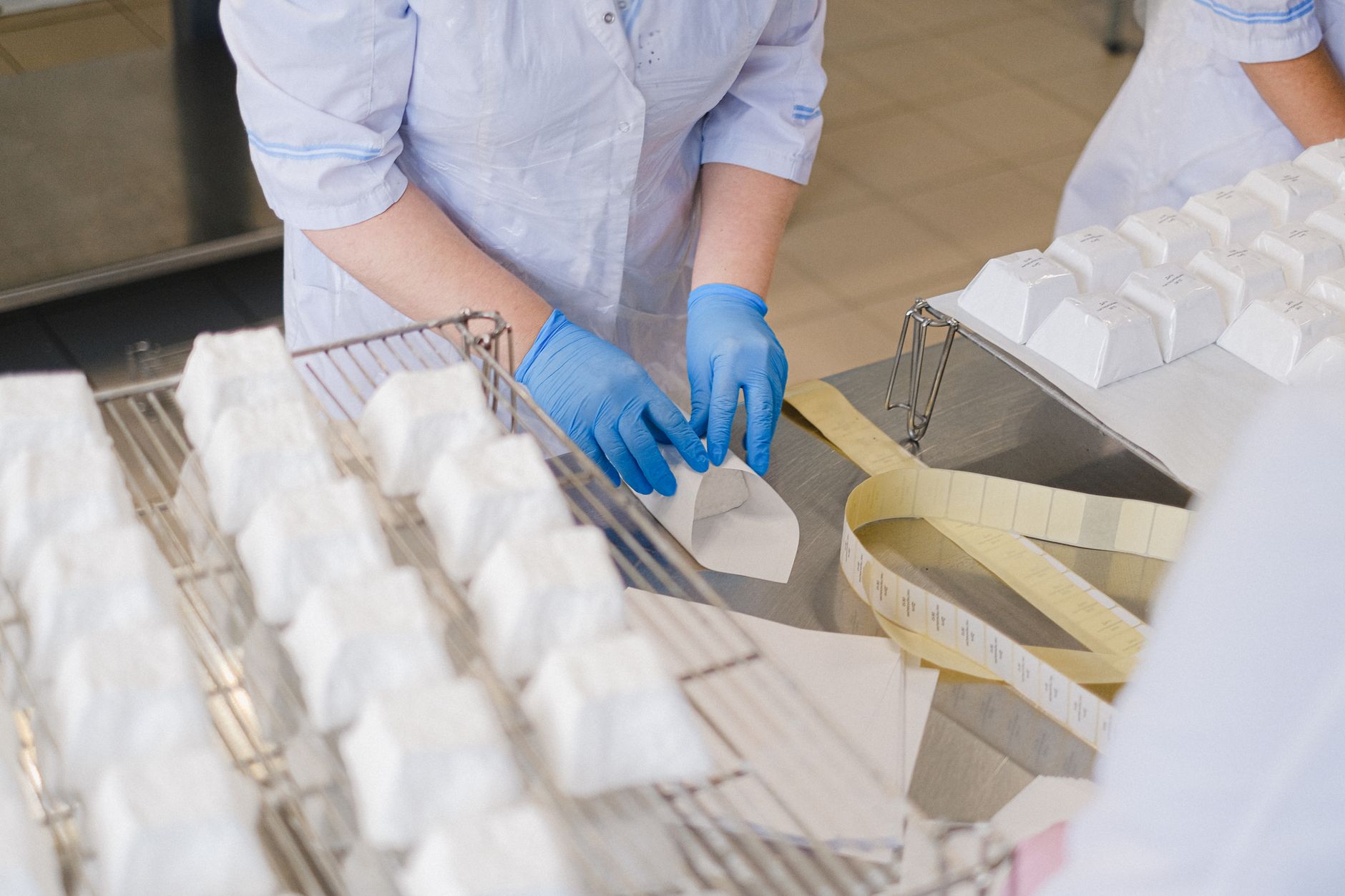
A palletizing worker takes cases off a conveyor or from a case packer and builds them onto a pallet in a set pattern, usually layer by layer. Between pallets the worker places slip sheets, checks that cases face the right way, keeps pallet dispensers and stretch film stocked, and moves full pallets to a staging lane or a wrapper.
Much of the shift is repetition, which is why the core motion suits a robot. The rest does not repeat: the worker clears jams, rebuilds a layer when a case arrives crushed or mislabeled, tags pallets when the line requires it, and tells a supervisor when the line is running badly. On a fast line, the worker also watches the infeed and flags out-of-spec cases to the upstream packer, which keeps the palletizer from absorbing problems that started earlier.
Quality problems often show up as shape. A leaning stack, a layer that sits off center or a pallet that rocks on the truck usually points back to the infeed or the last layer, so the worker reads the pallet as well as the count. A robot places cases to a program and does not judge the stack by eye, which is one reason a person stays on the station to inspect it.
How many people sit at a palletizing station, and how many hours each spends there, depends on line speed, case size and how often the product changes. Those are the figures to measure on your own floor, because this research did not find published staffing ratios or hours per palletizing task for a station like this.
Median hourly wage, Laborers and Freight, Stock, and Material Movers, Hand
$5,160
Monthly cost of one full-time worker in Louisville/Jefferson County, KY, at the median wage plus payroll costs (an estimate, not a quote).
Which parts of palletizing can a cobot take, and which parts can it not?
A cobot can take the core motion: picking uniform cases from a fixed infeed, placing them into a known pattern, and stacking layers in the same sequence every time. Vision guidance and stored pattern programs let one arm handle a small set of known pallet patterns, which covers many steady lines. Where the pattern is repeatable, the arm also holds placement consistent from the first pallet of the shift to the last, which is harder to keep up by hand over a long run.
It cannot take the parts of the job that need judgment or fall outside its reach and payload. Heavy cases can exceed a collaborative arm's rating, which may mean a larger industrial arm or a different cell. Damaged or off-spec cases, unusual labels, mixed pallets and jams still need a person, and so do dispenser refills and loading finished pallets onto trucks when that work sits outside the cell.
Ask any integrator to confirm payload against your heaviest case and reach against your top layer before agreeing to a layout. A layout that looks right on a drawing can still fail on a case slightly heavier than the sample you tested.
- Shift coverage
Cobot
Holds the same placement pace through a shift while the cell runs, with no fatigue from repeated lifts.
Palletizing Worker
Covers breaks, absences and off-hours work with any trained worker who is available.
- Heavy or awkward cases
Cobot
Works only within the arm's rated payload and reach, after the heaviest case has been tested.
Palletizing Worker
Can handle an odd or heavy case by hand within safe limits, where the arm cannot.
- Pattern changes
Cobot
Needs a program change and a test run for each new pattern.
Palletizing Worker
Rebuilds a pattern by eye and adjusts on the fly.
- Damaged or off-spec cases
Cobot
Stops, or needs a vision rule written for each defect type.
Palletizing Worker
Spots and pulls damaged cases as they arrive.
- Repetitive strain
Cobot
Takes over the repeated lifting that drives the strain injuries the handbook describes.
Palletizing Worker
Carries the strain of repeated lifts, which the handbook links to sprains, strains and overexertion.
- Flexibility
Cobot
Does one cell's job well and nothing else.
Palletizing Worker
Moves to staging, cleanup or another station when the line needs it.
What does the Louisville labor data show for this job?
According to the U.S. Bureau of Labor Statistics, Louisville had about 91,410 jobs in transportation and material moving in May 2025, equal to 13.3% of local employment, compared with 8.9% nationally. That is a large share of the local job base, which means this kind of work is a major part of the metro's employment rather than a niche.
The government wage data for Laborers and Freight, Stock, and Material Movers, Hand in this metro appears in the panel beside this text. Use that local wage as the baseline for the labor side of the comparison, and set it against the hours your line actually needs covered rather than against a headcount.
To turn the local labor picture into a staffing case, start with the hours the palletizing station runs each week, multiply by the people assigned to it at each shift, and add the overtime and open-shift hours from your records. That total is the coverage you need to replace or support. The wage data on this page gives the local baseline for that work, so the labor side is those hours at the local rate, set against the lease quote and the people who stay on the line.
Nationally, the Bureau of Labor Statistics Occupational Outlook Handbook reports about 6.9 million jobs for hand laborers and material movers in 2025, of which about 2,940,300 are in the Laborers and Freight, Stock, and Material Movers, Hand group. Training for the work is typically short-term and on the job, so turnover on a palletizing station shows up as repeated training time on the line.
What do injury and turnover data say about manual palletizing?
According to the Bureau of Labor Statistics Census of Fatal Occupational Injuries, transportation and material moving had 1,391 fatal work injuries in 2024, down 7.0% from 1,495 in 2023. The fatality rate for the group fell to 12.5 per 100,000 full-time equivalent workers from 13.6, and that group had more fatalities than any other occupational group that year, which shows the category carries real risk even though palletizing is only one task inside it.
The National Safety Council, summarizing Bureau of Labor Statistics injury data for 2023 and 2024, counted 468,830 days-away-from-work cases in transportation and material moving, 26% of the total. It also counted 805,900 DART cases, which involve days away, restricted work or job transfer, 27% of the total. The council notes that the Bureau changed its classification system starting with 2023 data, so counts may not compare with older years.
The Occupational Outlook Handbook notes that moving heavy objects around warehouses or onto trucks may cause sprains, strains and overexertion. That is the ergonomic risk a palletizing robot is meant to remove, but this research did not find a palletizing-specific injury rate, so measure the strain on your own line using your own incident records.
The strain risk is concentrated in specific motions: lifts from floor level to the top layer, twisting to place a case on the far side of the pallet, and repeated reaching above shoulder height for the top course. Ask the line lead which of these motions produce the most complaints or restricted-duty days, because the answer shows whether a cell removes the hardest lifts or only the most frequent ones.
Turnover is the harder number to pin down. This research did not find a verified, recent federal turnover figure for this occupation, and it did not find published overtime, night shift or sick day figures for palletizing. Trade commentary gives widely varying warehouse turnover estimates that rest on unnamed surveys, so we do not treat them as a local rate. Pull those figures from your own payroll and attendance records before deciding.
How does a team work with a robot on the line?
The model we recommend is a robot plus fewer staff on the palletizing station, never zero staff. The robot takes the repetitive pick and place, while at least one trained person on every shift handles pattern changes, damaged cases, dispenser refills and quality checks.
The people who stay need a slightly different skill set. They clear faults safely, load and test pattern programs, read the status display and know when to stop the cell. Training usually happens on the line, which matches how the Occupational Outlook Handbook describes entry into this occupation.
Coverage needs thought by shift. A cell that runs on the day shift and a second shift with a different crew needs trained people on both, and the plan has to cover the day the most experienced operator is absent. Cross-train at least two people per shift on pattern changes and fault clearing, so a single absence does not stop the cell.
We pick the robot to fit your floor, lease it through financing, deploy and integrate it, train your staff and service it nationwide. Your team keeps the work that needs judgment, and our technicians handle the robot itself.
What can a palletizing robot not do?
A cobot does not remove the need for people on a palletizing line. It cannot fix a poor infeed, inconsistent case dimensions or cases that arrive damaged, and it will stop often if the upstream process is unstable. Fix the infeed first, or the robot will mostly report the problem back to you.
Payload and reach set hard limits. A collaborative arm built for light and medium loads may not handle a heavy case or a tall, wide pallet, so the integrator has to test your heaviest product before anyone sizes the cell. A fault on the arm also stops the station, so plan what the line does during a stop.
Collaborative arms are built to work alongside people, but the cell still needs a safety assessment, guarding decisions and a clear rule for who may enter the reach zone while the arm is running. Those rules come from the site assessment, and they change the layout as much as the payload does.
Changeovers take time. Every new pallet pattern needs a program change and a test run, so a line with many patterns each shift may spend more time reprogramming than the robot saves. The robot also does not do wrapping, truck loading or labeling unless the cell design includes those steps.
Finally, the cell needs floor space for the arm, the infeed, the outfeed and a safe area where people can reach the pallets. Confirm that space before the layout is approved, because a tight dock can rule out a cell that works on paper.
Is cobot adoption growing, and what does it mean for Louisville?
Cobot adoption is broader than any single metro, but the national direction is clear. According to the International Federation of Robotics, the United States had 38,000 industrial robot installations in 2025, up 11% year on year.
That figure covers industrial robots in general, not only cobots, so it shows the direction of the market rather than a palletizing count. This research did not find a verified count of palletizing cells or cobots in the Louisville metro.
Adoption tells you the technology is established. It does not tell a Louisville plant whether its case weights, pattern changes and labor hours suit a cobot, so the fit still has to be measured on the floor.
How do I get started with a cobot for palletizing in Louisville/Jefferson County?
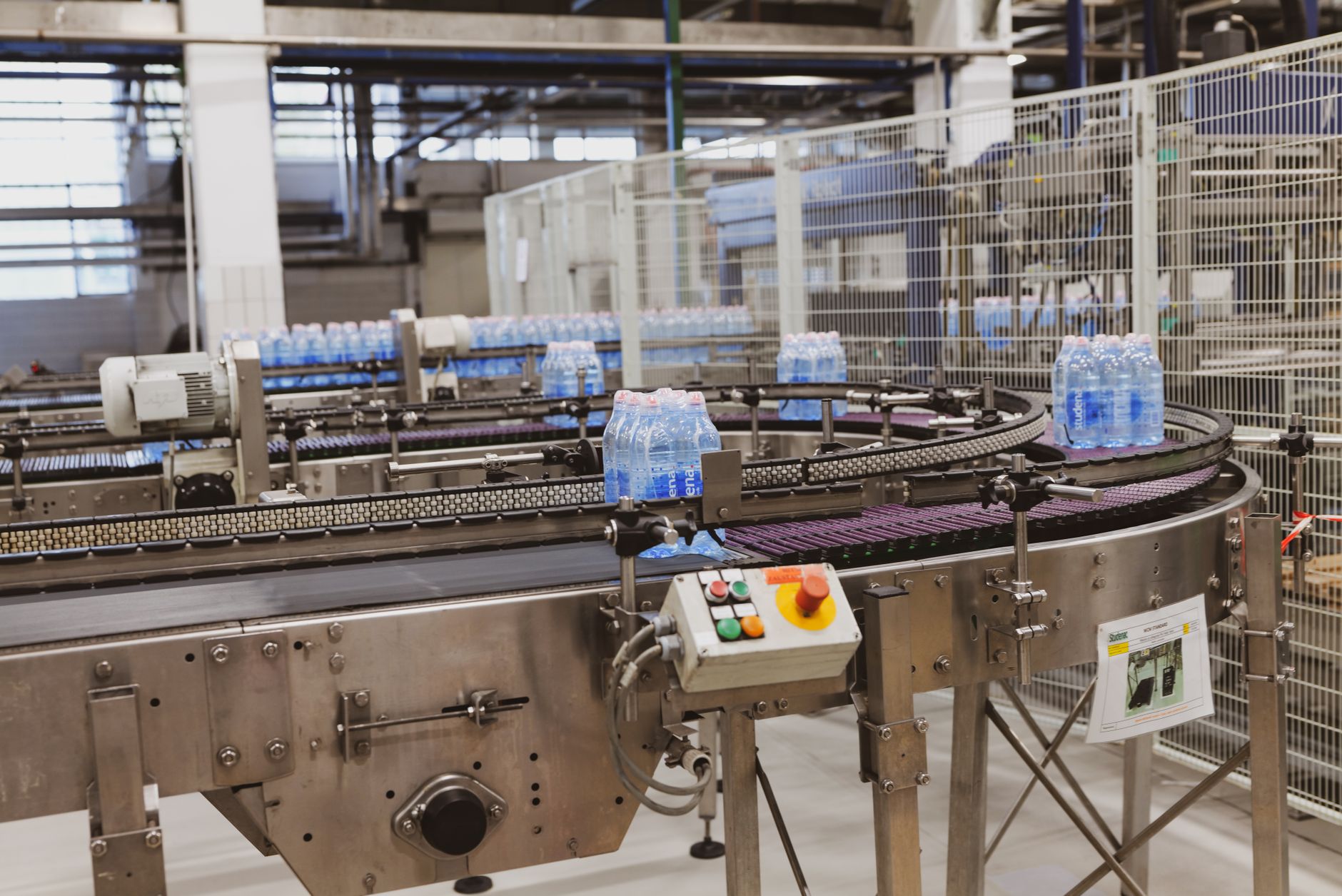
Start with a site assessment. We measure case weight and dimensions, pallet patterns, line speed, changeover frequency and the reach needed for the top layer, then map the cell onto your floor. The assessment shows whether a cobot fits, whether a larger arm is needed, or whether people should stay on the station.
Once the fit is clear, we give you a lease quote. The payment appears as a fixed robot lease payment in that quote, which follows the free site assessment, and service is included in the program. Many sites start with one leased unit on a single line, run it long enough to read real data, and expand only if the numbers hold.
The assessment should end with a written summary of what the cell would take, what stays with people, the test results on your heaviest case and the conditions that would make the cell a poor fit. Review that summary before any lease quote, because it sets out the decision in your own numbers.
Before the assessment, gather your own baseline: hours each palletizing station runs, overtime on those stations, open positions, and absence days over the last year. Those internal figures will settle the decision more reliably than any national average, including the ones on this page. If the assessment finds a poor fit, we will say so, and that finding is useful even when the answer is to keep the team as it is.
Frequently asked questions
Put a robot to work in Louisville/Jefferson County.
We walk your site, learn the job, and recommend the unit that fits. Then we quote the lease, deploy it, and keep it serviced.
Sources
- US Bureau of Labor Statistics, Occupational Employment and Wage Statistics (OEWS May 2024)
- Bureau of Labor Statistics, Census of Fatal Occupational Injuries, 2024
- National Safety Council summary of BLS injury data, 2023 to 2024
- BLS Occupational Outlook Handbook, Hand Laborers and Material Movers
- BLS, Louisville metro occupational employment and wages, May 2025
- International Federation of Robotics, US industrial robot installations 2025 press release