
The short answer
A delivery robot makes sense in a hospital cafeteria when the tray run from the serving line to dining tables is fixed, repeatable and busiest at peak meal times, and it is a poor fit when the route changes daily or most of the runner's day goes to exceptions. A food runner still handles diet checks, spills, guests, dish returns and anything that needs a judgment call, so the robot works alongside staff and never replaces the whole crew. Put the robot on a stable route during peak, keep people on the line and at the tables, and confirm the fit with a site assessment before committing to a lease.
Key takeaways
- A delivery robot fits the fixed tray run at peak, while a food runner keeps the checks, spills and guest work.
- The saving comes from staff hours pulled off the serving line, so measure those hours before deciding.
- Government projections show food preparation employment falling while health care keeps adding jobs, so staffing stays tight.
- Overnight and weekend coverage is where a robot earns its place, but only on a stable route with someone on site to recover it.
- Lease terms are quoted after a site assessment, and the quote should spell out service and backup coverage.
Delivery robot vs food runner: which fits a hospital cafeteria?
Delivery robot vs food runner is the choice most hospital cafeterias face when the lunch rush starts to back up. A delivery robot makes sense when trays move from the serving line to dining tables on a route that stays the same, the peak is predictable, and pulling a server off the line leaves gaps. It is a poor fit when the room layout changes often, the route is blocked for long stretches, or the runner's day is mostly exceptions.
The fit is good for a simple reason. Moving trays from the serving line to dining tables on a fixed route is the core work of a cafeteria food runner, so it is the part of the job that is easiest to hand to a machine. Everything around that route, including checking a diet card, fixing a spill and answering a guest's question, stays with people.
Scale explains why the question keeps coming up. According to the American Hospital Association's Fast Facts on U.S. Hospitals 2025, based on the 2023 Annual Survey, there were 6,093 U.S. hospitals with 913,136 staffed beds, including 5,112 community hospitals. That count shows how many buildings face this decision. Whether a given cafeteria fits depends on its route and its peak far more than on its size.
What does a food runner actually do in a cafeteria shift?
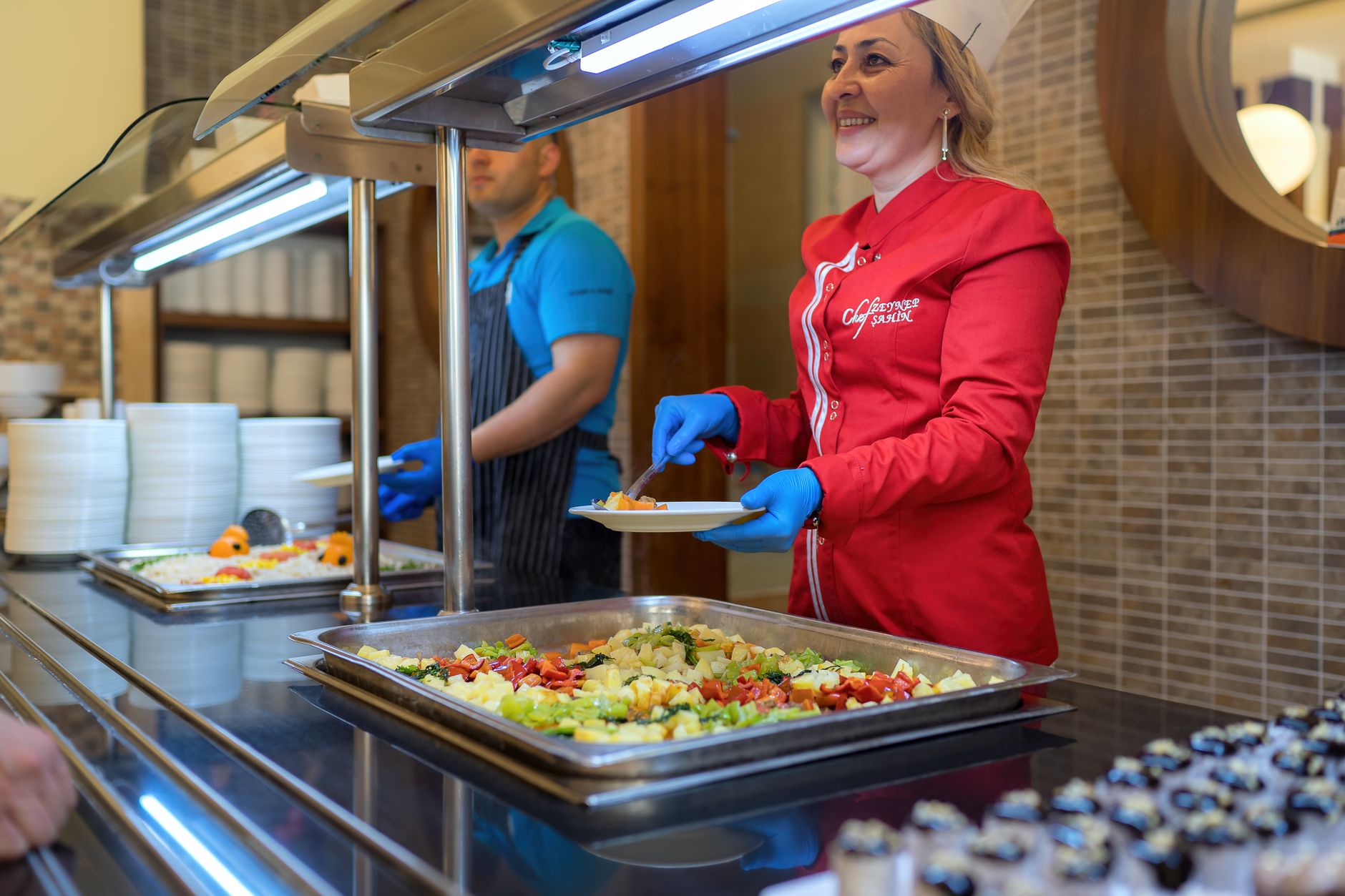
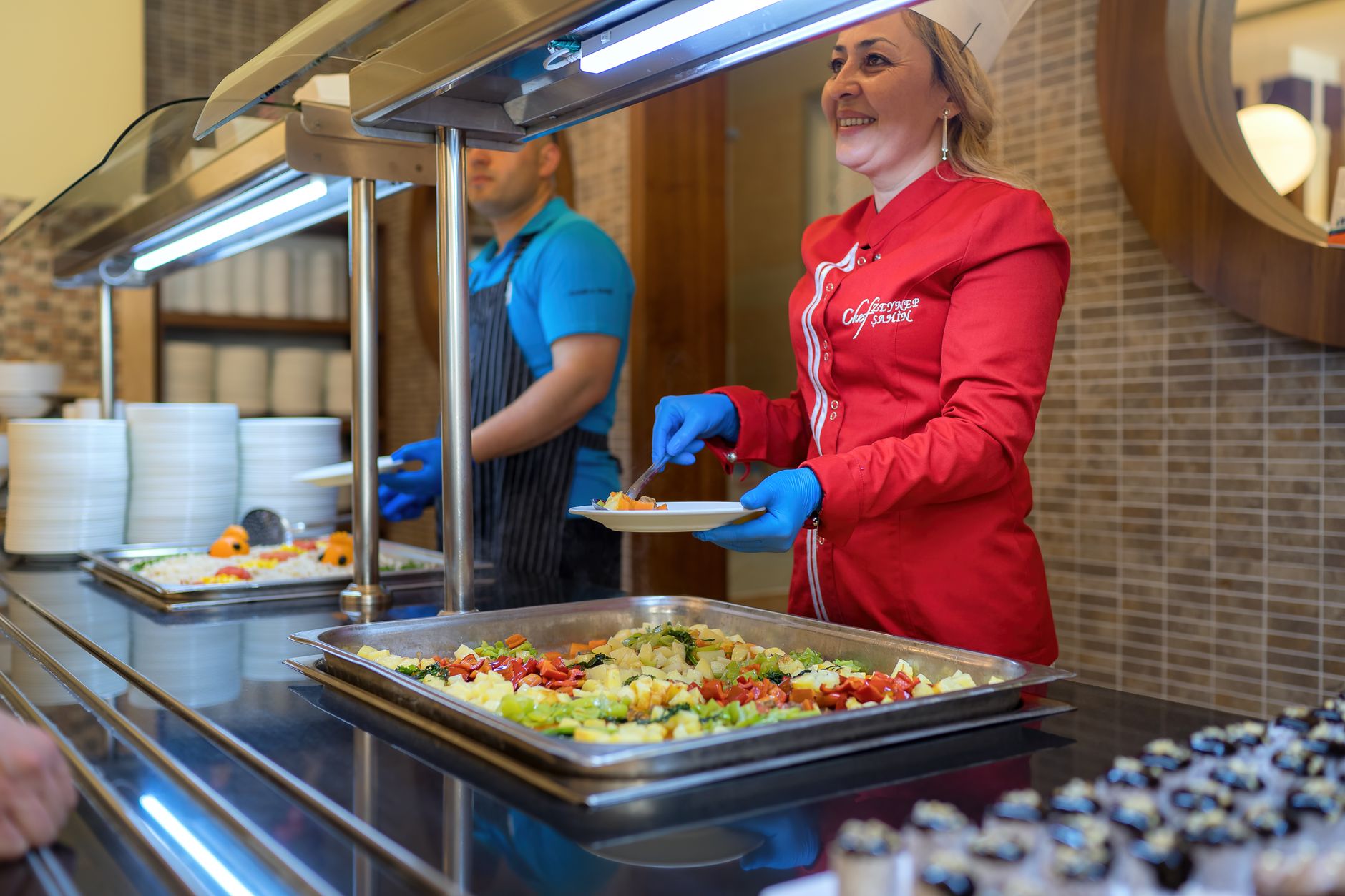
A cafeteria food runner works the gap between the serving line and the seating area. The job is to pick up finished trays or plates at the line, carry them to tables, collect used trays for the return, and restock condiments, napkins and beverage stations. During a meal peak the loop repeats without a break, and the runner is the person who keeps the room moving.
Hospital cafeterias add checks that a plain dining room does not have. Staff may need to match a tray to a diet or allergy order, confirm the meal is for the right person, or see that a hot item leaves the line at the right temperature. Runners also answer menu questions, help guests find seats, and handle breakage and spills, which can slow the whole room.
The work carries injury risk. According to a BLS summary of 2019 data, full-service restaurants recorded 88.3 cases per 10,000 full-time workers with days away from work, compared with 86.9 for all private industry. That figure covers restaurants, not hospitals, but it is the closest published measure. Carrying loaded trays through busy rooms and clearing breakage adds to that exposure, which is one reason the fixed run is worth handing off.
Median hourly wage, Waiters and Waitresses
$3,798
Monthly cost of one full-time worker, at the median wage plus payroll costs (an estimate, not a quote).
Which parts of the tray run can a delivery robot take?
A delivery robot is good at the repeatable middle of the run. It can take a stacked set of trays from a pickup point, follow a mapped route through a dining room or corridor, and return to a base or staging spot. For a fixed route with a clear start and stop, that covers the walking, which is the same every time and the easiest part to automate.
Loading and table handling are different. Someone still has to place trays on the robot, confirm the table, and clear the tray at the table end, unless the site has built a station for that. Loading at the serving line often decides whether the robot saves time at all, so the site assessment should time that step directly rather than assume it.
The split is not clean. Where the route is short or the room is crowded, the robot can spend more time waiting than moving, and a runner can beat it on speed. Test the route during a real peak before deciding.
- Takes: the walk from the serving line to the dining tables on a fixed route
- Takes: return trips to the tray return or dish area on the same mapped path
- Staff still do: loading trays and confirming the table at each end
- Staff still do: diet and allergy checks, spills, breakage, guests and any task off the route
- Fixed tray route
Delivery Robot
Repeats the same mapped route without fatigue
Food Runner
Adapts when the route changes or a path is blocked
- Diet and allergy checks
Delivery Robot
Cannot read a note or confirm the right guest
Food Runner
Checks the tray against the diet order and asks when unsure
- Spills and breakage
Delivery Robot
Stops and calls for help, cannot clean up
Food Runner
Clears the spill, replaces the item and reports it
- Meal peak crowds
Delivery Robot
Holds its route but slows or waits in dense crowds
Food Runner
Steps around crowds and changes the path on the fly
- Guests and visitors
Delivery Robot
Cannot answer questions or help someone find a seat
Food Runner
Answers questions and helps guests find seats
- Coverage when staff are short
Delivery Robot
Keeps the table run going while a person is on the line
Food Runner
Can be called in, but an open shift may go unfilled
What does the labor picture look like for hospital cafeteria teams?
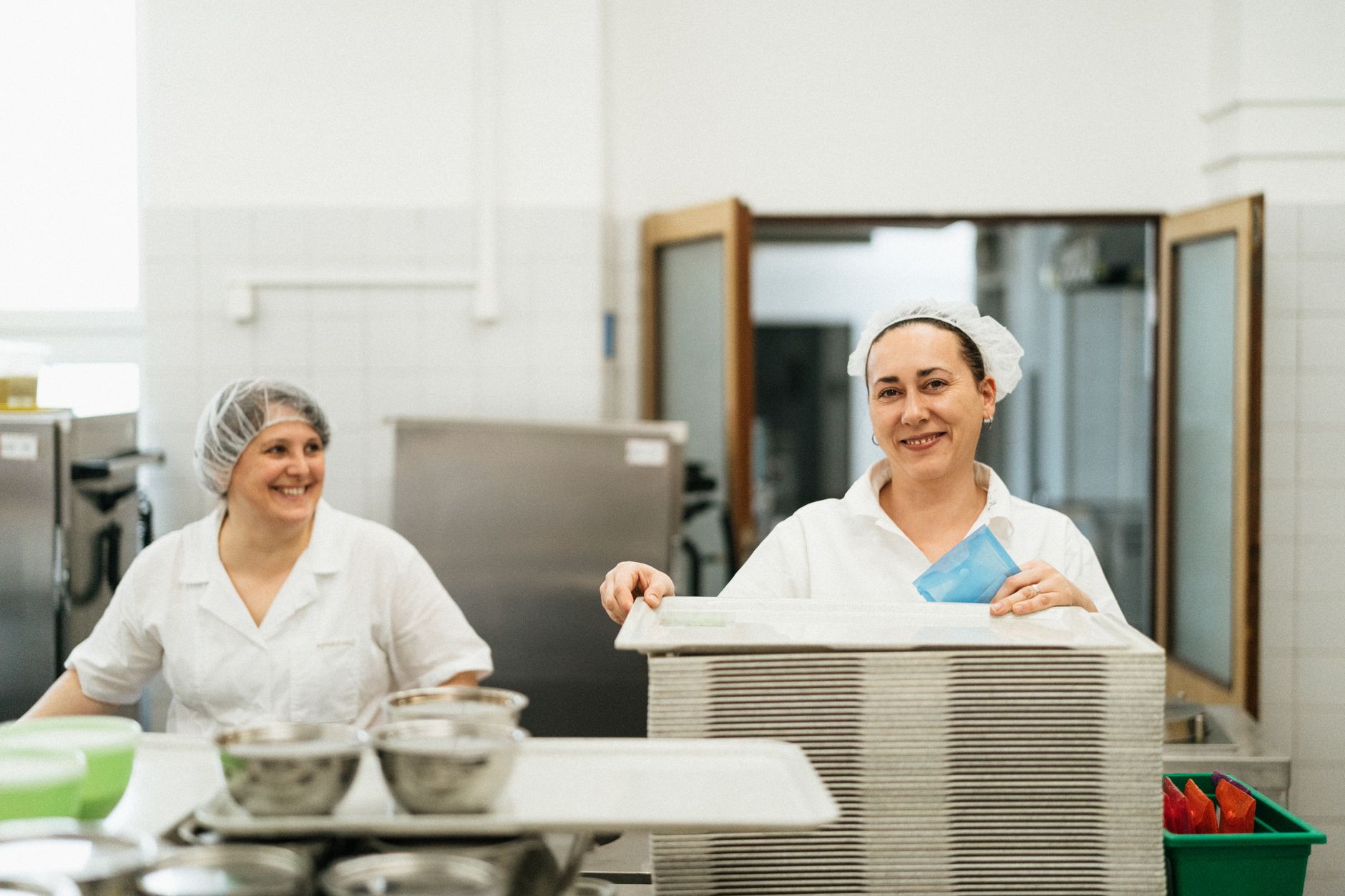
The research found no BLS figure for hospital cafeteria staffing, overtime, night shift hours or sick days, so measure those at your own site. The nearest published numbers describe the wider food service workforce. According to the BLS Occupational Outlook Handbook, food preparation workers are projected to see employment fall 3% from 2024 to 2034, with about 148,000 openings a year. Food service managers held about 352,800 jobs in 2024, with projected 6% growth and about 42,000 openings a year.
Hospital hiring is moving in both directions. According to BLS Economics Daily, health care added 55,000 jobs in July 2025, above the prior 12-month average of 42,000, and hospitals added 16,000 of those. A secondary summary of BLS data reported by Becker's said health care averaged 57,000 jobs in each month of 2024, slowed to 33,000 jobs a month in 2025, and that at least 93 hospitals cut jobs during 2025.
Quits in accommodation and food services swing sharply. According to BLS JOLTS releases, quits in that sector fell by 140,000 in August 2025 and rose by 208,000 in November 2025. Those are sector wide figures, not hospital cafeteria numbers, but they show that a staffing plan for this work should assume volatility. For the local wage for this job, use the government wage data on this page, and set it against the overtime and coverage you pay to fill the shifts you cannot staff.
How does a team work with a delivery robot in the cafeteria?
The team works best as the robot plus fewer staff, never as a robot alone. A common pattern is one or two people stationed at the serving line and the tray return, while the robot takes the table run and a person stays in the dining room for checks, spills and guests. Staff freed from the walking route move to the line, the diet checks or the dish area, where the work backs up during peak.
Training is short but specific. Staff need to know how to load trays, what the robot does when the route is blocked, how to call for help, and when to take the robot off the route for a manual run. Run an overlap period where the old runner stays on the floor, so the team learns the robot's habits before the staffing count drops.
Write the new duties down before go live. Staff who know exactly which checks and dish tasks they now own are easier to plan around during the first peak. Review the first two weeks of stops and route changes with the team, then adjust the route and the staffing plan.
What can a delivery robot not do in a hospital cafeteria?
A delivery robot cannot check a diet card, read a handwritten allergy note, or decide that a tray belongs to the wrong guest. It cannot clear a spill, lift a dropped tray from a stairwell, or help a patient who needs an arm to reach a seat. Any task that needs a judgment call stays with staff, and a site that forgets this will learn it during a busy shift.
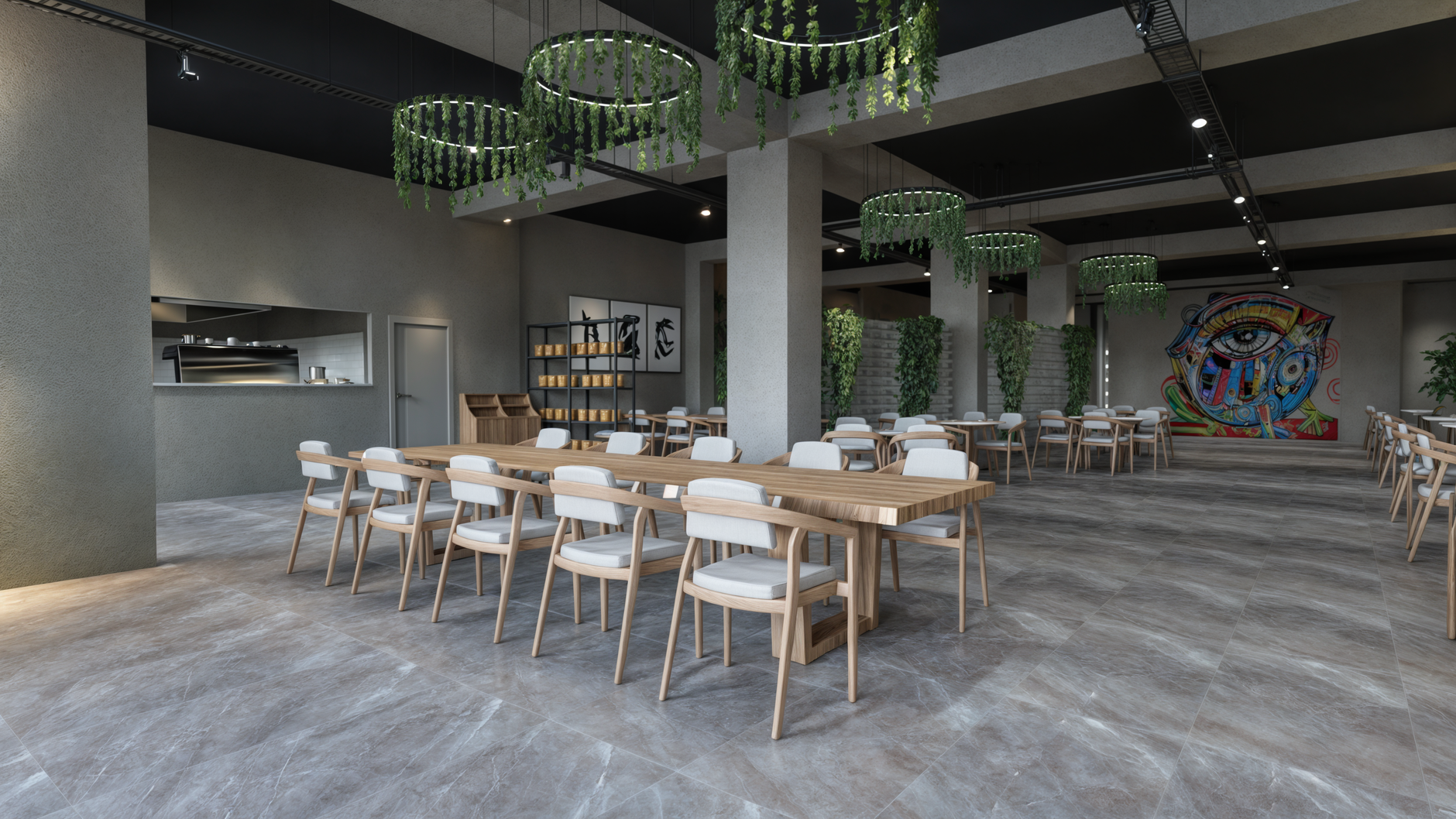
The building sets limits too. Doors that are not automated, elevators it cannot call, crowded aisles at peak and corridors with no mapped path all reduce what the robot can do. A robot that waits for a crowd to clear is slower than a person who steps around it, so plan the route to avoid the worst choke points.
Evidence on outcomes is thin. The research found no peer-reviewed 2025 study on robotic tray delivery in hospitals. Trade press and vendor material describe savings, but treat any claimed time or staffing savings as something to prove in your own building before you rely on it.
Is a delivery robot worth it for a hospital cafeteria lease?
Cost comparisons should start with hours, not the machine. Measure the real tray run at peak: how many trips, how long each takes, how many staff are pulled from the line, and how often someone covers the route alone. Those figures decide whether the lease pays back, and a generic estimate does not.
Then set the fixed robot lease payment against the labor it replaces. The lease is quoted after a site assessment, so the comparison is a known fixed cost against hours you can move off the line. Include the local wage for this job from the government wage data on this page, plus overtime and the shifts you cannot fill. Leave out robot downtime during peak and the comparison will overstate the saving.
Service and backup belong in the same math. A robot that is down during the lunch peak puts the run back on staff, so ask how a failed unit is replaced and how quickly on-site dispatch can happen before you compare options.
How do you start a hospital delivery robot lease?
Start with a site assessment. We map the route, time a real peak, check doors, elevators and the dining room layout, and mark where trays start and end. From that we recommend a robot that fits the floor, and we quote the lease after the assessment, not before.
Run a pilot before a full rollout. One leased unit on one route, with staff trained and the old runner still on the floor for an overlap period, shows the hours saved in your own building. If the route holds up, add units or routes in phases so the serving line never shuts down.
We handle deployment and integration, train staff, and service the unit nationwide with on-site dispatch and remote triage. Before you sign, ask for the quote in writing and check what service and backup coverage include.
Frequently asked questions
Want a delivery robot at your hospital cafeteria?
Tell us about your site. We will recommend the robot, quote the lease, and keep it serviced.
Sources
- US Bureau of Labor Statistics, Occupational Employment and Wage Statistics (OEWS May 2024)
- American Hospital Association, Fast Facts on U.S. Hospitals 2025
- BLS Occupational Outlook Handbook, Food Service Managers
- BLS Occupational Outlook Handbook, Food Preparation Workers
- BLS TED, Nonfatal Injuries and Illnesses in Full-Service Restaurants in 2019
- BLS Economics Daily, Health Care Added 55,000 Jobs in July 2025
- Becker's Hospital Review, Healthcare Drives US Job Growth as Hospital Hiring Cools (secondary, citing BLS)
- BLS JOLTS release, September 3, 2025
- BLS JOLTS release, January 7, 2026