
The short answer
A delivery robot makes sense at a ski lodge when the kitchen pass and the dining room share one level or are joined by a route smooth and wide enough for the robot, and when the team is short of runners during its busiest weeks. It does not fit a multi-level room without a tested elevator integration, a route with stairs or steep grades, or a service model that depends on a person at most tables. For most lodges the delivery robot vs food runner choice is a split: the robot takes the repeat single-level legs, and the team keeps its people for tableside service.
Key takeaways
- A delivery robot covers the repeat kitchen-to-table legs on a smooth, wide route, not the whole server job.
- Multi-level lodges need a tested elevator integration and a site walk before any lease quote.
- People keep tableside service, bar handoffs, stairs and problem solving that a robot cannot take.
- Plan for a robot plus fewer staff, never zero staff, and settle the backup unit plan before the season.
Delivery robot vs food runner at ski lodges: when does a robot make sense?
A delivery robot makes sense at a ski lodge when the kitchen pass and the dining room share one level, or are joined by a route smooth and wide enough for the robot, and when the lodge is short of runners during its busiest weeks. It does not make sense when the dining room is spread across stairs, when the path is steep, uneven or narrow, or when most of the guest experience depends on a person at the table.
The seasonal pressure is real. According to the National Ski Areas Association, as reported by Summit Daily, U.S. ski areas logged 61.5 million skier visits in the 2024-25 season. That figure is preliminary, up 1.7% from the prior season, and second only to the record set in the 2022-23 season. More guests in the same hours means more trips from kitchen to table, and that is where a short team feels the gap first.
Treat the robot as a tool for the repeatable middle of the run, not as a replacement for the whole job. A lodge with a kitchen one floor below the dining room, or a route that crosses a stairwell, usually needs a person on the stairs and a different plan for the upper level.
What does a food runner actually do in a ski lodge shift?
A food runner at a lodge is rarely doing one task. Across a shift they pick up plates when the kitchen calls them, carry trays across a room that often has a fireplace corner, a bar and a second level of tables, drop food, bring back empty plates, clear tables after guests leave, and reset the station for the next seating. On a busy night that loop repeats for hours, and the runner also covers requests nobody planned for, such as a missing condiment, a drink from the bar or a booth that needs to be moved.
Ski lodges add pressure that many restaurants do not face. Guests arrive in wet gear in waves after the lifts close, so the room fills and empties in bursts. Snowmelt and boot traffic make floors slick, and the kitchen often runs with the same short crew that thins the floor. A runner already covering two stations is the first to slip when the room fills.
Plenty of the job needs a person no matter what. Greeting guests, reading a table, checking allergies, explaining a dish and settling a problem with an order shape how a meal feels, and a runner handles those moments while carrying a tray.

Median hourly wage, Waiters and Waitresses
$3,798
Monthly cost of one full-time worker, at the median wage plus payroll costs (an estimate, not a quote).
Which parts of the run can a delivery robot take, and which can it not?
A delivery robot is well suited to the repeat legs: kitchen pass to a set table, table to the bar, and back to the kitchen with empty dishes. It follows a mapped route, carries plated food and drinks, and stops at a table or station where a server or guest takes the items. Fixed stations in a room with clear rows of tables are the easiest layout to automate.
Its limits decide whether the route works at all. According to one vendor's published specification, a standard unit needs a fairly smooth, flat floor and aisles at least 24 inches wide. It cannot climb stairs, and elevator use is generally an add-on module rather than standard equipment. A multi-level lodge needs that scope tested on its actual lift before anyone commits.
The side-by-side below shows where a person still wins. The robot covers distance and repetition. A person covers judgment, conversation, and anything that involves a stair, a spill or a guest who wants something unusual.
- Repeat kitchen-to-table legs
Delivery Robot
Follows a mapped route at the same pace on every trip
Food Runner
Fast and flexible, but slower and more tired by the late rush
- Stairs and upper levels
Delivery Robot
Cannot climb stairs; elevator use is an add-on module
Food Runner
Handles stairs, lifts and upper rooms
- Tableside service
Delivery Robot
Stops at a table for the guest or server to take the item
Food Runner
Reads the table, checks allergies, explains dishes and recovers from problems
- Floor conditions
Delivery Robot
Needs a fairly smooth, flat floor and aisles at least 24 inches wide
Food Runner
Adjusts around wet floors, rugs, thresholds and crowded bars
- Peak-season coverage
Delivery Robot
Keeps running its route through a rush, within its charging and service plan
Food Runner
Can be short-staffed, sick or on overtime
- Setup effort
Delivery Robot
Needs route mapping, threshold checks and go-live support before use
Food Runner
Needs training and time to learn the floor
How many hours does the run take, and what do the labor numbers show?
The government wage data on this page gives the local wage for this job, and the national picture adds context. According to the Bureau of Labor Statistics Occupational Outlook Handbook, about 2.33 million people held waiter and waitress jobs in 2024, and food services and drinking places held about 85% of them. The same page projects employment to fall about 1% from 2024 to 2034, while about 456,700 openings a year are expected, mostly from workers leaving the job.
Turnover is the sharper measure for a lodge. According to the BLS Job Openings and Labor Turnover Survey release, the accommodation and food services separations rate was about 5.6% in November 2025 in preliminary data, and about 4.9% in October 2025. The excerpts we reviewed had inconsistent table alignment, so confirm those figures against the release table before using them in a bid.
Seasonal shortage is worse in some places. Regional public media reported a Vermont resort president expecting staffing to be 20 to 30% short for the season, and some on-mountain restaurants offered limited service. Steamboat, Colorado, said in its 2025/26 season statement that it was about 95% staffed and that a decline in J-1 visa issuances had no effect on its food and beverage staffing. One resort does not describe every lodge, so count your own gaps.
The research did not verify hours per shift for this exact job, so this page does not state them. Measure them on the floor: count the runner's loops in one peak hour, time a typical leg, and total the minutes. Overtime, sick days and night shifts are where a gap becomes a pay problem, and those numbers belong in your own payroll records.
How does a team work with a delivery robot?
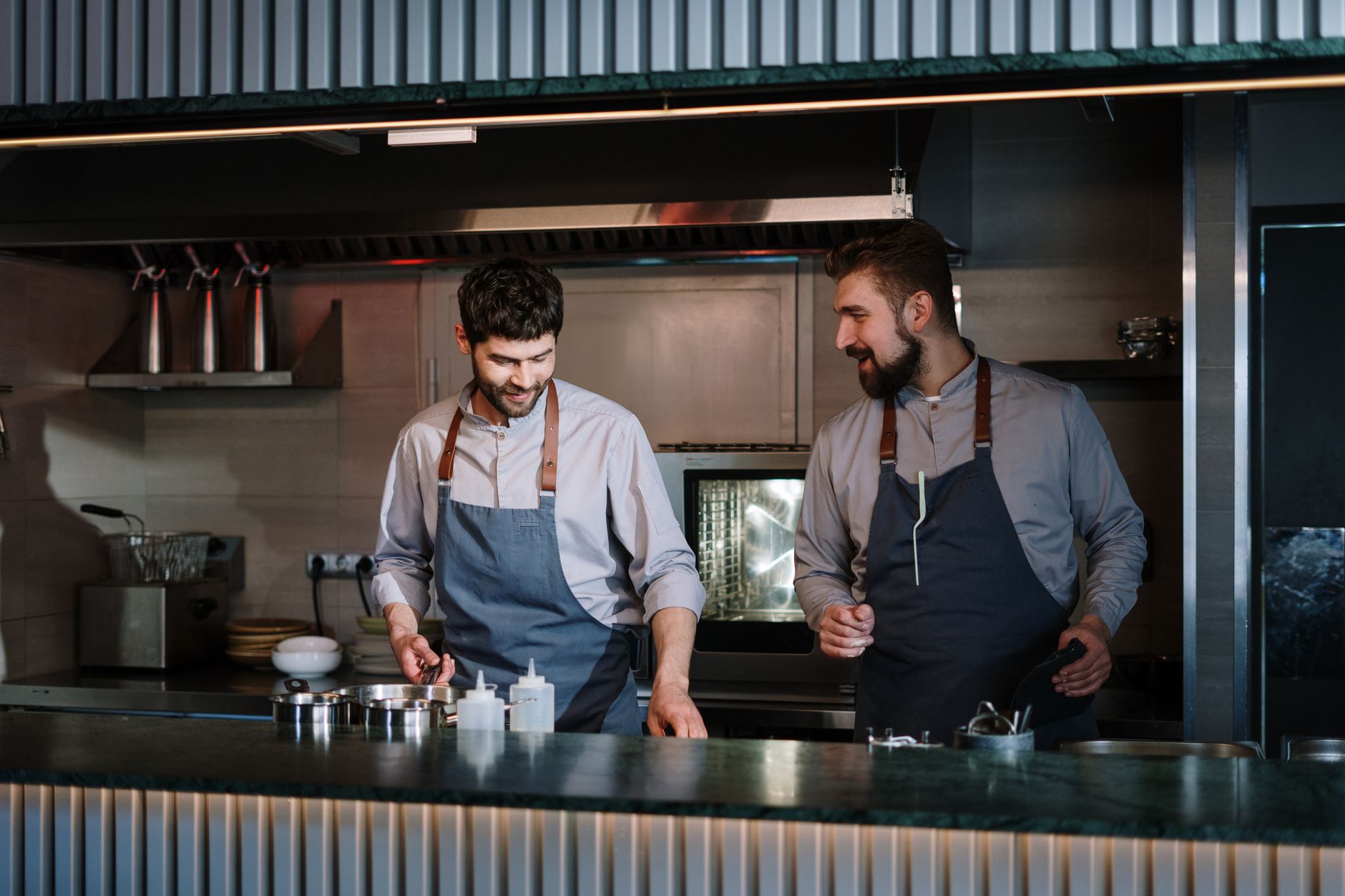
The robot is one part of a team, and the team stays at the size the room needs. The model that works is a robot plus fewer staff, never zero staff. Runners keep tableside service, bar handoffs, allergy checks and the moments when a guest needs a person. The robot takes repeat legs between the kitchen pass and fixed tables or stations, and it returns empties on the same loop.
Set the handoffs before the first shift. The kitchen needs a loading spot and a clear call sequence. The robot needs a parked position that does not block a fire exit, a boot rack or a doorway. Runners need to know when to step in, for example when a group standing at the bar blocks the route.
In our deployments, most of the first week goes to these handoffs and to watching the route during the busiest hour. Staff training is short but specific, and it works best when runners help write the rules for their own floor.
Measure what happens on the route. According to IBJ coverage, one national chain expanded a server-robot test to 61 U.S. restaurants, then halted it after finding the robot was slow and got in the way of human servers. The date of that test was not confirmed, but the lesson holds: blockage and travel time decide whether the team gains time or loses it.
What can a delivery robot not do in a ski lodge?
A robot cannot climb stairs, cannot read a room, cannot take a drink order from a guest, and cannot clear a spilled tray. It also struggles with the conditions that define a lodge: snowmelt on the floor, boot mats, uneven thresholds, a raised hearth edge and crowded aisles at the bar. Test those on the actual floor during a site walk, not only on a drawing.
Floor limits also shape the route. A dining room with tight booths, a patio step or a rug edge may need re-routing, and a route that works on a dry afternoon can fail on a busy wet night. Build the route around the worst conditions of the season, not the best.
The honest answer for a multi-level lodge is often a split. The robot takes a single-level leg while a person handles the stairs or the upper room, or the lodge moves some service to the lower room during peak. A lodge with a mezzanine bar or a separate upper deck may find the robot covers less of the job than the owner expects.
Injury risk also stays with the floor. According to the BLS fact sheet on full-service restaurants, falls, slips and trips caused an estimated 7,850 injuries in 2018, of which 5,170 were falls on the same level, a count that rose from 6,810 in 2014. A robot does not mop snowmelt, so entry mats and floor care still matter, whoever carries the tray.
How do you start a delivery robot pilot at a ski lodge?
Start with a site assessment, not a product choice. Map the kitchen pass, the dining route, every threshold, the stairs and any lift. Count runner loops in the peak hour, then decide whether the repeat legs are long and frequent enough to justify a unit. Lease terms are quoted after that assessment, and the quote depends on the route, the number of stops, the elevator scope and the support plan.
We recommend starting with one leased unit on a single-level route, then running it through a full peak week. Measure three things: travel time per run, how often a person has to step in, and how many runs finish without help. If those numbers hold, a second unit or a spare can follow. Our team handles site assessment, deployment and integration, staff training and nationwide service, so the lodge works with one partner for the whole program.
Ask for the backup plan before the season begins. A lodge with one unit and no spare loses its only delivery route on the day of a service call, so runner coverage for that day should be planned in advance. Get on-site dispatch, remote triage and emergency response terms in writing before go-live.
Where does the delivery robot work in the lodge, zone by zone?
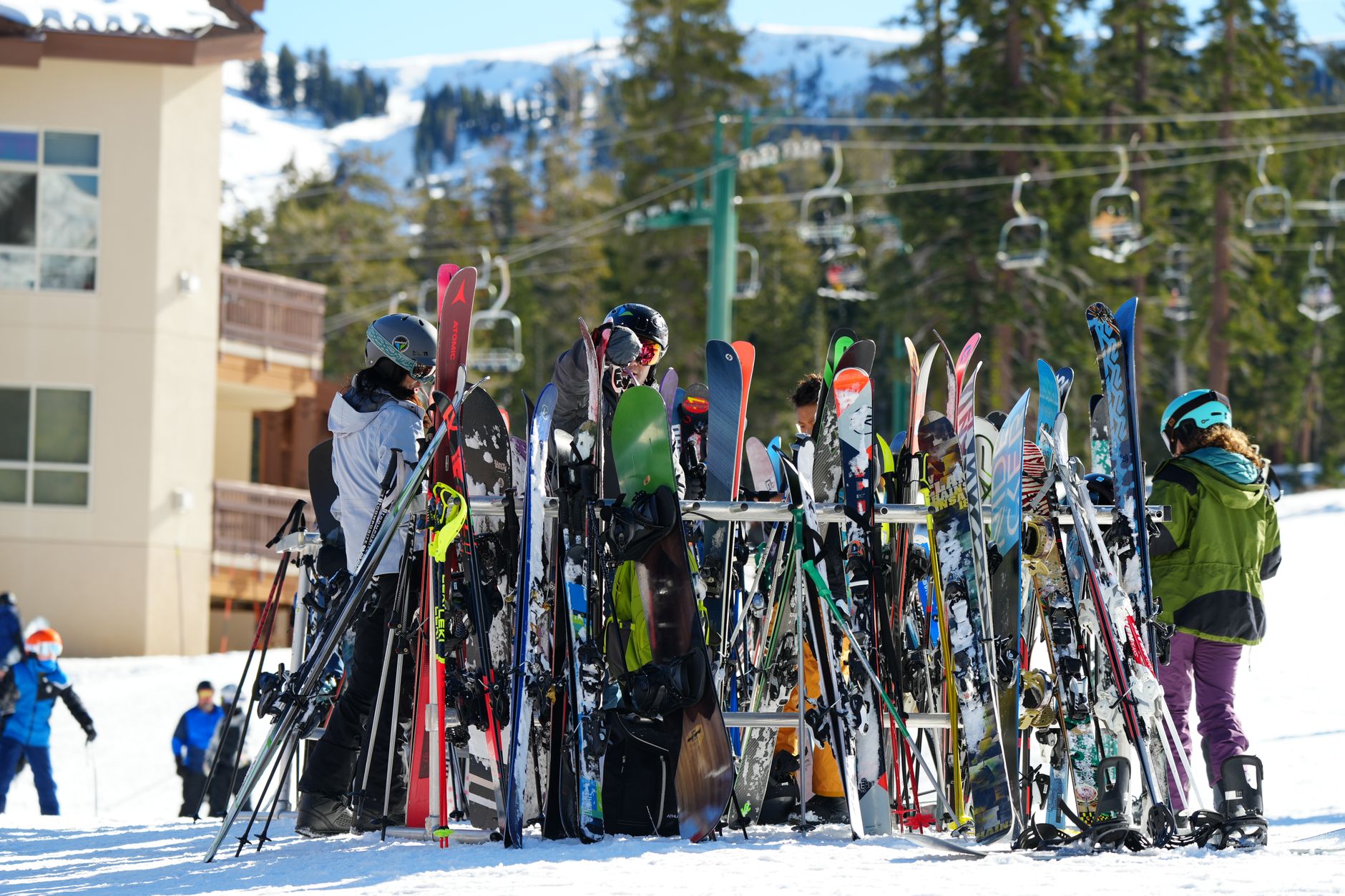
Think of the lodge in zones. The robot works in some and not others, and the zone list is the first thing the site check should confirm with the lodge's own staff.
For each zone, ask two questions. Is the path smooth, level and wide enough? Does the last step end where a person can take the item? Zones that pass both tests are the ones worth routing first.
How should a ski lodge judge the cost and payback?
No lease number appears on this page, because the lease payment is quoted after a free site assessment. The useful comparison is hours. Take the repeat legs per peak hour, the walk time per leg, and the hours the team spends on those legs across a week. Then compare that with the labor the lodge is already short on, including overtime, sick days and night shifts.
The government wage data on this page shows the local wage for this job, which makes the labor side concrete. Pair it with the turnover figures above. When most openings are replacements, a lodge that loses a runner in January must re-hire in a tight market, and that gap does not always show up in a weekly report.
Keep the decision tied to the route. A lodge with a clean single-level room and a steady peak may see a clear case for a robot. A lodge with stairs, a split floor and short peak windows may get more value from better scheduling and a few extra people during the rush.
Frequently asked questions
Want a delivery robot at your ski lodge?
Tell us about your site. We will recommend the robot, quote the lease, and keep it serviced.
Sources
- US Bureau of Labor Statistics, Occupational Employment and Wage Statistics (OEWS May 2024)
- BLS Occupational Outlook Handbook: Waiters and Waitresses
- BLS Job Openings and Labor Turnover Survey release
- Summit Daily: U.S. ski resorts report 61.5 million visits in 2024-25
- Steamboat Pilot: resort says winter season fully staffed
- NEPM public media report on Vermont ski resort worker shortage
- BLS fact sheet: full-service restaurants, 2018
- IBJ: are robot waiters the future
- Vendor robot specification page