

The short answer
A delivery robot makes sense in a Des Moines dining room when food moves on long, repeated kitchen-to-table routes and your existing runners can stay on the floor for guests. It does not make sense in a small room, for menus that depend on tableside finishing, or in hours when order volume is too low to keep a unit working. For delivery robot vs food runner in Des Moines, the honest answer is usually a robot plus fewer runners, because the robot takes the repeat trips while people handle guests, allergies, and problems.
Key takeaways
- A delivery robot takes repeat kitchen-to-table trips, not guest service.
- Turnover is high in food service, so staffing gaps are the main reason to look at a robot.
- Long, flat, predictable routes suit a robot; small rooms and irregular traffic do not.
- Plan for a robot plus fewer runners, never a robot with zero floor staff.
- Count real trips per shift first, then ask for a lease quote after a site assessment.
Delivery robot vs food runner in Des Moines: which makes sense?
A delivery robot makes sense in a Des Moines restaurant when the same trips repeat all shift, the routes are mostly flat and clear, and your runners spend most of their time carrying plates rather than serving guests. It does not make sense for a small room with a few tables, for a menu that depends on tableside finishing, or for slow hours when order volume cannot keep a unit busy. The real question is not robot or person. It is which repeat trips move to the robot so your people can spend their time on the guest.
For most sit-down restaurants in Des Moines, the workable answer is a robot plus fewer runners, never a robot with zero floor staff. The robot takes the kitchen-to-table and table-to-kitchen trips. A person still handles seating, allergy questions, timing, and problems. Before deciding, count how many trips a shift really makes and how many are plain carrying. That count, not the job title, decides the fit.
What does a food runner actually do in a shift?
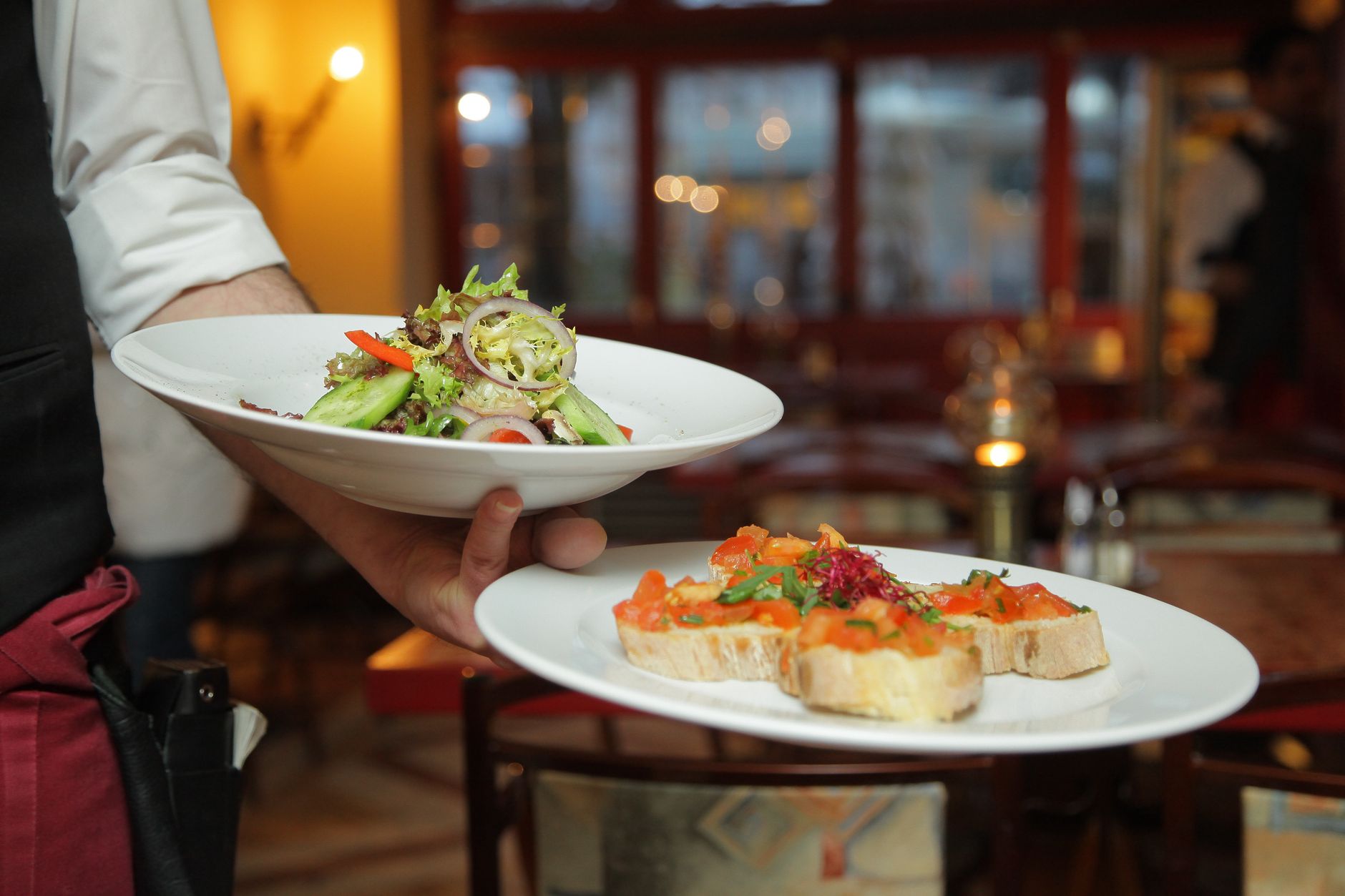
A food runner stands at the pass, checks the ticket against the plate, carries food to the right table, and then keeps coming back. Between runs the same person clears finished plates, brings water and condiments, restocks the service station, takes items back to the dish area, and helps the server when a table needs something fast. Most of the work is short walks with loads in hand, repeated many times a night.
The government wage data on this page shows the local wage for the waiter and waitress job in the Des Moines area, the closest official benchmark for floor labor here. A wage aggregator page we reviewed, which cites May 2025 OEWS data, lists about 6,250 jobs in this occupation in the Des Moines-West Des Moines metro. We could not confirm the May 2024 local count in this review, so treat that aggregator number as a directional figure, not the official May 2024 count.
Nationally, the National Restaurant Association's 2025 pocket guide reports more than 1 million restaurant and foodservice locations. Most of those locations run similar runner roles, so the decision is a repeated operations question, not a one-off staffing choice.
Median hourly wage, Waiters and Waitresses
$3,246
Monthly cost of one full-time worker in Des Moines, IA, at the median wage plus payroll costs (an estimate, not a quote).
Which parts of the job can a delivery robot take?
A delivery robot is best at the repetitive middle of a runner's shift: moving a loaded tray from the pass to a dining room on a known route, and carrying empty dishes back to the kitchen. These trips are predictable, they happen in the same corridors, and they do not need a judgment call at each stop. A robot that runs the same loop all shift can take a large share of them if the route is clear and the drop-off points are fixed.
A robot cannot do the parts of the job that depend on people. It cannot check a table, read a guest's face, catch an allergy question, fix a wrong order at the table, or handle a spill and a crowded patio at the same time. It also cannot finish a dish at the table or lift a heavy pan. Those tasks keep a runner on the floor, and they are where staff should stay.
Ask for a walk of the route before deciding. A route that looks simple on a floor plan can hide a threshold, a bar rail, or a door that is always propped open, and each of those changes whether the robot finishes the trip without staff help.
- Repeat kitchen-to-table trips
Delivery Robot
Follows the same route every time and does not tire on a steady loop
Food Runner
Works well but walks and carries load all shift
- Checking on guests
Delivery Robot
Cannot read the table or respond to a question
Food Runner
Notices a cold dish, a wrong order, or a family that needs help
- Allergy and special requests
Delivery Robot
Cannot confirm the detail with the guest on its own
Food Runner
Confirms with the kitchen and the guest
- Crowded or changing floor
Delivery Robot
Stops or reroutes when a path is blocked, and depends on the layout
Food Runner
Adapts quickly to a busy room
- Slow hours
Delivery Robot
Idle time still counts against the leased unit, so it needs a schedule
Food Runner
Can take side work between runs and flex hours
- Sick call or no-show
Delivery Robot
Cannot cover a shift or handle a problem alone
Food Runner
Can cover, trade shifts, and call in another person
What does the labor picture look like for food service?
Food service runs on a labor pool that changes fast. The National Restaurant Association's 2025 State of the Restaurant Industry press release projects about 15.9 million industry employees by the end of 2025, with about 200,000 jobs added during the year, and describes the industry as the second-largest private-sector employer. Scale is not the problem. Churn is.
Turnover is the number that drives a robot decision. A workforce software vendor's compiled blog post reports annual food-industry turnover of about 75 percent in 2025, with front-of-house about 41 percent and back-of-house about 43 percent. That is vendor-compiled, not a federal statistic. A separate analysis of turnover warns that such figures count separations rather than individuals, so one person who leaves and returns can count twice. Ask the vendor for the definition before using it in a budget memo.
What this means on a shift: even if the turnover figure is overstated, training is a recurring cost, and a new runner is slower for weeks. Overtime, late shifts, and sick calls then land on whoever is left. A robot does not remove these pressures, but it can take the repeated trips so a thinner crew can cover the room. Compare the total cost of a runner shift against the local wage for the job shown in the government wage data on this page, not against a national average.
How does a shift look with a delivery robot in place?
A typical pattern starts with the route map from the site assessment. Staff load the tray at the pass, and the robot takes it to the assigned table. A runner stays on the floor for guest checks and problems while the robot returns to the kitchen with empties. Schedules shift toward the peak hours where the trip count is highest.
Schedules matter as much as the robot. Plan for peak, not for slow hours, and do not let the unit sit idle through quiet periods without a plan for side work. Keep at least one person on each shift who knows the route and can reset it.
The first weeks run slower than the steady state. Staff learn the loading habits, the route needs adjustments as tables move, and the team learns which trips to batch. Track the first month honestly so you know the real trip load before you build the schedule around it.
How does the team work with a robot, and when do you still need people?
The working model is a robot plus fewer staff, never zero. The robot takes repeat trips, runners move toward guest-facing work, and one trained person owns the unit on each shift for loading, clearing a jam, handling a blocked path, and calling for help. Fewer runners is the saving. The shift itself stays staffed.
Sick days still need a plan. A robot does not cover a call-out, so keep a person cross-trained on the route and the reset steps. Overtime may drop on busy nights where the trip load falls, but it will not drop to zero while the floor still needs people for service. Plan staffing for the hardest shift, not the average one.
Cross-training is the safeguard. Two or three people on each shift should know how to load the unit, clear a blocked path, and run the route by hand if the unit goes down. That keeps a repair visit or a sick call from stopping the room.

What do injury figures say about runners and the trips they make?
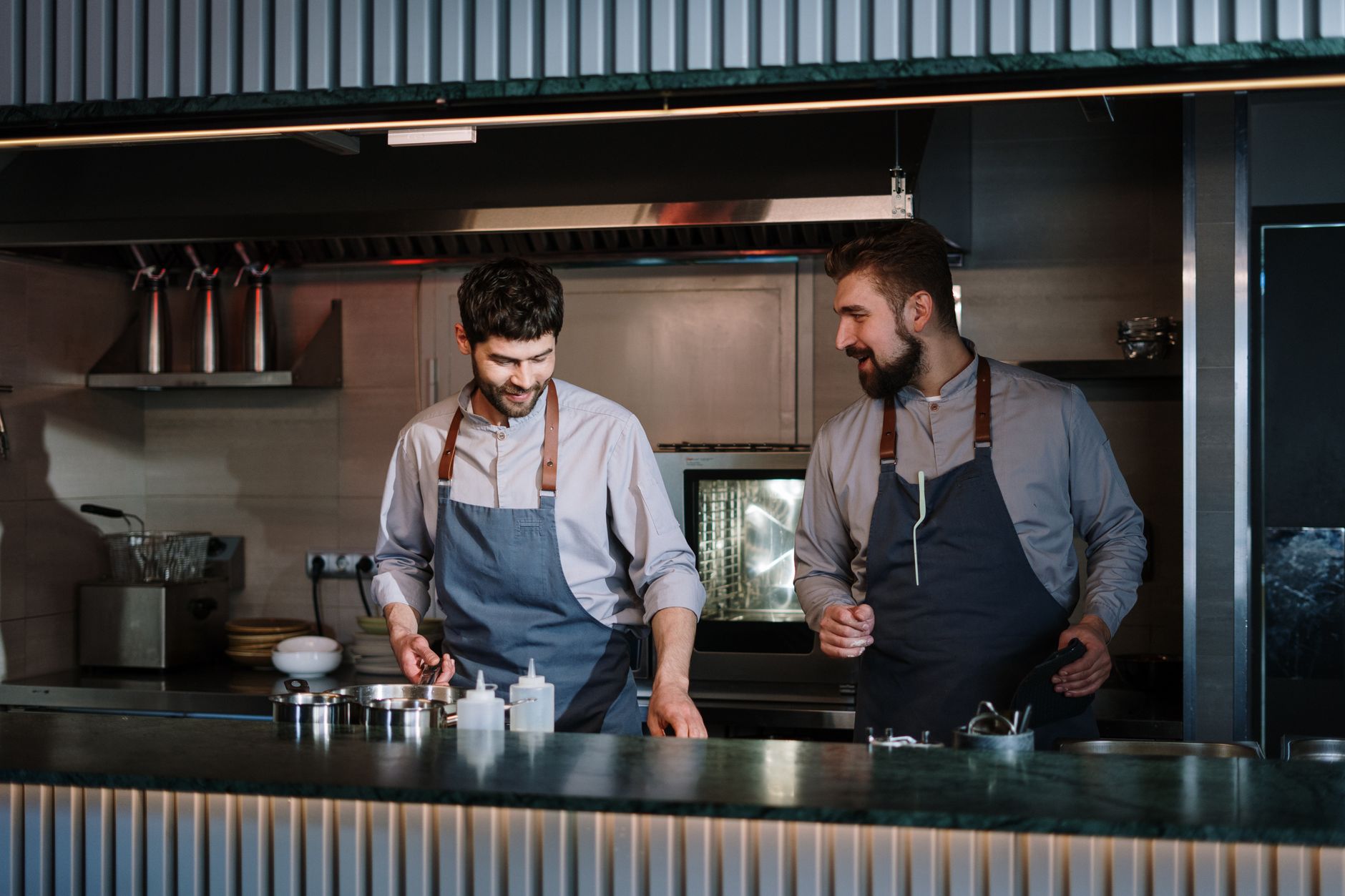
The federal safety data helps frame the risk. The Bureau of Labor Statistics factsheet for full-service restaurants, using 2018 data, reports overexertion and bodily reaction incidence of 11.9 cases per 10,000 full-time equivalent workers, compared with 28.2 for all private industry. The same factsheet estimates that falls, slips and trips caused about 7,850 injuries, of which 5,170 were same-level falls.
For all industries in 2023 and 2024, the National Safety Council's summary of BLS data reports 492,140 overexertion cases and 479,480 falls, slips and trips cases. That summary notes a break in BLS classification, so compare it with care. We did not verify a 2024 food-service-specific injury rate, so the restaurant figures here are older.
The practical reading: much of the injury risk sits in repeated carrying and in floor hazards such as wet or crowded paths. A robot can reduce repeated loaded carrying by staff, but no source here measures how much a delivery robot changes injury rates, so do not promise a safety result. Treat the robot as a change in load and routes, and keep your own incident log to measure it.
What can a delivery robot not do, and what will guests think?
Guests have mixed views. A consumer study reported by a restaurant trade news site found that 32 percent of diners would prefer not to see robots prepare their food. That study is about food preparation, not delivery, but it suggests the robot should stay out of sight where possible, on routes guests rarely cross, and that staff should be ready to explain it when asked.
Reliability is still a question. Some AP reporting says robots were not yet as reliable or cost-effective as human servers. We found no independent adoption survey for delivery robots in 2025, so the decision should rest on a pilot in your own room, not on industry averages. Test the limits that matter: stairs and thresholds, crowded patios, lost connection, heavy trays, and spilled or leaking items.
How do you get started in Des Moines?
Start with a site assessment, not a unit. We map the route, count trips at the pass and the tables, check thresholds and floor surfaces, and build a staffing plan around the peak hours. The fixed robot lease payment is quoted after that free site assessment, so you can review the lease terms before committing. Robots are leased through financing, and the quote lays out the terms in writing.
We pick the unit for your floor, lease it through financing, deploy and integrate it, train your staff, and service it nationwide. Begin with one unit on the busiest route, measure trips and staff time for several weeks, then decide whether to add a second unit or keep the current crew. A small first pilot lets you learn the routes before you scale.
Frequently asked questions
Put a robot to work in Des Moines.
We walk your site, learn the job, and recommend the unit that fits. Then we quote the lease, deploy it, and keep it serviced.
Sources
- US Bureau of Labor Statistics, Occupational Employment and Wage Statistics (OEWS May 2024)
- National Restaurant Association 2025 pocket guide
- National Restaurant Association 2025 State of the Restaurant Industry press release
- BLS factsheet, full-service restaurants (2018 data)
- National Safety Council Injury Facts, top work-related injury causes
- Wage aggregator page, waiters and waitresses, Des Moines-West Des Moines metro
- Restaurant trade news report on diner attitudes to robots
- Food-industry turnover blog post compiled by a scheduling vendor (vendor-compiled)