
The short answer
A drone vs overnight security guard comparison at a rail yard favors the drone as a scheduled aerial patrol that adds passes between guard checks, not as a full replacement for the guard. It fits long perimeter fences, lead tracks and parked car rows that are slow to walk and easy to miss on thin night shifts, but flights beyond visual line of sight still need waivers while the federal Part 108 rule is not in effect. Keep a person on site for gate control, visitor processing and any physical response.
Key takeaways
- A drone works best as a scheduled aerial patrol added to a guard, not as a replacement for one.
- Annual guard turnover of 89 percent means missed rounds are a staffing problem before they are a sensor problem.
- Flights beyond visual line of sight need waivers while the Part 108 rule is not in effect.
- Gates, visitor processing and physical response stay with a person on the night shift.
- Map your patrol gaps and pilot one route before committing to a larger fleet.
Drone vs overnight security guard at a rail yard: which fits?
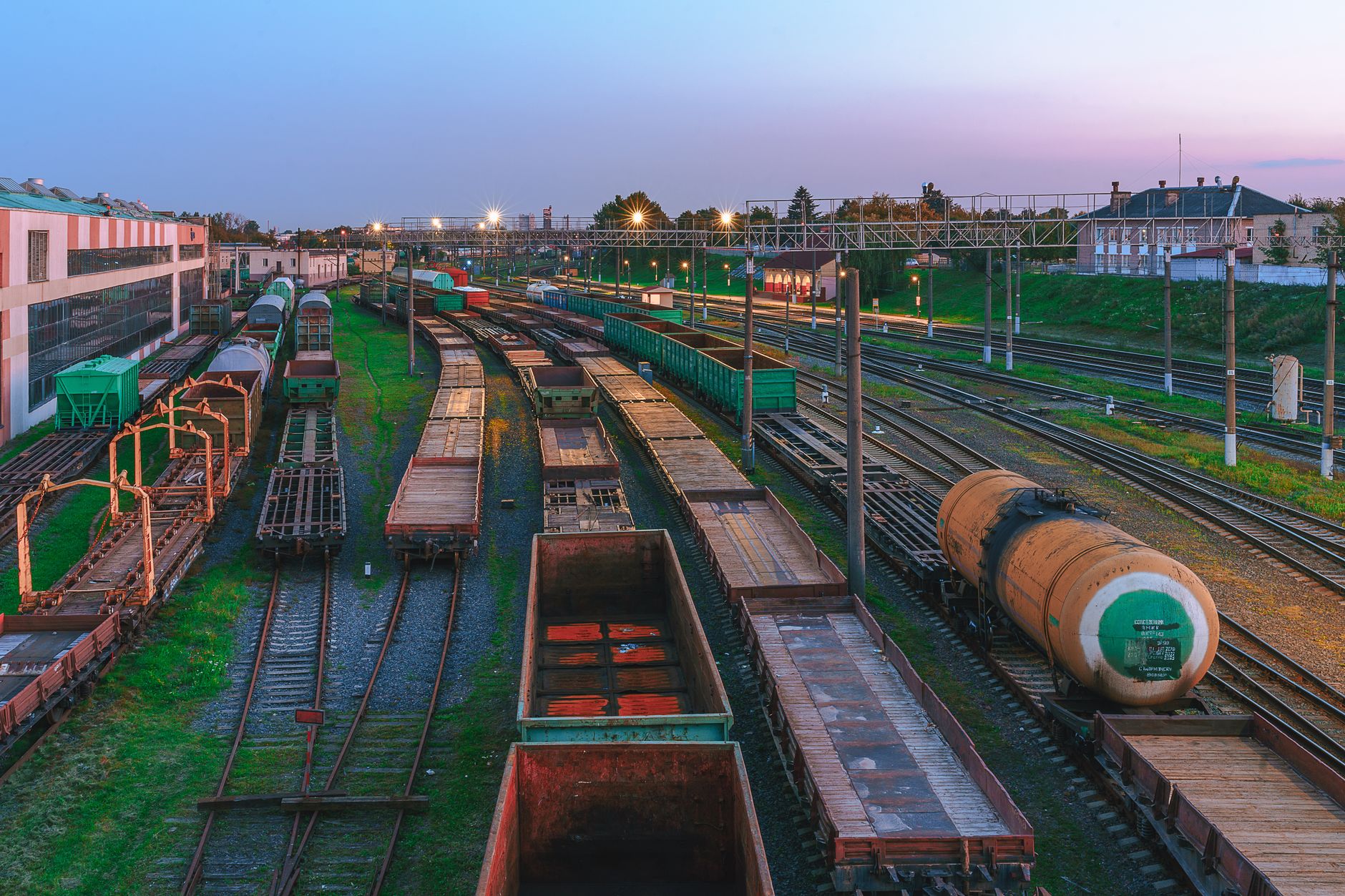
For most rail yards the answer is a drone that flies scheduled perimeter and yard passes on top of a guard, not a drone that removes the night guard. A drone is strongest on long fence lines, lead tracks and rows of parked railcars, where a person on foot covers ground slowly and leaves gaps between checks. It is weaker at the gate, at visitor and crew processing, and at any moment that needs someone to lock, stop, speak or call police directly.
A drone makes sense when the yard is large, the perimeter is hard to walk on a fixed schedule, and night staffing is thin or hard to fill. It does not make sense as the only night control when gate traffic is heavy, when response depends on a person who can act on the spot, or when the route would need flights beyond visual line of sight without a waiver. Decide after a walk of the site, using your own patrol log.
What does an overnight security guard do during a rail yard shift?
Most of the shift is rounds and the log. The guard checks the gate, walks the fence line and yard roads, looks along the rows of parked railcars for open doors, broken seals and people who should not be there, and records each check. The guard also answers alarms, calls railroad police or local police when someone is on the right of way, and keeps visitors and delivery drivers moving through the gate.
Most of the risk sits in the gaps between checks. A round that runs an hour apart leaves long stretches where an intruder can act unseen, and the log is only as good as the patrol that produced it. Ask for the actual check times from the last several weeks. That record shows where the coverage holes are and which passes get skipped when the guard is busy elsewhere.
Median hourly wage, Security Guards
$4,317
Monthly cost of one full-time worker, at the median wage plus payroll costs (an estimate, not a quote).
Which parts of the night can a drone take over, and which can it not?
A drone can take the repeated, scheduled coverage: perimeter and yard passes on a fixed route, flown the same way each time and logged automatically. It does not take work that needs judgment or hands. It can see an open gate or a person near the fence, but it cannot check a lock, speak to a driver, confirm that a crew member is authorized, or stop anyone.
The drone is more consistent on route and timing, and it covers long linear sites without fatigue. The person is better at reading context, handling a confrontation and working through a gate line. The comparison below sorts the tasks, so you can see where each one belongs before you decide.
- Route consistency
Drone
Same route and timing on each pass, logged automatically
Overnight Security Guard
Route drifts with fatigue and with other duties on the shift
- Long fence and track lines
Drone
Covers the line from the air without a walk of every section
Overnight Security Guard
Walks each section on foot, so gaps grow between checks
- Gate and visitor processing
Drone
Cannot check credentials, open a gate or talk to a driver
Overnight Security Guard
Checks credentials, logs visitors and decides who enters
- Physical intervention
Drone
Cannot stop, move or detain anyone
Overnight Security Guard
Can stand between an intruder and a car and call police directly
- Low light and detail
Drone
Image quality drops in poor light, so sensors must match the yard lighting
Overnight Security Guard
Uses a flashlight and judgment, but tires over a long shift
- Sick call or open shift
Drone
Scheduled passes still run while the guard is at the gate, though a person must review alerts
Overnight Security Guard
A sick call leaves the route uncovered unless someone is called in
How much labor is behind the night shift? Turnover and staffing
Staffing is the real constraint at many yards, and the public data on guards is clear on that. According to UC Berkeley Labor Center figures reported in news coverage, annual turnover in investigation and security services reached 89 percent in 2024, against 66 percent across the private sector. The gap has held for about a decade and peaked near 99 percent in 2022. A post that turns over most of its people each year is always training someone new, and that is when rounds slip.
A third-party summary of the same workforce work reports that 43 percent of security officers lack employer or union health insurance, a fact that bears on how hard the job is to keep filled. A secondary source counts about 161,000 to 162,300 annual openings in the field, mostly replacement hires, though methods differ across sources. A third-party summary of federal OEWS May 2024 data counts about 1,241,770 security guards employed nationally.
The government wage data on this page gives the local wage for this job, and it should be read next to turnover. Pay, schedule and benefits all bear on whether a guard stays. Overtime that covers an empty night shift adds fatigue, and fatigue is where a missed round becomes a missed intrusion. Public sources do not publish sick days or open shifts for a given yard, so count those on your own roster.
What does trespass data say about rail property?
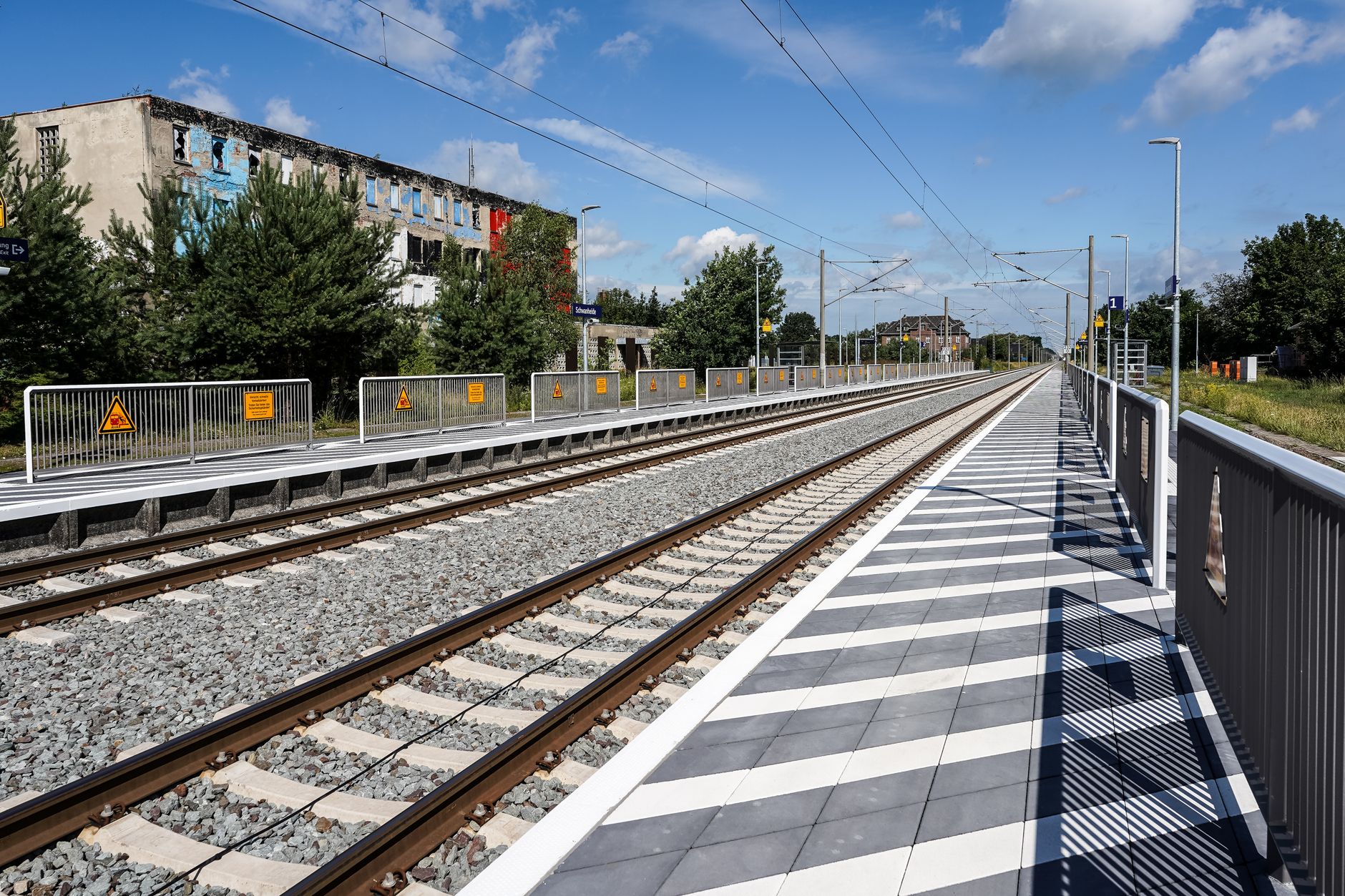
Trespass is the public safety side of yard security. According to Operation Lifesaver, citing Federal Railroad Administration data, trespass-related fatalities totaled 789 and trespass injuries totaled 526 nationally in 2025. The preliminary FRA count for 2022 was 647 trespass fatalities and 550 injuries. These are national totals, not yard figures, but they show why a yard perimeter needs coverage that does not depend on one tired person.
The intrusions that matter most in a yard are people on the track or among the car rows, not only theft from a car. A pass that returns an image or alert of someone at the fence line gives staff a chance to respond before a train moves. Each pass also records what the yard looked like at that hour, which helps when a report or an investigation comes later.
What are the drone flight rules for a rail yard right now?
Most commercial drone flights in the US still have to stay within visual line of sight, and flights beyond that generally need a waiver or exemption. That matters at a yard, where a long perimeter or lead track is hard to cover with a pilot who can always see the aircraft. The FAA's beyond visual line of sight rule, Part 108, is not final. The FAA sent the final rule to White House review on July 10, 2026, and a later update reported it still stuck there with no effective date.
If your design needs flights beyond line of sight, plan for waivers and confirm the status with the FAA and aviation counsel before you commit. A yard can start within line of sight, such as passes around a single section, and expand once the rules and paperwork allow. Do not build a schedule that assumes a rule that is not yet in effect.
How does a team work with a drone on a rail yard?
The working model is always a drone plus fewer staff, never zero staff. The drone takes the scheduled perimeter and yard passes, and a person reviews each alert before anyone is sent out. A guard stays on the gate, handles visitors and makes any physical check, and a supervisor or dispatcher owns the log and the call to police.
In practice the night shift changes from a guard who walks everything to a guard who runs the gate and responds, with a drone covering the long passes between. That is usually a staffing decision, not a headcount cut. Settle who receives each alert, who is authorized to respond, and how the log is handed to day staff at shift change.
We are a US commercial robot integrator. On a project we pick the platform for the site, lease it through financing, deploy and integrate it, train the staff who run it and service it nationwide. Robots are only leased, through financing, and the lease is quoted after a free site assessment.
What can a drone not do at a rail yard?
A drone does not replace a guard's physical presence. It cannot stop a trespasser, move someone off the right of way, check a seal on a car door or talk a driver through the gate. It cannot make a legal judgment about who belongs on site, and it cannot handle the paperwork that follows a theft or trespass report.
Its sensing has limits too. Camera image quality falls in poor light and in weather that clouds the lens, and flight time limits how long a single pass can run. We did not find an independent night study that compares how often a drone and a guard detect the same intrusions, so treat any detection figure in vendor material as something to test on your own site.
If the yard's biggest losses come from gate traffic, visitor errors or an empty shift, a drone will not fix those alone. Fill the staffing gap first, then add aerial coverage where it closes a real hole in the patrol log.
How do I get started with a drone patrol at a rail yard?
Start with a walk of the site and a copy of your patrol log for the last several weeks. Mark where the gaps fall, which passes a person skips, where lighting is weak and where the gate queue builds. That map shows whether a drone is worth piloting and which route to fly first.
Then run a pilot on one route with one leased unit, and set the test before you start, such as fewer missed passes, faster alert review and a clean log. A small robot pilot program keeps the commitment limited while you learn the rules, the alert workflow and the night staffing pattern.
Our integration team handles the rest: a free site assessment, a lease quoted after that assessment, deployment and integration, staff training, go live support and nationwide service with on-site dispatch and remote triage. Ask for a written robot maintenance service plan and a plan for spare unit coverage before you sign anything.
Frequently asked questions
Want a drone at your rail yard?
Tell us about your site. We will recommend the robot, quote the lease, and keep it serviced.
Sources
- US Bureau of Labor Statistics, Occupational Employment and Wage Statistics (OEWS May 2024)
- UC Berkeley Labor Center workforce figures, reported in news coverage
- UC Berkeley Labor Center workforce report, summarized by advocacy group
- OEWS May 2024 security guard employment, third-party summary
- Security guard industry statistics, secondary source
- Operation Lifesaver trespass statistics citing FRA data
- Part 108 final rule sent to White House review, trade report
- Part 108 status update, trade report
- FAA beyond visual line of sight comment period, aviation news