

The short answer
A drone makes sense for the exterior visual survey of a high-rise, the walls and windows a facade inspector would otherwise cover from a suspended platform or rope-access setup, because it can cover every elevation in a planned flight pattern while fewer people work at height. It does not replace the inspector for probe testing, material sampling, or repair scoping, which still need hands on the surface. For most buildings the practical answer is a drone for the visual pass and a smaller, targeted inspector crew for the hands-on items.
Key takeaways
- A drone suits the exterior visual survey of walls and windows, not probe testing, sampling or repairs.
- Vendor-reported on-site times favor the drone by weeks versus hours, but no independent timing study confirmed them.
- Suspended scaffold and rope failures in OSHA accident reports are the strongest safety case for moving survey work off ropes.
- Building services turnover runs high, so train the reviewers and the crew again each cycle.
- Pilot one building cycle against last cycle's findings before you expand to the rest of the portfolio.
Drone vs facade inspector at high-rise buildings: when does a drone make sense?
A drone makes sense as the first pass on a high-rise's exterior visual survey. That covers the walls, windows, sealant lines and parapets a facade inspector otherwise reviews from a suspended platform, a building lift or a rope-access setup on every inspection cycle. The drone records each elevation from a planned flight path, so the inspector can review the record first and decide where to go up.
A drone makes less sense when the job depends on touch. Probe testing, material sampling and detailed repair scoping still need a person on the surface, and rope access keeps its advantage for repairs and detailed restoration. On a low building that a single lift covers easily, the gain shrinks, and every flight still needs a certified remote pilot and clearance for the airspace.
The useful question is which scope your building needs. If the inspection program only asks for a visual record of exterior conditions, a drone covers most of it. If it asks for hands-on findings on every element, the inspector still goes up, and the drone cuts the hours they spend there.
- Exterior visual coverage
Drone
Captures every elevation in a planned flight pattern. A vendor comparison says 100 percent of elevations in one pass.
Facade Inspector
Reviews elevations a section at a time from a platform or ropes. A vendor comparison says scaffolding usually covers 10 to 15 percent at once.
- Probe testing and sampling
Drone
Cannot do it.
Facade Inspector
Does it on the surface, and this is the main reason to keep the inspector.
- Repairs and detailed restoration
Drone
Cannot do it.
Facade Inspector
Rope access keeps the advantage here.
- Time on site (vendor-reported)
Drone
2 to 3 hours of flight for a 20-story building.
Facade Inspector
2 to 3 weeks for the same building under rope access.
- People exposed at height
Drone
Pilot and reviewers work from the ground.
Facade Inspector
Crew works on platforms or ropes, where OSHA accident reports describe failures.
- Weather and wind
Drone
Flights stop or imagery degrades in poor weather.
Facade Inspector
Crews also pause in severe weather, and close contact work can reveal what imagery cannot.
What does a facade inspector actually do in a shift on a high-rise?
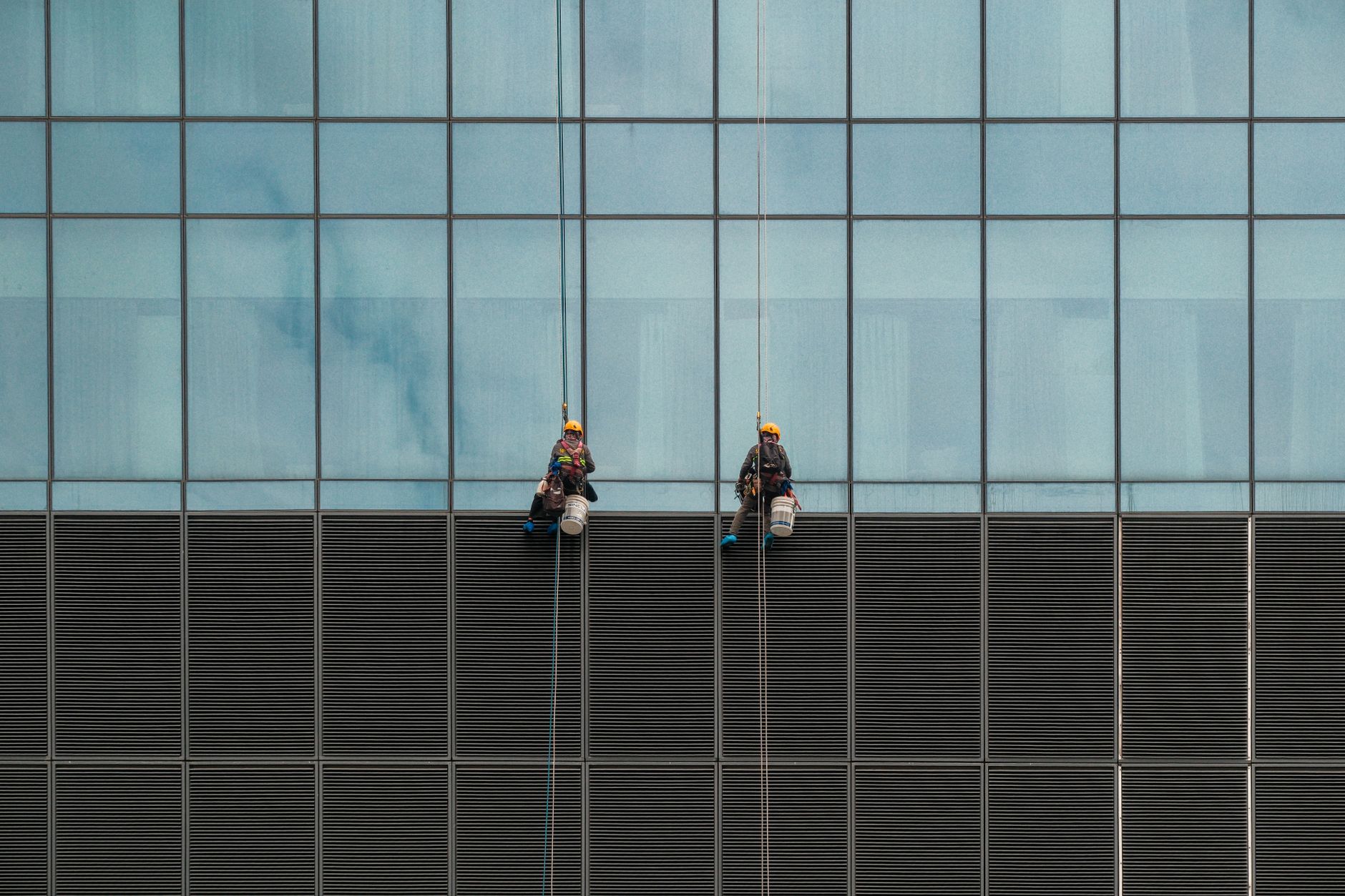
The shift starts with rigging and access. The crew sets up a suspended platform or rope-access lines, checks anchors and equipment, and moves down the elevation in short runs. Every stop is a chance to look closer at a joint, a spall or a cracked cover, and that slow pace is why the work fills a full inspection cycle.
Along the way the inspector photographs defects, logs each one against an elevation and floor, and notes the condition of cladding, window frames, balcony edges and parapets. The notes matter as much as the photos, because a defect without a location is hard to repair. Crews also spend time moving platforms, adjusting lines and waiting out wind.
The hazard is why the question matters. OSHA accident reports describe suspended scaffolds that fell after a wire rope on one side failed, so the platform tilted and collapsed. A Washington State report on window cleaner falls recommends that rope descent systems use an independent fall arrest system with a separate anchorage. Those controls are needed every cycle, so the exposure comes back every cycle too.
Which parts of the inspection can a drone take over, and which can't it?
A drone takes the exterior visual survey. It can fly the full height of each elevation, including setbacks and roof edges, and build a consistent imagery record of walls and windows. A vendor comparison says scaffolding usually covers only 10 to 15 percent of a facade at a time, while a drone can inspect 100 percent of elevations in one pass. That is a vendor claim, so test it on your own building before you rely on it.
A drone cannot take probe readings, pull material samples or judge by touch what sits behind a surface. The same vendor comparison says probe testing and material sampling still need physical access. It also cannot do repairs, and rope access keeps the advantage for repairs and detailed restoration.
Image quality sets the limit. A camera sees cracks, staining, missing sealant and loose cladding only when resolution and standoff distance allow it, so the flight plan has to be built around the defects the program needs to find. Ask for a sample record from a trial flight and check whether defects you already know about show up in it.
How long does a drone facade survey take compared with rope access?
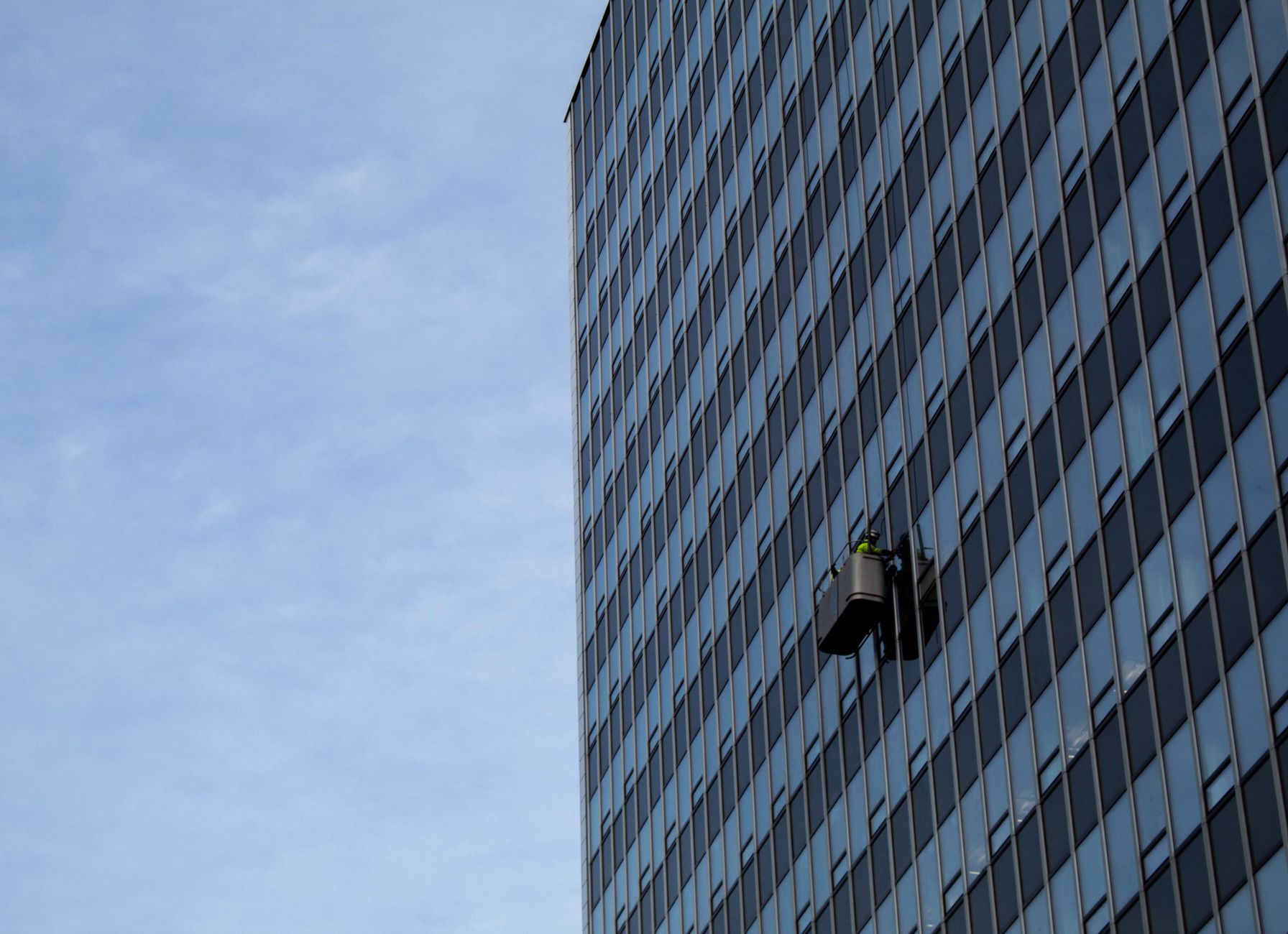
Vendor-reported figures put the gap in weeks versus hours for a tall building. A Singapore vendor's published comparison says a 20-story building that takes rope-access teams 2 to 3 weeks can be surveyed by drone in 2 to 3 hours. Those figures come from a provider that sells drone work, and no independent timing study turned up in this research.
Read the numbers with care. They measure on-site time as each provider states it. They leave out report writing, data processing, follow-up on flagged items, and the rope or lift crew you still need for hands-on work. Build your own timeline with those steps included before you compare bids.
Cost follows the same logic. A separate vendor analysis puts drone survey cost roughly 60 to 80 percent below rope access for survey work, and no independent cost study was found. Ask for a quote built from your building's elevation count and scope, not from a general rate.
What does the labor picture look like for building crews?
The research gathered here did not find facade inspection tracked as its own occupation, so the closest measure is janitors and building cleaners. The Bureau of Labor Statistics counted 2,447,700 jobs in that group in 2024 and projects 2 percent growth from 2024 to 2034, which it describes as slower than average. A large, slow-growing pool means building maintenance crews are not getting easier to staff.
Turnover is where the staffing risk concentrates. A vendor analysis of commercial cleaning and building services says annual turnover typically runs 50 percent to over 100 percent. That figure comes from a vendor, not from a BLS count, but it points to crews that change often. A rope or lift crew you trained last cycle may not be the one on site next cycle.
The research gathered here does not give hours per week, overtime, night shift or sick day figures for facade inspection, and no BLS hours figure for this work turned up. Ask your inspection contractor for their own records on crew hours, overtime and absences before you use any of them as a baseline.
How does a team work with a drone on a high-rise?
The team runs as a drone plus fewer people on ropes or lifts, never as a drone alone. A certified remote pilot flies the survey, a qualified inspector reviews the imagery and picks the spots to go up, and a building engineer handles roof access and tenant coordination. A person still signs every finding.
Staffing shifts from people on the platform to people on the plan. Crews that used to spend most of a cycle moving platforms now spend more time on flight planning, image review and targeted hands-on checks. Keep the rope or lift crew on the roster for those checks, because the drone cannot replace them.
We are a commercial robot integrator, so our part is picking the right drone for the building, leasing it through financing, deploying and integrating it into your inspection workflow, training the pilots and reviewers, and servicing it nationwide. Training covers your defect list, so the first cycle does not depend on one person.
What can a drone not do on a high-rise inspection?
A drone cannot touch the building. It cannot pull a sample, run a probe, press on a spalled panel or see behind a sealant joint to judge what is failing underneath. Those hands-on findings often decide the repair scope, so a drone-only survey is a first pass, not a final condition report.
Weather limits flights. Wind, rain and low visibility can stop a flight or degrade imagery, so plan buffer days inside each cycle window. If flights wait on weather, the time advantage shrinks with them.
Air rules add a step. Federal drone operating rules, including Part 107, apply to this work, and the FAA has issued a 2025 notice on operations above UAS altitudes for vertical structure inspections, effective September 30, 2025. Its text was not retrieved in this research, so read it with your operator before planning flights over a tall structure. Confirm with the local inspection program whether drone imagery alone is accepted.
What should you check before deciding on a drone survey?
A few checks change the answer more than any headline time or cost figure. Start with the scope the program requires, then the elevation count and setbacks, then the hands-on items that still need crew days.
In New York City, a secondary summary of the facade inspection program says it covers buildings over six stories by physical height. The NYC Department of Buildings presentation cites about 16,000 buildings in Cycle 9. Confirm both against the Department of Buildings text before you size a program around them.
How do you get started with a drone for facade inspection?
Start with a free site assessment. We map the building's elevations and setbacks, identify the hands-on items that stay with the crew, and agree the flight plan and the review steps. The lease payment is quoted after that assessment, so the figure reflects your building rather than a generic offer.
Pilot one building or one inspection cycle before you expand. A leased drone, a trained operator and a written defect list are enough to compare the drone record against the crew's findings from the last cycle. If the imagery catches what the crew found, expand. If it misses items, adjust the flight plan or keep the crew on those elevations.
Our service covers deployment, go-live support, staff training and maintenance nationwide, with one contact for the lease, the service and repairs. Ask for a backup unit plan too, because a grounded drone in the middle of a cycle is the failure you most need to plan for.
Frequently asked questions
Want a drone at your high-rise building?
Tell us about your site. We will recommend the robot, quote the lease, and keep it serviced.
Sources
- Bureau of Labor Statistics, Occupational Outlook Handbook: Janitors and Building Cleaners
- NYC Department of Buildings, facade inspection program presentation
- OSHA accident report on a suspended scaffold wire rope failure
- Washington State Department of Labor and Industries, window cleaner falls report
- Vendor comparison of facade drone inspection in Singapore (vendor-reported)
- Vendor comparison of drone and scaffolding facade inspection (vendor-reported)
- Vendor analysis of drone window cleaning versus rope access (vendor-reported)
- Vendor analysis of janitorial and cleaning turnover (vendor-reported)