
The short answer
A drone vs overnight security guard choice at a cemetery is rarely a straight swap. A drone makes sense as a supplement on large, open grounds with long fence lines and several gates, where a guard otherwise spends most of the night walking. It does not replace the person who answers an alarm, speaks to visitors and checks inside buildings, so the workable model is a drone plus fewer staff, never zero staff.
Key takeaways
- A drone covers open ground, gates and fence lines from above, but it cannot answer an alarm, speak to a visitor or enter a structure.
- Cemetery vandalism is most often an after-dark problem, so overnight coverage is the real goal.
- Turnover among US security guards runs far above the private-sector rate, so plan for vacant nights.
- The workable model is a drone plus fewer staff, never zero staff.
- Flights beyond the pilot's visual line of sight need an individual FAA waiver, which shapes the route.
Drone vs overnight security guard at cemeteries: which makes sense?
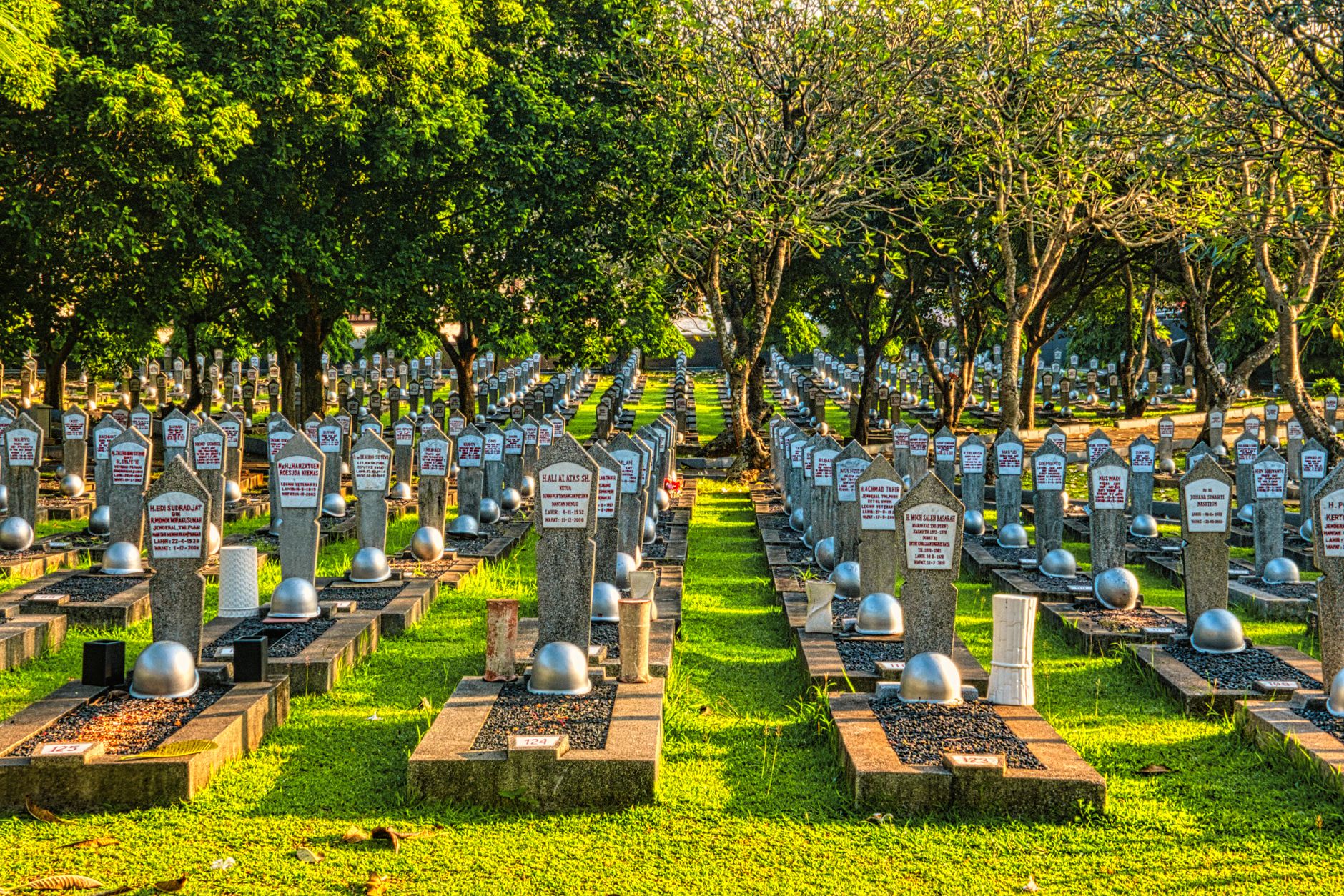
For most cemeteries, a drone makes sense as an addition to an overnight guard, not as a replacement. The drone vs overnight security guard decision turns on two things: how much open ground needs watching, and who handles the moment something goes wrong. Large grounds with long fence lines, several gates and wide open lawns suit aerial coverage. A person still has to respond, walk into structures and speak to visitors.
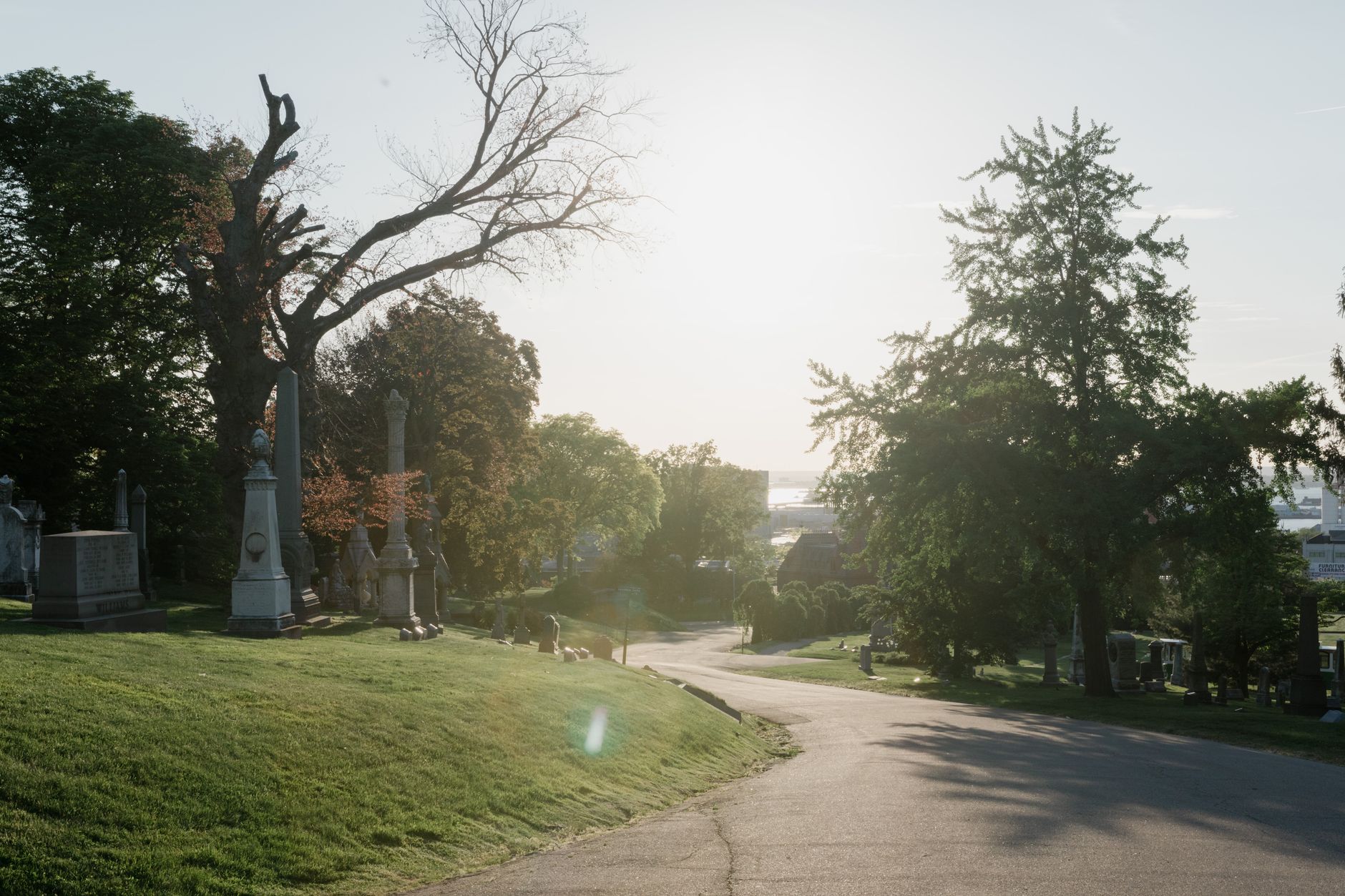
A drone is a weaker fit where the grounds are small, packed with mausoleums or heavily wooded, or where nobody is on call. It can show a gate standing open or a figure near a fence line, but it cannot stop anyone. Heavy tree cover can block the view from above in exactly the corners that matter most.
The case for adding a drone is mostly about after-dark coverage. Vandalism tends to happen when no one is watching, so the real question is how much of the property an overnight team can check in one night, and how fast it hears about a problem.
What does an overnight security guard actually do at a cemetery?
An overnight guard at a cemetery usually works a set route through the grounds. The route covers the gates, fence lines, service roads, the maintenance yard and the rows of markers, where damage is easiest to see. The guard checks that gates are secured, looks for vehicles or people where none should be, and responds when an alarm or call comes in.
Much of the shift is presence and paperwork. A guard seen on the grounds discourages people from wandering in to knock over markers, and the log gives the owner a record for police reports and insurance claims. On large grounds the walk itself fills most of the night, which is why the patrol route is the thing to measure first.
Vandalism tends to cluster in the hours when no one is watching. A Trinkley conservation column, citing a 1984 study, says most of the incidents its author reviewed in news reports happened on weekends and after dark. More recently, WSMV reported in July 2025 that more than 20 headstones were damaged in Cookeville, Tennessee. Not every fallen stone is vandalism, since erosion and poor maintenance can topple markers too, so the patrol log should note the difference.
Median hourly wage, Security Guards
$4,317
Monthly cost of one full-time worker, at the median wage plus payroll costs (an estimate, not a quote).
- Open-ground coverage
Drone
Scheduled aerial passes cover the whole property without walking distance limits
Overnight Security Guard
Walks the route and sees low spots, corners and rows that an aerial view can miss
- Gates and fence lines
Drone
Checks gate positions and fence lines from above on each pass
Overnight Security Guard
Tests latches and chains by hand and inspects locks up close
- Responding to an alarm
Drone
Flies to the spot and sends imagery to the staff member
Overnight Security Guard
Goes to the scene, assesses it, and calls police when needed
- Visitors or trespassers
Drone
Can record and report, but cannot speak to or stop anyone
Overnight Security Guard
Can speak to a visitor, ask them to leave and document the encounter
- Inside structures and sheds
Drone
Cannot enter mausoleums, sheds or locked buildings
Overnight Security Guard
Checks doors and interiors on foot
- Weather and battery
Drone
Limited by wind, rain, fog and battery life
Overnight Security Guard
Keeps working in most weather with breaks and a vehicle, though fatigue builds over long shifts
- Records
Drone
Time-stamped imagery from each pass
Overnight Security Guard
A written log with observations and names of anyone spoken to
Which parts of the night patrol can a drone take over?
A drone can take over the open-ground pass. On a scheduled flight it can check the perimeter fence, gate positions and open rows from above, and send imagery to a staff member who reviews it. Where a guard spends much of the night walking empty grass, that work can move to the aircraft. The flight plan should follow the actual grounds rather than a generic grid, so the gates and corners come first.
Night flying is possible under the rules, with conditions. One summary of the federal rules for small drones, on DroneXL, says Part 107 permits night operations after online training and with anti-collision lighting, and that the light must be visible for three statute miles. Flights beyond the pilot's visual line of sight need an individual FAA waiver, applied for through DroneZone as of mid-2026, according to a 2026 guide on FAA waivers. A route that runs out of sight of the pilot therefore needs paperwork before the first flight.
In practice the split is simple. The drone takes the open-ground pass. Gate tests, interiors and any call-out stay with a person.
What do turnover and staffing look like for overnight guards?
Staffing is the hard part of any overnight coverage plan. According to the UC Berkeley Labor Center report, annual turnover among US security guards reached 89 percent in 2024, against 66 percent for the private sector overall. The same report says the security industry has run above the private-sector rate for roughly a decade.
The same report found that 71 percent of security officers earn less than the MIT living wage for a single adult, and 43 percent lack health insurance through an employer or union. Those figures help explain why night posts stay open. Compare the local wage for this job in the government wage data on this page with what your site can offer, and with what an open shift costs in overtime and missed patrols.
Every vacant night is either a missed patrol or a shift covered by someone working another night. Sick days and turnover land on the same few people, so a route that depends on one person is fragile. A drone does not fix the staffing problem, but it can keep the open ground covered on a short-handed night, which is why the team model matters.
How does a drone work alongside fewer staff?
The working model is a drone plus fewer staff, never zero staff. The aircraft flies scheduled passes over the open grounds. One trained person, on site or on call, reviews each pass, checks gates and buildings on foot, and responds to alarms. The person's route shrinks to the places the aircraft cannot cover well, which are usually the buildings, the gates and the spots under trees.
The staff member keeps the decisions. They judge whether a flagged figure is a visitor, a worker or a problem, and they call police or the owner. The person should never confront anyone alone. A 2007 BLS fact sheet, now archived, reported assaults and violent acts on security guards at 14.4 per 10,000 full-time workers, against 2.6 per 10,000 for private industry overall. The figure is old, but it argues for calling police or sending a second person rather than confronting anyone alone.
We select the aircraft for the site, lease it through financing, deploy and integrate it, train the staff who fly and monitor it, and service it nationwide. The lease payment is a fixed amount quoted after a free site assessment, so you see the number before you decide. As a vendor-neutral integrator, we choose the aircraft to fit the grounds rather than a single product line.
What can a drone not do at a cemetery?
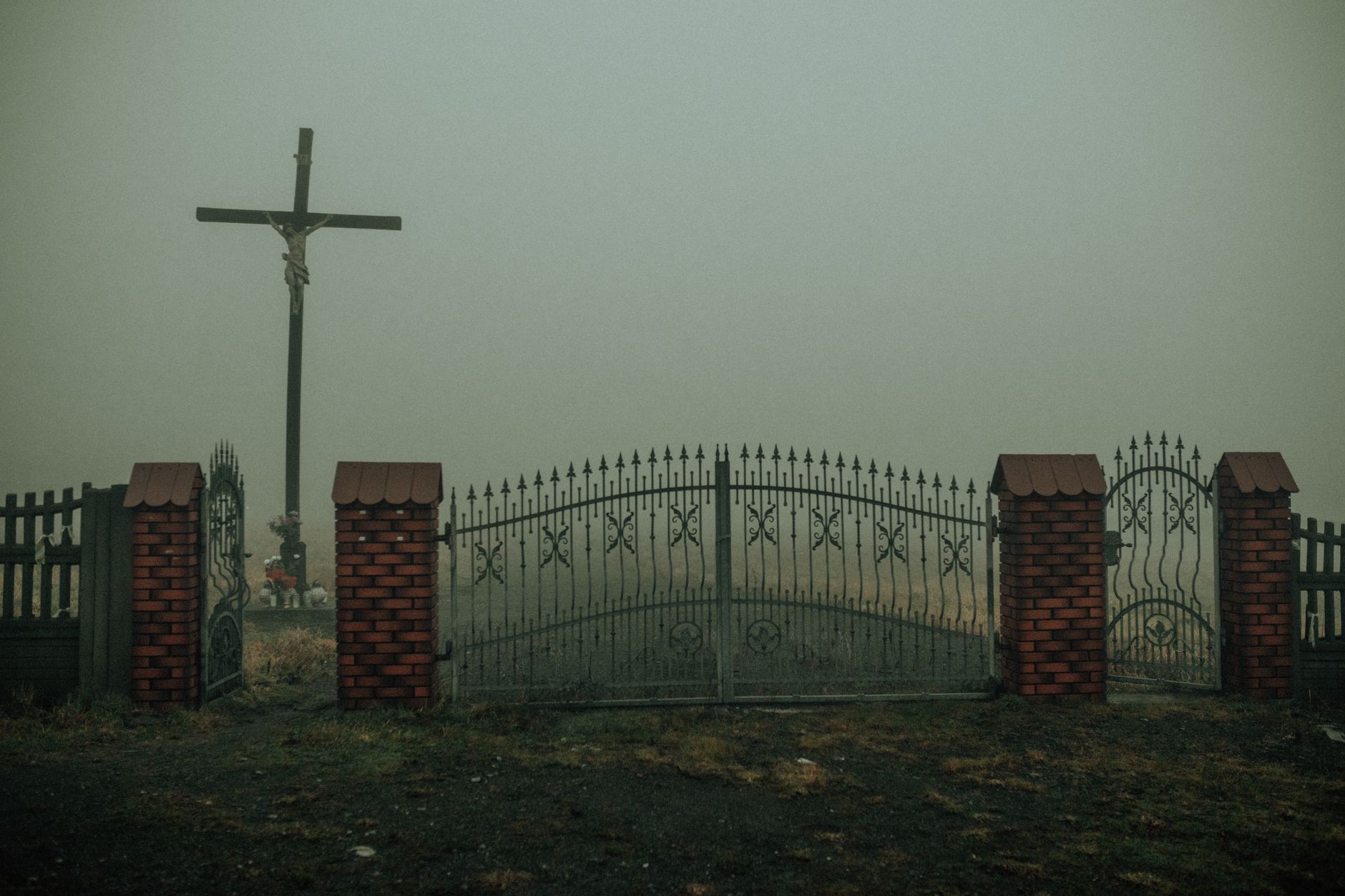
The drone is limited by weather and battery. Wind, rain and fog can keep it on the ground, and a battery lasts only so long, so passes need planned swaps and a fallback plan for nights when flying is not possible. Dense tree canopy hides the ground from above, and those are the spots a vandal would choose.
It cannot enter a mausoleum, a shed or a locked building, and it cannot test a gate latch by hand. At close range it cannot reliably tell a fallen headstone from a vandalized one, and it cannot speak to anyone or ask them to leave. A person has to make those calls, and the log should say who made them.
Flights near services or visitors need care. A low, noisy aircraft can disturb a burial or memorial, so the schedule should keep flights outside service hours, and the owner should set a written rule for when the drone stays grounded. Local ordinances and airspace limits also apply, so raise them in the site assessment rather than after the first complaint.
Is a drone worth it at a cemetery? Cost, hours and payback
The honest test is hours. A drone earns its place when it takes over enough open-ground walking that the same grounds can be covered with fewer staff hours, or when it fills a vacant night that would otherwise be missed. It is a poor fit when the grounds are small and the walk is short, because the aircraft adds equipment, training and waiver work that a short route does not need.
Costs come in three groups: the aircraft lease, training and certification for the staff who fly it, and the route and waiver work. The lease payment is a fixed figure quoted after a free site assessment, and it depends on the grounds, the route and the level of service. Set that quote beside the local wage for this job in the government wage data on this page, and beside the staff hours it would replace.
Payback is a matter of replaced hours and fewer missed patrols, not of one number. Ask for a quote built on your own grounds, and ask it to show the staffing you would keep. A plan that removes every person from the night would not be one we recommend.
How do you get started with a drone at a cemetery?
Start with the free site assessment. We map the grounds, mark the gates, fence corners and tree cover, and design a route that matches where the guard walks today. That map becomes the basis for the flight plan and, if beyond-sight flights are needed, the waiver request.
Next, settle the staffing model and training plan. Name the person who reviews each pass, set the on-call response, and schedule training for the staff who will fly. Many owners start with one leased aircraft over one set of grounds, then widen the route once the log shows the night is covered.
Once the aircraft is in place, we deploy and integrate it, train the staff, and service it across the United States. You receive a fixed lease payment quote after the site assessment, so the decision rests on your grounds and your hours.
Frequently asked questions
Want a drone at your cemetery?
Tell us about your site. We will recommend the robot, quote the lease, and keep it serviced.