
The short answer
For most gas power plants, the drone vs overnight security guard choice is less either or than it looks. A camera drone can cover long, far-apart stretches of fence line on scheduled and randomized patrols and flag anomalies, but a person still has to respond, check access at gates and make judgment calls. The practical setup is a drone plus fewer guards, sized to the alarm and response plan the site must meet, never a drone alone.
Key takeaways
- A drone fits long, spread-out perimeter ground, while a guard fits gate control, response and judgment.
- Most gas plants should plan a drone plus fewer staff, not zero staff.
- Guard turnover in security work is high, so staffing gaps are a recurring operating cost.
- Verified hour and injury figures for plant guards are scarce, so measure your own post logs and fence line.
- Start with a free site assessment and a pilot on one perimeter section before changing the staffing plan.
Drone vs overnight security guard at a gas power plant: which makes sense?
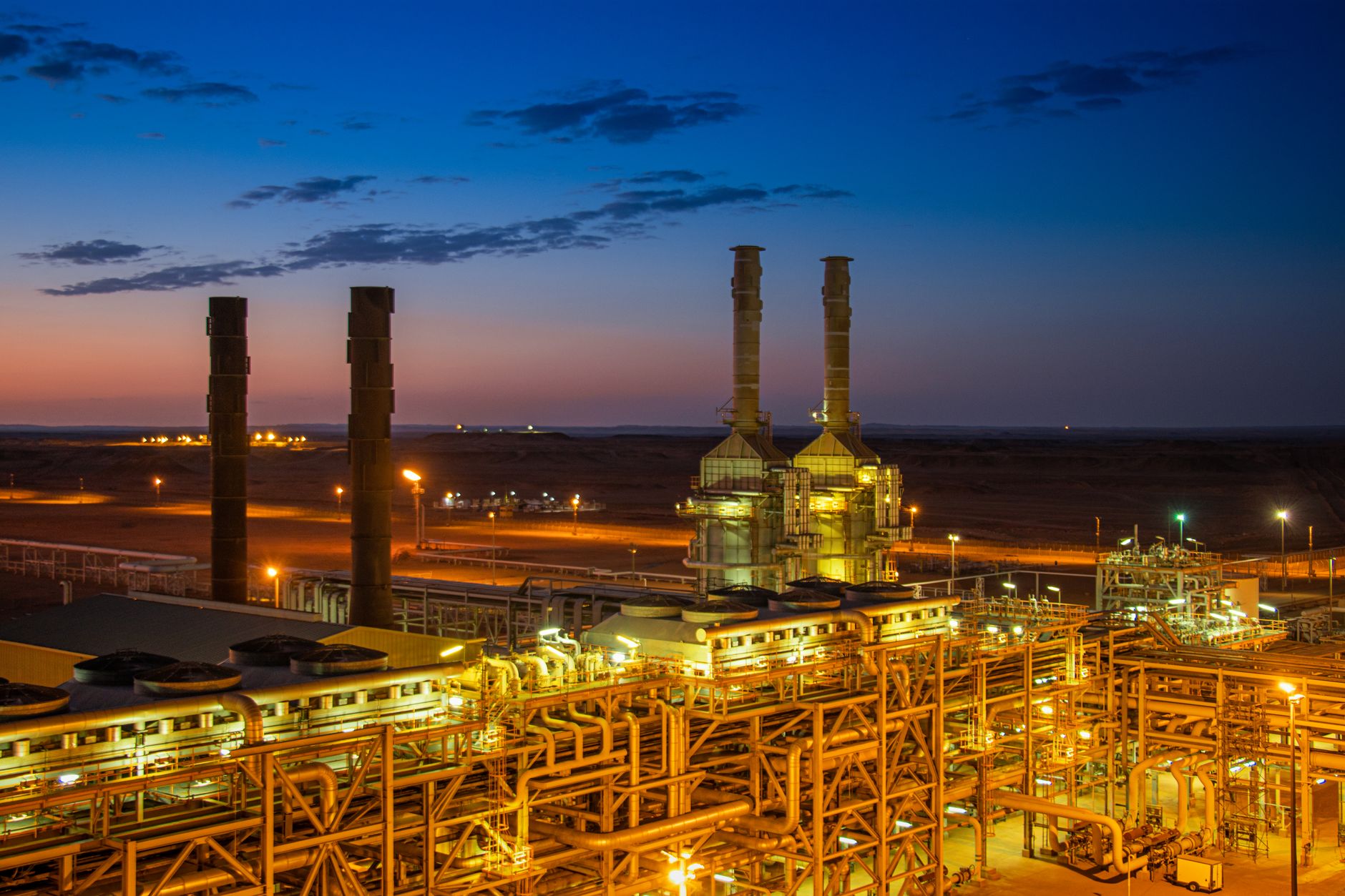
A drone makes sense at a gas power plant when the perimeter is long, the ground between checkpoints is spread out, and the main overnight job is noticing that something changed. A camera drone can fly scheduled and randomized patrols along fence lines, around storage areas and out to outlying gates, then send imagery to a monitored station. An industry article on protecting utilities says camera-equipped drones can take over human perimeter patrols at utility sites, which is the use case this page tests.
A drone does not make sense as a replacement for all overnight staff. It cannot open a gate, check a badge at a door, detain anyone or drive out to a fault. It also depends on battery planning, connectivity, weather, light and a flight plan that the site's operators have approved. A plant with a short fence, heavy gate traffic or response requirements that need a person on site overnight usually keeps a staffed post as the primary control.
Most gas plants land in the middle, with a drone plus fewer guards sized to the alarm and response plan the site must meet. The U.S. Energy Information Administration reports 25,378 electric generators at about 12,538 utility-scale power plants as of December 31, 2022, across all fuel types, so the gas-only count is a subset and needs its own check in the agency's plant data. The rest of this page covers the tasks, the labor picture, what the robot cannot do and how to start.
What does an overnight security guard actually do on a gas plant shift?
The overnight guard usually does four jobs: controls who enters through the gate, walks or drives a patrol route, watches the alarm panel and camera displays, and logs every event with a time. The patrol route, gate procedure and alarm response are set by each plant's security plan, so two plants of similar size can run very different posts. The written log is often the record reviewed after an incident, which makes its accuracy part of the job.
Much of the shift is quiet, and that is where staffing quality matters. A guard who is tired, new to the site or covering a second post is more likely to miss a small change in a camera image or a fence line that looks slightly off. We did not find verified public data on shift length, night-shift share, overtime or sick-day rates for plant guards, so your own timesheets and post logs are the reliable source for those numbers.
Response is the part that does not transfer on its own. When an alarm trips, someone has to confirm it, decide whether to call operators or emergency services, and stay with the situation until it is resolved. That response duty sets the minimum staffing a site needs, even when patrol work moves to a drone.
Median hourly wage, Security Guards
$4,317
Monthly cost of one full-time worker, at the median wage plus payroll costs (an estimate, not a quote).
Which parts of the overnight watch can a drone take over, and which can't it?

Patrol and visual checks are the strongest fit. A drone can fly a route every night with varied timing and altitude, capturing images that an operator compares against a baseline. Scheduled and randomized patrols work as a deterrent because an intruder cannot predict when the perimeter is being watched. Security Magazine also notes a 2020 attempted small-drone attack on a utility substation, which is one reason plants treat drones as both a tool and a risk to plan for.
Alarm verification is a partial fit. A drone can be launched toward the zone where a sensor tripped, letting an operator see whether the cause was a person, an animal, weather or a fault. That matters because older perimeter sensors produce many false alarms. An article in Security Magazine reports that up to 98% of alarms from traditional perimeter sensors are false, a figure it attributes to vendors and that we did not independently check, so test the rate on your own site before using it in planning.
Gate control, physical intervention, badge and key checks, and driving out to a fault remain human work. Drones also cannot see through dense cover, and weather and light limit flights. When a drone is grounded, the perimeter depends on whatever fixed sensors and cameras already exist, which is why the backup plan belongs in the design from the start.
What do the staffing and turnover numbers say about overnight guards?
The occupation is large and its headcount is stable. The Bureau of Labor Statistics Occupational Outlook Handbook lists 1,272,400 security guard jobs in 2024 and projects a change of 0% for 2024 to 34, which the handbook describes as little or no change. A stable headcount with heavy churn suggests the hiring problem is about keeping people, not finding total supply.
Turnover is the labor fact that matters most here. According to UC Berkeley News, which covers a UC Berkeley Labor Center report, annual turnover in investigation and security services was 89% in 2024, against 66% across the private sector. The same coverage says the gap has held for a decade and peaked near 99% in 2022. The report also says 43% of security officers lack health insurance through an employer or union, and coverage attributes the churn mainly to low pay, lack of benefits and a demanding workload.
A California-only series from the same research group, as reported in coverage, shows turnover of about 83% in 2014, 95% in 2019 and about 92% in 2024. Each new guard needs training on the plant's gate, alarm panel and emergency procedures, so every resignation pulls time away from the people who remain. The government wage data on this page gives the local wage for this job, which is the right starting point for the labor side of the comparison.
How does a drone plus fewer staff work at a gas plant?
We are a US commercial robot integrator. For a plant, that means we pick the robot for the site, lease it through financing, deploy and integrate it, train the staff who use it, and service it nationwide, so the staffing plan and the equipment plan are written together. In a gas plant that usually means a docked drone or a small set of drones flying the perimeter on schedule, with video and alarm data going to a monitored station that a trained person watches. We do not recommend removing overnight staff entirely.
The guard post changes shape rather than disappearing. The guard becomes the responder and the gatekeeper, and spends less time walking the fence line. Plants that run this way define in advance which alarms the drone verifies first, which send a person straight to the scene, and which go to the control room. Those written procedures are part of the deployment, not an afterthought.
Patrol time shrinks while response, gate and training time stay. Before a drone is launched, the site should be able to show the alarm sequence, the handoff to a person and the log that records each step. The fixed robot lease payment is quoted after a free site assessment, so the staffing decision can rest on the real layout, the flight paths and the points where a person must stay.
Drone vs overnight security guard: where does each one win?
The table below compares the two on the tasks that matter at a gas plant. Read the guard column as carefully as the drone column, because the guard wins on several points that matter most.
The drone wins on consistency and reach. It flies the same route every night without fatigue, covers distant ground in one pass, and produces a visual record of each run. It also gives a safer first look at a sensor alarm near energized equipment, because no person has to walk toward the alarm before it is checked.
The guard wins on everything involving a person: gate decisions, challenge and response, contact with operators or emergency services, and the judgment to escalate or stand down. The guard also does not depend on connectivity or flight approvals. For a plant with a short fence and heavy gate traffic, the guard is usually the better primary control.
- Ground coverage
Drone
Covers long, spread-out fence line on scheduled and randomized runs
Overnight Security Guard
Covers the same ground on foot or by vehicle, with longer gaps at distant points
- Consistency late in the shift
Drone
Flies the same route to the same standard on every run
Overnight Security Guard
Attention varies with fatigue, boredom and staffing gaps
- Gates and access
Drone
Cannot check badges, visitors or vehicles, or open a gate
Overnight Security Guard
Checks credentials, makes access calls and turns people away
- Alarm verification
Drone
Can fly to the zone and show what tripped the sensor
Overnight Security Guard
Can walk the zone, but must go in person, sometimes into hazardous areas
- Weather, light and power
Drone
Limited by wind, rain, low light, battery and connectivity
Overnight Security Guard
Works through most weather, within its own safety limits
- Response and judgment
Drone
Cannot detain, intervene or make judgment calls about people
Overnight Security Guard
Decides when to escalate, stand down or intervene within training and policy
- Labor continuity
Drone
Not affected by sick days or resignations, though it still needs maintenance
Overnight Security Guard
Needs cover for sick days, resignations and overtime
What can a drone not do at a gas plant?
The limits matter more than the features. A drone cannot respond to an intrusion, detain anyone or make a judgment about a person at a gate. It cannot stand between a visitor and a restricted area. When a drone flags an event, a person must still decide what happens next, and that person has to be on call or on site.
Operational limits are real too. Flight depends on battery, weather, light and connectivity, so the plan must cover the periods when the drone is grounded. Airspace rules and the site's own flight approval add steps before launch. Plants with strict network or radio rules need that review before deployment, not after.
Regulatory fit needs a check as well. NERC CIP-006 sets requirements for physical security perimeters around critical cyber assets, and we found no NERC standard that names drones directly. The question for your compliance team is whether a drone patrol can be documented as part of your physical security program. We also did not find verified injury or incident rates for plant guards, so do not let any headline rate replace your own incident history.
How do hours and labor change when a drone takes patrol work?
We did not verify hour figures for an overnight gas plant post, so this page does not state how many hours a drone saves. What you can measure is the split of each shift between patrol, verification, response and gate duty. Pull the last year of post logs and sort each entry into those four groups to see where the time goes.
Vacancies are where the cost hides. With turnover in investigation and security services at 89% in 2024, according to the UC Berkeley coverage, a post can run short for weeks while a replacement is trained. Overtime for the remaining guards and supervisors covering the gap are the usual signs. Track both, because a drone that takes patrol work does not fill a gate that needs a person.
A drone plus fewer staff changes the mix of the shift rather than removing it. Patrol time shrinks, while response, gate and training time stay. Build the staffing plan from the alarm and response plan first, then test it against the minimum headcount that plan requires. Use the government wage data on this page for the local wage for this job when you compare the labor side against the lease.

How do you get started with a drone at a gas power plant?
Start with the decision, not the hardware. Write down the alarm and response plan the site must meet, the minimum staff for that plan, and the points where a person must be present at all times. Then ask whether a drone can take the patrol and verification work without weakening any of those requirements.
A free site assessment is the usual first step. The assessment maps the perimeter, flight paths, connectivity and staffed points, which lets the layout drive the design. The fixed robot lease payment is quoted after that assessment, with lease financing, and we handle deployment, integration, staff training and nationwide service so the plant does not manage those pieces alone.
Run a pilot on one perimeter section before changing the whole post. Compare alarm verification results and response times against your existing post logs over an agreed period, and set the success measures before the pilot starts. Keep at least one staffed post running throughout, so the site never drops to zero staff during the change.
Frequently asked questions
Want a drone at your gas power plant?
Tell us about your site. We will recommend the robot, quote the lease, and keep it serviced.
Sources
- US Bureau of Labor Statistics, Occupational Employment and Wage Statistics (OEWS May 2024)
- U.S. Bureau of Labor Statistics, Occupational Outlook Handbook: Security Guards
- UC Berkeley News, study on the security guard workforce
- U.S. Energy Information Administration, FAQ on US electric generators and plants
- Security Magazine, article on protecting utilities from criminal and terrorist targets
- North American Electric Reliability Corporation, CIP-006 standard text