
The short answer
A robotic lawn mower vs groundskeeper decision at a fairground favors the robot for repeat mowing of large, flat, open turf on a schedule that shifts with the event calendar. It does not fit as a replacement, because edging, debris removal, turf repair, irrigation and event setup still need people, so the right model is a robot plus fewer staff. A site assessment that measures mappable acreage, obstacles, slopes and charging access decides whether a lease makes sense on your grounds.
Key takeaways
- A robotic lawn mower takes repeat mowing of large open turf, not the whole groundskeeping job.
- Event debris, ruts, edging and setup stay with people, so the crew stays in the plan.
- Industry turnover data shows operations roles at larger firms churn faster than average, which makes repeat mowing hours the first to hand off.
- Injury and fatality figures for grounds work are high enough to justify cutting exposure on repeat tasks.
- Measure your own acreage, slopes and event overlap before deciding.
When does a robotic lawn mower make sense at a fairground?
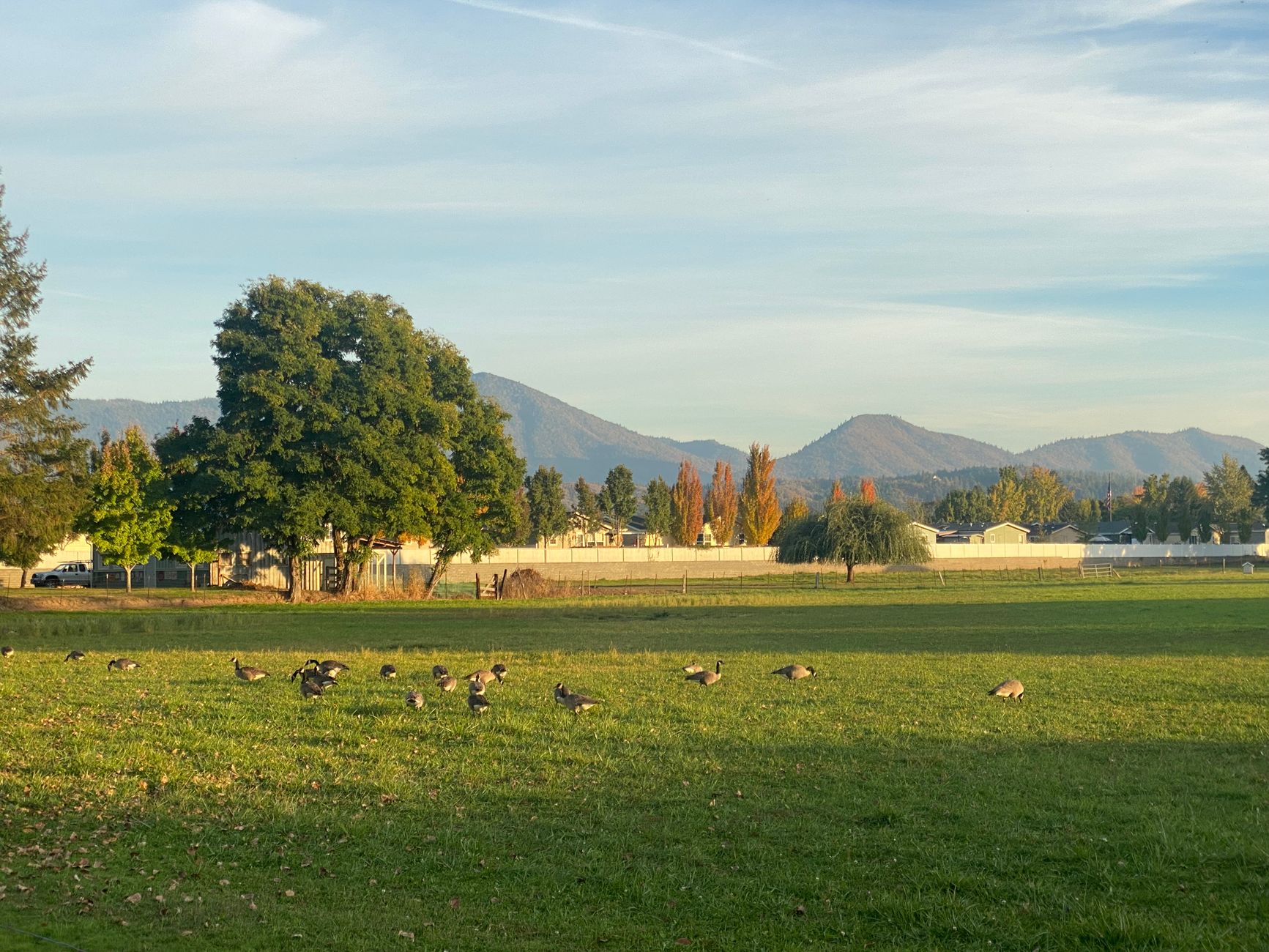
A robotic lawn mower makes sense at a fairground when the job is repeat mowing of open turf on a schedule that moves with the event calendar. Infields, open lawns between exhibit buildings, and the flat edges of parking areas are the strongest candidates, because the mower follows a mapped boundary and cuts the same ground again and again. That repetition is where the robotic lawn mower vs groundskeeper comparison tips toward the robot.
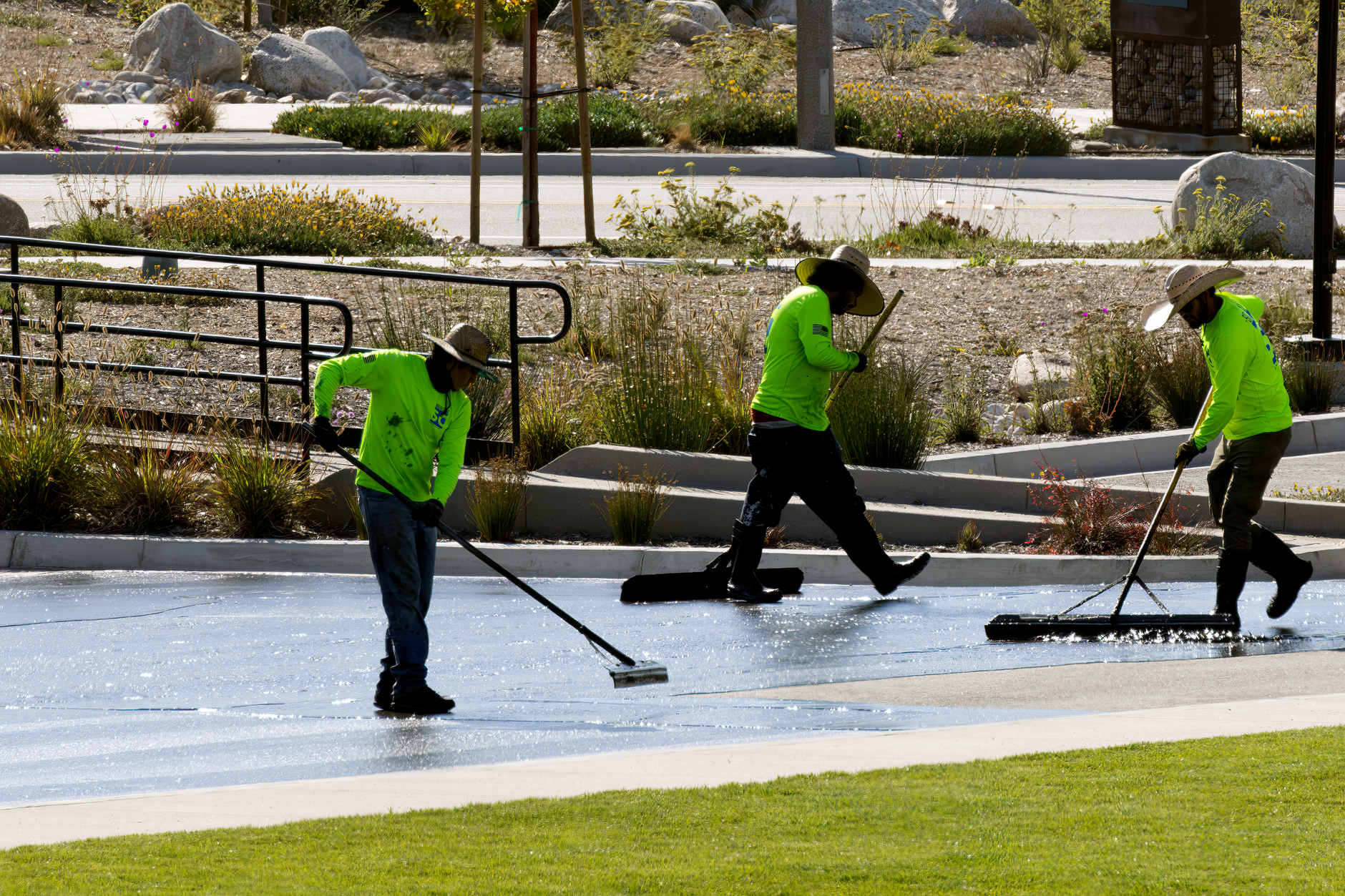
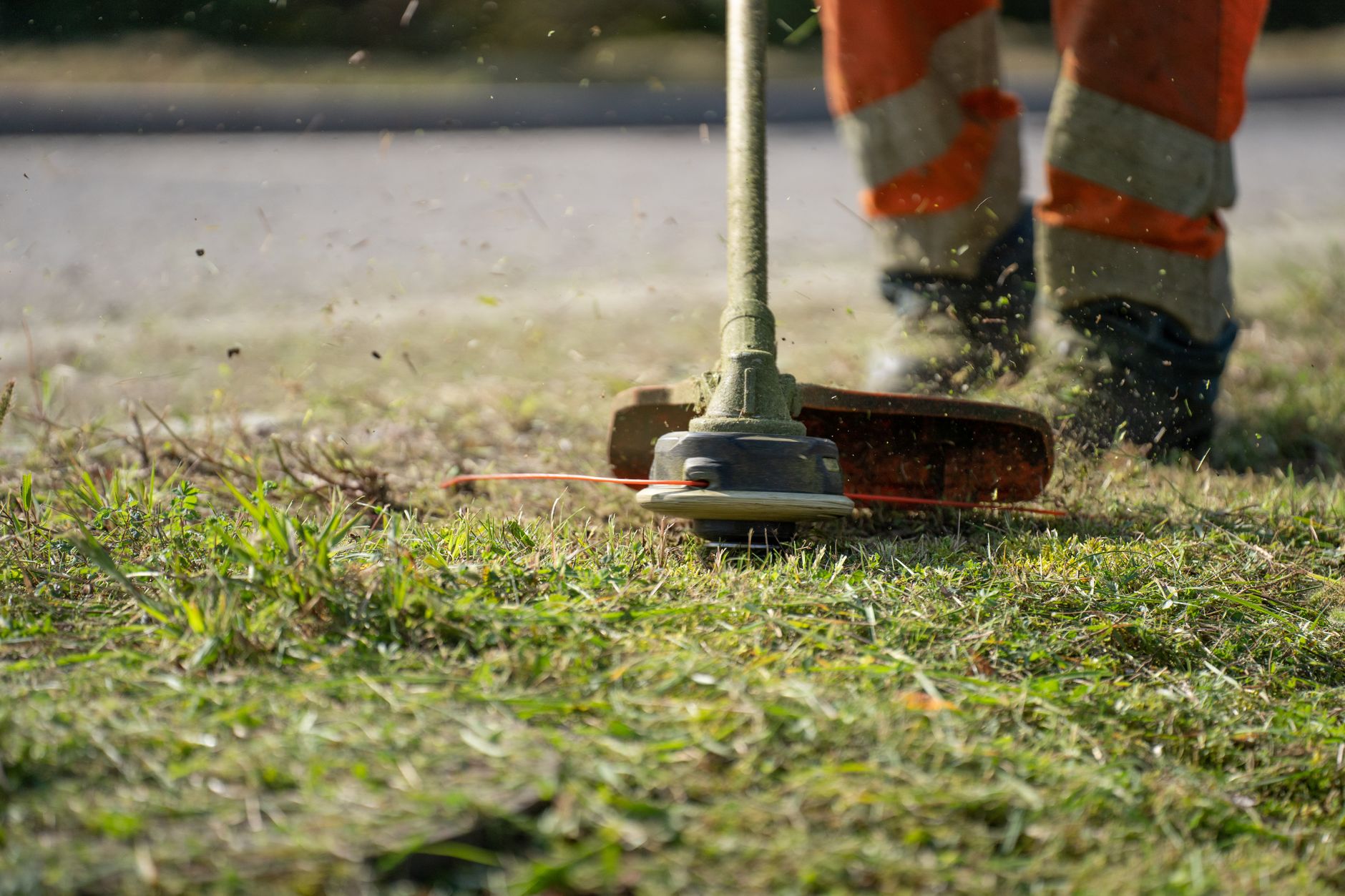
It does not fit as a replacement for the groundskeeper. The crew handles edging around fixtures, trash and debris after an event, ruts left by trucks and trailers, irrigation, and the setup and teardown every event demands. A robot can take the mowing hours off that crew, but the crew still has to exist to do everything else.
The fit is weakest when turf is small, cut into many pieces by buildings and walkways, steep, or covered for long stretches by tents, staging and stakes. According to a national fair industry impact study, the combined database held nearly 1,400 fairgrounds nationally. A state fairgrounds dataset hosted by NASA lists records in 47 states and none for Hawaii, Connecticut, or Rhode Island, so the count of sites that match your profile depends on the source you use. The useful test is your own grounds: flat, open acreage that repeats, with a crew that spends most of its week mowing.
What does a groundskeeper actually do in a fairground shift?
A fairground groundskeeper rarely has a single mowing day. The shift mixes mowing with event prep, cleanup and repair, and the mix changes with the calendar. A week with a major show looks nothing like a quiet week, and the crew job list reflects that.
Judgment is a large part of the job. A groundskeeper decides when a wet field should be skipped, when to raise mow height for a show, and when a patch of ground needs reseeding before it turns into a bigger problem. None of those decisions is written into a mowing route.
The people on the crew also serve as the site's eyes. They spot a broken gate, a fallen limb or a sprinkler head before a visitor does. That watch function is easy to miss in a time study, and it is hard to hand to a machine.
- Mowing and trimming open turf, edges and beds near buildings
- Clearing trash, stakes, cable and event debris before and after mowing
- Repairing ruts, bare patches and drainage after heavy vehicle traffic
- Checking irrigation and reporting leaks or dry zones
- Helping set up fencing, staging and temporary structures
- Servicing and fueling their own equipment, and logging the work
Which parts of the work can a robotic lawn mower take?
A robotic mower takes the repeat cutting of defined open turf. Once a boundary is mapped, it runs the same routes on a schedule, returns to its charging base, and works without an operator on the grounds. It can run in early morning or late evening when the grounds are quiet, provided local noise rules and the event calendar allow it.
It cannot take the tasks that make a fairground hard to keep. Edging and trimming at obstacles, trash and debris pickup, turf repair, irrigation, event setup, and decisions about wet or unsafe ground all stay with people. A robot that meets a stake, a cable or a loose tarp can stop, but a person has to clear it before it runs again.
That split matters when you plan the change. Handing off the mowing alone is a narrower change than handing off the grounds, so the plan should describe the change in hours on specific turf, not in headcount for the whole site.
- Repeat mowing of open turf
Robotic Lawn Mower
Strong: runs the same mapped route on schedule
Groundskeeper
Capable, but needs breaks and takes shift hours
- Edging and trimming at obstacles
Robotic Lawn Mower
Weak: needs a separate trimmer or a person
Groundskeeper
Strong: handles fixtures and tight spots by hand
- Event debris and trash
Robotic Lawn Mower
Cannot pick up; can stop on a stake or cable
Groundskeeper
Strong: clears trash and debris fast
- Schedule changes with events
Robotic Lawn Mower
Can re-time runs, but lanes must be cleared first
Groundskeeper
Strong: adjusts on the spot and talks to event staff
- Early and late coverage
Robotic Lawn Mower
Can run when grounds are quiet, subject to noise rules
Groundskeeper
Strong on flexibility, but shift planning adds overtime risk
- Turf repair and ruts
Robotic Lawn Mower
Cannot repair; can flag wear patterns
Groundskeeper
Strong: reseeds, fills and levels
- Sick days and absence
Robotic Lawn Mower
Does not call in sick
Groundskeeper
Covers absence only if the crew is large enough
- Judgment on wet or unsafe ground
Robotic Lawn Mower
Weak: needs rules set in advance
Groundskeeper
Strong: skips wet fields and flags hazards
How many hours and workers does fairground grounds work involve?
The national picture sets the labor context. According to the BLS Occupational Outlook Handbook, landscaping and groundskeeping workers numbered about 1,192,500 in 2024, and the broader grounds maintenance group had about 1.3 million jobs, projected to grow 4% from 2024 to 2034, about as fast as the average for all occupations.
Turnover is the pressure fairgrounds feel most. According to a landscape industry compensation survey, the quit rate fell from 37% in 2022 to 30% in 2023, but turnover in operations roles at larger firms reached 35%, against 23% for all respondents. That is an industry survey, not a government count, so read it as direction rather than a fixed rate.
Other industry surveys point the same way. A 2023 survey of 450 landscape professionals found 32% had lost a significant number of staff in the prior year. The 2025 State of the Green Industry report found 29% of 424 respondents named labor as their most pressing concern, which measures concern rather than turnover. Together they suggest why a crew gap during a busy event week hits hard.
Overtime, night shift and sick-day rates for fairground grounds crews were not found in the research, so this page does not state them. Pull those numbers from your own timesheets before deciding, because they set how much of the calendar a robot can cover.
| Task | Today | With a robot |
|---|---|---|
| Mow the open infield and lawns | Crew mowers spend much of the shift on this work | Robot runs mapped routes on schedule; crew checks each run |
| Trim edges and beds | Crew trimmers work each fixture by hand | Still a crew task; no change |
| Clear trash and debris | Crew works after each event | Still a crew task, completed before each robot run |
| Repair ruts and bare patches | Crew works after heavy traffic | Still a crew task; robot logs wear zones for the crew |
| Set up and tear down events | Crew works alongside event staff | Still a crew task; robot schedule moves around it |
No hour figures for fairground turf were verified in the research. Measure your own acreage and mow frequency during the site assessment to turn these rows into hours.
How risky is grounds maintenance work?

Grounds work carries real injury exposure. According to a compiled summary of BLS injury data, landscaping services reported about 3.0 nonfatal injuries and illnesses per 100 full-time-equivalent workers in 2024. That summary was not checked against the BLS table itself, so use it as a reference point and confirm the figure in federal tables. A BLS occupational snapshot for 2015 to 2019 counted 185 cases with days away from work per 10,000 full-time-equivalent landscaping and groundskeeping workers in 2019.
Fatality rates have moved the wrong way. A press analysis of federal data reported that the fatal injury rate for grounds maintenance workers rose from 13 to 21 per 100,000 workers between 2014 and 2024, and it counted 239 grounds maintenance worker fatalities in 2024. That is a secondary report, so verify it against federal tables before you cite it internally.
A robot takes hours out of the mower seat, and that matters. Edging, lifting debris and working near event traffic keep their exposure, so the safety case is for the crew working alongside the robot, not for removing the crew.
How does a crew work with a robot on fairground turf?
The workable model is a robot plus fewer staff, not zero staff. The robot runs the repeat mowing on mapped turf, while the crew keeps edging, debris, event work, repairs and supervision. Fewer people on the mower seat frees time for work that needs judgment, and a crew that still exists can cover event weeks when the robot cannot run.
Plan the handoff. Before each mowing window, someone clears debris and confirms the boundaries are clear of tents, stakes and vehicles. After each run, someone checks for stuck units, damaged blades and new ruts, and the crew lead can pause the robot quickly when a truck enters a lane.
The robot does not call in sick, which helps when a crew member is out. It does not replace the person who knows where water pools after a storm. A spare unit or a fallback plan matters on a site that runs events on weekends, because one unit out of service should not leave the infield unmowed before a show.
What does a robot shift look like after a weekend event?
The first hours after an event belong to people. Trash, stakes and cable come off the turf before the robot runs, and the crew checks the mapped boundaries. The timeline below is a plausible shift for a site with open infield and lawn, to be confirmed against your mow plan and local rules.
The shift ends with a record. A log of which zones were covered, where the robot paused, and what the crew cleared gives the site lead a basis for the next schedule. The times are examples, not a fixed plan.
What can a robotic lawn mower not do at a fairground?
A robotic mower is not a groundskeeper. It cannot edge a bed, pick up a cup, pull a stake, fix a rut, set up a stage or spot a broken sprinkler head. It does not make judgment calls about wet ground, unfamiliar hazards or turf that needs reseeding, and it struggles with slopes beyond its rated range, standing water and soft ground after rain.
The data also has gaps. The research did not find a published count of robotic mowers in use at fairgrounds, and published market research on robotic mowers leans toward residential lawns, with market size figures that disagree widely between publishers. Ask for measurements from your own site instead of relying on a market size.
Local noise rules, public access to the grounds, wildlife, and whether there is power and signal at the charging base all decide the hours a robot can actually run. Any of these can cut the coverage a site plans on.
How do you get started with a site assessment for a robot lease?
Start with a site assessment. Service Robot Co. selects the robot for the site, leases it through financing, deploys and integrates it, trains staff and services it nationwide. The lease payment is quoted after the site assessment, once the mapped acreage, boundaries and schedule are known.
Begin with one leased unit on the open turf that repeats most. Use a pilot period to measure the hours it takes over, the stops per run and the crew time it frees, and expand only when those numbers hold across a full event calendar. A pilot should also reveal which zones need boundary changes, where the charging base should sit, and which event days need a manual mow.
Keep the crew in the plan from the start. The question is how many hours the robot takes, not whether staff can be removed, and the checklist below shows what changes that answer.
Frequently asked questions
Want a robotic mower at your fairground?
Tell us about your site. We will recommend the robot, quote the lease, and keep it serviced.
Sources
- BLS Occupational Outlook Handbook, grounds maintenance workers
- BLS occupational injury snapshot, landscaping and groundskeeping workers 2015 to 2019
- Compiled summary of BLS injury data, landscaping services
- Press report on federal grounds maintenance fatality data
- National fair industry impact study coverage
- Landscape industry compensation survey summary
- 2025 State of the Green Industry report
- NASA-hosted HIFLD state fairgrounds dataset