
The short answer
A robotic lawn mower makes sense at a logistics park when the turf is open, mapped and cut on a steady schedule, which covers most grass strips between buildings and along drive edges. A groundskeeper is still needed for trimming close to posts and curbs, edging, debris, irrigation, bed work and tree care, and stays the main crew where turf is small, steep or cluttered. For most sites the answer is a robotic lawn mower plus a smaller crew, not zero staff.
Key takeaways
- A robotic lawn mower fits open, mapped turf strips on a fixed cycle, while a groundskeeper keeps edges, obstacles and non-turf work.
- The occupation is large, with about 1.3 million grounds maintenance jobs in 2024 according to the Bureau of Labor Statistics.
- Warehousing and storage logged 4.8 recordable injury and illness cases per 100 full-time workers in 2024, per BLS.
- Hour and turnover figures for this setting are thin, so your crew's own timesheets are the baseline to use.
- Plan one robot plus fewer staff, with a named person answering alerts, never a robot with zero staff.
Robotic lawn mower vs groundskeeper at logistics parks: the direct answer
A robotic lawn mower makes sense at a logistics park when the turf is open, mapped and cut on a steady schedule. That describes most of the grass strips between buildings and many of the strips along drive edges. A groundskeeper still makes sense for trimming tight to posts and curbs, edging, debris, irrigation repair, bed work, tree care, and any area the robot cannot safely reach.
For most sites the honest answer is both. The robot takes the repeatable cutting, and a smaller crew takes the work around it. Removing cutting from the crew's week frees hours for the rest of the grounds, but it does not remove the need for a trained person on site.
The sections below cover where the robot fits, what a groundskeeper does in a shift, what the public labor and injury data does and does not show, and how to decide with a site assessment instead of a guess.
When does a robotic lawn mower make sense at a logistics park?
The best candidates have wide, open turf, clear boundaries, few tight corners and a regular mowing cycle. Long strips along loading aprons, parking islands and perimeter fences tend to qualify. Slopes, deep ditches, loose gravel and many small beds make the job harder, and those sites usually keep more hand work.
A robot also helps where the grounds crew is spread thin. Logistics parks often have turf areas scattered around several buildings, and each area adds walking, setup and blower time to a shift. A robot on a fixed schedule takes the repeat cuts without someone walking behind a mower at every stop.
It does not make sense when the grass is mostly small planted beds, when the site has dense obstacles, or when the crew's mowing hours are already small. In those cases the robot covers a small share of the work and the groundskeeper remains the main cost.
We did not find an official count of logistics parks. The closest official measure is warehousing and storage, NAICS 493. According to an industry data aggregator, that category held 19,979 establishments and 9,195 firms with 1,295,120 employees, a count of businesses rather than parks. Census County Business Patterns is the place to confirm the latest count.
Adoption is hard to measure. A trade press article describes landscaper interest in robotic mowers moving from fairly low toward medium-high, but it gives no percentage, and we found no survey of how many commercial sites run them.
- Open turf strips between buildings
Robotic Lawn Mower
Cuts on a set schedule with little hands-on time
Groundskeeper
Cuts with a mower, walking the strip and turning at each end
- Tight edges around posts and curbs
Robotic Lawn Mower
Cannot trim close to posts, signs or curbs
Groundskeeper
Trims by hand and with a trimmer around obstacles
- Off-hours runs
Robotic Lawn Mower
Can run on a schedule where the site allows it
Groundskeeper
Needs a shift or overtime to work after hours
- Judgment calls
Robotic Lawn Mower
Stops or alerts, then waits for a person
Groundskeeper
Spots a fallen limb, a struck sprinkler head or a parked trailer and acts
- Wet ground and weather
Robotic Lawn Mower
Limited on wet, soft or snowy turf
Groundskeeper
Works through many conditions with planning and gear
- Sick days and turnover
Robotic Lawn Mower
Keeps the schedule when a person is out, but still needs an alert contact
Groundskeeper
A missed shift leaves strips uncut until someone covers
What does a groundskeeper actually do in a shift?
The job is broader than mowing. According to the Bureau of Labor Statistics Occupational Outlook Handbook, about 1.3 million people held grounds maintenance jobs in 2024, and about 1,192,500 of them were in landscaping and groundskeeping. The work covers mowing, trimming, edging, blowing, watering, planting and cleanup. Typical entry needs no formal credential, with training on the job, and states may license pesticide and fertilizer application, which matters if your crew applies products.
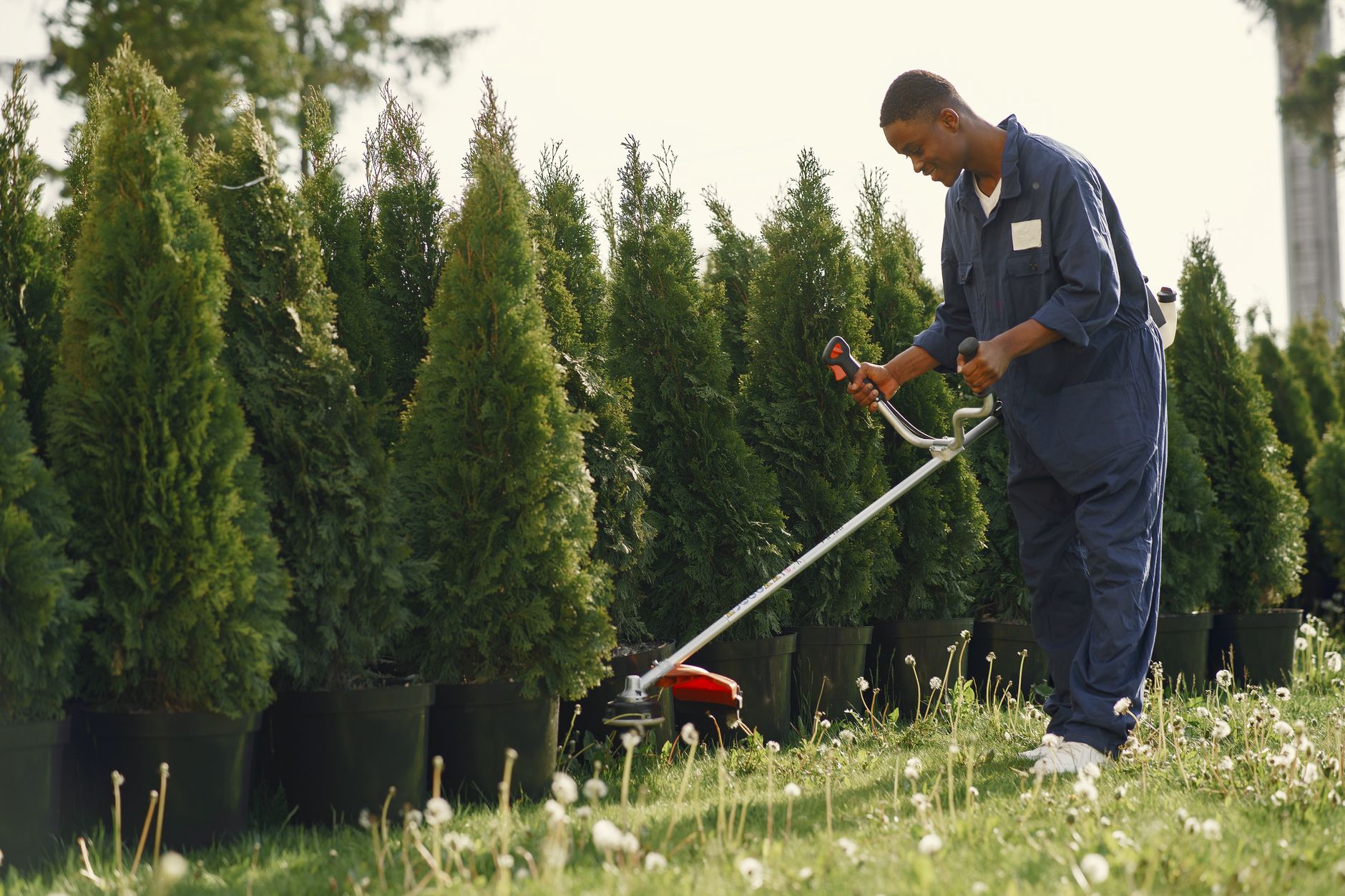
In a logistics park the shift tends to run in pieces. A worker may start at a dock apron, clear debris from a drive edge, move to a grass strip, trim around signs and light poles, then check a sprinkler zone that failed overnight. Cutting is one piece of that day, and the other pieces usually need hands, tools and judgment.
The crew also works around the operation. Trucks, forklifts and pedestrians share the same drive edges, so edge and debris work depends on the dock calendar and on when lanes are clear. Plan the crew's route around that traffic, not around the mowing alone.
Which turf tasks can a robot take, and which can it not?
A robotic mower takes the repeatable cutting of open turf. It follows a mapped boundary, returns to its charging point and repeats a cut pattern on a schedule. On a well-set site that covers much of the mowing time, though not the whole grounds job.
Robot models built for mowing are built for that task, and the site assessment checks what the robot can read. Low branches, unmarked obstacles, sharp curbs and sunken utility covers can each stop a run, so they belong on the survey before the first zone is mapped.
- Takes: recurring cutting of open turf strips between buildings
- Takes: mowing along drive edges where the boundary is clear and defined
- Takes: repeat cuts on a fixed schedule, including off-hours runs where the site allows them
- Cannot take: trimming close to posts, signs, light poles and curbs
- Cannot take: edging, blowing, debris pickup, bed work and tree care
- Cannot take: irrigation repair, fertilizer or pesticide application, or response to a fallen limb or a spill
How many hours does turf work take, and what does the labor picture show?
We did not find a public figure for weekly turf hours at logistics parks. Overtime, night-shift share and sick-leave rates for this setting were also not found in our search. Treat any hour figure from a generic guide as a guess until your own timesheets confirm it. The useful baseline is the crew's logged time for mowing, edging and cleanup across several normal weeks.
The labor pool for the occupation is steady. The Occupational Outlook Handbook projects 4% growth in grounds maintenance jobs from 2024 to 2034, about 45,900 new jobs. That growth is modest, and it says nothing about how hard a given site is to staff.
Turnover data for warehousing is weaker. We did not find an authoritative 2025 government turnover figure for warehouses. A workforce statistics blog reports an average of 11.6% across warehouse and distribution operations, and a 5.1% monthly turnover rate for transportation and warehousing in early 2025, with more than 177,000 voluntary quits in February 2025. The same source gives a 37% annual workforce exit estimate for distribution centers and warehouses, and a range of 20% to 60% annually. Those are secondary numbers from a blog, so they show direction rather than a planning figure.
The practical point is that a robot does not close a hiring gap by itself. It does reduce how many weekly hours depend on one named person showing up. If a site can staff only two people for the grounds, the robot keeps the mowing on schedule when one of them is out.
What are the injury risks for grounds crews and warehouse sites?
Grounds work carries real injury exposure. A state business site summarizing BLS survey data reports about 3.0 nonfatal injuries and illnesses per 100 full-time-equivalent workers in landscaping services in 2024, with a days-away rate of 2.0 for the same group. That is a secondary summary, so pull the BLS table if you need an exact figure for a filing.
The fatal side is harsher. A local news report, citing an analysis of federal data, counted 239 grounds maintenance worker deaths in 2024 and a fatal injury rate of 20.9 per 100,000 workers. That source is secondary, but the direction is enough to plan around. A BLS snapshot covering 2015 to 2019 data gives 185 days-away cases per 10,000 full-time-equivalent workers for landscaping and groundskeeping in 2019, an earlier measure of the same occupation.
The host industry is measured differently. The BLS page for warehousing and storage, NAICS 493, reports a total recordable injury and illness rate of 4.8 cases per 100 full-time workers in 2024, a days-away, job restriction or transfer rate of 4.1, and 32 fatalities in 2024, up from 28 in 2023. BLS notes a series break from 2023 data because of the NAICS 2022 change, so compare years with care.
Two things follow for the site. Mowing and edging near active lanes put crew members close to trucks and forklifts, so the robot's zones should be drawn with the site safety lead. A robot reduces how often a person walks the drive edges, but it adds rules for who can be near the robot and when.
How does a team work with a robot and fewer staff?
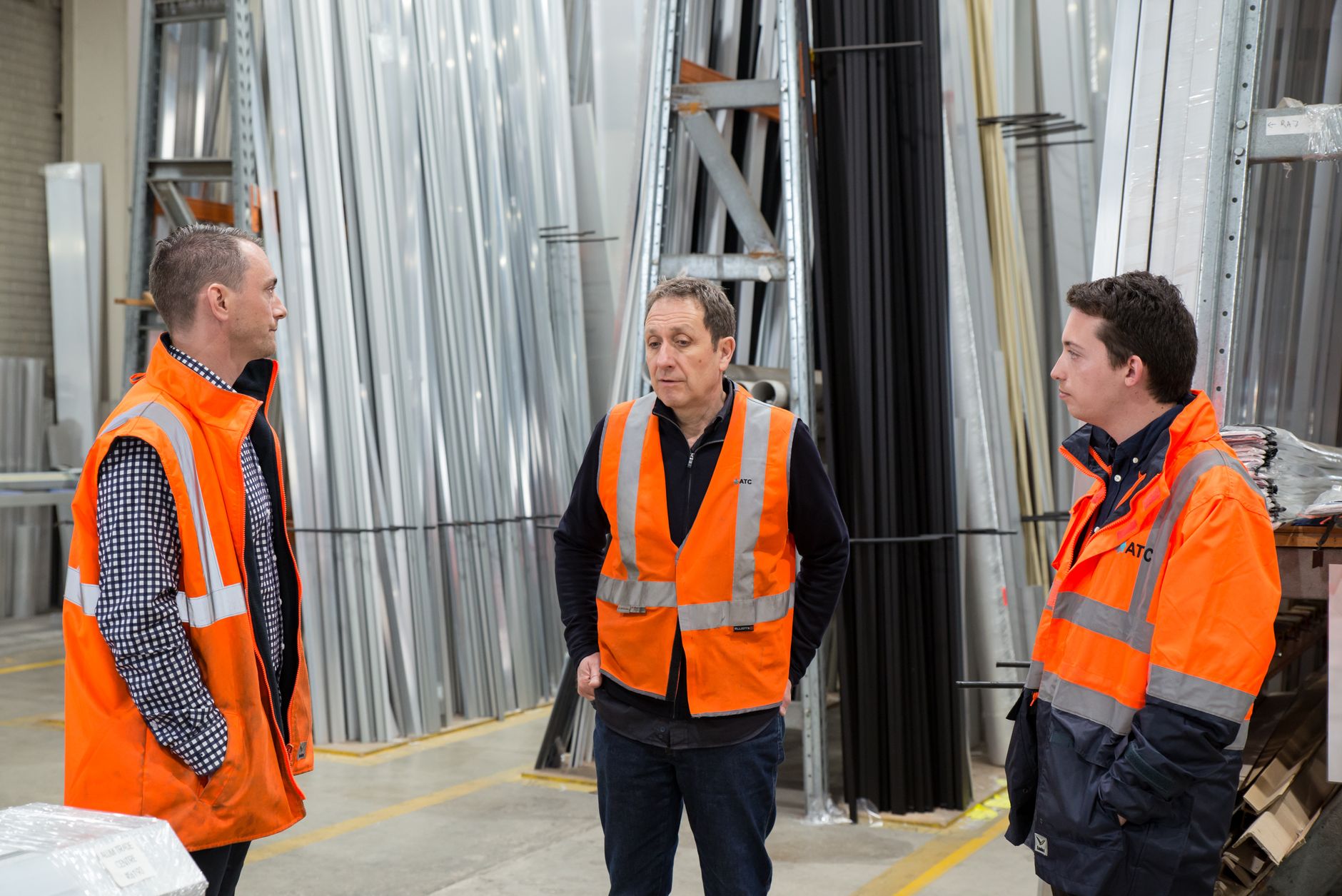
The right model is a robot plus fewer staff, never a robot in place of the whole crew. The robot takes recurring cutting, and people keep the work that needs judgment, tools or a person on the ground. In practice that means a named site lead, one or two trained groundskeepers, and a weekly plan that puts them on trimming, edging, debris and repair.
Training on the robot is short, but it is not zero. Staff need to pause a run, clear a blocked zone, read an alert and report a damaged boundary. Plan a session at go-live and a follow-up after the first few weeks of runs, when real site conditions show up.
Handoffs matter most. The robot should finish its run before the crew arrives, and the crew should leave the zone clear when they finish. A short handoff log kept by the site lead shows what the robot did, what it skipped and what the crew still has to cover.
What can a robotic lawn mower not do at a logistics park?
A robot will not do the whole grounds job, and it will not suit every site. Trimming close to posts, signs, fences and curbs is still a hand task. Edging and blowing need separate tools and separate passes. Tree work, bed care, planting and irrigation repair stay with people.
Weather and ground conditions limit the robot too. Wet, soft or rutted turf can cause slipping or marks, and heavy snow keeps the robot off the turf until it clears. These belong in the site assessment as planning conditions, not as surprises.
A robot also cannot make judgment calls. It cannot decide that a fallen limb is a hazard, that a sprinkler head has been struck, or that a trailer has parked on a zone it was supposed to mow. It stops or alerts, and a person decides what happens next, so plan a named on-call contact and a response time.
The robot does not solve the labor question by itself either. If nobody answers alerts, the robot waits in an open area and the strip goes uncut, which is the outcome you were trying to avoid.
How do robot lease options work, and how do you get started?
We are a US commercial robot integrator. We pick the robot that fits the site, lease it through financing, deploy and integrate it with the crew's schedule, train staff and service it nationwide. The process starts with a free site assessment.
The assessment walks the grounds, maps the turf zones, notes slopes, obstacles, boundaries and dock traffic, and checks where the robot can run and where a person must stay. The fixed lease payment is quoted after that assessment, once the zones and schedule are known. Maintenance is included in the program, and the written terms should spell out dispatch, response times, liability coverage and emergency replacement.
Start with one unit on the zones that suit it best, and add more only after several weeks of logged runs and a clear hours comparison. Real run data from your own site tells you more than any generic estimate.
Is a robotic lawn mower worth it vs a groundskeeper? Cost and payback
Whether it is worth it depends on what the crew would otherwise do with the hours. If mowing takes time that could go to edging, debris and repair, the robot frees capacity for those jobs. If the crew already spends very little time mowing, the robot adds a lease with little change in the work.
Compare the quoted lease payment with the hours it replaces, using the crew's logged baseline and not an outside average. Count the real costs on the other side too: the on-call contact, the boundary checks and the training. They are small, but they belong in the comparison.
Payback is clearest when the site runs short of trained people, or when mowing keeps pulling the groundskeeper off edges and repair. That result is specific to each site, and the honest way to find it is a site assessment followed by a short pilot run on one set of zones.
Frequently asked questions
Want a robotic mower at your logistics park?
Tell us about your site. We will recommend the robot, quote the lease, and keep it serviced.
Sources
- Bureau of Labor Statistics, Occupational Outlook Handbook: grounds maintenance workers
- Bureau of Labor Statistics, warehousing and storage (NAICS 493) injury and illness rates
- Bureau of Labor Statistics snapshot, landscaping and groundskeeping workers 2015 to 2019
- State business data summary of BLS survey figures for landscaping services (secondary)
- Local news report on grounds maintenance worker deaths, citing federal data (secondary)
- Workforce turnover statistics summary (secondary)
- Industry data aggregator, NAICS 493 establishment counts (secondary)
- Trade press article on landscaper perceptions of robotic mowers