
The short answer
The autonomous forklift cost for animal feed mill warehouses depends mostly on the route: how far pallets travel between packaging lines and racks, how tight the aisles are, how many shifts run through seasonal bagged-feed peaks, and how much mapping and integration the site needs. Those inputs set the number of units, the sensing and the service plan, and a lease payment is quoted only after a free site assessment.
See what a autonomous forklift costsRun the numbers in the ROI calculator
Key takeaways
- The route, aisle width and peak-season shift count move the cost more than the unit's headline specs do.
- Mapping, integration, training and service are real costs that belong in the quote from the start.
- Feed mill staffing and shift hours were not verified, so measure your own pallet moves before sizing a lease.
- Leasing lets a mill start with one unit on its hardest route and expand only if the numbers hold.
- A lease is quoted only after a free site assessment, with every line item shown separately.
What does an autonomous forklift cost at an animal feed mill warehouse?
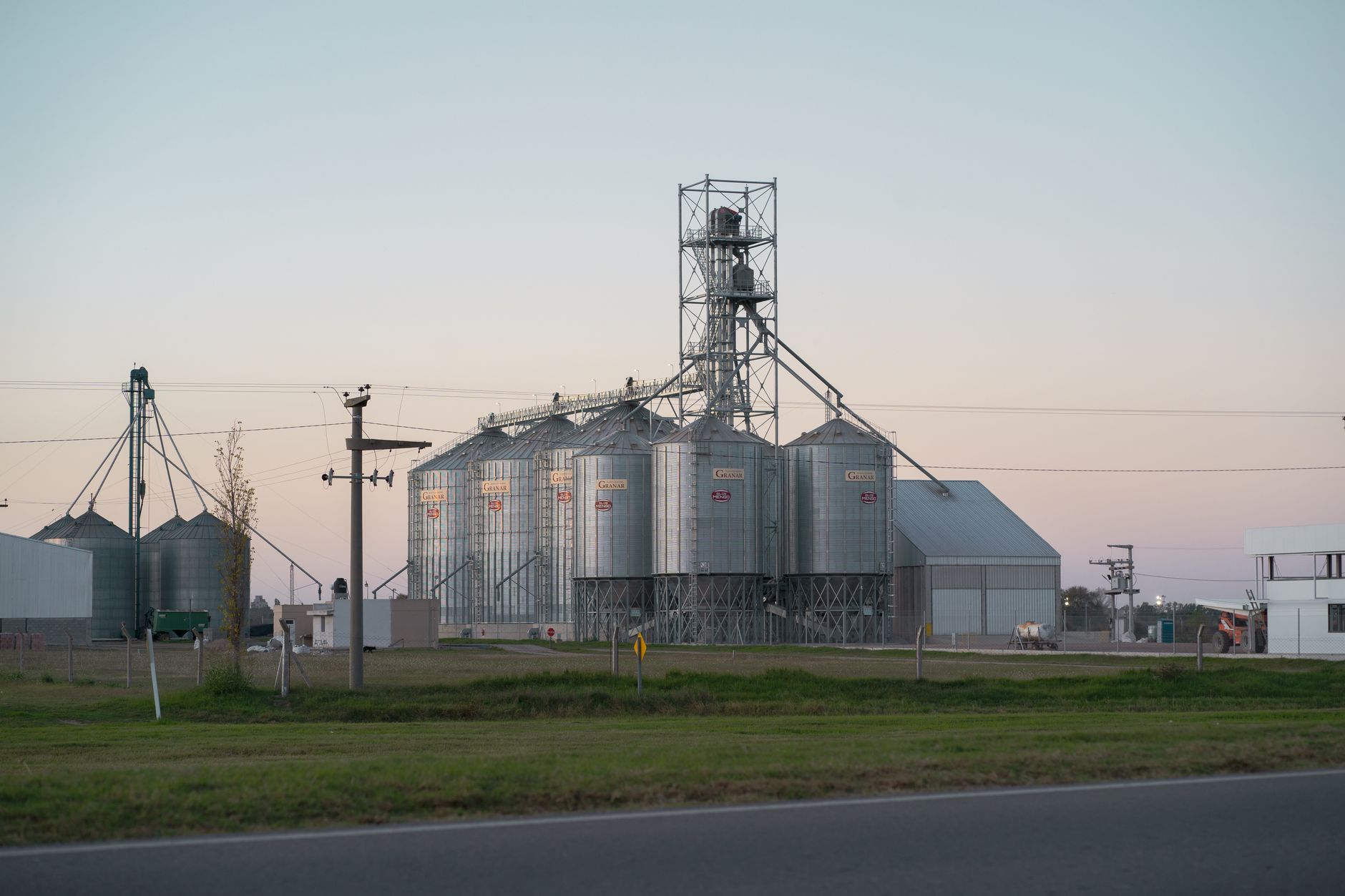
The autonomous forklift cost for animal feed mill warehouses is set by the route more than by the machine. Two mills of similar size can end up with very different quotes. One runs long, straight moves between a bagging line and a rack bay. Another runs short moves through narrow aisles with frequent stops and staff crossing the path. The first case usually needs fewer units and simpler mapping. The second needs tighter guidance, more sensing and often more spare capacity.
This page does not give a price, because a number issued without a site survey would mislead the person signing off. It explains what moves the number, which costs teams tend to miss, what a lease quote should contain and how to get one after a free site assessment.
The kind of place matters too. According to the 2023 economic report of a feed industry trade association, as described in trade press coverage, America has 5,650 animal food manufacturing facilities. A separate blog from the same association lists 5,125 feed mills and 523 pet food manufacturing facilities. The two counts use different definitions, so cite the one you rely on. Texas has 647 feed mills, Iowa 376 and Minnesota 347, according to the same press coverage.
Which factors move the cost of an autonomous forklift at a feed mill?
Floor area and route length come first. Every extra run between a bagging line and a rack bay adds travel and charging time, and a long route can require a second unit to hold the same pallet count. Mills with several packaging lines and a remote storage building usually need a route survey before anyone can size the fleet.
Aisle width and rack density set the guidance and sensing needs. Narrow aisles leave less margin for error, so the unit needs tighter path control and clear sight lines. Blocked aisles from staged pallets or seasonal stock change the usable route, and they must be cleared or planned around before the quote is final.
Shifts and seasonal peaks decide how many units you need on the floor. Bagged feed often peaks at certain times of year, and a mill that runs extra shifts through a peak needs coverage for those hours. A unit sized for an average month can fall short in peak weeks, so the quote should show both the steady case and the peak case.
Floor condition, dust and cleaning routines affect wheels, sensors and maintenance intervals. Foot traffic, forklifts driven by people and dock vehicles often share the same route. Shared routes need zones, controls and clear rules, and each control adds setup and review work.
Mapping, integration, unit count and service complete the list. Mapping is the one-time work of building the route map, and it has to be repeated after layout changes. Integration connects the unit to the mill's order and inventory systems. Unit count sets fleet size, and service coverage sets how quickly a fault gets handled.

How many labor hours does an autonomous forklift take over?
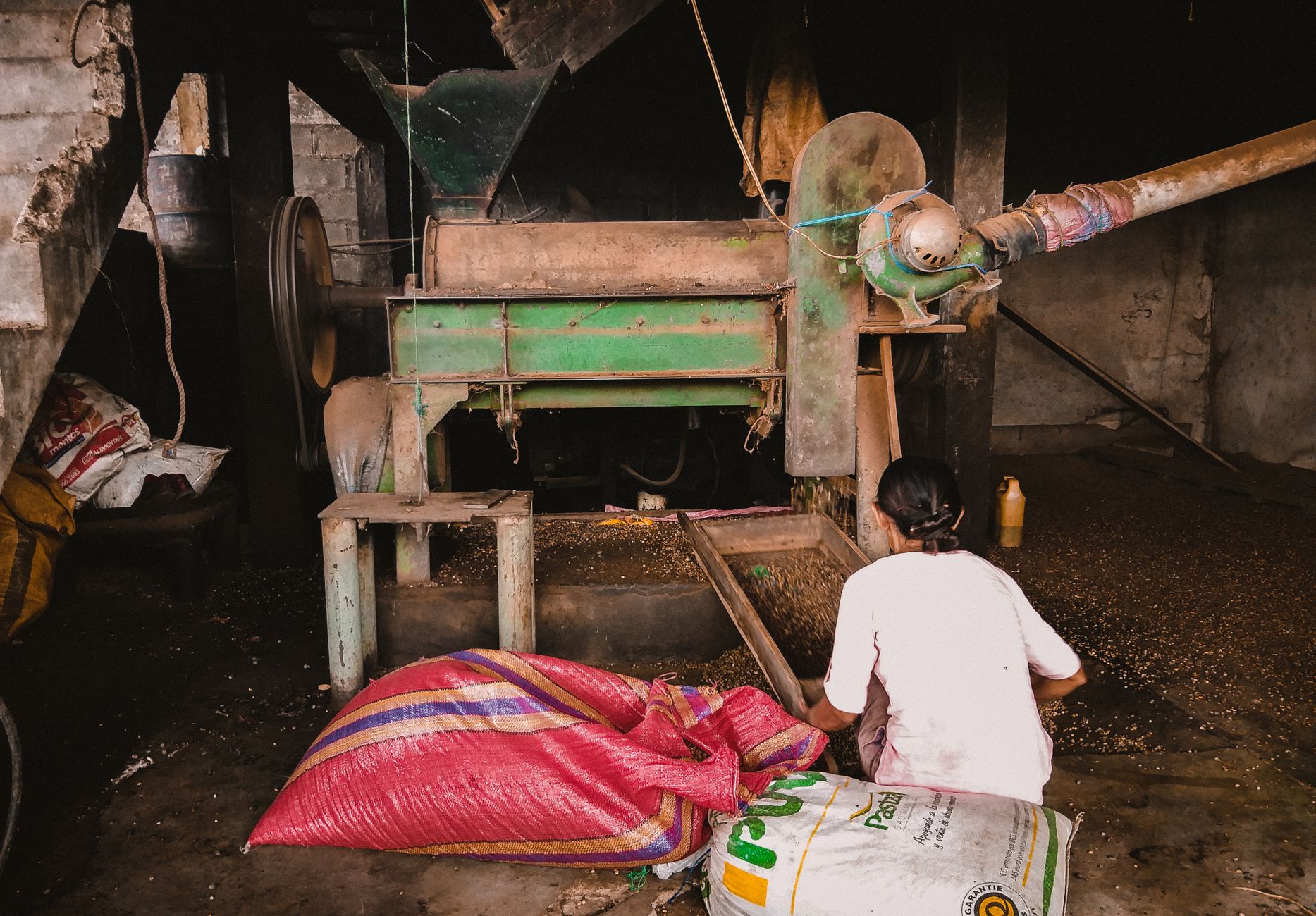
The honest answer for feed mills is that hours per shift and per week for forklift work were not verified in our research. Feed mill staffing levels and shift lengths were not published in the sources we checked, so this page does not state an hour count for any specific mill. What we can verify is the national labor base for the occupation.
According to a comparison site citing May 2024 Bureau of Labor Statistics occupational data, about 805,770 people work as industrial truck and tractor operators. Another source reports 655,187 for 2024, so the two figures conflict. Check the BLS occupational page before quoting either number in a budget.
Aggregator summaries of BLS projections describe about 1.1 percent growth in this occupation from 2024 to 2034, with roughly 76,400 openings a year counting new jobs and replacements. Confirm both figures on bls.gov. Turnover for this occupation was not found in our research, so do not assume a turnover rate.
Use the table below to map where operator time goes today. Time the moves for a week in peak season and a week in a quiet month. The difference will tell you more about unit count than any national figure.
What do the injury and incident figures mean for a feed mill?
According to a safety publication summarizing OSHA guidance, forklifts cause about 85 deaths a year, about 34,900 serious injuries and about 61,800 non-serious injuries. The same summary says tip-overs cause about 42 percent of operator forklift deaths. The publication notes these are older estimates and that newer figures are not readily available on OSHA's site.
Those figures describe forklift use in general, not feed mills. We did not find feed-mill-specific injury rates, so treat the national numbers as context for why stability, speed limits and pedestrian separation belong in the unit specification. They are not a rate for your site.
Counts of fatal forklift injuries also vary widely by definition, so do not mix one source's numbers with another's. Ask any provider how safety stops, speed limits and pedestrian detection were validated, and ask that the evidence be shown in the quote.
Is leasing an autonomous forklift worth it compared with owning one?
Leasing trades a large upfront outlay for a fixed payment over a set term. For a mill still testing the idea, that matters more than the headline unit cost, because the machine has to prove it fits the route before a larger fleet makes sense.
Adoption figures show how cautious most sites remain. According to a 2025 MHI survey, as summarized by a trade news site, nearly half of surveyed firms report active robot deployments, and two-thirds named a service-based acquisition route as their preference. A July 2025 industry survey, as summarized by a trade news site, found 4 percent of respondents had moved beyond pilots for trailer loading and unloading, with most still evaluating.
A market research report says 58 percent of firms cite labor gaps, 46 percent seek faster throughput and 39 percent focus on safety automation. It also says close to 62 percent of new automated forklift installations use battery power. This is market research rather than a verified count, so use it to frame questions, not to size your fleet.
For most mills, the practical choice is one leased unit on the hardest route, measured through a full peak cycle, followed by expansion if the numbers hold.
How does leasing through financing work, and what does the quote include?
The lease runs through financing. You do not pay for the unit up front. You agree to a fixed robot lease payment over a set term, and the unit stays on lease terms rather than becoming an asset your company holds on its books.
A lease quote is issued only after a free site assessment, because the payment depends on the route, unit count, shifts, mapping and service the site needs. A quote that arrives without those inputs is a guess.
The quote should show every line separately: unit count, fixed payment and term, mapping and integration, training, go-live support, service terms, spare unit coverage and any facility work the mill must provide. Service matters for uptime. Ask what response looks like outside business hours and during peak season, and whether a spare unit covers a failed one.
What can an autonomous forklift not do at a feed mill?
An autonomous forklift fits repeatable pallet moves on a mapped route well. It is not a general replacement for trained staff, and a quote that suggests otherwise deserves hard questions.
Plan for these limits from the start:
- It cannot handle loads outside its rated capacity or pallet shapes it was not set up for.
- It cannot run reliably on routes that were not mapped, or through aisles blocked by staged stock.
- It cannot fix racking layout, floor damage or door problems that make a route unsafe.
- It cannot resolve exceptions such as a split bag, a fallen pallet or a load that does not match the order.
- It cannot remove the need for pedestrian separation, marked zones and clear route rules.
How do I get a quote for an autonomous forklift at my feed mill?
Start with a free site assessment. Bring a sketch of the bagging lines, storage and dock, aisle widths, the number of pallet moves on a typical day, the shift schedule, peak months, floor condition and the systems the unit must connect to. Missing details slow the quote more than any other step.
We walk the route, record aisles and surfaces, and map the area. From that we recommend a unit type and count for the site and flag any route changes needed before go-live. If the answer is one unit on the hardest route, that is what we will say.
The quote returns with the lease terms, the fixed payment, the service plan and the deployment scope. We can phase the rollout so lines keep running, and we support a start with one unit before any expansion. Service is delivered nationwide, with on-site dispatch and remote triage, so support follows the mill through its first peak season.
Frequently asked questions
Want an autonomous forklift at your animal feed mill warehouse?
Tell us about your site. We will recommend the robot, quote the lease, and keep it serviced.
Sources
- Feedstuffs coverage of AFIA 2023 economic report
- AFIA Feed Bites blog
- BLS Occupational Employment and Wage Statistics, industrial truck and tractor operators
- Forklift Action summary of OSHA forklift guidance
- Pulse.bot summary of 2025 MHI survey
- Pulse.bot summary of Indago survey on trailer loading and unloading
- Global Growth Insights autonomous forklifts market report