
The short answer
The autonomous forklift cost for cement bag warehouses depends on how many routes the unit must cover, the condition of the floor and the level of dock traffic, the number of shifts and units, and the mapping and system integration the site needs before go live. Service coverage and spare-unit planning matter as much as the machine itself. We do not quote from a list: we measure these factors at a free site assessment and set a fixed lease payment in the written quote.
See what a autonomous forklift costsRun the numbers in the ROI calculator
Key takeaways
- The cost follows your routes, floor, traffic and shift pattern more than any single machine figure.
- Measure your own pallet move counts and peak week before you compare any quote.
- Mapping, integration, service, insurance and training are the costs that show up after go live.
- Robots are leased through financing, and the fixed lease payment comes in a quote after a free site assessment.
- OSHA training rules still apply, so plan operator and staff training before the first run.
What does an autonomous forklift cost for cement bag warehouses depend on?
The autonomous forklift cost for cement bag warehouses depends more on the building than on the machine. A cement bag site moves palletized stacks of heavy bags between a dock, a staging area and storage rows, and that repeated pattern is what makes automation worth pricing. The cost moves with the route network, the floor, the traffic of people and manual trucks, the number of shifts, the mapping work, the link to your warehouse software, and the number of units and service coverage you need.
Seasonal swings change the answer. A site that peaks in spring needs enough units for peak dock volume, and enough service coverage that one unit out of action does not stall loading. We do not quote from a fixed list. We measure these factors on site and build the quote from them.
Which factors move the cost up or down at a cement bag warehouse?
The kind of place matters before the details do. According to the USGS Mineral Commodity Summaries 2026, cement was produced at 97 plants in 34 states and Puerto Rico, and 2025 portland and blended cement production was about 82 million tons, down from 83 million tons in 2024. Bags then move through a much wider set of warehouses. According to the BLS Quarterly Census of Employment and Wages summary for warehousing and storage, about 22,000 establishments reported in 2023, and cement bag sites are a small share of that group.
Route is the first lever. Each dock door, staging lane and storage row the unit must reach adds mapping, testing and edge cases to the job. A compact building with two docks and one storage hall is a different scope from a yard with long travel between buildings, even when the bag volume is the same.
Floor condition is the second. Cement sites collect dust, spilled product and sometimes moisture near dock plates. Cracks, joint lips and uneven slabs can slow the unit or call for floor work, so the assessment checks the floor before any figure is set.
Traffic and shifts decide how much the unit must sense and how much time it has to run. A day shift with dedicated lanes is simpler than a site that shares every aisle with manual forklifts and trucks. A multi-shift site needs more planning for maintenance, re-mapping and spare units.
How many labor hours does an autonomous forklift take over?
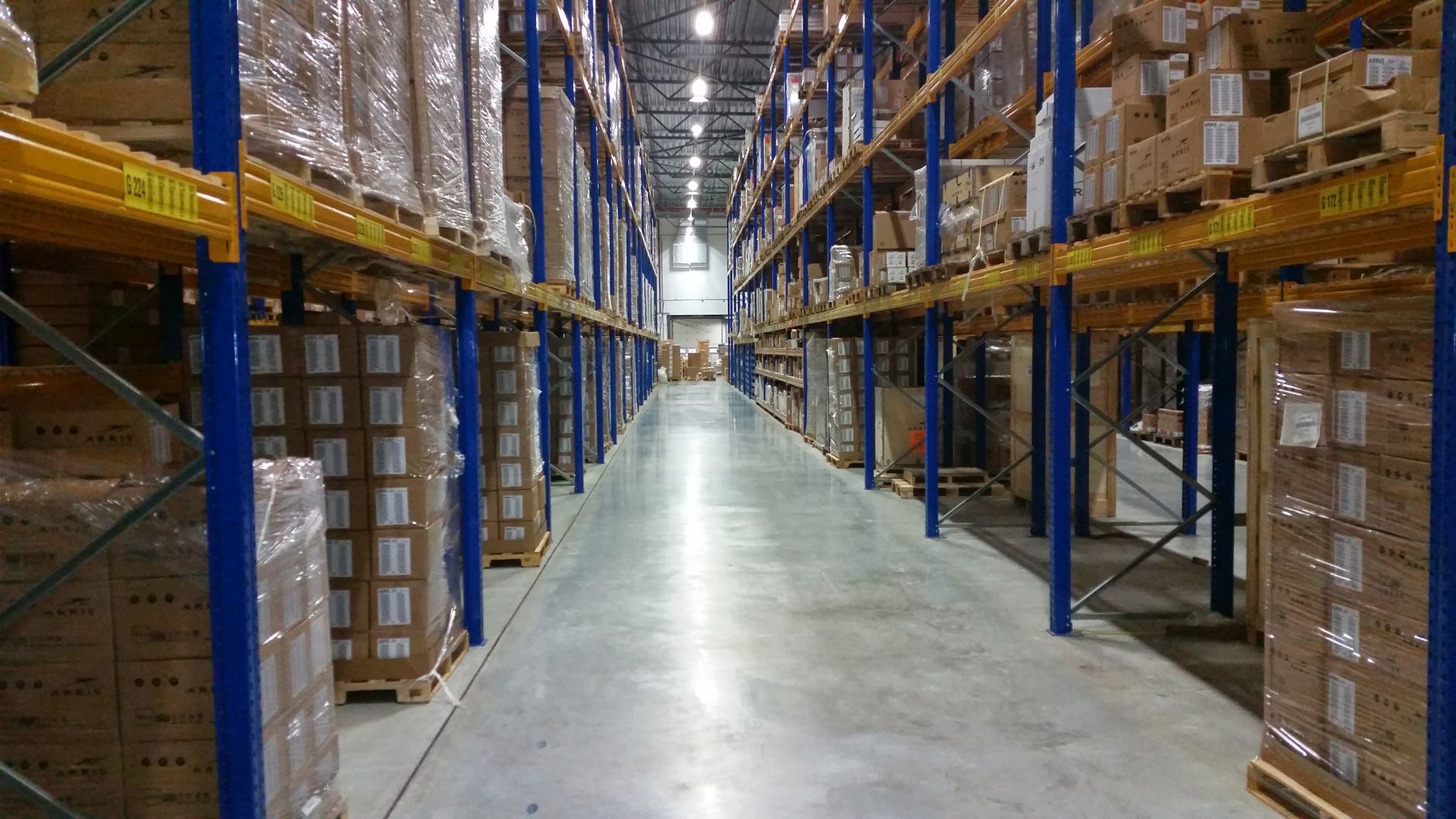
Labor savings depend on your own move logs, not on a national average. The BLS Occupational Outlook Handbook reports about 6,950,000 people employed as hand laborers and material movers in 2024, and projects 4 percent growth from 2024 to 2034, about 258,400 jobs. That is a broad occupational group that includes warehouse work without isolating cement sites, so it shows the size of the labor pool, not the hours one dock uses.
No published hour figure for this exact setting is shown here. Each row in the table is sized from your pick and move counts, your shift calendar and your peak week during the site assessment, so the hours you save are your own numbers, not a generic claim.
How safe is forklift work, and what does training require?
Material moving carries a high injury burden. According to the BLS Census of Fatal Occupational Injuries for 2024, transportation and material moving was the largest occupational group for fatal work injuries, with 1,391 deaths, down 7.0 percent from 1,495 in 2023. Across all occupations the total was 5,070 fatalities, down 4.0 percent from 5,283.
Forklift figures from secondary sources point the same way. A vendor compilation citing OSHA and NSC data counts 84 deaths linked to forklifts, order pickers and powered platform trucks in 2024, and 32 occupational fatalities in warehousing and storage. A separate vendor compilation citing OSHA data estimates 97,000 forklift injuries a year, including 35,000 serious. Both are secondary, so check the original OSHA source before you quote them in an internal document.
On training, OSHA guidance on powered industrial trucks says only trained and competent operators may run them, and the employer must train and certify each operator. OSHA interpretation letters say training must be specific to the truck and the site. Ask your safety lead how those rules apply when a unit runs its own route, and write the answer into the project plan before go live.
How does leasing through financing work, and what does the quote include?
We lease robots through financing. The lease sets a fixed lease payment for the term in the quote, and that payment is only set after a free site assessment, because the route, floor, traffic and service plan decide the scope.
A complete quote lists the units and their count, the deployment and integration scope, the mapping work, training for your staff, the service plan with on-site dispatch and remote triage, and the lease term. Ask for each line to be written out so you can compare proposals on the same terms. A written scope is more useful than a verbal range.
Many sites start small. A single unit on the busiest route, run through a pilot period, shows whether the route, the floor and the service plan hold before you add units for the full fleet.
What can an autonomous forklift not do?
An autonomous forklift runs set routes. It does not improvise a new path when a dock is blocked, and it does not judge whether a stack is stable. Damaged pallets, loose bags, wet or collapsed stacks, and spills still need a person to inspect and decide.
It cannot keep up with a site that changes every week unless the routes are re-mapped. It also cannot open a trailer, load a truck, band a stack or clear a jam by itself. Plan for manual forklifts on exceptions, and for staff who handle loading, inspection and banding.
How do you get a quote after a free site assessment?
The site assessment is free. We walk the dock, staging area and storage rows with your team, measure the route and the floor, record traffic and shift patterns, and review how the work connects to your warehouse system. We then recommend the unit type and the number needed for your peak week.
Bring a typical week and a peak week of pallet move counts, your shift calendar, dock and aisle layouts or drawings, and the names of your warehouse and dock systems. The more of this you bring, the closer the first quote will be to the final scope. The quote follows the assessment and sets out the fixed lease payment, the scope and the service plan.
One contact runs the project from assessment through service, so there is one number for dispatch and one person accountable for the schedule.
Frequently asked questions
Upcoming warehouses & 3pl events
Want an autonomous forklift at your cement bag warehouse?
Tell us about your site. We will recommend the robot, quote the lease, and keep it serviced.
Sources
- USGS Mineral Commodity Summaries 2026, cement
- BLS Census of Fatal Occupational Injuries, 2024 release
- BLS Occupational Outlook Handbook, hand laborers and material movers
- BLS Quarterly Census of Employment and Wages, warehousing and storage summary
- OSHA eTool, powered industrial trucks training
- Vendor compilation citing OSHA and NSC data, forklift statistics (secondary)
- Vendor compilation citing OSHA data, forklift accident statistics (secondary)