
The short answer
The autonomous forklift cost for glass distribution yards depends on rack type and glass angle, lane length and yard layout, shift count and traffic, mapping and system integration, and the service plan. No single figure applies to every glass yard, because the lease quote is set after a free site assessment that measures those factors on your floor. Fragile loads raise the stakes on every move, so the quote also reflects load control and staff training.
Key takeaways
- Rack type and glass angle move the cost more than any other single factor.
- Lane length, traffic and shift count set how many hours the truck can cover.
- Mapping, integration and service are the costs that early estimates most often leave out.
- The lease quote comes after a free site assessment, so it reflects your floor and not an average yard.
- A site walk that measures lanes, racks and shifts is the fastest route to a real number.
What does an autonomous forklift cost for glass distribution yards depend on?
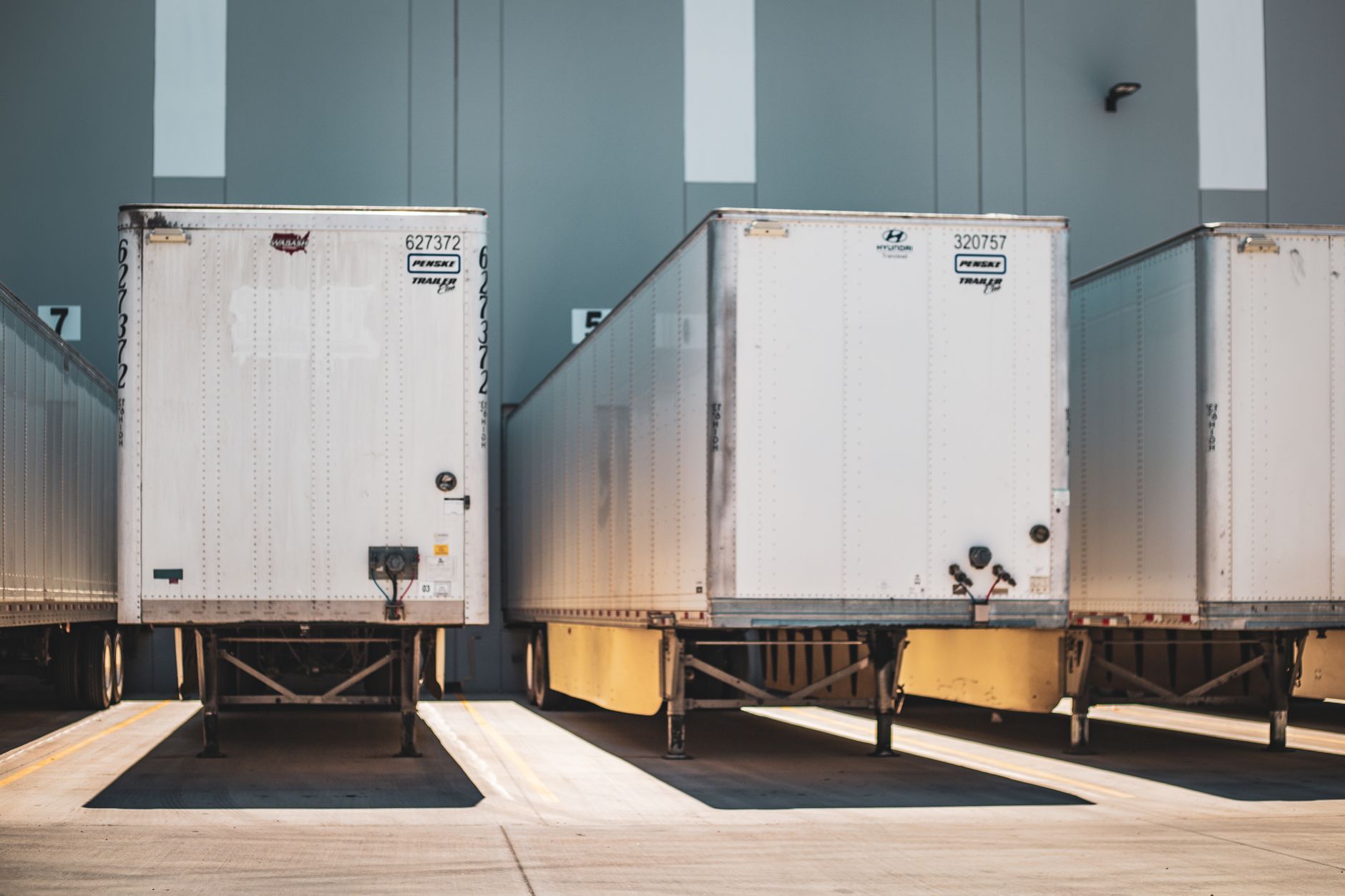
Autonomous forklift cost for glass distribution yards depends on what the truck carries, where it travels and how often it moves. A glass yard is not a standard warehouse. Racks are often A-frame or L-shaped, the loads are thin and easily chipped, and the moves run along fixed lanes that get busy near the dock.
The fit is clearest on repetition. Moving racks along fixed yard lanes at controlled speed suits steady, repeatable pallet and rack moves, because the truck runs the same route at the same speed every time. That repeatability is the source of the value, and it also sets the cost, since the route and load method have to be defined before a lease can be quoted.
The cost is set by the site rather than by a general catalog. Two yards of similar size can get very different quotes if one moves plate glass on A-frames over uneven concrete and the other moves cut sheets on pallets across a level floor. Adoption is also rising across the sector. According to SDCExec, reporting on a BlueBiotics survey (a vendor source), more than 70 percent of respondents have adopted or plan to adopt autonomous mobile robots or AGVs.
What factors move the cost up or down at a glass yard?
Several factors act together. Rack type and load handling matter most, because a rack that needs gentle, angled handling needs more control and more careful route design than a flat pallet. Lane length, surface condition and slope set how far and how smoothly the truck can run.
Shift pattern and traffic come next. A yard that runs one day shift with light dock traffic is a simpler job than one that runs around the clock with trucks reversing into the same bays. More traffic means more mapping rules, more exception handling and more time spent on safety zones.
The last group is scale and support. Mapping, integration with your inventory system, the number of units and the service coverage all change the total. A single unit carries the full setup effort, while several units share mapping and training. Spare units and nationwide service add to the lease, so they belong in the quote as separate lines.
Why do A-frame racks and fragile loads change handling cost?
Glass is among the least forgiving loads a yard moves. UK Health and Safety Executive guidance on flat glass says handling it carries a risk of serious personal injury, and that the angle of sheet glass in racks is critical. A small change in tilt or a bump during a move can damage a whole stack.
US investigators reached similar conclusions. Washington State FACE investigators, published through CDC stacks, recommended moving away from L racks for large plate glass and mirrors, and advised against wheeled carts and dollies for those loads. Those recommendations narrow the handling methods a yard can use, which then shapes the equipment, the fixtures and the route plan.
The stakes show up in incident records. An OSHA accident record describes a worker killed when a modified A-frame holding plate glass collapsed during hand unloading from a tractor-trailer, with roughly 7,000 pounds of glass falling. Controlled, repeatable moves on fixed lanes are one reason yards look at automation, but only after the racks and routes have been checked.
How many labor hours does the robot take over?
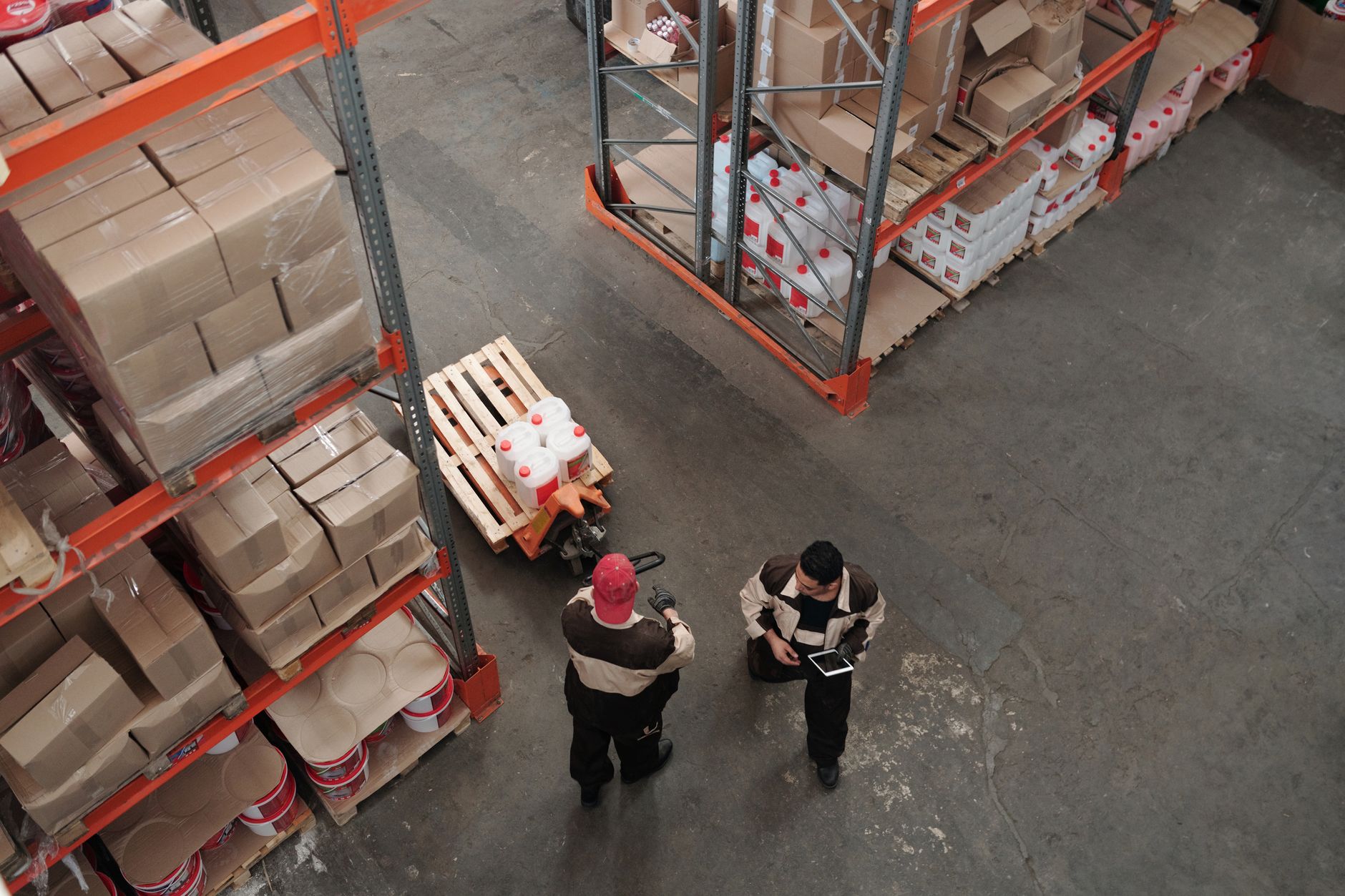
Labor hours are where a yard feels the change most. According to the BLS Occupational Outlook Handbook, material moving machine operators held about 867,700 jobs in 2024, and industrial truck and tractor operators accounted for 792,500 of them. Employment for the group is projected to grow about 1 percent from 2024 to 2034, slower than the average for all occupations, according to the same BLS page.
Turnover adds hours on top. FRED's quits rate for trade, transportation, and utilities was 2.3 in February 2026, seasonally adjusted, and that series covers a broader group than warehousing alone. The BLS July 2025 JOLTS release noted that quits in transportation, warehousing, and utilities fell by 49,000. Each replacement adds training time, even if the headcount on the schedule stays the same.
The hours a robot takes over depend on your site. The table below lists the main tasks. The time for each task is measured on your floor during the free site assessment, so it is not a published figure for this type of yard. Use the table to see where staff time goes today and where it moves.
What should you check before asking for a quote?
A quote is only as good as the site data behind it. Before the assessment, gather the facts that change the number, so the visit is shorter and the first quote is close to final.
Pull together rack drawings or photos, glass sizes and weights, a lane layout with dimensions, the shift calendar and the dock schedule. Note any wet, sloped or recently repaired areas, and any spots where staff walk across the lanes during moves.
Then decide what the truck should cover: which moves it takes, which stay with staff, and how many units the peak work needs. A pilot with one unit on one lane shows whether the route and load method hold before you widen the scope.
How does leasing through financing work, and what does the quote include?
Service Robot Co. is a US commercial robot integrator. We pick the right robot for the site, lease it through financing, deploy and integrate it, train the staff and service it nationwide. Robots are only leased, so the cost appears as a fixed lease payment set in the quote, not as a large upfront charge.
The quote follows the site assessment and lists what it covers: the lease, deployment and integration, staff training, service and any spare unit coverage. Read each line. Insurance and software beyond the truck may sit outside the core lease, so confirm them one by one.
Ask how the lease term, the service plan and the spare unit coverage are written together. A lease that includes service changes how repair time and downtime show up in your budget, and that is easier to judge when each line is written down.
What can an autonomous forklift not do in a glass yard?
A truck on fixed lanes does not replace judgment. It cannot tell whether a rack is cracked, whether a sheet is seated correctly or whether a load shifted in transit. Staff still inspect the glass before and after moves.
It also depends on the map. A lane that changed, a rack moved without an update or a new obstacle left on the floor will stop the truck or send it around. Those stops are safe, but they cost time, so the map has to be kept up to date.
The truck also has limits set by its rated capacity and its tested floor area. Each limit belongs in the site assessment, so the team knows where manual work still applies.
- Inspect glass condition before and after each move
- Re-map when lanes or racks change
- Move only loads within the rated capacity
- Stay out of unmapped or untested floor areas
How do you get a quote after a free site assessment?
The next step is a free site assessment. We walk the yard with your team, measure lanes and dock edges, record rack types and glass handling methods, and review the shift and traffic pattern. The output is a site map and a list of the moves the truck would cover.
From there we recommend the robot that fits the floor and a lease quote with each cost line shown. The quote is the number to compare, and it reflects your site rather than an average yard.
If the numbers hold, a pilot with one leased unit on one lane is a practical way to test the route and load method before expanding. Start with the site walk, and the quote follows from what it finds.
Frequently asked questions
Want an autonomous forklift at your glass distribution yard?
Tell us about your site. We will recommend the robot, quote the lease, and keep it serviced.
Sources
- BLS Occupational Outlook Handbook, Material Moving Machine Operators
- FRED series JTS4000QUR, quits rate for trade, transportation, and utilities
- BLS Job Openings and Labor Turnover Survey, July 2025 release
- OSHA regional directive on powered industrial trucks
- UK Health and Safety Executive guidance on flat glass handling
- Washington State FACE investigation report via CDC stacks
- OSHA accident record, plate glass A-frame collapse
- SDCExec, BlueBiotics survey on warehouse automation adoption