
The short answer
Autonomous forklift cost for plastic resin distribution centers depends on the site more than on the truck: the layout of receiving, bulk storage and dock doors, how many shifts run, how much traffic crosses the same routes, how long mapping and integration take, and how many units share one service plan. Because those factors differ from building to building, no fixed figure applies, and the lease is quoted in writing after a free site assessment that measures them.
Key takeaways
- The site sets the cost: layout, shifts, traffic and mapping matter more than the vehicle alone.
- Heavy bagged resin on fixed routes is a good fit, provided the paths stay predictable.
- Hidden costs sit in mapping, integration, software, maintenance, insurance and training.
- Labor is best sized from your own shift records, since public hour data for this job is thin.
- The lease is quoted in writing after a free site assessment, with each line shown.
What does an autonomous forklift cost for plastic resin distribution centers depend on?
Autonomous forklift cost for plastic resin distribution centers depends on how the building runs, not on the truck alone. Two sites can use the same unit and land far apart, because one has wide aisles, clean routes and a steady day schedule while the other has tight corners, shared dock lanes and a night shift that must clear pallets before morning trucks arrive. That is why this page gives no fixed figure. The lease is set after someone walks the floor.
The main drivers are the size and shape of the route network, the floor surfaces, the number of shifts and hours, the amount of other traffic on the same paths, and the work needed to map and connect the system to your warehouse operation. The number of units and the service coverage then set the total. Each one is measured on site, which is why a quote is written after assessment rather than before.
Why does a plastic resin distribution center suit autonomous forklifts?
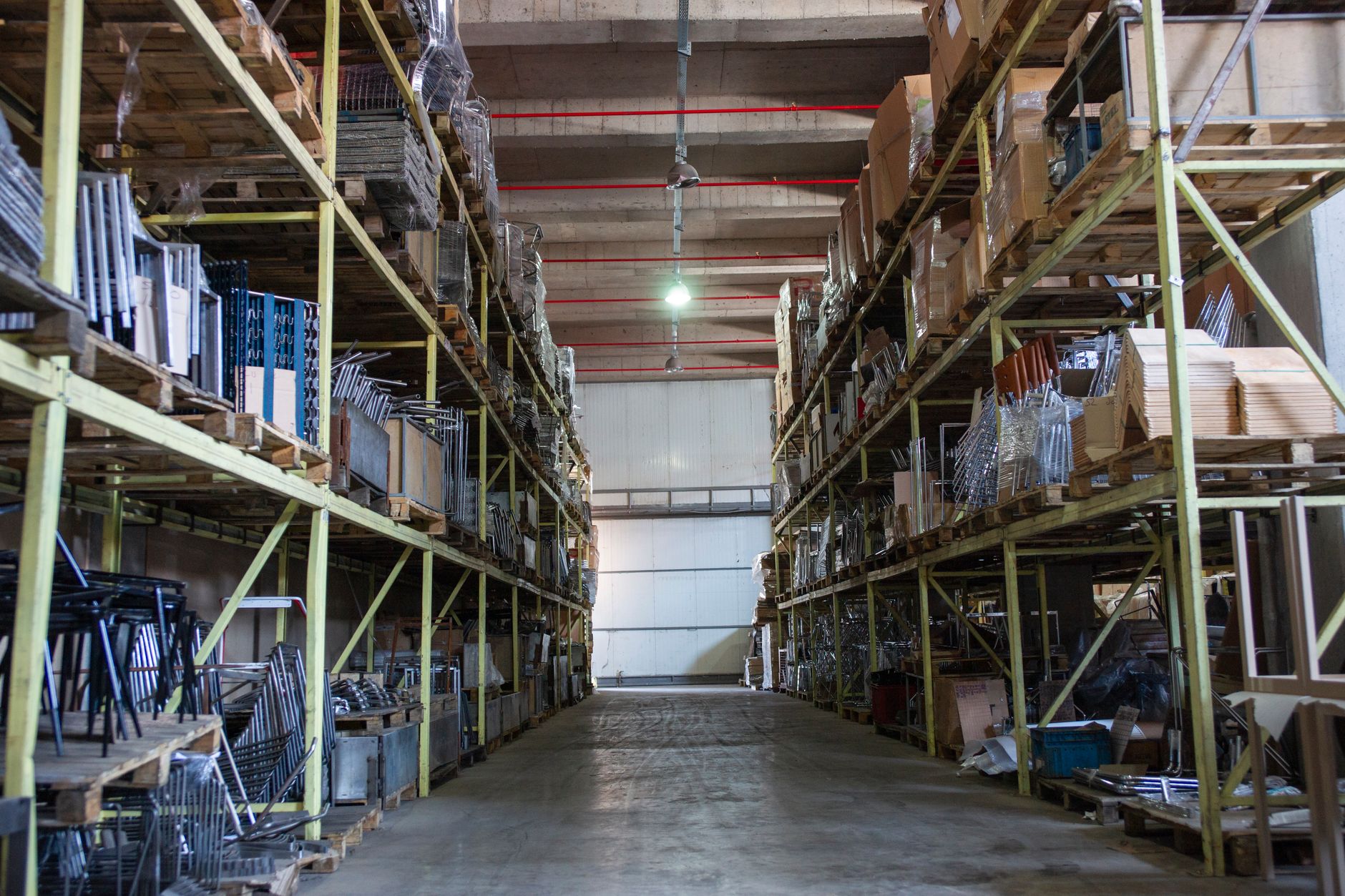
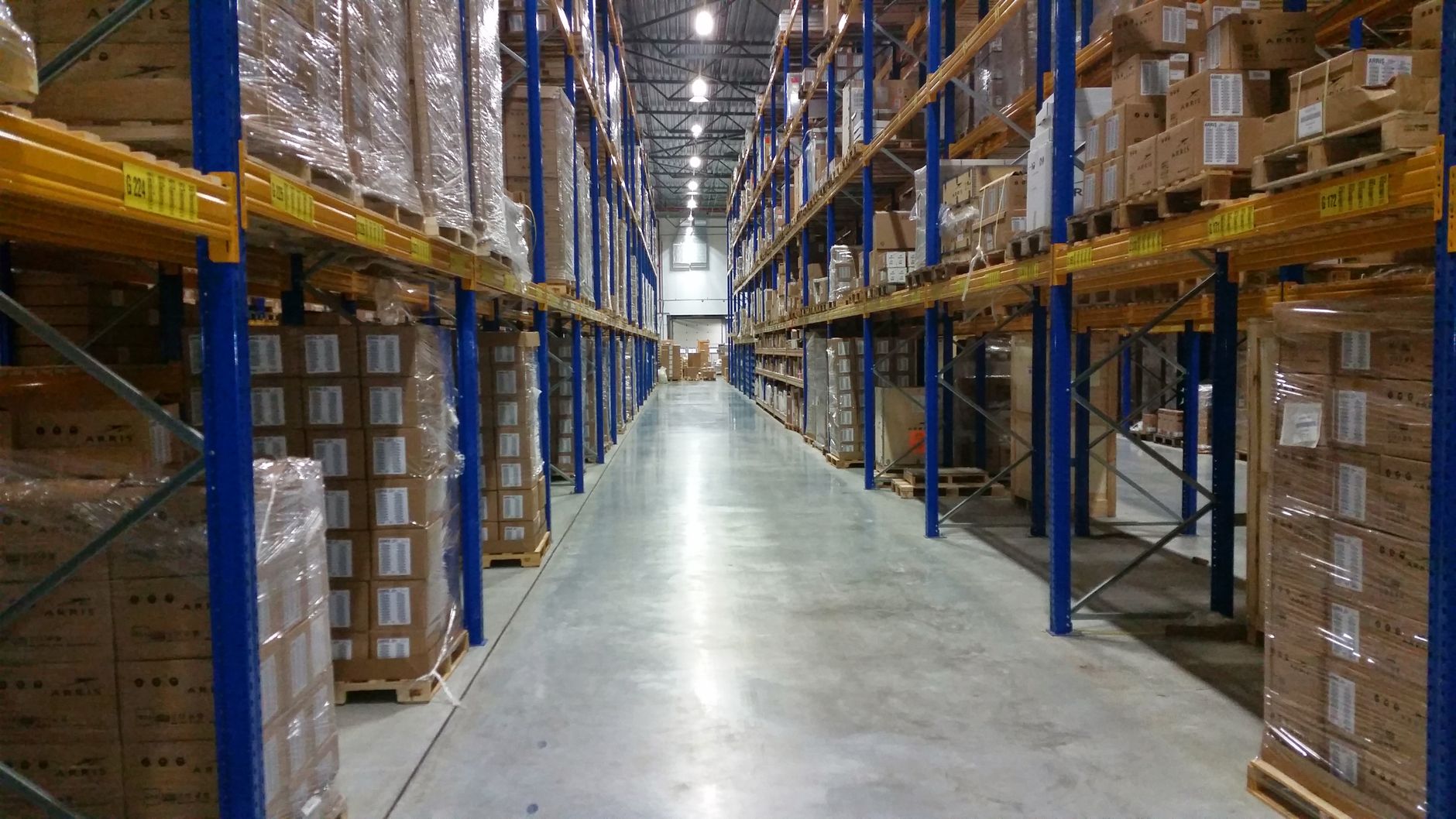
Plastic resin usually arrives palletized, often as bagged product stacked in layers, and it moves in predictable directions: from receiving to bulk storage, from storage to staging, and from staging to outbound dock doors. Those fixed routes are the reason autonomous forklifts make sense here. A truck that repeats the same paths with the same loads gives the system a stable pattern to follow, and it gives the operator a clear map to check against.
Weight and repetition matter too. Bagged resin is dense and often stacked high, so each lift takes real effort and the work is more repetitive than varied. Night shifts add pressure, because pallet moves frequently have to be finished before the morning trucks arrive, and fewer people are on the floor to deal with exceptions.
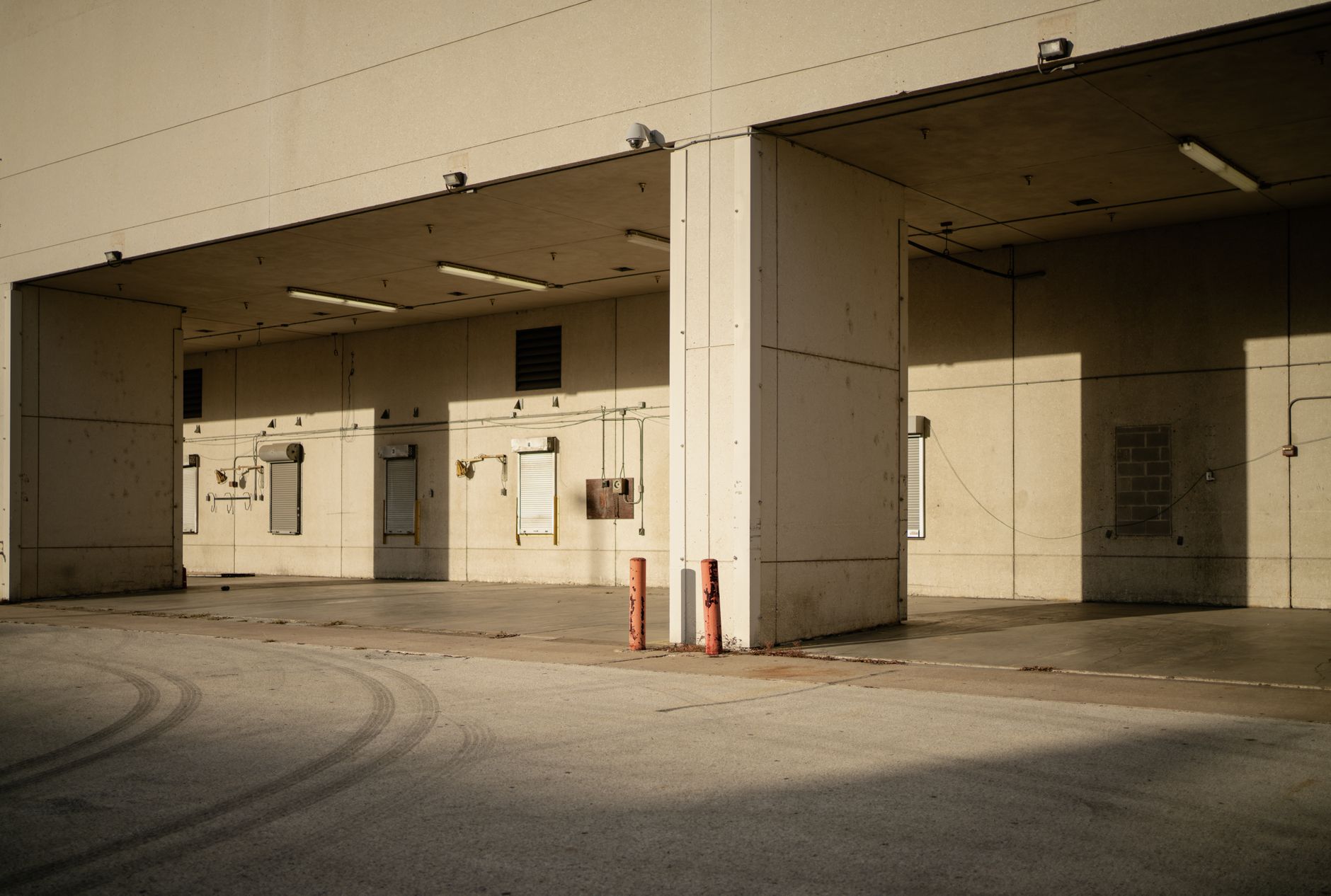
Dock congestion is the other reason. When several trailers load at once, manual trucks queue in the same aisles and create crossings nobody planned. A fleet that follows a set schedule can cut unplanned crossings, but the gain is not automatic. It depends on how well the routes are planned, which is why the site assessment starts with the aisles.
What factors move the cost up or down at this kind of site?
Floor area and route length come first. A longer loop between receiving and the far storage bays means more travel per pallet, and the fleet needs more units to keep pace at peak. Layout complexity matters just as much. Many dock doors, one-way aisles, narrow cross-aisles and tight turns all add mapping time and cut the number of trips a unit can make in an hour.
Floor surfaces change the picture. Smooth, sealed, level concrete is the simplest case. Cracks, expansion joints, ramps, uneven dock plates and wet or dusty zones add engineering work and can affect how the truck performs. A building with mixed old and new flooring should expect the assessment to flag those zones before the quote is written.
Shift pattern sets the fleet size. A single day shift may need fewer units than a building that runs around the clock, because the fleet has to cover peak load, not average load. Shared traffic adds to this. If pedestrians, manual lift trucks and yard moves use the same lanes, the system needs stricter rules and more mapping to keep the routes clear.
Integration with warehouse software is the factor people underestimate. A fleet that takes tasks from your inventory or warehouse system is more useful day to day, and it also takes more setup than a standalone route. The unit count, the service level expected and the amount of on-site support then combine into the final quote.
How much labor does this work take, and what does the labor market look like?
National figures for the operators who run these trucks give scale, even though they do not describe one building. The U.S. Bureau of Labor Statistics estimated about 640,950 jobs for industrial truck and tractor operators, occupation 53-7051, in May 2020. A third-party site citing the May 2025 BLS wage survey reports about 774,420 estimated jobs for the same occupation, according to WageDex, but that figure is secondary and should be checked against the BLS table before anyone quotes it.
Hours and turnover are harder to pin down. Public figures for typical weekly hours and turnover in this job are scarce, so this page does not quote them. The useful measure is your own record of pallet moves per shift and the staff time they consume, including waiting at the dock, travel between zones and restaging after a missed pick.
On the employer side, a third-party summary of Census County Business Patterns 2023 reports about 21,521 warehousing and storage establishments with paid employees, and about one third of them have fewer than five employees, according to Mewayz. Most sites in this sector are small, so a resin distributor may run one building with a lean team. The Bureau of Labor Statistics industry page for the same sector, drawn from another program, shows counts near 21,600 establishments in late 2022 and about 22,100 by the third quarter of 2023. Those counts should not be added to the census figure.
Resin manufacturing, which feeds many distributors, is a narrower group. IBISWorld, a market research vendor, reports 1,136 plastic and resin manufacturing businesses for 2026 and 1,741 for 2025. The two vendor figures conflict, so use them as direction, not as counts.
What do injury and incident numbers mean for the decision?
Forklift risk belongs in the cost picture because it affects insurance, staffing and what safety managers will ask to see. A long-cited OSHA estimate, repeated in a Markel SafetyNow summary, puts forklift deaths at about 85 and serious injuries at about 34,900 a year. That summary says the figure is dated, so check the latest OSHA tables before using it in a formal review.
Counts drawn from a secondary summary of BLS Census of Fatal Occupational Injuries data run much higher. Gitnux reports 971 fatal work injuries involving forklifts or powered industrial trucks in 2020, 1,004 in 2021 and 998 in 2022. The gap is probably due to other event definitions, so verify against the BLS tables before relying on any of these counts.
For your site, the useful step is to ask how the system handles routes that cross people, how it stops, and which event records it keeps. Those answers belong in the quote and the safety plan, not in a general brochure.
How fast is robot adoption growing in logistics?
Adoption is growing quickly enough that the question has shifted from whether to automate to whether a given site fits. According to Manufacturing Digital, reporting on IFR World Robotics 2026, global industrial robot installations rose 11 percent to 603,000 units in 2025. U.S. installations rose about 12 percent to 38,400 units, overtaking Japan, and food, warehousing and logistics were cited as drivers.
Figures differ slightly by summary. Some reports give about 38,000 for the U.S., so quote the exact source you use. Sector totals show where demand is, but they do not tell you what one resin building will save, and that depends on its routes and shifts.
Resin is a narrow, heavy and repetitive flow, which is the kind of work fixed-route automation handles well. The cost of getting it right sits in the building itself: its aisles, doors, surfaces and schedules. A headline adoption number does not change that.
How does leasing through financing work, and what does the quote include?
We lease the robot through financing and do not sell it to you, so the equipment can be in place without a large upfront outlay. The lease payment is stated in the written quote as a fixed lease payment for the term. Deployment, integration, training and service are handled by us as one partner, rather than split across several vendors.
Autonomous forklift cost for plastic resin distribution centers is quoted after a free site assessment. We walk the floor, measure routes and dock flow, review shift patterns and the warehouse software in use, and recommend the number of units and the service coverage the site needs. The quote then sets out the lease terms, the deployment and integration scope, training, and the service plan, with each line shown separately.
Ask whether maintenance is included, whether insurance is part of the lease, what happens when a unit is down, and how emergency replacement works. A clear quote answers those questions in writing. We provide on-site dispatch nationwide with remote triage first, and we can discuss spare unit coverage for sites where a stopped route is costly.
Many sites start with one unit on the highest-volume route, then add units once mapping and the staff routine are stable. That phased approach keeps the first decision small and gives you real operating data before the next one.
What can an autonomous forklift not do, and what should you check before deciding?
Autonomous forklifts run defined routes well, but they are not general-purpose workers. A fixed-route fleet generally cannot handle an unmapped area, a load outside its rated capacity, or a spill, torn bag or blocked aisle without a person. It also cannot read a situation the way a driver can, such as a trailer parked at the wrong door, so staff stay part of the operation.
Expect a supervisor role on each shift. The unit takes the repetitive pallet moves, but someone has to clear exceptions, respond to alarms and keep the map accurate. That is a different job from driving the truck, and it should be planned before go-live rather than discovered during the first busy night.
Before deciding, settle the points in the checklist below. Each one changes the unit count, the staffing split or the service plan, so it is better to answer them during the site assessment than after the lease is signed.
Frequently asked questions
Want an autonomous forklift at your plastic resin distribution center?
Tell us about your site. We will recommend the robot, quote the lease, and keep it serviced.
Sources
- U.S. Bureau of Labor Statistics, Occupational Employment and Wages, May 2020, SOC 53-7051
- WageDex, citing the May 2025 BLS wage survey (third-party)
- Markel SafetyNow, summary of OSHA powered industrial truck estimates (secondary)
- Gitnux, forklift fatality statistics summary (secondary, verify against BLS CFOI tables)
- Mewayz, summary of Census County Business Patterns 2023 (secondary)
- U.S. Bureau of Labor Statistics, industry page for NAICS 4931 (QCEW)
- Manufacturing Digital, reporting on IFR World Robotics 2026
- IBISWorld, plastic and resin manufacturing businesses (vendor estimate)