
The short answer
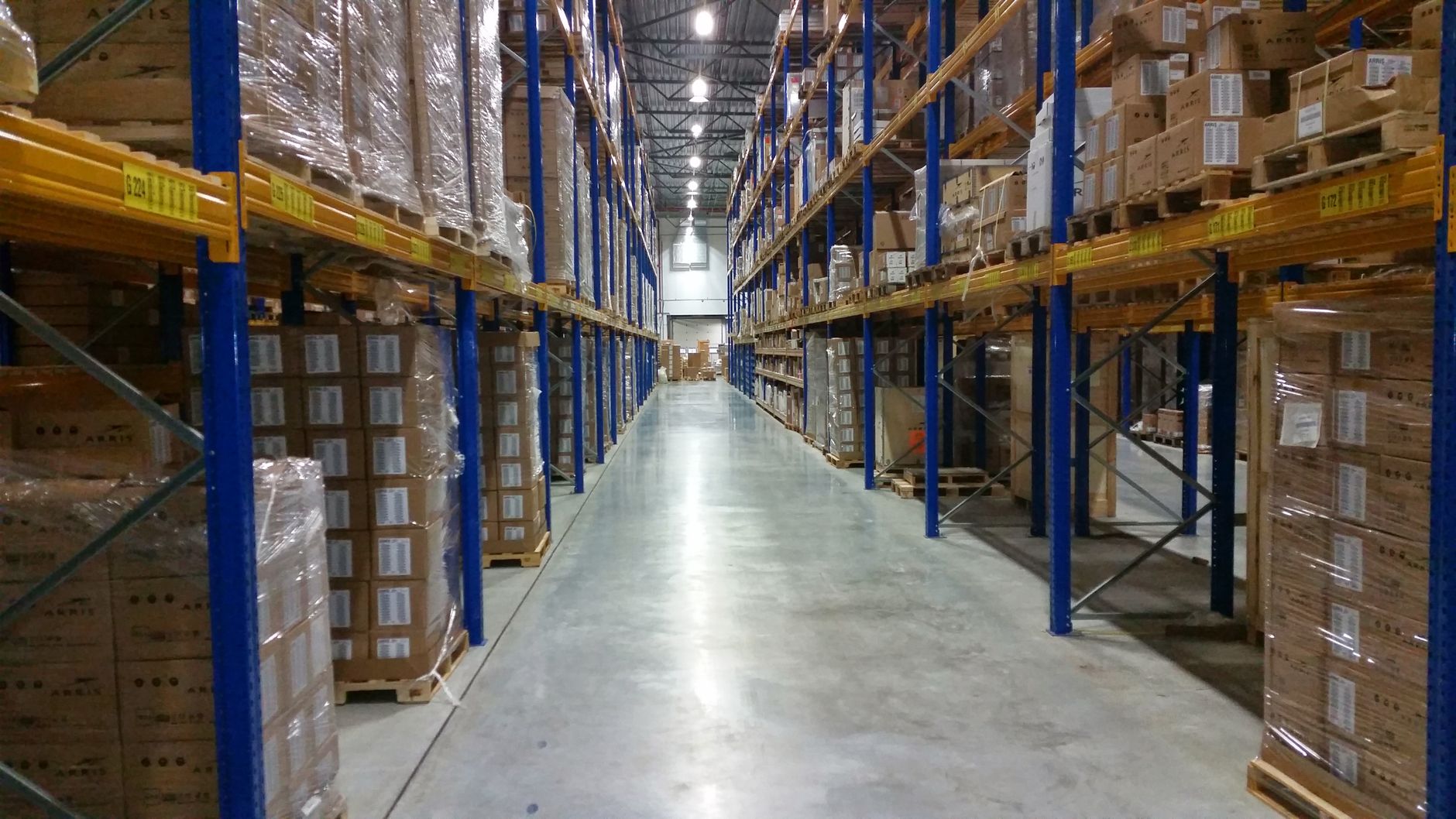
Autonomous forklift cost in Kansas City depends on how many pallet moves a site runs each shift, how far those moves travel, how many aisles, docks and levels the robot must map, and how many units run at once. Labor is the benchmark, and the Bureau of Labor Statistics counted 7,390 industrial truck and tractor operators employed in the Kansas City metro in May 2023. A lease quote is built after a free site assessment, because the floor sets the number.
Key takeaways
- Pallet moves per shift, route length and dock count set most of the quote.
- The Kansas City metro had 7,390 industrial truck and tractor operators in May 2023, according to the Bureau of Labor Statistics.
- Missouri warehousing jobs rose 29% from 2020 to 2025, according to the University of Missouri Extension.
- Mapping, integration, training and service are the costs most budgets miss.
- A lease is quoted only after a free site assessment measures the floor.
How much does an autonomous forklift cost in Kansas City?
Autonomous forklift cost in Kansas City is not one number, and any page that gives a single figure without seeing your floor is guessing. The cost follows the work: how many pallets move per shift, the distance from receiving to reserve rack and from rack to staging, and whether the route runs down one aisle or through a whole building. Those facts decide how many units a site needs and how much integration the fleet takes before it runs safely.
This page explains each driver so you can read a quote and ask the right questions. It does not offer a number before a floor plan exists, since a figure built without one would mislead you. Every statistic below is a published count or survey result, and each one is named with its source so you can check it.
What drives the autonomous forklift cost at a Kansas City site?
Five or six things move the number most. Route length and pallet count per shift set how many units run and for how many hours. Floor condition and aisle width decide whether the robot can follow its path without extra work. Mapping, traffic patterns and dock layout decide how much integration time goes into go live.
Kansas City sites vary widely. A cold storage building with tight aisles and frequent door cycling is a separate project from a general merchandise warehouse with wide aisles and a single shift. Ask the assessment to score each driver on its own, so you can see which one is pushing the quote up and whether it can be changed.
Floor surface matters more than people expect. Joints in older slabs, uneven transitions at dock plates and worn paint on lane markings all change how cleanly a robot tracks its route. The assessment records those conditions, and the quote should say whether any repairs sit inside the lease scope or outside it.
Why does the Kansas City labor market change the math?
The Bureau of Labor Statistics counted 7,390 industrial truck and tractor operators employed in the Kansas City metro in May 2023, with a location quotient of 1.3, according to its Occupational Employment and Wages release for the area. A location quotient above 1 means the metro employs this group at a higher share than the national average, so local employers compete for the same pool of operators.
Turnover is the other half of the comparison. The IARW/GCCA warehouse labor turnover survey reported an average rate of 32.6% for 2019, nearly unchanged from 2018. A position that turns over roughly a third of its staff each year keeps training and onboarding on the calendar, and that churn is a labor cost whether or not it shows up in your budget.
According to FRED, the data service run by the St. Louis Fed, transportation, warehousing and utilities employment in the Kansas City MO-KS metro reached 66.1 thousand in December 2025. That is the pool of workers the fleet competes with for dock and aisle roles, and it is the baseline a site should compare its own shift log against.
Which Kansas City businesses run autonomous forklifts?
Missouri warehousing and storage employment rose 29% from 2020 to 2025, against 17% in neighboring states and 11% nationally, according to a University of Missouri Extension brief published in October 2026. The brief estimates 27,305 jobs in 2025 spread across 523 companies, including 56 refrigerated operators, and it places Cass County, part of the Kansas City metro, at about 3,300 of those jobs.
The sites that run these units look like the sites that already run lift trucks: general warehouses and distribution centers, cold storage operators, farm product and seed handlers, and manufacturers with a shipping dock. Industrial space is tight. A Q3 2025 Kansas City metro industrial market report from a brokerage put vacancy at 4.9%, down 10 basis points from the quarter before, which makes pallet density and route planning matter more.
Adoption is still uneven. According to a March 2026 GlobeST report, autonomous mobile robots and automated guided vehicles are found in roughly 10 to 15% of facilities, and full automation sits around 3 to 5% of warehouses. The MHI 2025 Automation Survey, as summarized by trade press, found that nearly half of surveyed firms reported active robot deployments, so a site asking this question is in the middle of the field, not at the edge of it.
How many hours of forklift work does a robot take over?
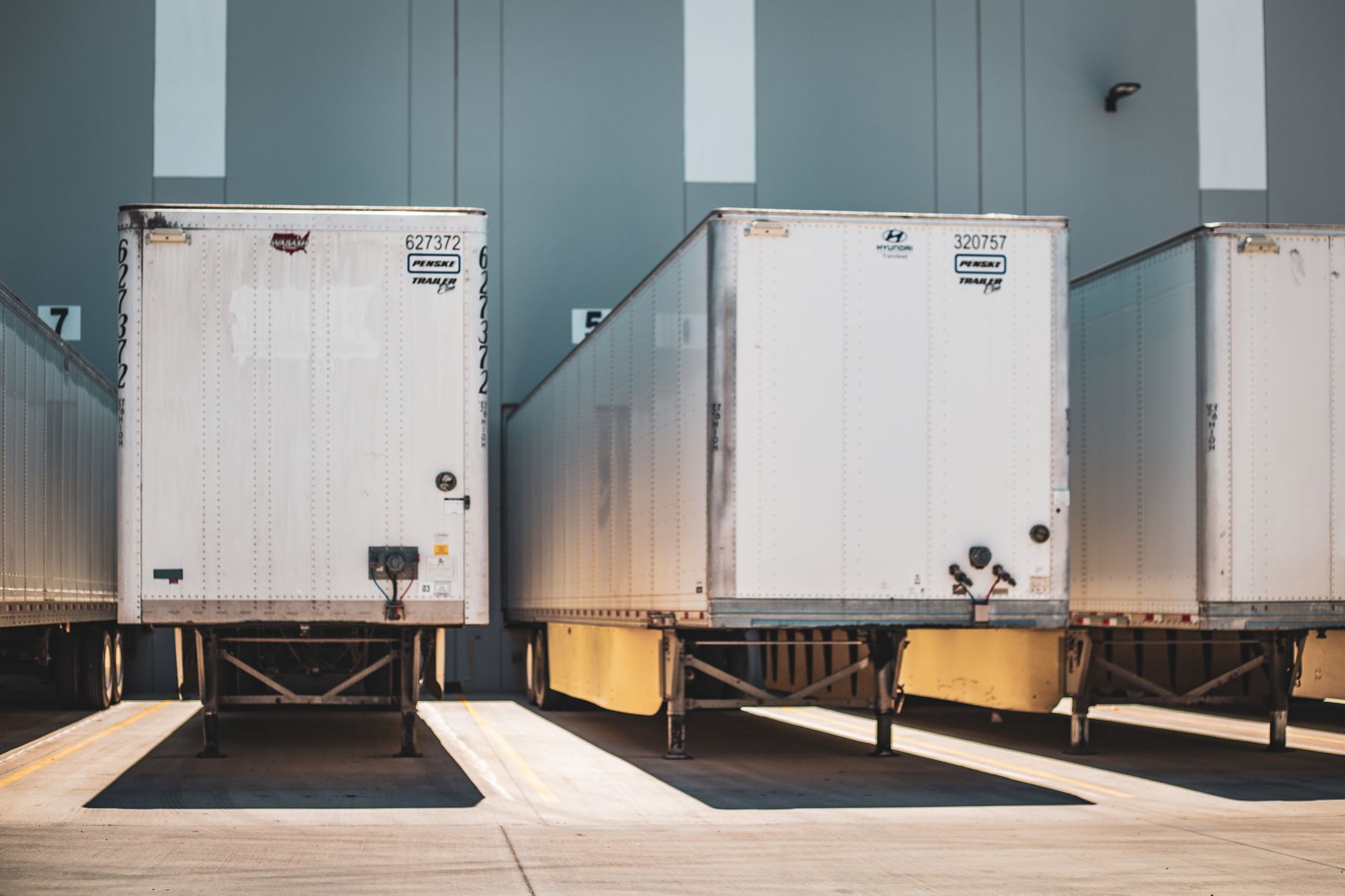
No published source gave an hour count for a Kansas City pallet route, so the honest figure comes from your own shift log. Count the pallet moves per shift, the average route length and the operators on each route, then multiply. That total is the work the fleet has to cover, and it decides whether one unit can carry the load or whether a second unit is needed for peaks.
A simple way to start is to pull one week of dock and rack activity and count the moves by hour. The peak hours show where a unit has to be available, and the quiet hours show where a unit can charge, rest or be serviced without affecting throughput. That view is what the fleet plan is built on.
The table below sets out the work task by task. The right-hand column describes what changes once the robot runs, and it describes the change, not a promised saving. The site assessment measures the hours on your floor, since the research for this page did not include a published count for these tasks.
| Task | Today | With a robot |
|---|---|---|
| Move inbound pallets from dock to reserve rack | Counted per pallet in your shift log | Runs the route under site rules after mapping |
| Stage outbound pallets at the dock | Logged per truck load in the shift log | Runs on a set schedule, with staff for exceptions |
| Refill pick faces overnight | Measured by moves per night | Routine moves run on the route, staff handle exceptions |
| Cover peak shifts | Overtime or temporary staff, logged by shift | Added units follow the same route plan |
| Start each day | Dock and aisle checks by a lead | Daily status review and fault check before first move |
Hour figures come from the site's own shift log, measured during the free site assessment. The research gathered for this page did not include a published hour count for these tasks, so none is given here.
What can an autonomous forklift not do?
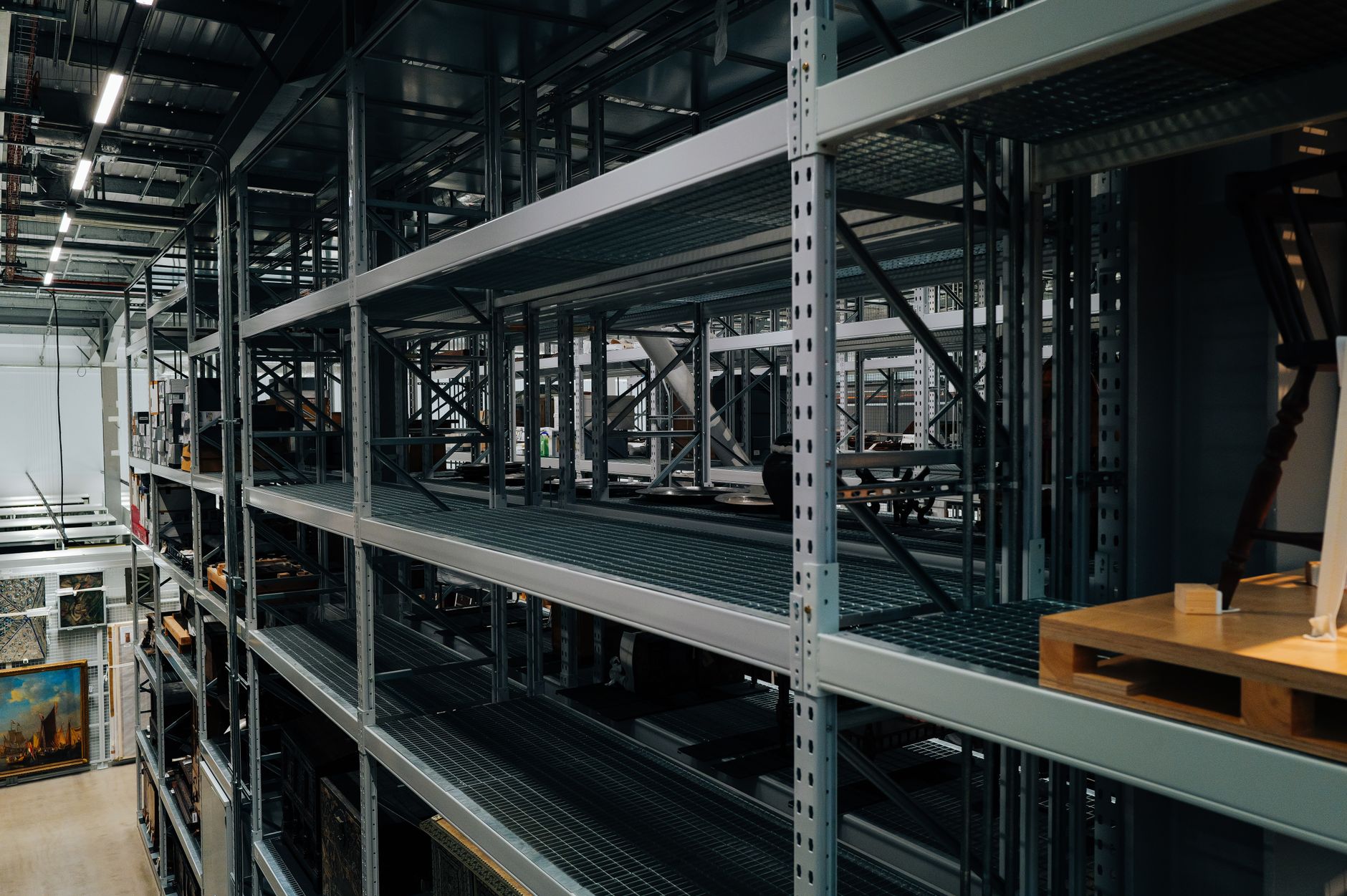
It cannot handle a load it was not planned for. Loads over the rated weight, unusual shapes, damaged pallets and loads that need a person to inspect them stay with staff. It also does not replace a driver's judgment when a dock plate is out, a door sticks or a pallet has shifted on the way in.
It does not remove the safety risk by itself. An older OSHA directive estimated roughly 85 forklift fatalities and 34,900 serious injuries a year across the country. Routes still need separation from people on foot, marked zones and clear rules for when a person enters an aisle. The robot changes who drives the truck, not the need for traffic control.
Pedestrian routes deserve their own attention. Visitors, drivers waiting at docks and maintenance staff walking through aisles all change the risk picture. A site should decide in advance where people may walk, where the robot may run and who is responsible for the boundary between the two.
Kansas City weather and refrigerated space add conditions to test. Cold storage can affect batteries and sensors, and a site with refrigerated areas should say so during the assessment rather than discover it at go live.
How does leasing through financing work, and what does the quote include?
The robot is leased through financing, which spreads the cost over a set term instead of one large up front commitment. The lease is one part of the quote. The rest is the work needed to run the fleet safely, and the quote should show both.
The quote is written after the site assessment. It should show the unit count, the lease term and payment, deployment and integration, training, and the service plan with its response terms. It should also state what is left out. A quote that lists the robot without the mapping, integration and service leaves gaps that surface later.
Ask three questions before you sign. What happens to shift coverage when a unit is down? Is there spare or loaner coverage? Who answers the phone after hours? The answers should be in writing and tied to the quote.
How do I get a quote after a free site assessment?
Start with the floor. A free site assessment measures route length, pallets per shift, aisle widths, dock layout, floor condition and traffic. It produces a map and a unit count, and the lease quote is built from those two results.
Bring your recent shift data, a floor plan, the number of doors and the names of the systems the robot must connect to. The clearer the inputs, the fewer surprises at go live. Some sites begin with one unit on one route and expand once the numbers hold, and the assessment can model that path as well as a full fleet.
When the quote arrives, check the unit count against the peak hours in your shift data, not the daily average. A quote built on averages tends to leave the busiest hour short.
Frequently asked questions
Put a robot to work in Kansas City.
We walk your site, learn the job, and recommend the unit that fits. Then we quote the lease, deploy it, and keep it serviced.
Sources
- BLS Occupational Employment and Wages, Kansas City metro, May 2023
- University of Missouri Extension, Missouri warehousing and storage industry brief, October 2026
- Q3 2025 Kansas City Metro MO Industrial market report
- IARW/GCCA 2020 Warehouse Facility Labor Turnover Survey Report
- MHI 2025 Automation Survey, as summarized by Modern Materials Handling
- GlobeST, warehouse automation report, March 2026
- OSHA directive on powered industrial trucks
- FRED, Kansas City MO-KS transportation, warehousing and utilities employment