
The short answer
The autonomous mobile robot cost in Kansas City is set by the floor area the robot covers, the number of shifts it runs, how busy and rough the floors are, and how much mapping, integration and service the site needs. No single figure applies across the metro, so a lease quote is built after a free site assessment that measures those factors. Local labor and space conditions shape the decision mainly through the staff hours the robot can take over and how hard it is to fill those shifts.
Key takeaways
- Floor area, shift count and mapping set most of the autonomous mobile robot cost in Kansas City.
- Mapping, integration and service are the costs most often missed in early estimates.
- National turnover is high in cleaning work, so the staffing case is often the real reason to lease.
- Every lease quote follows a free site assessment that measures the facility first.
- Compare quotes only after each one lists lease terms, deployment, training and service in writing.
What does an autonomous mobile robot cost in Kansas City?
An autonomous mobile robot in Kansas City does not come with one set figure. The cost follows the job: how much floor the robot covers each shift, how many hours it runs, what the surfaces and traffic look like, and what the site needs in mapping, integration and service. Two buildings in the same metro can receive very different lease quotes because their floors, routes and shift plans differ.
The useful question is not what a unit costs in general. It is what the current work costs, which share of it a robot can take over, and what the lease and service add to that. A site that runs one overnight shift on a clear route is a different case from a site that needs coverage across three buildings and two shifts.
Service Robot Co. builds every quote from a free site assessment. We measure the covered floor, confirm the routes, and list the services in writing, so the lease reflects the facility you actually run.
What makes the cost go up or down at a Kansas City site?
Floor area is the largest single driver because it sets how many passes the robot must make each shift and whether one unit can cover the work or two are needed. Route length and layout matter nearly as much. A long, narrow corridor often takes longer to cover than an open floor of the same size, because the robot must turn, slow and reposition more often.
Surfaces and traffic change the work. Polished concrete, carpet, door thresholds, ramps, drains and wet floors each affect the route and the speed. Heavy foot traffic or forklift movement during the cleaning window can force the robot to wait or run a different route, and both change what a quote has to assume.
Shift count is the driver people most often underestimate. Each extra shift adds run hours, staff handover time and another window for faults to appear. A single overnight shift leaves daytime floors to staff, while two shifts across several buildings raise the number of units and service calls. Integration with doors, elevators, lifts or site systems adds scope before go live, and the number of units changes how spare coverage is planned.
Which Kansas City businesses run autonomous mobile robots?
The Kansas City metro is large. The city of Kansas City, Missouri had 521,220 residents as of July 1, 2025, and the combined Kansas City and Overland Park area had 2,609,913, according to citypopulation.de. A metro that size has many big floors, long operating hours and steady staffing problems, which is the profile where these robots tend to fit. The International Federation of Robotics reports that global shipments of professional service robots rose 24 percent to almost 250,000 units in 2025, with cleaning robots ranking third by segment. That is a global figure, not a Kansas City count.
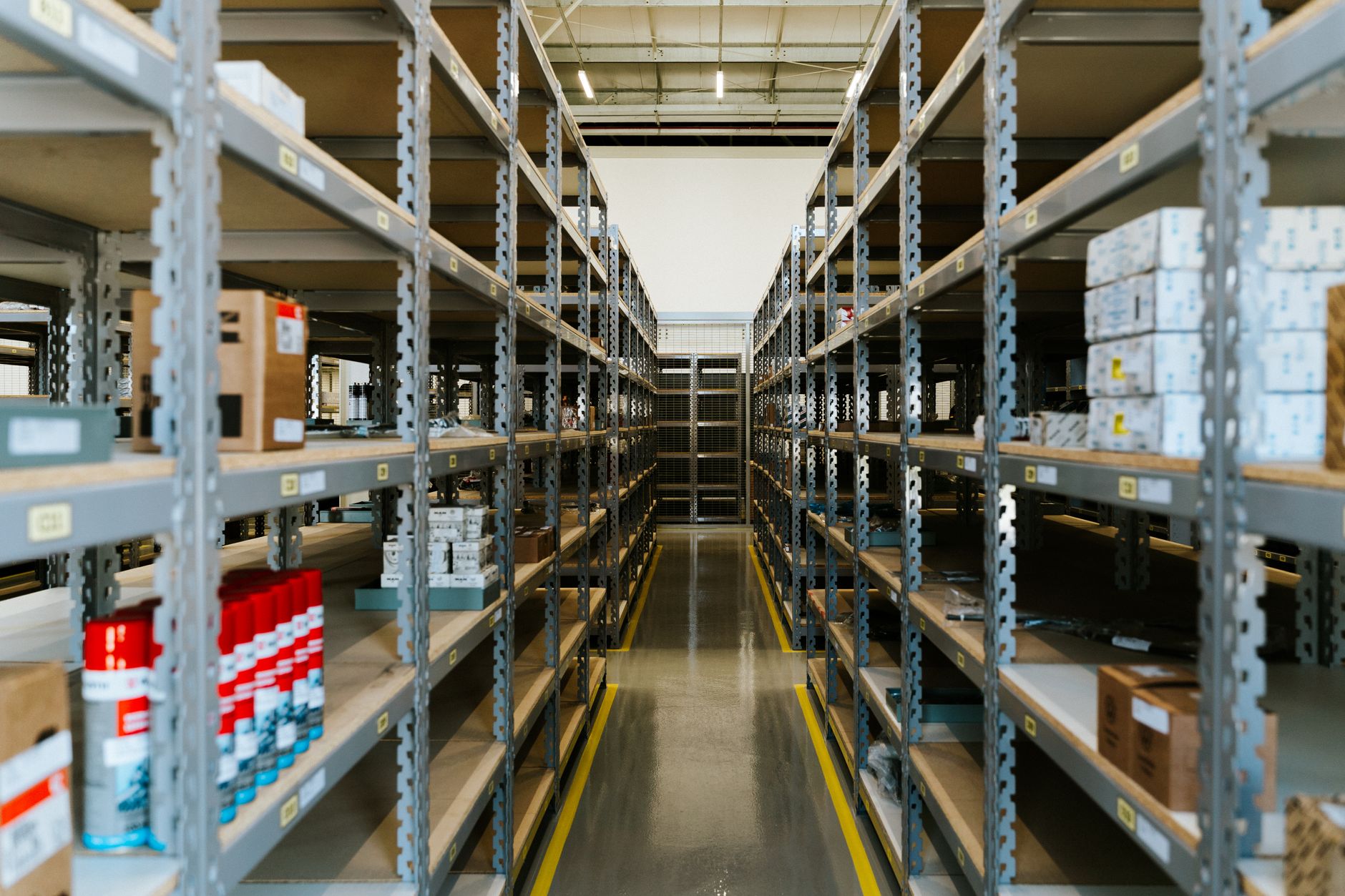
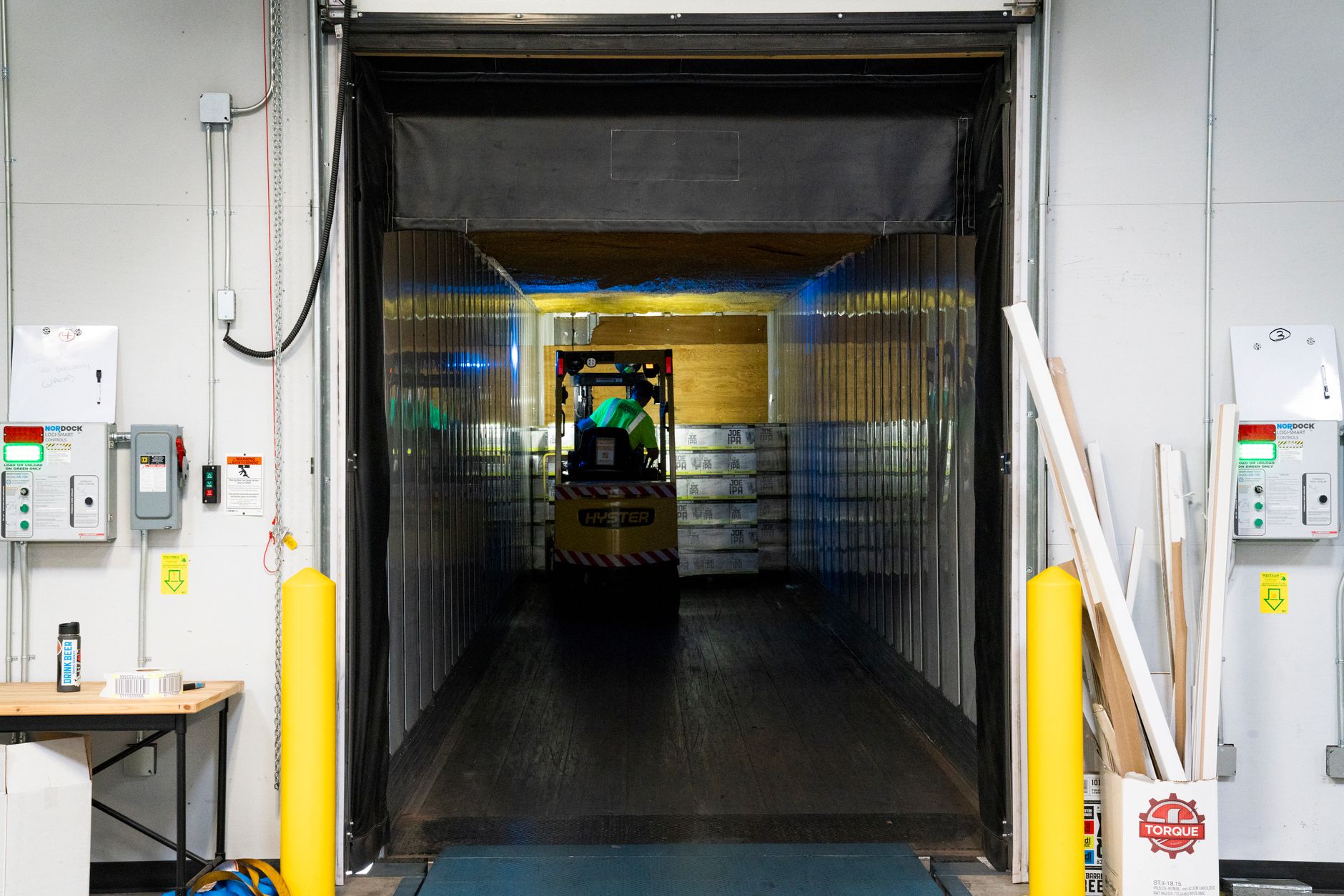
The kinds of sites that run these machines are usually large, hard surfaced buildings with long hours. Distribution and fulfillment buildings are the clearest case, followed by grocery and big-box stores, hospitals, hotels, airport and convention spaces, and office towers. Each has a different traffic pattern, so the same floor area can lead to different quotes.
The building matters more than the category. Two sites with the same floor area can need different robots if one has a busy loading dock and the other has carpeted offices. The research for this page did not include a count of local cleaning or warehouse businesses, so treat the list above as a set of site types, not a measure of local demand.
How do Kansas City labor and space conditions affect the decision?
Space and labor shape the case here. According to CBRE, Kansas City industrial net absorption was 360,044 square feet in the fourth quarter of 2025, and availability stood at 5.7 percent at year end. Lee and Associates reported Kansas City metro industrial vacancy at 4.9 percent in the third quarter of 2025. The two firms measure different things, so read them as direction, not as one number.
Labor is the other side. Turnover in janitorial and cleaning work runs high across the country. Netchex, a vendor blog that was not checked against BLS, says annual separation rates commonly exceed 50 percent in janitorial and cleaning services. A janitorial industry blog that cites BLS puts professional and business services turnover near 64 percent. Neither figure is a Kansas City number, so use them as background to your own turnover records.
Local wage tables tell you the labor cost per hour, but the decision turns on hours. The useful questions are how many staff hours each shift uses and how many of those shifts go unfilled. If a site cannot keep a full overnight crew, the lease case is about covering the shift, which is a different argument from replacing a head count.
How does leasing an autonomous mobile robot through financing work?
Service Robot Co. leases robots through financing. A business keeps its capital free instead of committing to an equipment outlay up front, and the lease terms are set in the written quote and the signed agreement.
A lease quote is built after a free site assessment. We walk the floor, measure the covered area, note surfaces and traffic, and confirm the shift plan. The quote then states the lease terms, deployment and integration, staff training and service, so the terms reflect the facility rather than a general estimate.
Read the quote before comparing offers. Check whether maintenance, dispatch, spare unit coverage and any insurance requirement sit inside the lease or are billed separately. A quote that lists these items is easier to set against a second bid, and easier to explain to the people who approve the spend.
How many labor hours does an autonomous mobile robot take over?
The honest answer is that the hour figure has to be measured on your floor. The research for this page did not verify hours per shift or staffing levels for Kansas City cleaning or warehouse facilities, so this page gives no hour figure. What can be measured is the task list, how long each task takes now, and which tasks the robot can run while staff do other work.
During the site assessment we time the current routine by zone, count the passes, and note where staff stop to clear spills, move carts or hold doors. That gives you a before and after that you can check against your own shift log, which is a better basis than any national average.
Watch the tasks that stay with people. The robot handles the repeat pass well, but a spill, a jammed door or a blocked route still needs a person. Plan the crew around those tasks, and count only the hours the robot truly takes over.
| Task | Today | With a robot |
|---|---|---|
| Scrub main aisles after close | crew time to be timed on site | start and end checks by staff |
| Sweep and scrub the staging area | crew time to be timed on site | clear obstacles before each run |
| Clear routes at shift start | crew time to be timed on site | confirm map and route status |
| Clean spills and blocked routes | crew time to be timed on site | still done by staff |
| Review route and map changes | not usually tracked | scheduled remap after layout changes |
No hour figures for Kansas City facilities were verified in this research pass. The hours are measured during the site assessment and written into the quote, not taken from a national average.
What can an autonomous mobile robot not do?
A robot on a route is not a whole crew. It handles repeat coverage on defined paths and stops when it meets an obstacle it cannot pass. It does not clean complex spills, repair equipment, use stairs or cover areas outside its map until the map is updated.
Floor condition, thresholds and the robot's operating range set its working limits. A worn or uneven floor can slow the run or block a route, so the site assessment checks these before a quote is written. Some areas may simply be left to staff.
Expect a person on the team for supervision, exception handling and the jobs that need hands. Plan staffing around that, not around the idea that the robot removes the shift.
How do I get an autonomous mobile robot quote in Kansas City?
Start with the facility. Gather the items below so the assessment is shorter and the quote is closer to your building. Missing details usually mean a second visit or a wider estimate.
Service Robot Co. then runs a free site assessment, confirms the route and mapping work, and writes a quote that lists the lease through financing, deployment and integration, staff training and service. If the site needs a smaller first step, one unit on one shift can serve as a pilot before wider deployment.
Compare quotes on the same facts. Ask each provider to measure the same floor, list the same services and state the same shift plan. That is the only fair way to compare lease terms across providers in the Kansas City area.
- Floor plan or a rough sketch of the covered area
- Shift schedule and hours for each cleaning window
- Surface notes, including carpet, thresholds, ramps and drains
- Traffic times for forklifts, carts and foot traffic
- Dock, door and elevator links the robot would need to pass
Frequently asked questions
Put a robot to work in Kansas City.
We walk your site, learn the job, and recommend the unit that fits. Then we quote the lease, deploy it, and keep it serviced.
Sources
- BLS Injuries, Illnesses and Fatalities snapshot: janitors and cleaners
- CBRE Kansas City industrial figures
- Lee and Associates Q3 2025 Kansas City Metro MO industrial report
- citypopulation.de: Kansas City, Missouri
- citypopulation.de: Kansas City combined metro area
- Netchex: why turnover is high in janitorial and cleaning services
- Janitorial Manager: how the janitorial industry turnover rate has changed
- International Federation of Robotics: global sales of service robots to rise 24 percent in 2025