
The short answer
The autonomous mobile robot cost in Jacksonville depends mostly on the floor the robot must cover, the shifts it runs, how hard the mapping and integration work is, and how many units you deploy. The lease quote states which service, training and go-live support are included, so nothing is left as an unstated add-on. Lease quotes come after a free site assessment, because the floor itself sets most of the number.
Key takeaways
- The floor, not the feature list, sets most of the autonomous mobile robot cost in Jacksonville.
- Hours of work saved must come from your own shift records, since no source we checked publishes task hours for this kind of site.
- Mapping, integration, maintenance, insurance and training are hidden costs that belong in the written quote.
- Robots are leased through financing, and the lease payment is fixed in a quote after a free site assessment.
- Physical floor work stays with people, so a robot reduces repeat route work without removing injury risk.
What is the autonomous mobile robot cost in Jacksonville, FL?
The autonomous mobile robot cost in Jacksonville is set by the work the robot does on your floor, not by its feature list. Buildings of similar size can need very different robots and very different lease quotes, because one has open concrete and another has carpet, ramps, forklift traffic and several shifts. That is why this page explains the drivers instead of printing a price.
Lease payments are set in a written quote after a free site assessment. Before that visit, list the zones the robot should cover, the hours each zone is cleaned or moved today, the surfaces and thresholds on the route, and which doors and elevators it must use. Those items cover most of what we need to size the work.
Labor matters too, because the lease is judged against the hours it takes over. The government wage data for the Jacksonville metro appears in the panel on this page, and it is the right starting point for your own labor planning. This page does not turn those wages into a robot price, since the quote depends on the site.
What factors raise or lower the cost at a Jacksonville site?
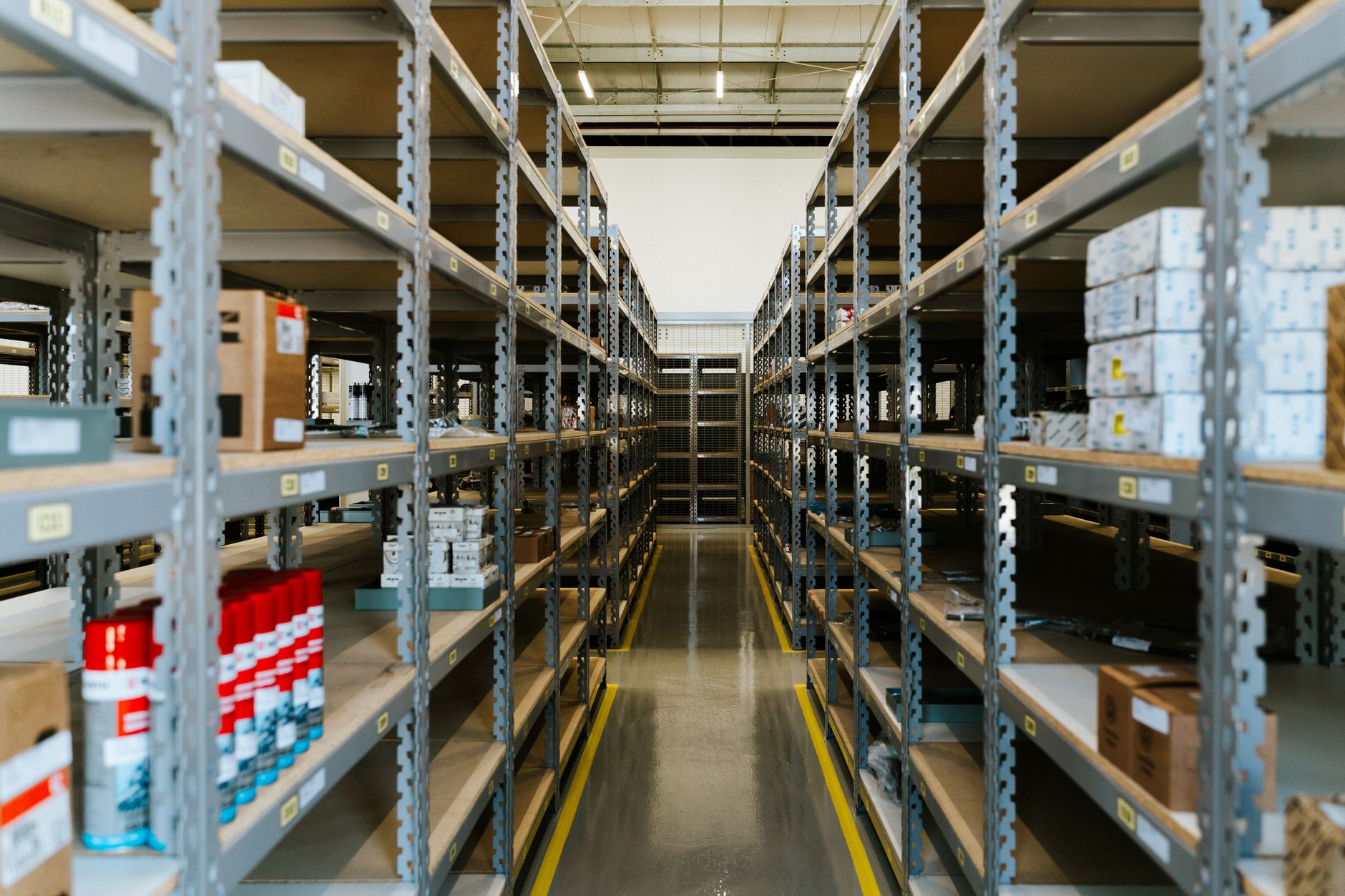
Floor area and layout set the size of the job. More square footage and more separate zones mean more route to map, more battery or tank time, and more checks at the end of each run. A long straight warehouse aisle is simpler than a building with many rooms, glass partitions and turns the robot must learn.
Surfaces and obstacles come next. Smooth sealed concrete is the easiest case. Carpet, raised thresholds, ramps, loose cords and standing water near entrances each change the route or the hardware. Traffic matters as well. Busy aisles with forklifts and pedestrians need slower routes, more sensing, or a scheduled window when the floor is clear.
Shifts and integration decide the rest. A robot that runs overnight with nobody in the way is simpler to program than one working through a busy day, but more daily runs need more charging time or more units. Doors, elevators, alarm systems and any building or warehouse software the robot must reach add setup work. Distance to a service technician also moves the quote, and a backup unit adds to the quote while cutting downtime when a robot is out of service.
Who runs these robots in Jacksonville, and what does the labor picture look like?
Floor care work sits inside a large national workforce. According to the U.S. Bureau of Labor Statistics Occupational Outlook Handbook, about 2.4 million janitors and building cleaners were employed in 2024. Employment is projected to grow 2 percent from 2024 to 2034, which the handbook calls slower than average, an increase of 47,800 jobs. The handbook projects about 351,300 openings a year on average, mostly from people leaving the work and needing replacement rather than from new positions.
We did not find a published count of janitors working in the Jacksonville metro, so the national figure is the nearest verified one. That matters for planning. A slow-growing occupation with heavy replacement needs means a site keeps recruiting for the same role even when its headcount stays flat.
The floors Jacksonville businesses run are shaped by freight and goods. According to FRED, the Federal Reserve Bank of St. Louis, transportation, warehousing and utilities employment in the Jacksonville metro was about 55,100 in 2024, not seasonally adjusted, down from about 55,600 in 2022. Trade, transportation and utilities employment reached 176,900 in December 2025, not seasonally adjusted. These are the employers whose floors are most likely to be wide and heavily used, which is the pattern floor robots suit.
What hours of work does the robot take over?
No government or trade source we checked publishes hours per shift for floor scrubbing or sweeping at a site like this, so the hour figures have to come from your own records. Walk the route with a shift lead and time it. Then count what the robot will take away: the repeat route, the tank or battery changes, the pickup of debris and the walk back to the closet.
The work the robot does not remove is exception work. A person still resets a stopped unit, clears a blocked path, refills supplies, handles a spill that is too large, and checks the route after an unusual event. Plan for those hours. A quote that counts only the route and ignores exceptions overstates how much time staff will be freed to do other work.
What does the outside weather and the port freight mean for floors in Jacksonville?
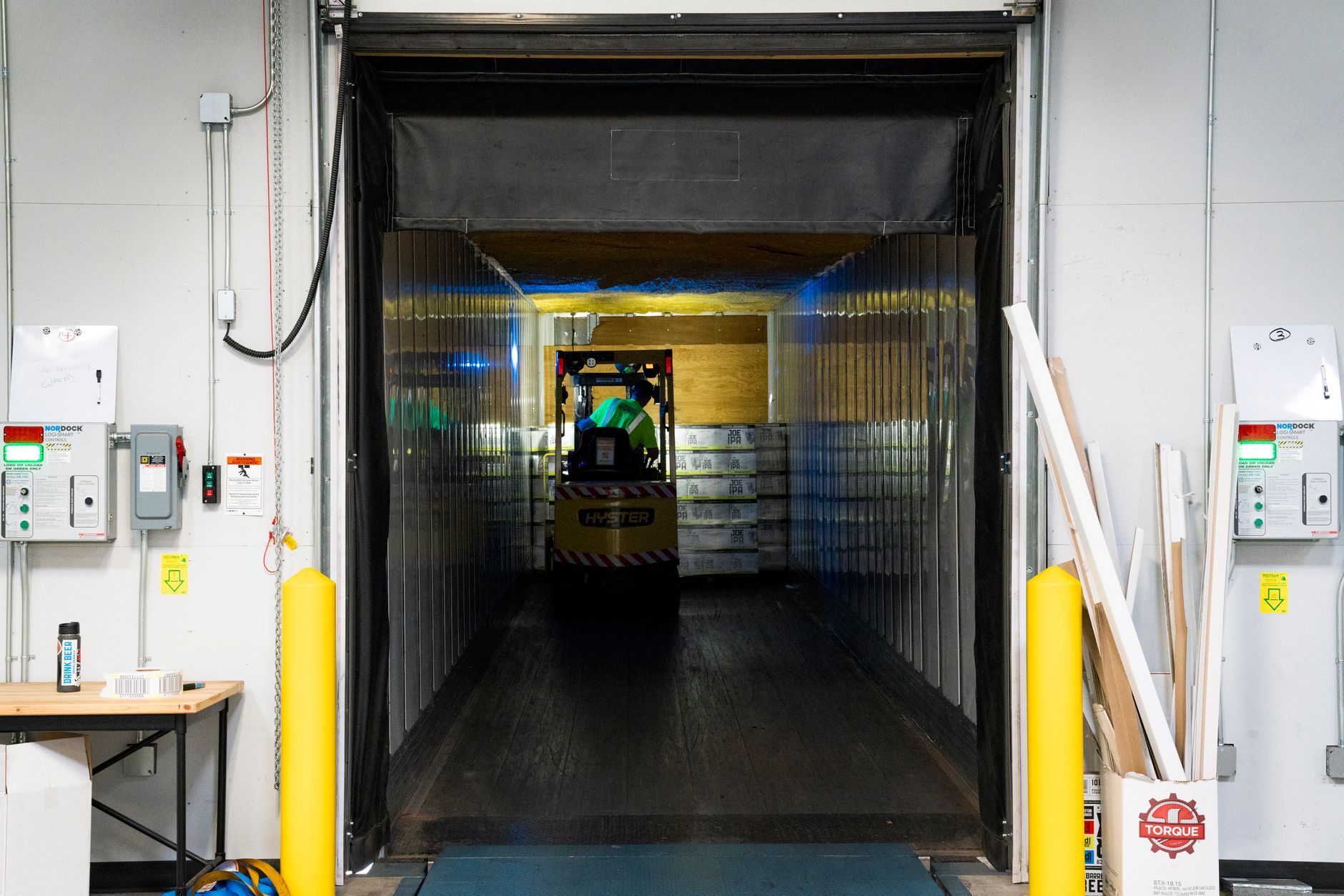
Port and freight activity shapes many Jacksonville floors. According to News4JAX, reporting the 2026 State of the Ports address, the Jacksonville port handled about 1.39 million twenty-foot equivalent container units in fiscal 2025, up from about 1.34 million the year before, along with about 506,000 vehicle units. Staging and distribution areas tied to that freight tend to be wide, repeated routes, which is the kind of work a floor robot fits.
Adoption is growing in the category. According to the International Federation of Robotics, professional cleaning robots were the third-largest professional service robot category in 2024, with sales up 34 percent to more than 25,000 units, mainly for floor cleaning. These are global figures. The IFR says its service robot data comes from a sample of 294 suppliers and is not projected to the whole industry, so read them as a trend, not a local count.
We did not find verified climate or building-stock data for Jacksonville, so this page does not state one. The site assessment checks what local weather brings in at entries and loading areas, including wet grit and standing water near doors, and whether the building's floors suit the route.
How does leasing through financing work, and what does the quote include?
We lease robots through financing, so you do not carry the full equipment cost on day one. The lease spreads the cost into a fixed lease payment over a set term. The payment, the term and the lease options appear in the written quote, and each should be stated in writing before anything is signed.
The quote comes after the free site assessment, because mapping, surfaces and the shift plan determine the lease. Ask for the quote to be itemized so you can compare it with your own hours and staffing. It should state the payment, the term, the service terms, how fast a technician responds, and what happens when a unit is down.
- Fixed lease payment and term length
- Site assessment and mapping
- Deployment, integration and go-live support
- Staff training
- Service, maintenance and on-site dispatch terms
- Remote triage and backup unit terms
- Insurance and liability coverage terms
What can the robot not do, and how real is the injury risk?
A floor robot runs the routes it has been mapped to run. It does not reason through an unfamiliar obstacle, clean up a large mess, handle a spill beyond its design, or work a surface it was not set up for. It does not decide what needs cleaning or moving, and it does not replace the person who responds when a route is blocked.
Injury risk remains part of the picture. According to Business Insurance, reporting Bureau of Labor Statistics data, all private industry had 2.3 cases per 100 full-time equivalent workers in 2024, down from 2.4 in 2023. For janitors and cleaners, the BLS injury snapshot covering 2016 to 2020 shows 191.6 cases per 10,000 full-time equivalent workers. That data is older, but it shows the work is physical and the risk is real. The robot takes over repeat push work, not the whole job.
How do you get a quote after a free site assessment?
Start by gathering what you already have: a floor plan or rough sketch, the hours the floor is in use, the surfaces and thresholds, the doors and elevators on the route, and the zones you want covered. Photos of problem areas help. With those, we can tell during the visit whether one robot covers the work or whether more units are needed.
During the free site assessment, we walk the zones, measure the route, check surfaces and access, and discuss the work that stays with staff. We then write the quote, which lists the lease payment, the term and what is included. Nothing on this page replaces that quote, and we do not give a price before we see the floor.
Frequently asked questions
Put a robot to work in Jacksonville.
We walk your site, learn the job, and recommend the unit that fits. Then we quote the lease, deploy it, and keep it serviced.
Sources
- U.S. Bureau of Labor Statistics, Occupational Outlook Handbook: Janitors and Building Cleaners
- BLS injury and illness snapshot: Janitors and Cleaners, Except Maids and Housekeeping Cleaners, 2016-20
- Business Insurance: Work injuries down in 2024, lowest in two decades (BLS data)
- FRED: Transportation, warehousing and utilities employment, Jacksonville MSA
- FRED: Trade, transportation and utilities employment, Jacksonville MSA
- News4JAX: JAXPORT highlights record growth at 2026 State of the Ports address
- International Federation of Robotics: Service robots see global growth boom (press release)