
The short answer
In Jacksonville, FL, autonomous mobile robot ROI comes from labor hours: the moving work that laborers and freight, stock, and material movers, hand do now, valued at the local wage for that job and offset against a fixed lease payment. The savings range depends on how much of that work a robot realistically takes, how many shifts it covers and how the building is laid out. A free site assessment turns those inputs into a lease quote and a range you can check against your own records.
Key takeaways
- The return comes from labor hours the robot takes over, valued at the local wage for the job.
- The share of work a robot realistically takes matters more than the headline hours.
- Repeated routes and extra shifts raise the range, while congestion and frequent layout changes lower it.
- Robots do not remove injury risk on their own, so route design is part of the plan.
- A free site assessment replaces this range with a lease quote built on your building.
Run the numbers for your site
Auto-detected from your location - we use the real BLS wage here. Not right? Pick your city or state above.
What do you want to automate?
The robot takes the repetitive cart and pallet moves off the heaviest motion.
How much can an autonomous mobile robot save in Jacksonville, FL?
The return from an autonomous mobile robot in Jacksonville, FL comes from labor hours. The robot takes over a share of the moving work that laborers and freight, stock, and material movers, hand do now. The savings range on this page is the value of those hours less the lease payment. It is a range rather than a promise, because the share of work a robot can take depends on the building, its routes and how many shifts it covers.
The sections that follow explain how that range is built, what moves it up or down, and what a site assessment adds. Outside figures are named where they appear. The government wage data for this job sits in the panel beside this text, so you can check the labor side against your own payroll records.
Why does Jacksonville suit this kind of automation?
According to the Bureau of Labor Statistics Occupational Outlook Handbook, about 7.0 million hand laborers and material movers held jobs in 2024, with a projected 4% change from 2024 to 2034. The detailed occupation laborers and freight, stock, and material movers, hand covers about 2,988,900 jobs in the same source. Employers across that national pool compete for the same workers, which is why steady, scheduled moving work is hard to staff.
Locally, the Federal Reserve Bank of St. Louis (FRED) reports about 171,000 workers in trade, transportation and utilities in the Jacksonville metro area for December 2025, seasonally adjusted. A narrower transportation, warehousing and utilities series shows about 55,000 workers for September 2025, but that count includes utilities, so it overstates warehousing alone. The City of Jacksonville workforce page says 13.2% of Jacksonville employees work for supply chain and logistics companies in warehousing, transportation and wholesale trade. No warehouse-only count of material movers in Jacksonville was found, so the local staffing number has to come from your own site.
Adoption points the same way. According to Robotics Tomorrow, citing International Federation of Robotics final figures, US industrial robot installations reached 38,400 in 2025, up 12%, making the United States the second-largest market after China. Food and beverage installations rose 30% to 2,900, while automotive fell 1% to 13,500. No logistics-only installation count was found, so that figure covers industry as a whole.
Median hourly wage, Laborers and Freight, Stock, and Material Movers, Hand
$4,261
Monthly cost of one full-time worker in Jacksonville, FL, at the median wage plus payroll costs (an estimate, not a quote).
Where does the return come from in a warehouse or distribution building?
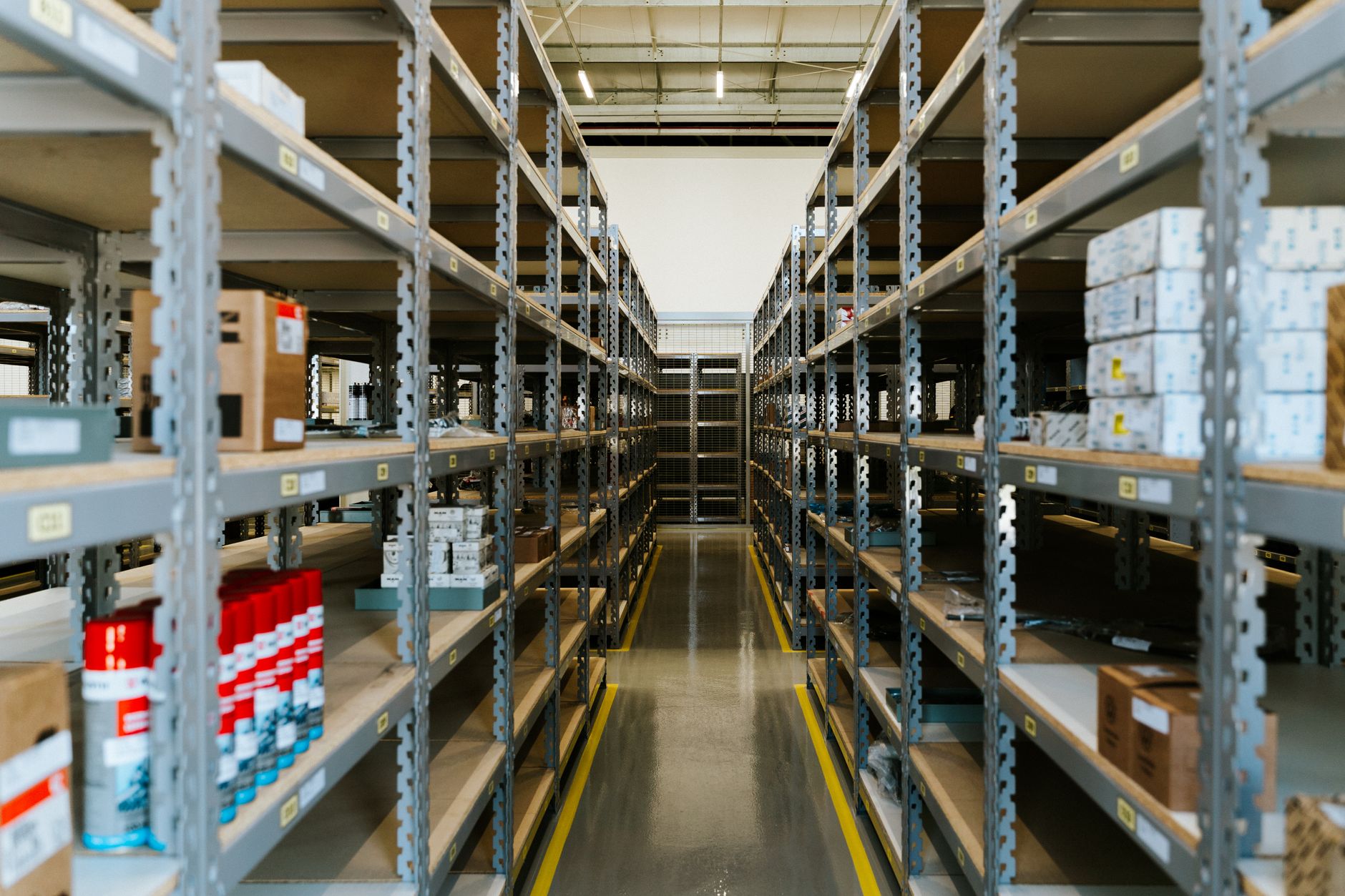
A robot pays back when it removes repeated trips that a person would otherwise make with a cart, pallet jack or tug. In a distribution building that usually means dock to staging moves, replenishment runs between storage and pick lines, and carrying empty totes or pallets back to the start point. Each trip is simple work, repeated many times per shift, and it is where staffing gaps and fatigue cost the most.
The value has two main lines. The first is labor hours: the hours the robot covers, valued at the local wage for this job from the government wage data on this page. The second is coverage. A robot running a night or weekend route adds capacity on a shift that is hard to staff, without adding a person to that shift. Avoided overtime on peak days is a third source. It is real, but harder to forecast, so we count it separately.
Turnover belongs in the picture too. The Bureau of Labor Statistics projects about 351,300 openings a year for janitors and building cleaners and notes that most learn on the job. That occupation differs from the moving work, but it shows how much hiring churn exists in building work. The Bureau does not publish a separate turnover rate for this moving occupation on the page we checked, so the assessment measures turnover in your own records instead.
How is the savings range calculated?
The core arithmetic is simple. Take the weekly hours of moving work that the robot will realistically take over, multiply by the number of weeks it runs, value those hours at the local wage for the job, and add any avoided overtime. Subtract the lease payment and the service cost covered by the lease. The range comes from running low and high assumptions for the share of work taken.
The most important input is the share, not the headline hours. A robot told to take every trip on a route will stall the first time a pallet blocks an aisle. A realistic share on a good route is a portion of the trips, with people covering exceptions. We use hours logged during your site walk and your timesheets, and we do not assume full-shift coverage unless the route is fixed and the building is clear.
The table below shows how this works task by task. The hour figures come from your own records during the assessment, not from published averages. No published count of people doing this work at one site is reliable enough to use, so the calculator starts from one person and the assessment replaces that with your actual staffing.
| Task | Today | With a robot |
|---|---|---|
| Pallet moves from dock to staging | logged in the site walk and timesheets | robot runs scheduled moves, staff load and release |
| Replenishment runs between storage and pick lines | counted from shift records during assessment | fixed routes run in the background, staff handle exceptions |
| Returning empty totes or pallets to the start point | timed on the floor during assessment | robot returns empties on its own route |
| Peak-day overtime for moving work | taken from payroll records you provide | robot covers the baseline, staff cover surges |
| Blocked-path and damaged-load handling | stays with people in every case | staff still handle these, and the robot waits or reroutes |
Hour figures come from your own records during the site assessment, not from published averages, so none are printed here.
What changes the number up or down?
Three things push the range up: long, repeated routes, more shifts per day, and a building where the path is clear and mapped. Each one adds hours the robot can take without a person waiting on it. Dense pallet traffic and moves between floors do the same when the route is short and frequent.
Three things push it down: congested docks, frequent changes to the layout, and tasks that need judgment on every trip. A robot can handle the repetitive part of those tasks, but people still need to be on the floor for the rest. Low utilization is the most common reason a return falls short of the range.
Two buildings of the same floor area can produce very different ranges. The route count and the traffic decide the number, not the square footage, so the assessment counts routes before it estimates any share.
Where does a robot fall short of a person?
A robot is not a cheaper version of a worker in every respect. It runs the same route at the same pace, which suits fixed work. It does not read a damaged load the way a person does, adjust to a blocked aisle without help, or decide when to slow down around an unusual crowd. Those are the places where a person still wins, and a sound plan keeps staff on them.
Put plainly, the robot takes repetitive moving work off the plate of the people who stay. Their hours move toward exceptions, checks and decisions. That is the real operational change, and it is why we set the staffing plan with the site before we set the robot count.
- Repeated routes at the same pace
Autonomous Mobile Robot
Runs the route the same way on every trip
Staff
Tires over a shift and varies pace
- Night and weekend coverage
Autonomous Mobile Robot
Runs when scheduled without a person needing to be on that shift
Staff
Has to be scheduled and staffed for each shift
- Blocked aisles and unusual obstacles
Autonomous Mobile Robot
Stops or reroutes, and may wait for help
Staff
Clears the path or finds another way without help
- Damaged or unusual loads
Autonomous Mobile Robot
Not suited to judgment about the load
Staff
Checks the load and decides what to do
- Setup for a new layout
Autonomous Mobile Robot
Needs remapping and testing before it runs
Staff
Learns the new layout on the job
- Continuity across shift changes
Autonomous Mobile Robot
Does not change shift
Staff
Handover needs notes and time
What are the risks to the return and how do you avoid them?
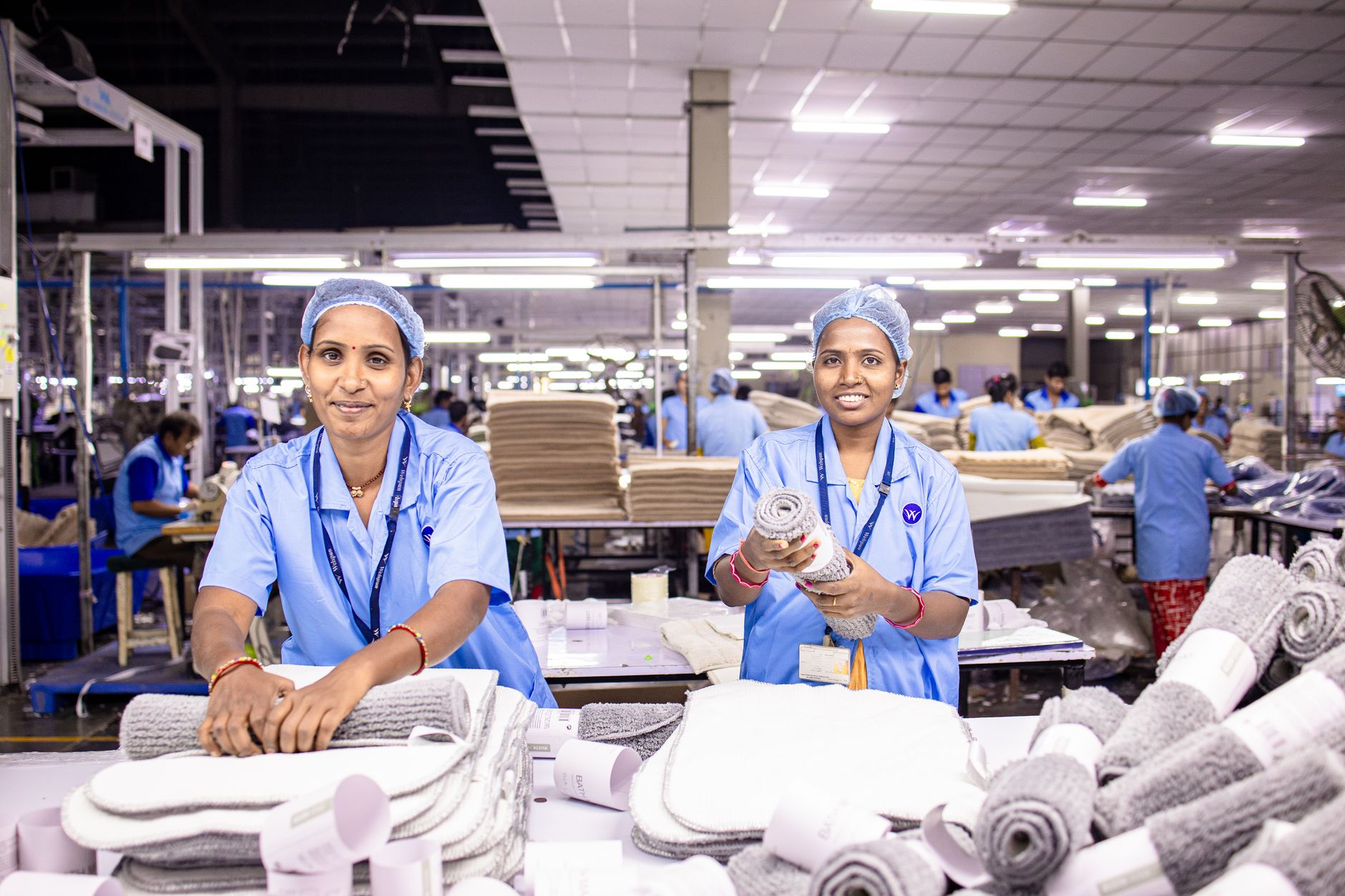
The main risk is low utilization. A robot that runs a fraction of a shift leaves labor hours unclaimed, and the range shrinks. Start with a route that repeats often and add units only when the first one is busy. A single leased unit in a pilot is a lower-risk way to measure the real share before committing to more.
Safety is the second risk, and robots do not remove it on their own. According to Voxel AI, citing Bureau of Labor Statistics data, warehousing and storage recorded 4.8 recordable cases per 100 full-time workers in 2024, and another site reports 4.9 for the same measure. The same secondary source reports 32 fatal injuries in warehousing and storage in 2024, up from 28 in 2023. Cold storage runs higher at 5.5 per 100 workers, with the year not specified. The practical step is to separate robot routes from pedestrian areas and to check those areas during the assessment.
Uptime is the third risk. If a unit fails at a critical dock, the work falls back to people. Plan for on-site dispatch, remote triage of faults, and a spare unit or loaner for the most critical route.
What is a realistic timeline from assessment to payback?
The sequence runs in stages. First is the site assessment, where we map the floor, measure routes and agree on the hours to be covered. Next, the robot is selected for the site and lease terms are set. Then comes deployment and integration, staff training, and a go-live period in which the routes are watched closely. Payback comes after the robot has run through a normal cycle of volume, including a slow period and a busy one.
The length of each stage depends on the building, the dock schedule and how much mapping the layout needs, so the timeline is set in the assessment rather than assumed here. What matters for payback is that the first months run on a measured share of work, not on the best-case share. Deployment can be phased so that operations continue during the rollout.
How do I get a precise figure from a free site assessment?
A free site assessment replaces the range on this page with your own figure. We map the floor, log the moving work and staffing for each shift, and confirm the share a robot can realistically take. We pick the robot that fits the site, arrange financing, and quote the lease after the assessment, so the payment reflects your building rather than a generic estimate.
Our team deploys and integrates the robot, trains your staff and services the unit nationwide, so one partner handles installation and upkeep. Bring your shift schedule, a rough layout and the last few months of overtime records. That is enough to tighten the range considerably and shows which assumptions to test first.
Frequently asked questions
Put a robot to work in Jacksonville.
We walk your site, learn the job, and recommend the unit that fits. Then we quote the lease, deploy it, and keep it serviced.
Sources
- US Bureau of Labor Statistics, Occupational Employment and Wage Statistics (OEWS May 2024)
- Bureau of Labor Statistics, Occupational Outlook Handbook: Hand Laborers and Material Movers
- Bureau of Labor Statistics, Occupational Outlook Handbook: Janitors and Building Cleaners
- Voxel AI: Distribution Center Safety Statistics
- Robotics Tomorrow: US now second-largest robotics market following China
- The Robot Report: US robotics industry saw double-digit growth in 2025, says IFR
- FRED, St. Louis Fed: Transportation, Warehousing and Utilities, Jacksonville MSA
- FRED, St. Louis Fed: Trade, Transportation and Utilities, Jacksonville MSA
- City of Jacksonville: Workforce