
The short answer
Autonomous mobile robot cost in Austin depends on the site rather than a catalog figure: floor area and surfaces, the shifts the robot must cover, traffic and mapping needs, the number of units, and the service plan. Labor is the baseline to compare against, and the Bureau of Labor Statistics counts about 2,447,700 janitors and building cleaners nationally, while a third-party salary site lists about 15,240 in the Austin-Round Rock-San Marcos metro. A lease quote is written only after a free site assessment measures those drivers on your floor.
Key takeaways
- Cost follows the site: floor area, surfaces, shift hours, and layout move a lease quote more than the machine itself does.
- Compare the lease against the staffed hours it would replace, not against a generic robot number.
- Mapping, software links, insurance, and training are the costs people miss, so confirm each one in writing.
- The lease quote comes after a free site assessment because the route has to be measured on your floor first.
- Robots run repetitive floor and transport routes well, but staff still handle exceptions and safety.
What does autonomous mobile robot cost in Austin depend on?
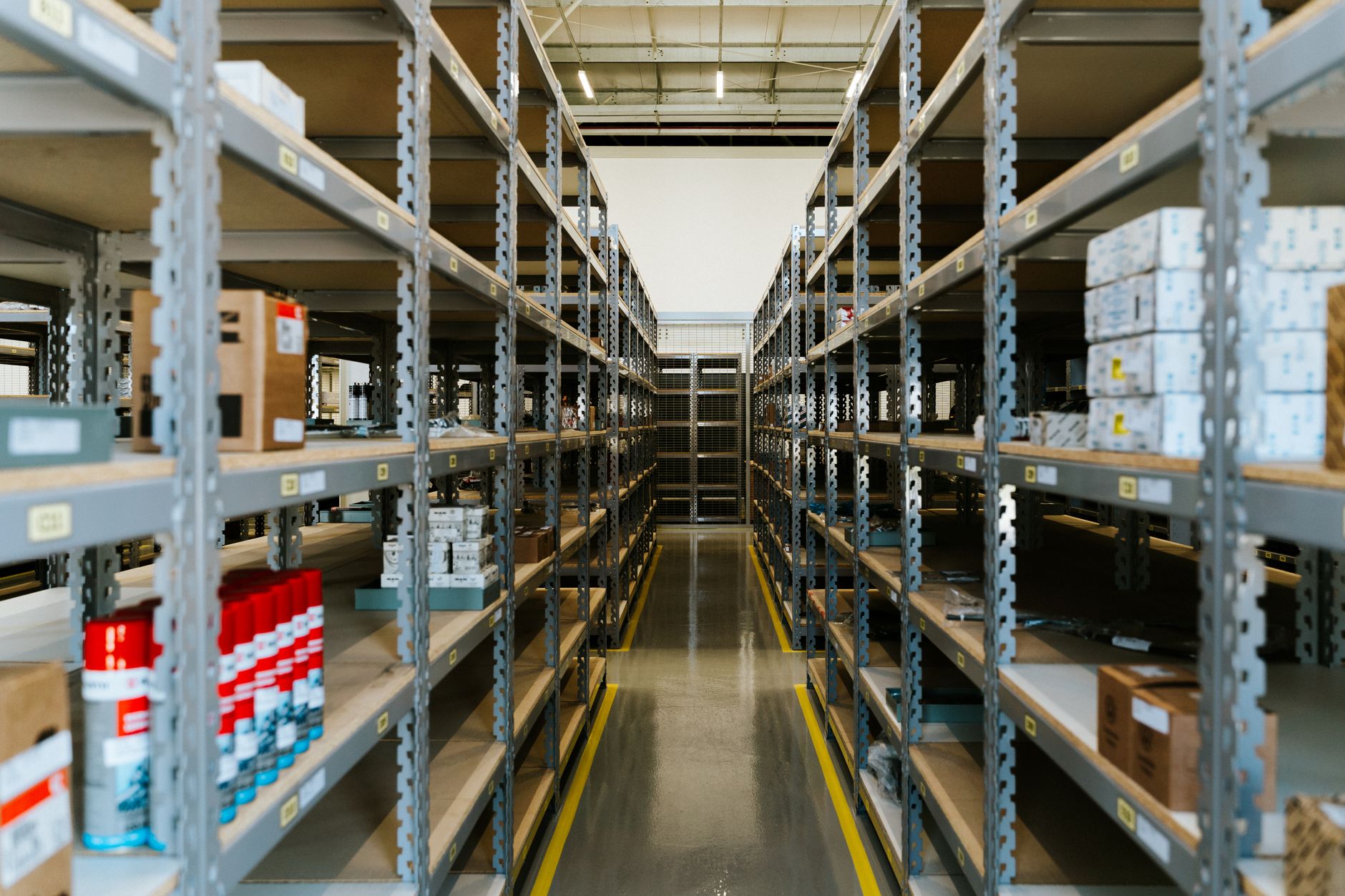
Autonomous mobile robot cost in Austin is set by the site, not by a single catalog figure. Two buildings of the same size can need widely varying quotes. One may have smooth sealed concrete, wide aisles, and an empty floor overnight, while the other has ramps, carpet zones, loading docks, and staff walking through during the night. The lease quote follows the work the robot has to cover, the hours it has to run, and the setup that lets it run safely without an operator.
Austin is part of the Austin-Round Rock-San Marcos metro, and that is where our local labor figures come from. Those figures show how much human floor and transport work exists in the area, which is the baseline you should compare a lease against. They do not give the lease itself. That number needs a measured site, and we set it only after the assessment.
Read cost figures you find online with that in mind. A number for a single-level warehouse with open aisles says little about a multi-tenant office tower with elevators, badge gates, and a shared loading area. A generic estimate cannot account for those gaps, while a quote built on a site walk can.
How many people do this work in the Austin metro?
The Bureau of Labor Statistics Occupational Outlook Handbook reports about 2,447,700 jobs for janitors and building cleaners in 2024. It projects employment to grow 2% from 2024 to 2034, which is slower than the average for all occupations and works out to about 47,800 added jobs. The same source projects about 351,300 openings a year, and most of those are replacement needs rather than new positions.
The local picture is less certain. A third-party salary site, which cites government wage survey data with the year not clearly labeled, lists about 15,240 janitors and cleaners in the Austin-Round Rock-San Marcos metro, excluding maids and housekeeping cleaners. We have not confirmed that count against the official BLS metro table, so treat it as an estimate and check the BLS occupational employment table for the metro before you rely on it.
For a site manager, the useful point is that openings are mostly replacement hiring. Every departure restarts the search for overnight staff, and a fixed route run by a robot does not need that search. It does need a service plan, which is why service terms belong in the comparison alongside the staffing line.
Which factors move the cost at a site like yours?
Floor area is the first driver, and it works through route length and run time. A robot covering a large open floor needs more time on the route and, past a certain size, more units or a longer schedule to finish. Floor surface comes next. Smooth sealed concrete maps and cleans more predictably than polished tile with thresholds, carpet, or ramps, and each transition adds mapping and tuning work.
Shift pattern usually moves the comparison more than people expect. A robot that runs unattended overnight stands in for a staffed shift, which is the strongest case for a lease. A robot that only runs during open hours mostly supports the people already on the floor, and the case for it is weaker. Traffic is the third factor. Pallets left in aisles, forklifts, and foot traffic change the route plan and the speed rules.
Mapping and layout changes add cost at the front end and during the life of the lease, since every change to racking or walls needs a technician to update the map. Unit count shapes the service plan. A single unit on one route is a separate job from several units covering a campus, and every door, elevator, or software link you add widens the scope of the quote.
How much labor does a robot take over, and is this already common?
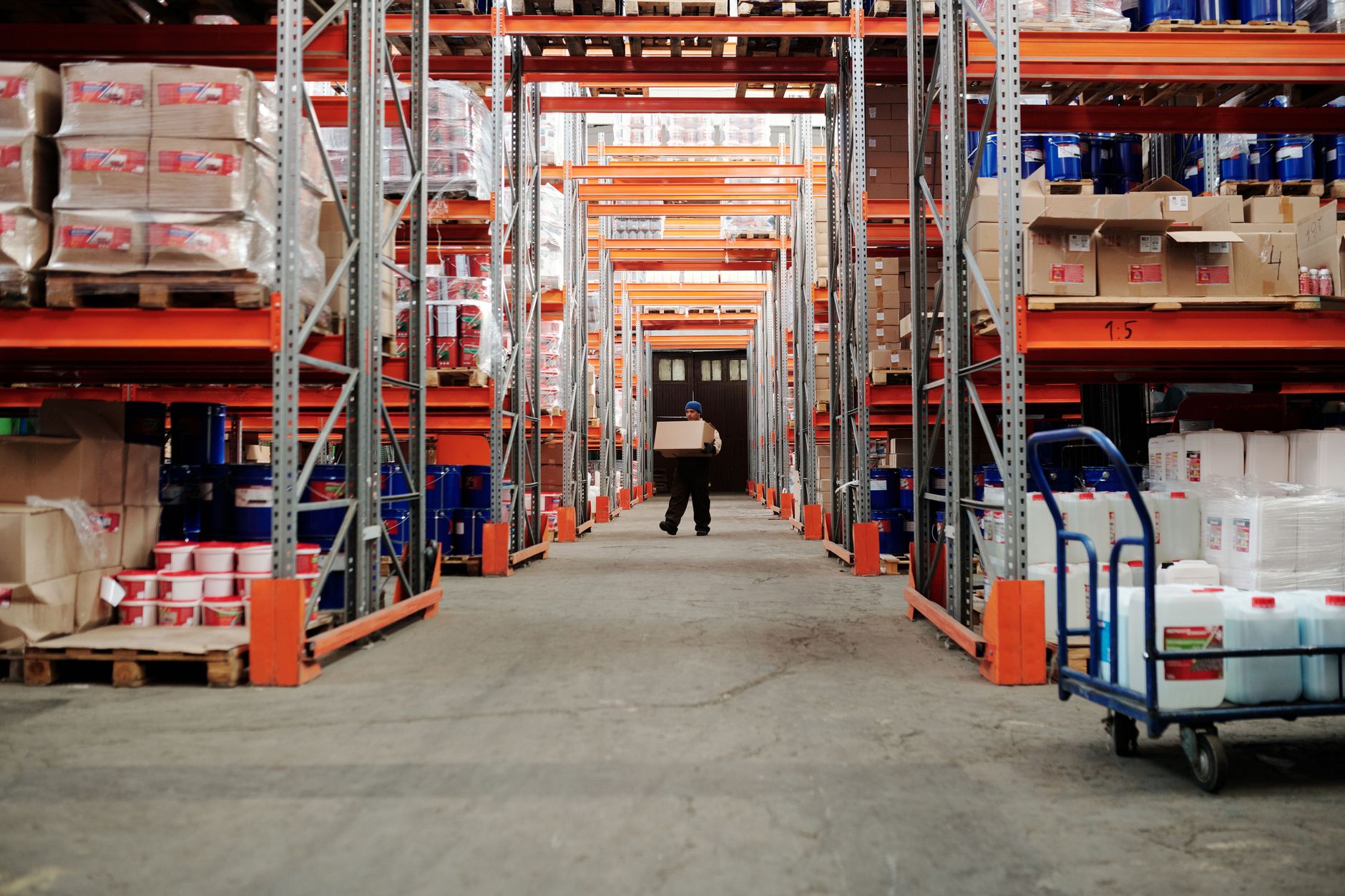
Adoption is rising, though the numbers come from a sample. According to the International Federation of Robotics, global professional service robot shipments rose 24% to almost 250,000 units in 2025. Transportation and logistics was the largest professional application, with 117,500 units sold. The IFR based its figures on a sample of 238 suppliers, so read them as a trend rather than a full market count.
A trade press summary of the same IFR report says cleaning robots ranked third among professional segments, with floor cleaning as the main application. That matches how the work tends to be automated first. Fixed routes that repeat on the same floor at the same hours are the easiest to hand over, because the robot can learn one path and run it many times.
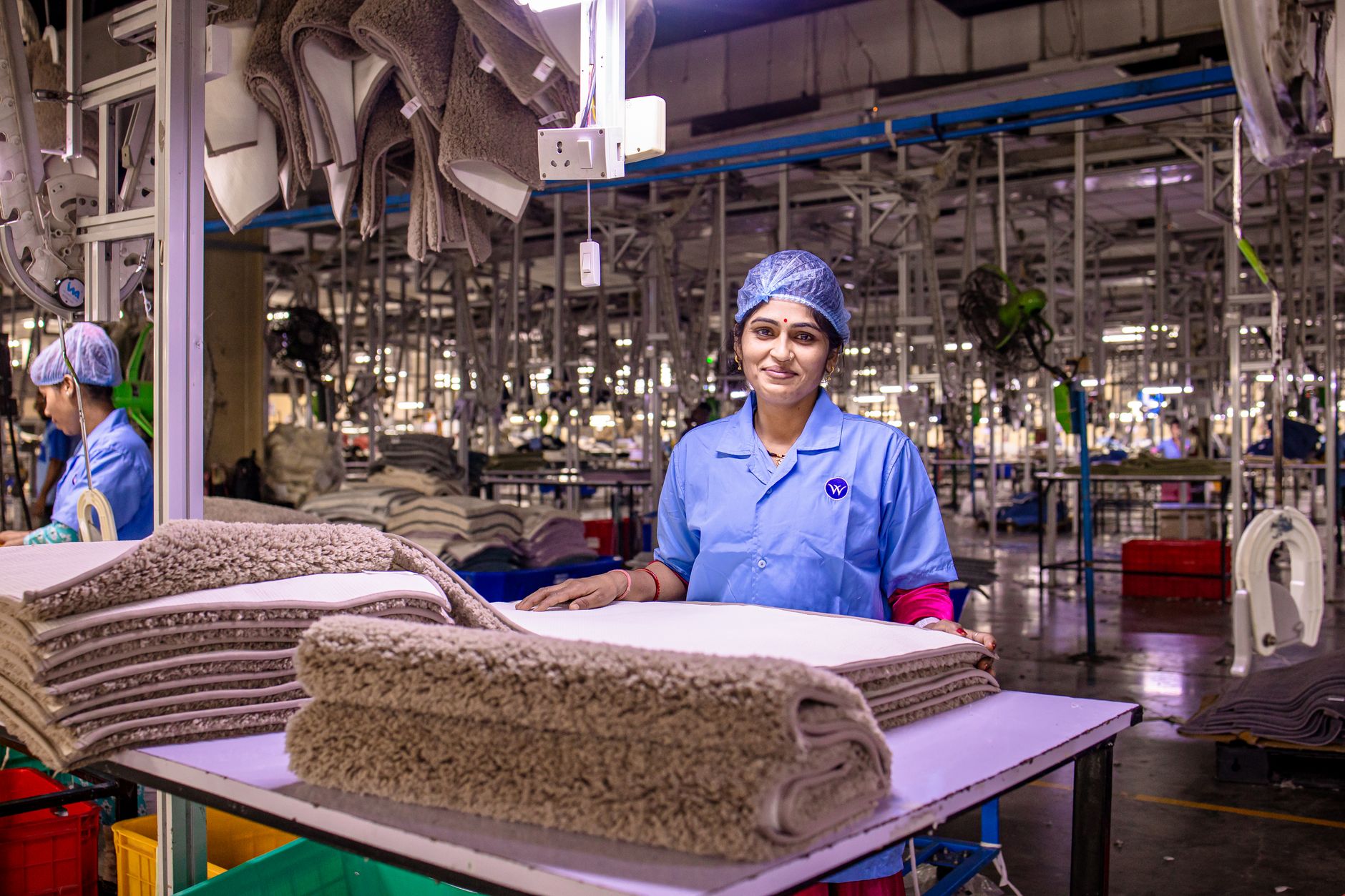
The hours a robot takes over depend on the floor you measure. The table below names the tasks involved, but it does not give hour figures. Those would need a verified study or your own timing, and we measure the existing routine during the site assessment instead of applying a national average.
What should you check before asking for a quote?
A quote is only as good as the site information behind it. Before you request one, collect the facts that change the route, the schedule, and the service plan. Most are in existing floor plans and facility records, and a few need a walk-through with someone who knows the building.
Watch for the items that surprise people later. A door that is too narrow or too heavy for a robot to pass, an elevator that needs integration, or a gate that only works with a certain system each adds scope. Those are the reasons a short on-site assessment matters more than a remote estimate.
How does leasing through financing work, and what does the quote include?
We lease the robot through financing, which means you do not have to commit a large upfront capital outlay to start. The lease is paid as a fixed robot lease payment over the term, and the terms are written into the quote before you sign. Starting with one leased unit on the highest-value route is a common way to keep the first commitment small.
A quote should show the fixed lease payment, the deployment and integration scope, staff training, and the service plan, each on its own line. Ask in writing whether software, insurance, and spare unit coverage are included. Any item left out should appear as a separate line, so the total is easy to compare with the cost of the staffed hours it would replace.
Financing changes the comparison in a useful way. Set the fixed lease payment against the labor hours it displaces and against the cost of gaps when a shift goes unfilled. A quote that makes both sides visible is the one worth comparing against other options.
How do I get a quote after a site assessment?
Start with a free site assessment. We walk the floor, measure the route, check surfaces, doors, and the schedule, and identify which tasks the robot can run without an operator. That visit sets the quote. A lease quote is not built from a floor area number alone, because the same square footage can need very different routes.
Phased deployment is often the lower-risk path. Many sites start with one leased unit on one route, run it for a period, and add units once the routine has settled. That keeps the first commitment small and lets staff learn the system before the rest of the building is covered.
We work as one partner with one number. Deployment, training, and service come through the same team, with remote triage first and on-site dispatch when a fault needs hands. The steps below show the sequence.
What can a floor robot not do?
A floor robot runs a defined route on a defined floor. It does not handle spills, broken glass, or unmapped debris on its own, and it does not do detail work around equipment or restock shelves. Staff keep those tasks, and the staffing plan should say so. Exceptions are where robots most often fall back on people, so plan for them rather than treating them as rare.
Safety needs its own plan. According to the Bureau of Labor Statistics Injury and Illness data, warehousing and storage (NAICS 493) recorded a total recordable case rate of 4.8 per 100 full-time workers in 2024, with a days-away, restriction, or transfer rate of 4.1 and a days-away-only rate of 1.5. A robot takes some manual floor work off people, but it adds moving equipment to an aisle, so pedestrian and traffic rules still apply.
A robot also cannot fix a poor floor. Cracked slabs, standing water, and heavy wear can stop a route, so the site assessment checks surfaces before any route is promised. Ask us what the robot will not do at your site, and expect a written answer.
Frequently asked questions
Put a robot to work in Austin.
We walk your site, learn the job, and recommend the unit that fits. Then we quote the lease, deploy it, and keep it serviced.
Sources
- Bureau of Labor Statistics Occupational Outlook Handbook, Janitors and Building Cleaners
- Salary aggregator citing government wage survey data, Janitors and Cleaners in Austin-Round Rock-San Marcos
- International Federation of Robotics, Global sales of professional service robots surge 24 percent
- Trade press summary of the IFR professional service robot report
- Bureau of Labor Statistics Industry Injury and Illness, NAICS 493 Warehousing and Storage