
The short answer
Autonomous mobile robot cost in Baton Rouge depends on how much floor the robot covers, how busy that floor is while the robot runs, and how much mapping and integration the site needs before it works. Number of units, the service coverage you need, and the costs of software, maintenance and training move the figure too. A lease quote comes after a free site assessment, and that assessment is the only way to turn those factors into a fixed lease payment.
Key takeaways
- Floor area, route layout, surfaces and empty operating hours set most of the lease quote.
- Mapping, software, maintenance, insurance and training are the costs teams miss, and each belongs on the quote.
- Construction and extraction makes up about twice the national share of Baton Rouge jobs, so plan staff time around the local labor mix.
- Hours saved only count when someone decides where they go, and the free site assessment is where the numbers come from.
What does an autonomous mobile robot cost in Baton Rouge depend on?
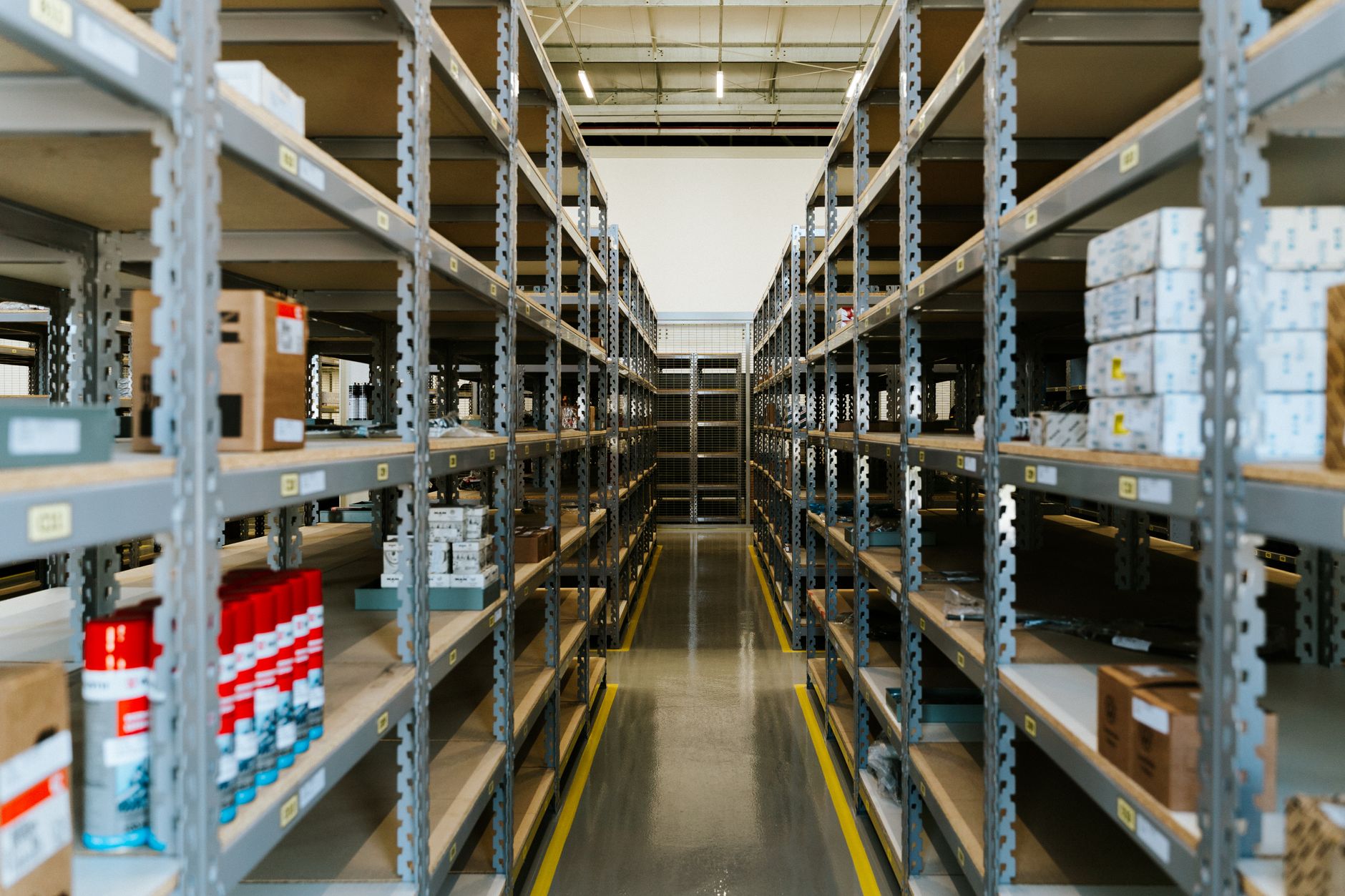
An autonomous mobile robot cost in Baton Rouge is set by the site it runs in, not by a catalog figure. The same machine can be a modest lease at a single-level warehouse with wide aisles and an empty overnight window, and a much larger lease at a multistory building with carpet, glass doors and crowded service corridors. The number that matters is the lease quote, and it comes after a free site assessment, because no honest figure exists until someone has walked the floor with a tape measure and a shift log.
Four questions decide most of the number: how much floor the robot must cover, what that floor is made of, when the robot runs, and how many people and carts share the route. Those answers set how many units you need, how long mapping takes and how much service you will draw on. The rest of this page takes each answer in turn, shows what it does to the quote, names what it leaves out, and lists what to check before you accept one.
What does the Baton Rouge labor market look like for floor work?
The BLS Southwest Region release for Baton Rouge, using May 2025 data and dated August 2026, reports 33,600 construction and extraction jobs in the metro, about 8.2% of local employment, against 4.1% nationally. Floor staff and the trades can draw on similar workers, although the release does not measure that overlap. A site that wants overnight floor staff should check local hiring before assuming those shifts are easy to fill. The BLS release dated July 2025, using May 2024 data, named office and administrative support, construction and extraction, and food preparation as the largest major occupational groups in the metro.
The kinds of sites that run floor robots here are likely to include distribution and warehouse floors, large retail stores, clinics and food production plants. The BLS groups above fit that mix, although the release does not name individual sites, so treat the match as a reasonable reading rather than a count. Use the labor data to plan staff time, not to size the robot.
Turnover is the other side of the labor question. A janitorial industry blog says BLS data put average annual total separations for the sector at about 45% since 2017, excluding 2020. We could not match that figure to a BLS table, so treat it as a secondhand estimate. The BLS research paper on the separations rate defines it as total separations over the year divided by average employment, and that is the measure to ask any staffing vendor to show you.
Which factors move the cost up or down at a Baton Rouge site?
Floor area is the first lever, but it works through route length and coverage more than through square footage alone. A robot that covers a long, open hall with few turns runs more efficiently than one that must navigate many small rooms, because each room adds mapping, docking points and corner passes. Surface type matters as much. Polished concrete, sealed epoxy and tile suit scrubbing, while thick commercial carpet, ramps and raised thresholds may need another machine or a changed route.
Hours and traffic drive most of the rest. A site that runs its floor work with no people on it gives the robot clean time windows at full speed. A busy lobby or a stocked aisle during business hours forces slower speeds, more pauses and more exceptions for staff to clear. Number of units changes the arithmetic. A second or third unit spreads the mapping and integration work across more coverage, but each added unit adds to the lease, so the quote should show what each unit covers.
Service level is the last lever. A site that needs on-site dispatch within a short window carries another plan than one that accepts a planned service visit, and that choice sits in the quote. We have not verified Baton Rouge climate or building stock data for this page, so we make no claim about humidity or building age. The site assessment records both, along with the surfaces and transitions that matter to your route.
How many hours of floor work does the robot take over?
No government source in this research gives verified hours per shift for floor scrubbing, cart moves or delivery in Baton Rouge, so this page does not state a number of hours. The true figure comes from your own shift log, which the site assessment reviews line by line. The table after this section shows how the work moves once a robot runs the repeat passes.
The test for whether a task moves cleanly is simple: does it repeat on the same route, at the same time, with few decisions along the way? Those are the tasks where a robot returns hours to staff. Tasks that need a judgment call, such as a spill that needs assessing or a blocked exit, stay with people.
Freed hours are only worth something if someone decides where they go. In a metro where food preparation and construction and extraction are large occupational groups, a manager should decide early whether those hours go to other floor work, to exception handling or to lower overtime. The lease does not make that choice for you, and the staffing plan should be settled before the first run.
How does leasing through financing work, and what does the quote include?
We lease robots through financing, so a business can put a unit on site under a fixed lease payment without a large upfront outlay. The payment is set in the quote after the site assessment, not taken from a list. A complete quote states the term, the number of units, the coverage, the deployment and integration work, the staff training, the service plan and the software terms, so you can check each line against your shift log and budget.
A quote should also say what is not included. Ask whether remapping after layout changes sits inside the lease or outside it, what the response window is for a fault, and whether insurance requirements are your responsibility. If an item is missing from the quote, ask for it in writing before you sign. The term changes the payment, so settle it early in the conversation, along with the number of units.
What can an autonomous mobile robot not do?
A floor robot does not climb stairs, does not clean around clutter it cannot read, and does not decide what to do when a route is blocked by a person or a dropped pallet. Those exceptions need a staff member and a plan for who responds. It also needs a mapped space. A new room, a moved rack or a closed corridor will confuse the route until someone updates the map.
It does not replace detail work such as spot treatment of a stain or a load that needs a human eye and hands. It cannot judge whether a door is safe to pass, and it should not be asked to. Before deciding, ask the integrator where the robot stops, what it does at a closed door, how it reports a fault and who gets the alert at two in the morning. The answers tell you more about the deployment than any headline claim about speed or coverage.
Why are warehouses and food sites adopting robots, and what does injury data show?
The International Federation of Robotics reported that US industrial robot installations rose about 11 to 12% in 2025, to roughly 38,000 to 38,500 units, and that the growth was tied mainly to food and logistics. Those are industrial robot figures, not counts of service robots, so read them as a trend rather than a local market size. The IFR figures, as reported by automation.com, put US operational stock at almost 400,000 robots based on 2024 data, and global operational stock at about 5.08 million, up 9%.
Injury data explains why floor work gets a closer look. The BLS counted 32 fatal injuries in warehousing and storage in 2024, up from 28 in 2023, according to the BLS injury page for that industry. A vendor analysis reports a total recordable case rate of 4.8 per 100 full-time warehousing workers in 2024. That figure is vendor-reported, not a government figure, so use it as context and check the primary tables before you cite it.
How do I get a quote for an autonomous mobile robot in Baton Rouge?
Start with a site assessment, which is free and does not commit you to a lease. Have your floor plan, your shift log for the hours you want covered, and a list of the doors, elevators and systems the robot must reach. Those three items let the assessment size coverage, the number of units and the mapping work without guesswork.
Then ask for the quote in writing, with each cost driver on its own line. A quote that cannot tie its fixed lease payment back to the factors in this page is not finished. If you are unsure, start with one unit in one zone, measure its run against your shift log for a few weeks, and check whether the service response meets the window your operation needs before you expand.
Frequently asked questions
Put a robot to work in Baton Rouge.
We walk your site, learn the job, and recommend the unit that fits. Then we quote the lease, deploy it, and keep it serviced.
Sources
- BLS Southwest Region, Baton Rouge occupational employment and wages release (August 2026)
- BLS Southwest Region, Baton Rouge occupational employment and wages release (July 2025)
- Janitorial Manager blog on janitorial industry turnover rate
- BLS research paper on the annual separations rate (2005)
- BLS injury page for warehousing and storage (NAICS 493)
- International Federation of Robotics, US robot industry returns to double-digit growth
- Automation.com, US robot industry returns to double-digit growth
- Voxelai, peak season warehouse injury statistics (vendor-reported)