
The short answer
Autonomous mobile robot cost in Baltimore is set by the site more than by the machine, since floor area, floor surfaces, shift hours, traffic, mapping, integration, unit count and service coverage all move it. Baltimore's labor and industrial data show why hours and site layout have to be measured before any lease is quoted. We give a fixed lease payment only after a free site assessment, through financing, with the included services listed in the quote.
Key takeaways
- The site sets most of the cost, so two buildings with the same robot can carry workloads that look nothing alike.
- Floor area, surfaces, shift hours and foot traffic are the largest variables at a Baltimore site.
- Mapping, integration, training, insurance and service are the costs people most often miss.
- Baltimore's labor data runs large, so count the route hours a robot would take over, not headcount alone.
- We quote a fixed lease payment through financing after a free site assessment.
What does an autonomous mobile robot cost in Baltimore?
An autonomous mobile robot cost in Baltimore is not one fixed figure. It depends on how much floor the robot must cover, what that floor is made of, when the building is empty enough to run, and how much support the site needs from our team. Two buildings with the same robot can end up with very unlike workloads: one with sealed concrete and a single overnight shift, and another with rough floors, mixed traffic and a busy receiving dock.
This page covers what moves the figure at Baltimore sites, the costs people tend to miss, how leasing through financing works, and how to get a quote. It does not give a number. A reliable figure only comes after someone measures the site, and that measurement is the free site assessment.
What drives the cost of an autonomous mobile robot at a Baltimore site?
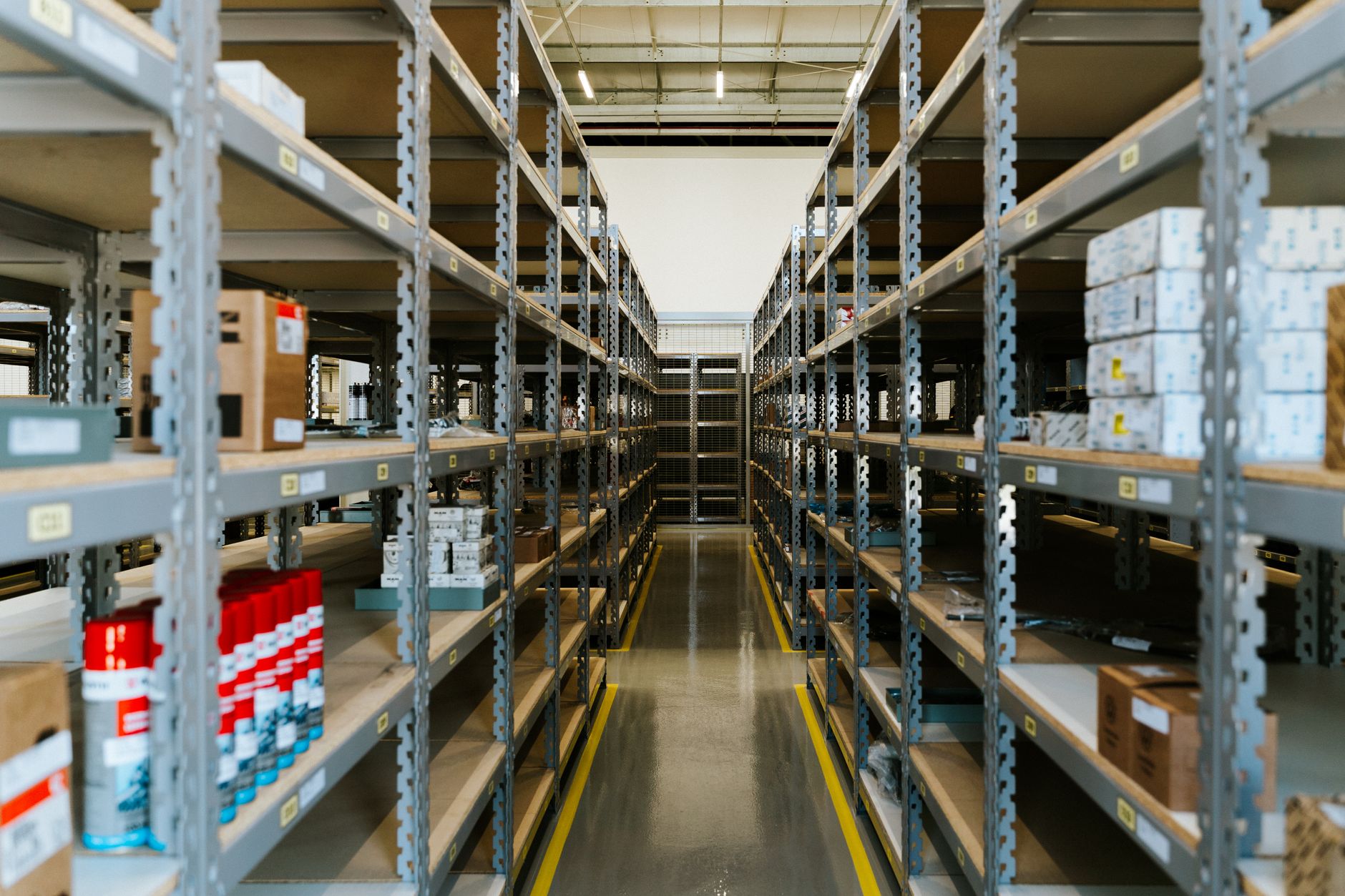
Floor area is the first lever. A robot covering a large warehouse floor runs longer routes and needs more charging stops than one serving a single corridor, and each added aisle adds mapping and supervision time in the first weeks.
Surfaces and obstacles come next. Sealed concrete and polished floors suit a robot well, while carpet, worn joints, loose pallets, cords and thresholds change how it drives and how often a staff member has to clear the route. A layout that stays put is cheaper to run than one that changes every few weeks.
Shift pattern decides how much of the day the robot can actually work. An overnight window with an empty floor lets it run uninterrupted, while a day shift full of forklifts, carts and people forces pauses and reroutes. A 24 hour operation puts more load on each unit and may call for more units and tighter service coverage.
Mapping, integration and unit count close out the list. A site that needs its map updated after every reconfiguration carries an ongoing cost, and a robot that connects to inventory software, building access or an elevator takes more engineering than a standalone unit. A second or third unit spreads setup and service across the site, which lowers the overhead per unit.
How do Baltimore labor conditions affect the math?
The Bureau of Labor Statistics counts 2,447,700 janitor and building cleaner jobs nationally in 2024, according to the BLS Occupational Outlook Handbook. It projects growth of 2% from 2024 to 2034, a gain of 47,800 jobs, and about 351,300 openings a year on average, driven by replacement needs. Much of that demand is replacement hiring, which is where a site feels turnover in practice.
A third-party summary of 2024 OEWS data, relayed by city-stats, reports about 20,060 janitors and cleaners, excluding maids and housekeeping cleaners, in the Baltimore-Columbia-Towson metro. We could not confirm that figure on bls.gov, so treat it as a working estimate to check against the official tables.
We did not find a verified BLS turnover rate for this occupation. Vendor and staffing sites quote high turnover for commercial cleaning, but those figures were not verified, so this page does not use them. The measure that matters for your site is the number of open shifts and overtime hours you already carry.
Injury risk belongs in the math too. According to CPA Practice Advisor, reporting BLS data, the 2024 private industry injury rate was 2.2 cases per 100 full-time equivalent workers, and the illness rate fell to 13.9 cases per 10,000 full-time equivalent workers from 19. Repetitive pushing and carrying is one place that exposure sits, so count it alongside the hours.
What does the Baltimore industrial market mean for a robot lease?
Port activity keeps freight moving through the region. According to the Maryland Port Administration, the port handled about 50 million tons of cargo in 2025, its second-best year, behind the 2023 record of 52.3 million tons. Professional Mariner reports foreign cargo tonnage of 49,983,622 tons in 2025, which ranked Baltimore 11th among US ports.
Vacancy figures are the other half of the picture, and they disagree. CBRE reports Baltimore industrial vacancy at 8.7 percent in Q2 2026, unchanged from Q1. Transwestern reports 7.5 percent in March 2026 against a national rate of 5.3 percent, the highest Baltimore level since 2016. Savills reports 11.1 percent for Q1 2026, up 190 basis points from 9.2 percent a year earlier.
Those sources use separate methods, so the figures should not be averaged or treated as one trend. We would not read vacancy as a cost driver on its own. For a lease quote, what matters is how the building is laid out, how many aisles and dock doors it has, and how many hours it runs.
How does leasing through financing work, and what does the quote include?
A robot lease is a financed agreement. You do not commit the full equipment cost at signing. Instead, you agree to a fixed robot lease payment over a set term, and the quote shows that payment alongside the terms that apply.
The quote comes after a free site assessment. We walk the floor, measure routes and surfaces, check the shift pattern and identify integration points. We do not quote from a floor plan alone, because a plan rarely shows the pallet stacks, foot traffic and door timing that set the workload.
A quote typically lists the lease term, the financing terms, deployment and integration, staff training, service and response times, and any backup unit arrangement. It should also say which items stay with your team. Ask whether early exit is allowed and on what terms, because lease terms differ by finance provider.
Leasing keeps capital free for work that pays back in the facility. Whether a lease is worth it depends on the route hours it takes off the schedule and the labor you already carry, which is why the site assessment comes before the numbers.
How many labor hours does a robot take over?
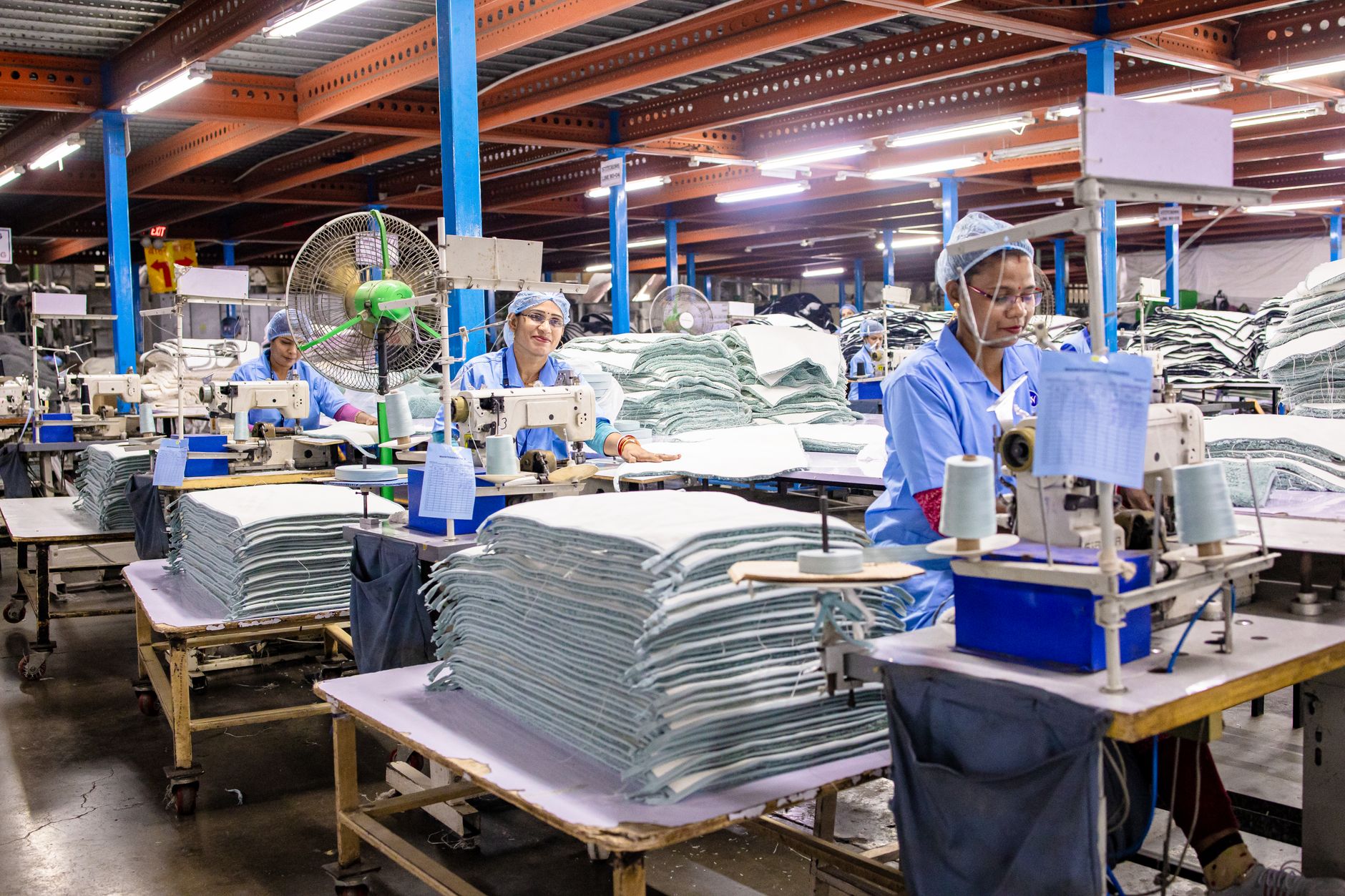
Hours come from the site, not from a national average. The BLS sources reviewed for this page do not publish task-level hour figures for these jobs, so the table below lists the work and the steps that remain, and the site assessment measures the hours.
The work that moves to a robot is the repetitive, route-based part of a shift: the same aisles, dock lanes and corridors, run again and again. The work that stays with staff is setup, route checks, exceptions and decisions about what the robot should not touch.
A lease turns the labor question into a count of route hours you can take off the schedule, and where those people go next. That keeps the decision tied to shift hours you can measure, rather than to a headcount guess.
What can an autonomous mobile robot not do?
A robot covers a defined route on a mapped floor. It does not clear large spills, handle stairs, or do work that needs hands and judgment. When it meets an obstacle it cannot pass, it stops or reroutes, so a crowded floor produces more stops and more staff time.
Doors, elevators and thresholds are the usual limits. A robot needs a route it can plan, and a closed door or a manual elevator call can halt a run until staff step in. The site assessment checks each of these before a lease is quoted.
Weather matters at loading docks and entrances, where wet floors, grit and road salt change traction and cleaning results. Plan for staff to handle the parts a robot cannot reach or should not touch, and keep a short exception routine on each shift.
How do you get a quote for a robot in Baltimore?
Start with the free site assessment. Bring the floor plan, the operating hours, the number of staff on the task today, and a list of any systems the robot would need to connect to. Those four items let us scope the walk-through instead of starting from zero.
We return a quote that shows the fixed lease payment, the term, what is included, and what sits with your team. If the site fits a single unit, we can start with one leased unit and a defined pilot period, then add units if the hours hold.
Our team services leased units nationwide, with on-site dispatch when a unit needs hands-on work and remote triage for faster fixes. Contact us to book a site assessment for your Baltimore facility.
Frequently asked questions
Put a robot to work in Baltimore.
We walk your site, learn the job, and recommend the unit that fits. Then we quote the lease, deploy it, and keep it serviced.
Sources
- BLS Occupational Outlook Handbook, Janitors and Building Cleaners
- city-stats, third-party summary of 2024 OEWS data
- CPA Practice Advisor, reporting BLS 2024 injury data
- Maryland Port Administration, 2025 port report
- Professional Mariner, Port of Baltimore 2025 cargo
- CBRE, Baltimore industrial figures Q2 2026
- Transwestern, Baltimore market research factsheet
- Savills, Baltimore Q1 2026 industrial market report