
The short answer
Cobot cost for jewelry manufacturing shops depends on the cell more than on the arm: how much floor and bench space it needs, how often the batch and finish change, how much polishing and tending it takes over, what integration is needed to work beside skilled makers, and how service is covered after go-live. Small batches with frequent changeovers add setup and programming time that long identical runs never see, so a lease quote is built from these inputs after a free site assessment.
Key takeaways
- Cell size, bench layout and batch changeovers move the quote more than the arm model does.
- Polishing and deburring are the tasks to test first, because they repeat within a batch.
- Integration, cell mapping, staff training and service coverage are the costs people most often miss at the start.
- Hours saved depend on your own cycle times, so measure them for a week before you ask for a quote.
- Lease quotes come after a free site assessment, with a fixed payment over the lease term.
What does cobot cost for jewelry manufacturing shops depend on?
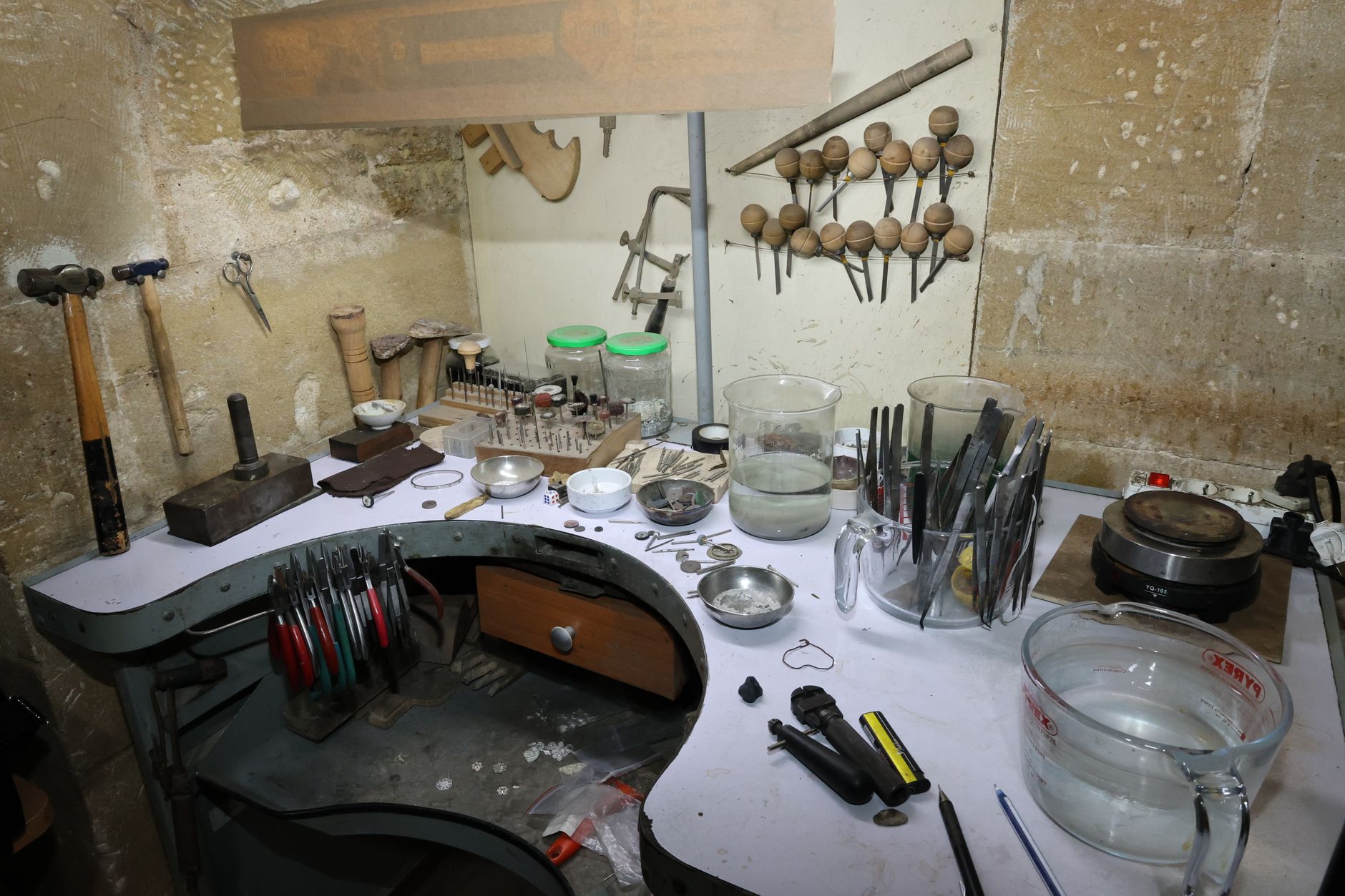
A jewelry shop is a hard place to put a robot. Work is small, finishes are fussy, batches are short, and the bench is often shared by several makers working within arm's reach of the same tools. Any estimate of cobot cost for jewelry manufacturing shops has to start from those conditions, not from a warehouse or a factory floor.
The quote is driven by four groups of inputs. The first is the physical cell: footprint, reach, work surfaces, and how dust and polishing compound are handled. The second is the work pattern: batch size, the number of distinct finishes, and how often the shop changes over. The third is integration: fixtures, grippers, tool changes and the staff interface. The fourth is the service plan that keeps the cell running after go-live. The arm is usually the most visible item, but it is rarely the one that moves the quote most in a shop like this.
Cobots suit this setting because they are designed to share a workspace with people, which matters when a maker reaches in to check a piece. The cell still needs a risk assessment before it runs. Within that cell, a cobot can take repeatable tending and finishing motions, such as presenting a piece to a buffing wheel or loading a fixture, while the skilled maker keeps setting, inspection and anything that needs judgment.
How many jewelry and precious metal workers are there in the US?
According to the U.S. Bureau of Labor Statistics Occupational Outlook Handbook, about 35,100 jewelers and precious stone and metal workers held jobs in 2024. The same source projects employment to fall 5% from 2024 to 2034, with roughly 4,000 openings a year on average. A shrinking labor pool is one reason shop owners weigh repeatable tasks against hiring.
The Handbook also reports that about 34% of these workers are self-employed and about 32% work for jewelry, luggage and leather goods retailers. A large share of the trade therefore works alone or inside a retail operation. In a small shop, the person signing a cobot quote is often the same person who will stand at the bench beside it.
The Bureau's occupational employment data for the jewelry and silverware manufacturing industry, NAICS 339910, counted 22,270 workers in May 2022. That is a worker count, not a count of shops, so it cannot tell you how many establishments would lease equipment. An older U.S. Census Bureau 2002 Economic Census page, now held in an archive, reported about 2,290 establishments with payroll under NAICS 339911. That figure is dated and should be read as a rough sense of scale only.
What drives the cost of a cobot cell in a tight jewelry shop?
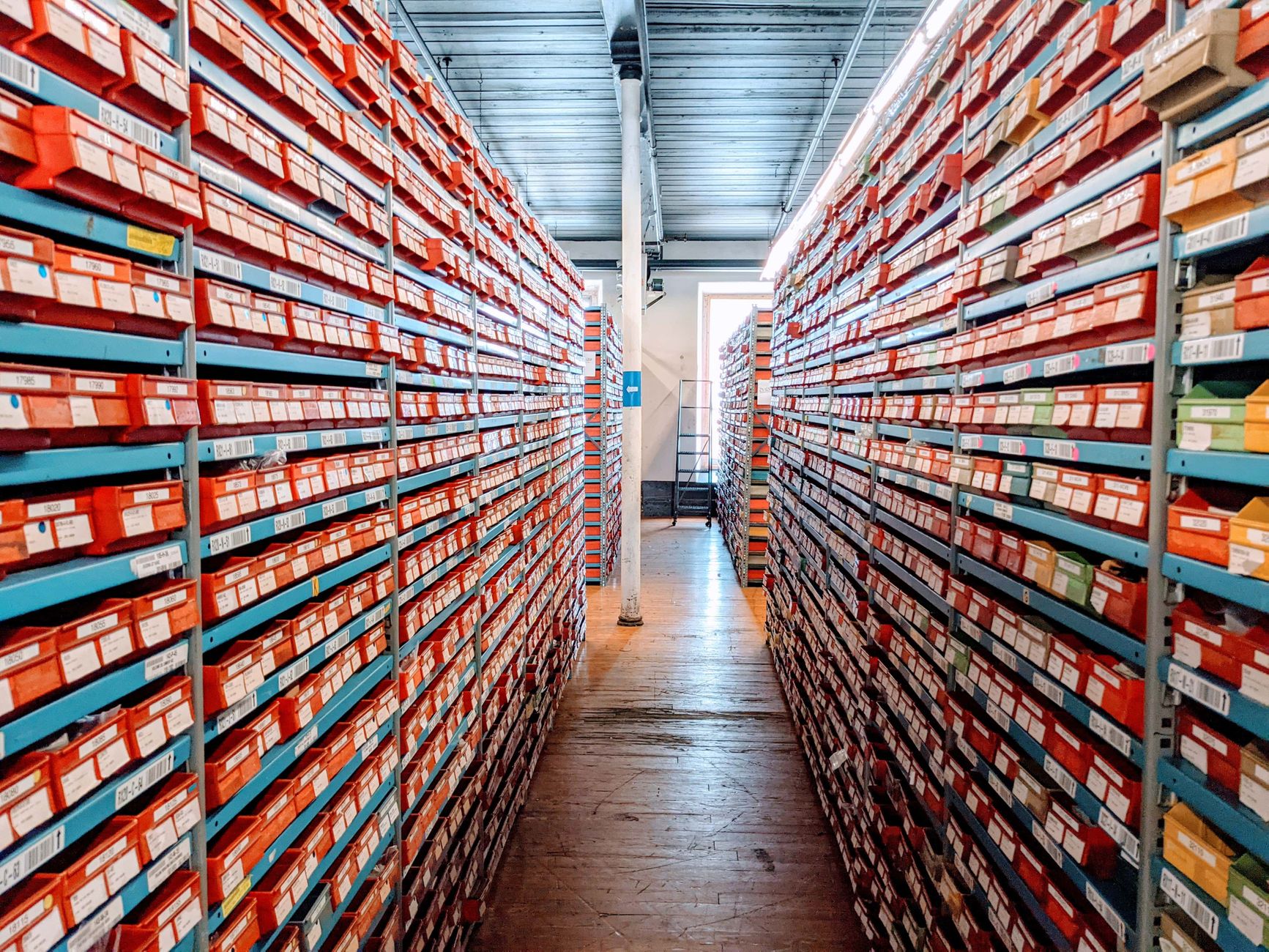
Footprint is usually the first constraint. A cell has to fit between benches, keep the operator's path clear, and leave room for a fixture or a buffing station. Layout is quick to sketch and slow to change once the cell is bolted down, so it deserves the most time in the site assessment.
Batch pattern is the second driver. A shop that runs many short batches with different finishes changes fixtures, programs and grippers more often than a shop running long identical runs. Each changeover is labor the robot does not remove, so the quote grows with the number of distinct jobs as well as with the number of pieces.
Finish type sets the reach and the tooling. Polishing compound, dust, and the need to hold a consistent light touch on a ring or a bezel all affect the end effector and the guarding. Force-sensing or compliant tooling costs more than simple pick-and-place grippers, so test it on real parts before you commit to it.
Integration and mapping add work before the arm moves. The bench has to be surveyed, fixtures designed, the cell taught, and the staff interface set up. The number of stations and whether the cell shares a bench with a human shift both change how much integration time is needed. A second cell reuses much of the setup from the first, while the first cell carries most of it.
Are cobots spreading in manufacturing, and is the work safe?
According to A3, as reported by Robotics 247, North American robot orders in 2025 totaled 36,766 units, of which 7,212 were cobots. Cobots made up 19.6% of units and 10.7% of revenue. A3 began tracking cobots as a separate category in the first quarter of 2025, so the full-year figure is the more reliable basis for comparison.
Reporting on the same A3 data says cobot orders reached 28.6% of units in the fourth quarter of 2025, though quarterly shares differ slightly from one report to another. Unit share sits well above revenue share, so the category is growing faster in count than in value. For a jewelry shop, that means cobots are a common tool now, not a specialty experiment.
On safety, the Bureau of Labor Statistics rate, as summarized by Business Insurance, put the private industry total recordable case rate for 2024 at 2.3 per 100 full-time workers. That was down from 2.4 in 2023 and the lowest recorded. The jewelry-specific rate was not retrieved, so treat this as an all-industry baseline, and plan guarding and training against your own incident log.
Which jewelry tasks can a cobot take over, and how many hours does it free?

The best candidates are tasks that repeat inside a batch and have a clear end point: presenting pieces to a buffing or polishing wheel, loading and unloading a fixture, deburring a repeated part, and moving finished pieces to inspection. The maker keeps stone setting, design decisions, final inspection and any piece where judgment changes the result.
Published research on cobots for sanding and deburring small series, mostly on plastic parts, uses force feedback so the robot can keep a steady feel during finishing. That work is not about jewelry. Treat it as evidence of method, not as proof of results on precious metal.
The sources we could verify did not publish hours for jewelry polishing or finishing, so the table below uses the shop's own clock. Time each task over a week of real batches before comparing the result with any quote.
How does leasing a cobot through financing work?
Many small shops would rather not commit capital before a cell has proven itself on their own bench. Leasing through financing lets a shop start with one cell, run it on real batches, and decide on more units once the hours are measured. We pick the robot for the site, lease it through financing, deploy and integrate it, train the staff, and service it nationwide.
A fixed robot lease payment spreads the cost over the lease term. We issue the quote after a free site assessment, because cell size, batch pattern and integration work determine the figure. No general number applies to every shop, so a quote built from your bench is the only reliable one.
A complete quote lists the robot lease, integration and mapping, deployment, operator training and the service plan as separate lines, so you can compare it with other options line by line. Ask us to show which items are inside the lease and which stay with your shop, including insurance.
How do I get a cobot quote after a site assessment?
Start with a free site assessment. We visit the shop, measure the bench, record the batch pattern and the finishes, and map the cell on the floor. That survey is what turns a general idea into a quote for your shop.
After the assessment you receive a written quote that names the robot, the lease term, the integration work, training and service. Many shops then run a short pilot on one station before they expand, which lets the measured hours decide the next step.
Our team handles deployment on site, staff training and go-live support. Service runs nationwide, with remote triage first and on-site dispatch when a cell stops and needs hands on it.
What can a cobot not do in a jewelry shop?
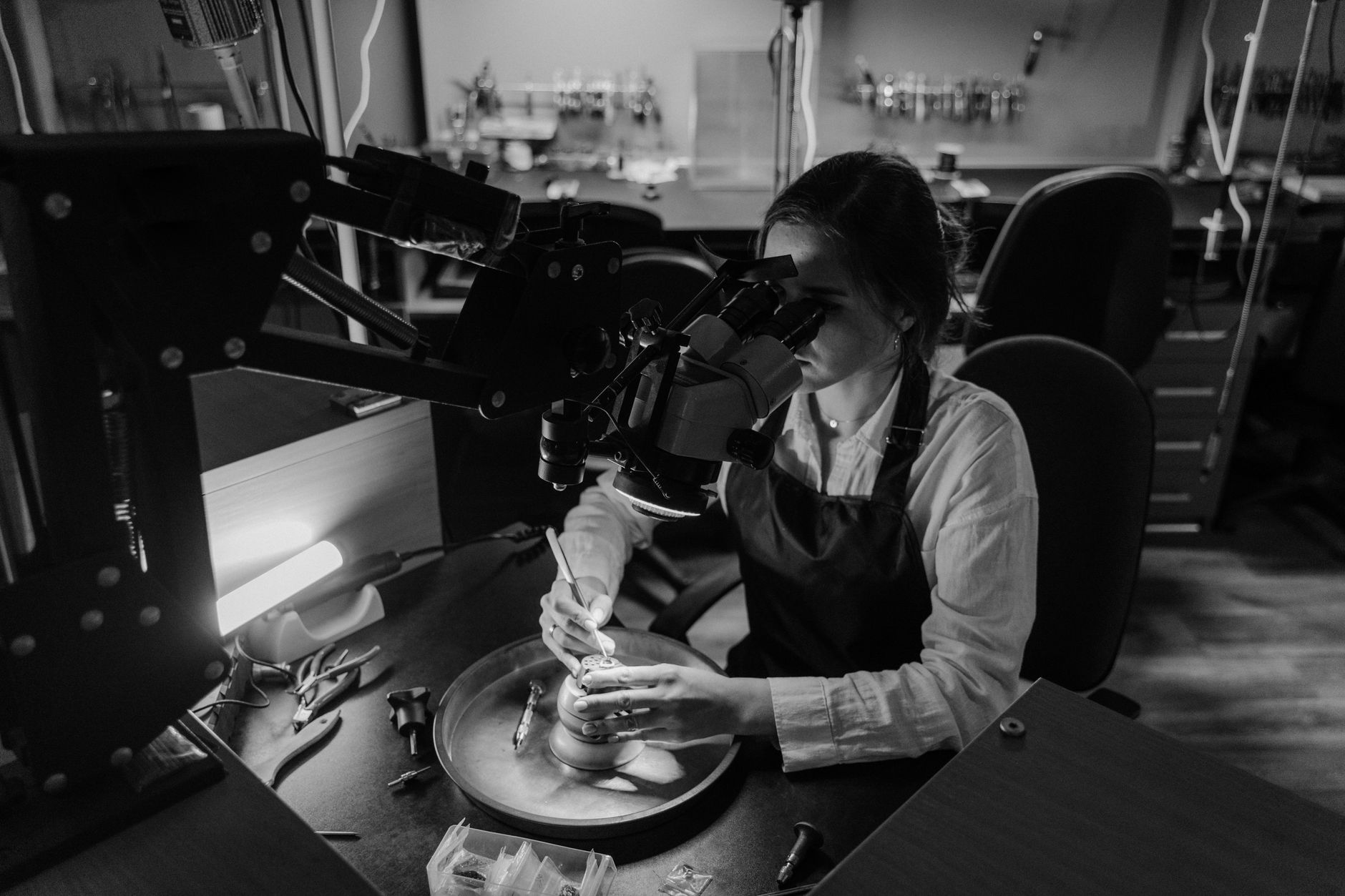
A cobot does not replace the maker's eye. It cannot judge stone setting, grade a stone, decide that a surface needs another pass, or correct a casting that came out wrong. Those decisions stay with the skilled person beside the cell.
It also cannot fix a crowded bench or a workflow with no fixed order. A cell runs best on repeatable steps, so a shop with heavy one-off custom work will free fewer hours than a shop with steady repeat production.
The robot does not remove the need for inspection, cell cleaning or staff judgment about when to stop a run. Plan those hours into the shift, and the hours you measure will match what the cell really does.
Frequently asked questions
Want a cobot at your jewelry manufacturing shop?
Tell us about your site. We will recommend the robot, quote the lease, and keep it serviced.
Sources
- U.S. Bureau of Labor Statistics, Occupational Outlook Handbook: Jewelers and Precious Stone and Metal Workers
- U.S. Bureau of Labor Statistics, Occupational Employment and Wage Statistics, May 2022, NAICS 339910
- U.S. Census Bureau, 2002 Economic Census, archived page for NAICS 339911
- Business Insurance, summary of Bureau of Labor Statistics 2024 injury data
- Robotics 247, A3 North American robot orders for 2025
- The Robot Report, North American robot orders rise in 2025