

The short answer
Cobot cost for optical labs depends mostly on how many edgers and coaters the arm must serve, how many lens families and job types it handles, and how much fixture, integration and safety work the cell needs. The arm is only one part of the total, so a lease quote is built after a site assessment that maps the lab rather than from a catalog figure. For small-batch prescription work, changeover frequency usually moves the number more than cycle speed does.
Key takeaways
- The arm is one part of the total, so cell design and integration decide most of the quote.
- In small-batch labs, changeovers between lens families move the cost more than cycle speed.
- Machine count, job variety, floor layout and shift pattern are what the site assessment measures first.
- Fixtures, programming, insurance, training and service are the hidden costs to name in writing.
- A lease through financing gives a fixed payment in the quote, prepared after a free site assessment.
What drives cobot cost for optical labs?
Cobot cost for optical labs is set less by the arm itself than by the cell built around it. A compact collaborative arm that loads lens blanks into an edger or a coater is one component of the bill. The rest comes from the fixtures that hold each blank in a known position, the controller and safety setup, the programming for each job family, and the staff time spent running the cell alongside people at the bench.
Small-batch prescription work changes the picture. A lab that runs many short jobs, each with its own blank, coating or edge profile, pays for changeovers more than for raw cycle speed. That is why a lease quote starts with the lab's job families and machines, not with the arm model.
Adoption helps labs compare options. According to the International Federation of Robotics, cobot installations reached 66,000 units in 2025, which is 11 percent of all industrial robot installations. That figure covers all industries, so it shows the tools are established. It does not show what one lab should expect to pay for its own cell.
Which factors move the cost most at an optical lab?
Five factors do most of the work. The first is the number of machines served, meaning how many edgers and coaters the arm must reach and how many stations each one needs. The second is job variety, which sets how many fixtures, programs and changeover steps the cell carries. The third is floor layout, including how much clear space exists beside each machine. The fourth is the shift pattern. The fifth is how deeply the cell must connect to equipment already on the floor.
The factors interact. Two edgers that run one lens family on one shift need far less programming than two edgers handling many families across several shifts. A coater rack station that needs a custom holder adds engineering time before the first lens moves. The quote reflects the combined effect, which is why a site assessment tells you more than any headline figure.
How do floor area, layout and traffic change the number?
Optical labs are compact. Edger rooms and coating areas often have narrow aisles, fixed ventilation and shared benches that staff walk past all day. The cell needs reach to the machine door, a tray staging point and a clear zone for people. Where that zone is tight, the design may need guarding, a changed mounting arrangement or a shift in where trays are staged, and each of those adds design and install time.
Traffic matters for both safety and throughput. Technicians, delivery carts and quality staff move through the same space, and an arm that works beside them needs a risk assessment for that exact layout. A cell placed on a busy aisle may need more guarding than one set in a back corner. The quote should state which option the site review recommends and why.

How do shifts, batch size and changeovers change it?
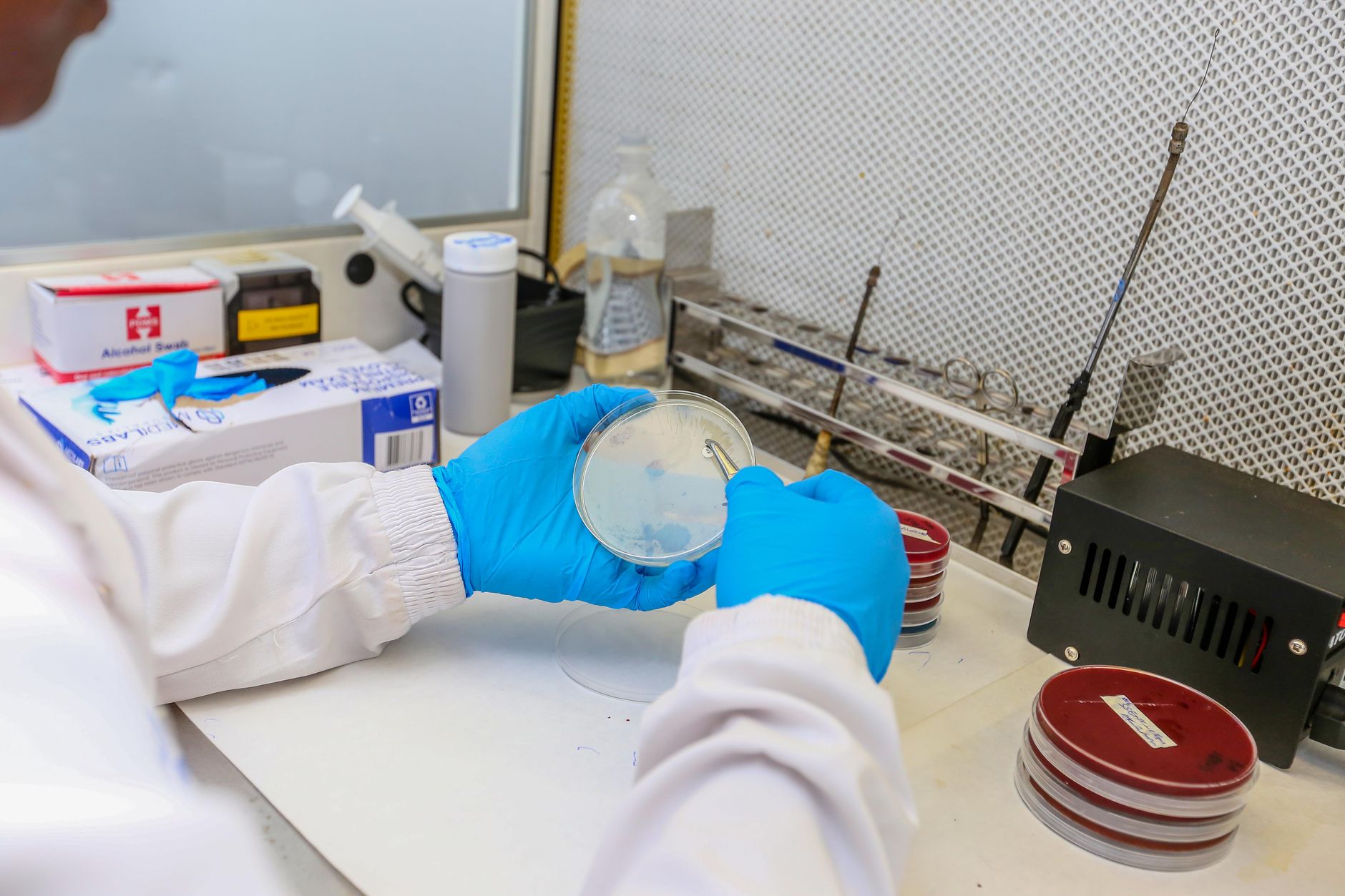
Batch size sets how often the cell changes over. A lab that runs long lots of one blank and one coating has few changeovers, and the cell can run for long stretches on a single program. A prescription lab with many short jobs changes holders and programs throughout the day, which means more setup time and more staff involvement at each changeover.
Shift count works in the other direction. A cell that runs an extra shift spreads setup and integration effort over more lens output, so the effort per finished lens can fall while the equipment stays the same. A cell that runs one short shift may sit idle for part of the day. The site assessment should record the real shift pattern and the real changeover count, because quotes built on guessed numbers tend to miss.
What do integration, mapping and unit count add?
Integration is the work that connects the arm to the lab. It covers the handshake with the edger or coater, the tray and holder design, the program that picks and places each blank, and the safety settings for the cell. Integration is the part that tends to be underestimated, because it is labor that does not appear on an equipment list.
Mapping matters most when a robot travels through the space, as a transport unit does. For a fixed arm, mapping becomes measuring: the site team records reach, clearances, power and tray staging points, and checks how the cell sits against existing equipment. Unit count changes the work as well. The first cell carries most of the design effort, and later cells reuse holders and programs where job families match. Each added unit still needs its own install, safety check and training, so the quote lists those separately.
How does leasing through financing work and what does the quote include?
A lease through financing lets a lab use the robot and pay for it over the lease term, instead of funding the full equipment cost at once. The quote states a fixed robot lease payment and lists what that payment covers. We do not quote a payment before the site assessment, because the number depends on the cell design, integration scope and service terms the assessment sets.
A complete quote lists the arm and controller, the tooling and fixtures, integration and safety work, deployment, staff training and service after go live. It also names the lease term, the start date and what happens at the end of the term. Ask for each item on its own line, so two quotes can be compared on the same scope and the changes are easy to see.
How many labor hours can a robot take over?
The hours a robot takes over depend on your job count, so no fixed figure appears here. Public data gives the size of the workforce, not hours per task. According to the Bureau of Labor Statistics, about 18,240 ophthalmic laboratory technicians were employed in May 2023. Opticians, a related occupation, numbered 79,900 jobs, with projected growth of 3 percent from 2024 to 2034, which the Occupational Outlook Handbook describes as about as fast as average for all occupations.
Turnover for lab technicians was not available from the sources behind this page, so measure staffing risk from your own separation records. The useful measure for a cell is hands-on time at each edger and coater per shift, timed across a normal week with real queues rather than a general estimate.
The Bureau of Labor Statistics also reports a total recordable case rate of 2.3 per 100 full-time workers for private industry in 2024, across all industries. The rate is not specific to optical labs, but it is one reason repetitive handling gets reviewed for ergonomic risk before a cell is designed.
What can a cobot not do in an optical lab?
A cobot handles repeatable motion. It does not judge optics. Inspecting coatings, checking a finished lens against a prescription and deciding whether a surface defect is acceptable remain human tasks, unless a separate inspection system is added and validated. Be cautious with any vendor who says the arm replaces the final check.
It also does not solve every handling problem. Blanks that vary in shape, or holders not designed for a lens family, slow the cell or stop it. The arm cannot clear a jam on its own, cannot decide when a fixture has drifted out of spec, and cannot travel between floors to fetch work. Anything outside its reach stays with staff.
A cell also needs a trained person on each shift, even if that person is not at the bench. Someone has to start the program, approve changeovers and call service when a fault repeats. The arm cuts handling time, but it does not remove the need for skilled technicians.
How do I get a quote after a free site assessment?
Start with the free site assessment. We measure the lab, record each machine and job family, note the shift pattern and traffic, and check where the arm can reach and where power and clearance exist. We then pick the robot that fits the site, rather than fitting the site to a robot. The quote follows the assessment, so it reflects what we found, including any layout change the cell needs.
When the quote arrives, compare the cobot cost for optical labs against the hidden costs above. Confirm that deployment, training and service are named, that the lease term and payment are fixed in writing, and that each machine appears in the scope. If the scope changes after the assessment, the quote should say so and show the effect. The steps below show what follows once you ask for an assessment, and they hold whether you run one station or several.
Frequently asked questions
Want a cobot at your optical lab?
Tell us about your site. We will recommend the robot, quote the lease, and keep it serviced.