
The short answer
Delivery robot cost for hospital campuses depends on how far and how often each unit runs, how many floors and elevators sit on its routes, how much mapping and integration those routes need, and how many units and spares cover the shifts. We set the lease quote after a free site assessment, so the number reflects your real routes and run counts rather than a generic figure. The staff time returned on corridor runs is the value to weigh against that quote.
Key takeaways
- Route length, elevator use and run frequency move the quote more than building size alone.
- National RN turnover reached 17.6% in calendar 2025, so transport runs fall on staff who are already stretched.
- The one published staff-hour figure we found is operator-reported and not an independent audit.
- Mapping, integration, training and service response are real costs and belong in the written quote.
- A free site assessment turns a general question into a lease quote you can check against your own runs.
What does delivery robot cost for hospital campuses depend on?
Delivery robot cost for hospital campuses is not one number that carries from site to site. It moves with the work the robot is asked to do: how many runs it makes in a shift, how long each route is, how many floors and elevators it crosses, and how many buildings it has to link. Two campuses with the same number of beds can need very unequal fleets, because one may be a cluster of low buildings joined by long walkways and the other a single tower with short runs.
The lease quote follows those inputs. A site assessment converts them into a route plan, a unit count, a spare plan, an integration scope for doors and elevators, and a service response level. Only then do we set the fixed payment over the lease term, so the figure rests on your routes rather than on an average from other sites.
Put simply, five things decide the number: route length and frequency, vertical moves, mapping and integration, unit count and coverage, and how fast a unit must return to service after a fault. Each one can be measured before anyone signs, and the rest of this page explains how.
How many hospitals and staff does this work touch?
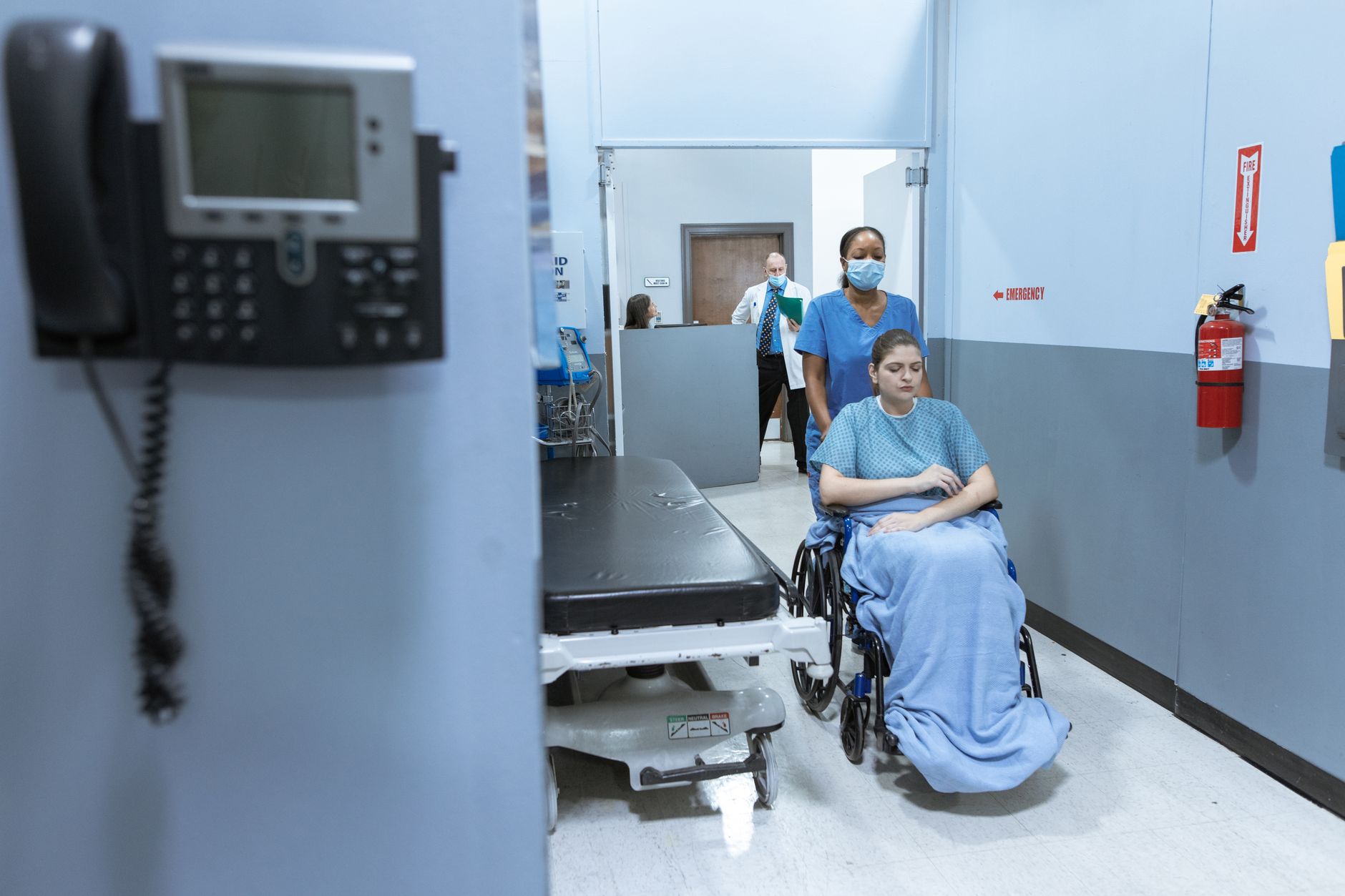
According to the American Hospital Association Fast Facts page, 6,120 U.S. hospitals appear in its 2024 edition. That is the pool of sites where long corridor runs by nurses and aides are common, although campus layout varies widely across it, and a count of sites says little about any one campus.
The workforce doing these runs is large. According to the Bureau of Labor Statistics Occupational Outlook Handbook, there were 3,391,000 registered nurse jobs in 2024, and hospitals were the largest employer of registered nurses, at 59%.
Turnover shapes who walks the corridors. According to a hospital trade publication reporting the annual national health care retention report, national RN turnover reached 17.6% in calendar 2025, up from 16.4% in 2024, and 33.1% of hospitals reported an RN vacancy rate of 10% or higher. When positions stay open, runs fall to the staff still on the floor.
Environmental services shows the same pressure. According to a Missouri news outlet, statewide environmental services turnover in Missouri reached 42.5% in 2025. Staffing gaps in these departments are one reason transport work draws attention at hospitals.
What moves the number at a hospital campus?
Route length and run frequency matter most. A short run between two adjacent wings is a separate job from a run that crosses a skybridge, takes two elevators and returns to a lab counter. The number of runs per shift, and whether they bunch at a few peak times, sets how many units are needed to keep up.
Vertical movement adds cost. Routes that use elevators need integration with the lifts, scheduling around peak elevator demand, and a clear rule for what happens when a car is held. Each added floor also adds mapping and testing during deployment, so a multi-floor route costs more than its length suggests.
Surfaces and traffic shape reliability. Thresholds, doors that do not open automatically, ramps, uneven floors in older wings, and carts parked in corridors all slow a unit or force a reroute. Morning rounds and shift change bring the heaviest traffic, so a route that works at night may not work at the busiest hour, which is why some trial staff reported cramped halls during the rush.
Unit count and coverage set the rest. One unit covers one route and a fleet covers several, but a single failure should not leave a line of runs waiting. The quote should show how many units run, how many are spares, and how quickly a failed unit is replaced or serviced on site.
Where do the staff hours go on long corridor runs?
The research behind this page does not include a verified hour total for a typical hospital campus, and we will not estimate one here. The clearest published figure comes from a community hospital in Virginia, which reports that two hospital delivery robots moving medications, linens, food and lab specimens between floors have returned about 600 staff hours since February, according to a hospital trade publication. That figure is operator-reported, not an independent audit.
A German study shows the scale of nurse-performed transport. According to a January 2024 peer-reviewed article in Nursing Reports, researchers logged 1,830 nurse-performed transports over seven days in two rural clinics, in order to estimate transport needs and robot feasibility. The study describes the workload rather than the result of a robot deployment, but it is the kind of log a site can build before any quote.
Injury data show why the walking matters too. According to the Bureau of Labor Statistics, nursing assistants had 27,590 nonfatal cases with days away from work in 2019, a rate of 283.5 per 10,000 full-time equivalent workers. BLS chart data for 2019 also show 15,050 cases from patient handling and 4,710 from floors, walkways and ground surfaces, so movement through the building is part of the workload, not an afterthought.
How does the work change when a robot joins the team?
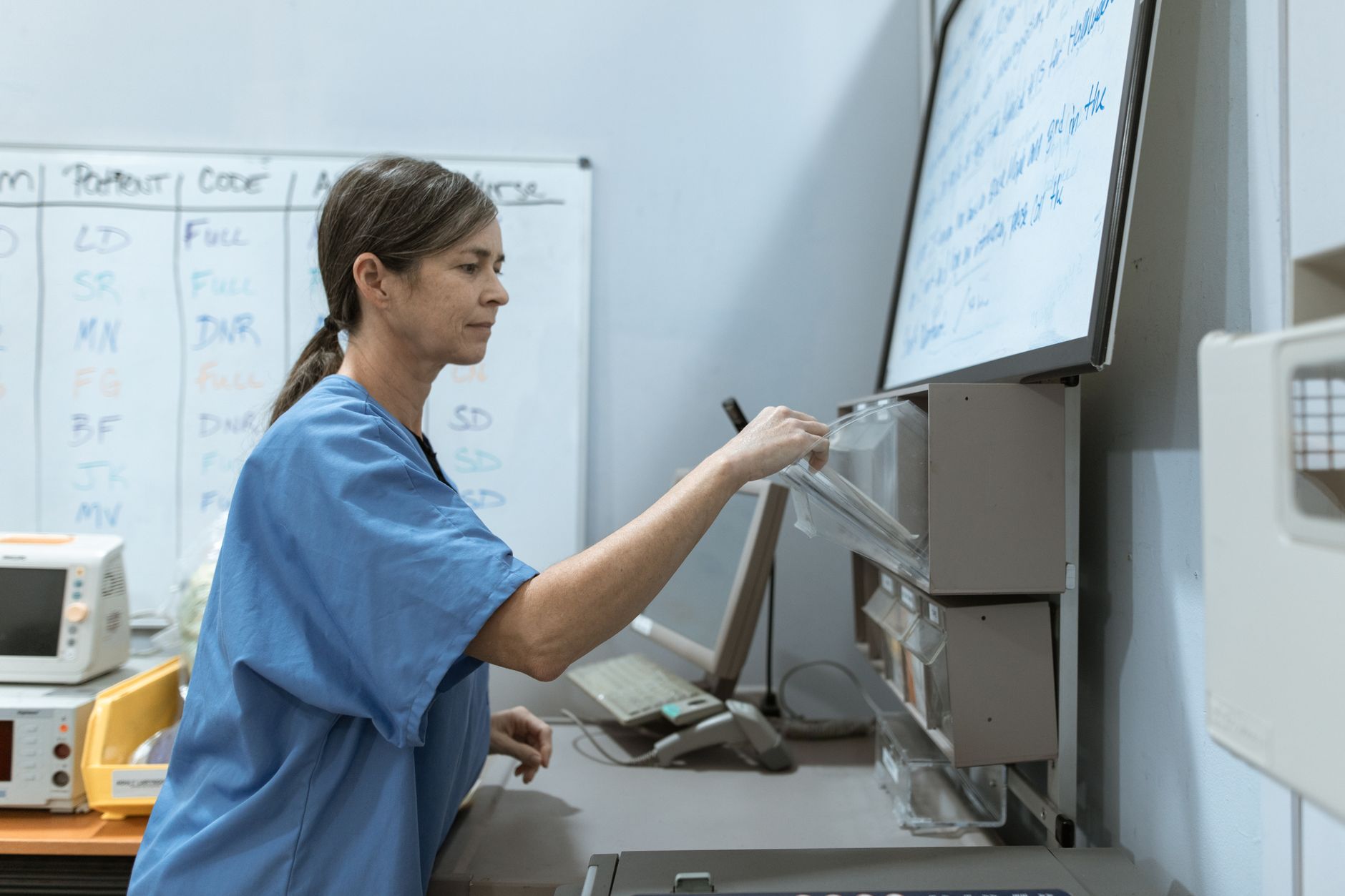
Today a run is a chain of small interruptions. A nurse or aide stops charting, gathers the items, walks to the elevator, waits, rides, walks again and returns with the same items plus whatever came up on the way.
With a robot, staff load it, confirm the destination and go back to bedside work. The robot takes the walking and the waiting, while staff still receive, check and hand off the items and keep every clinical decision.
The gain depends on how much of each run is walking rather than handling. In Texas hospital trials of the same class of robot, a majority of surveyed nurses said it gave them more time with discharging patients and saved energy, according to the trade publication. Some nurses reported trouble in cramped halls during the morning rush, so a trial should run at the busiest hour, not the quietest one.
What can a delivery robot not do on a hospital campus?
It cannot handle patients, lift a patient or replace clinical judgment about which item goes where and when. Anything that needs a person to lift, assess, decide or sign stays with staff, and the robot changes the walking around that work rather than the work itself.
It is not a fit for every route. Doors without automation, stairs, uneven thresholds and corridors regularly blocked by carts or equipment can stop a unit. Those routes need a physical fix or a different workflow before a unit is assigned to them, and the site assessment is where that gets found.
It does not run itself. A unit needs mapped routes, a person to load it, a charging plan and a reporting path when it stops. A site that expects no attention will be disappointed, because the robot moves the attention to planning and loading rather than removing it.
How does leasing through financing work, and what does the quote include?
We lease the robot through financing, so the hospital does not have to fund the equipment up front. The payment is a fixed payment over the lease term, set in a written quote after a site assessment, and it is the figure your finance and sign-off people compare against the staff hours they measured.
The quote covers more than the machine. We pick the right robot for the site, lease it through financing, deploy and integrate it, train the staff and service it nationwide. The quote names the unit count and spares, the route scope, elevator and door integration, training, go live support, maintenance and the service response level.
Ask the same questions of any quote. Is maintenance included in the fixed payment or listed separately? Is insurance and liability coverage stated in writing? What is the response time for a failed unit, and is a spare unit available on site? A quote that answers these plainly is far easier to compare than one that only shows a headline figure.
How do you get a quote after a free site assessment?
The starting point is a free site assessment. We walk the routes you actually run, record runs by time of day with the people who do them, note elevators, doors, thresholds, cleaning space and charging space, and measure each route.
From that we map the routes, size the fleet, plan spare coverage and scope the integration. A pilot with one leased unit on the busiest route is often the lowest-risk way to test the numbers before adding units or buildings.
The written quote follows. It shows the fixed payment over the lease term and the scope it covers, so the sign-off person can check it against measured staff time rather than a generic figure. We service units nationwide, and the quote states the response level a site can expect.
Frequently asked questions
Want a delivery robot at your hospital campus?
Tell us about your site. We will recommend the robot, quote the lease, and keep it serviced.
Sources
- American Hospital Association Fast Facts on U.S. Hospitals
- Bureau of Labor Statistics, Occupational Outlook Handbook: Registered Nurses
- Hospital trade publication on the national health care retention report
- Missouri news outlet on hospital workforce turnover
- Bureau of Labor Statistics, Nursing assistants injuries and illnesses 2015 to 2019
- Bureau of Labor Statistics, Nursing assistants chart data
- Hospital trade publication on hospital delivery robots
- Peer-reviewed article on nurse-performed transports, Nursing Reports