
The short answer
Drone cost for grain elevators depends on how much structure the survey covers, how safely a pilot can fly close to it, how often the survey repeats, and what mapping, data handling and service come with it. Most of that work happens outside the bins, so the price reflects flight planning and site access more than storage capacity alone. A lease quote is set after a free site assessment that measures these factors at your facility.
Key takeaways
- Cost follows the structures in scope, how tall they stand and how hard they are to fly around.
- An outside survey removes some entry steps, but interior work still falls under the grain handling standard.
- Mapping, data handling, insurance and pilot training are the items most often missed.
- No complete national count of U.S. grain elevators exists, so the scope has to come from a site visit.
- The lease quote follows a free site assessment and lists deployment, training and service.
What does drone cost for grain elevators depend on?
Drone cost for grain elevators comes down to three things: scope, access and service. Scope is the set of structures to survey, such as bin tops, roof hatches, ladders, catwalks and conveyor gantries. Access is how safely a pilot can fly close to those structures, given clearances, power lines and nearby traffic.
Service and data handling come next. A survey that produces mapped imagery and a findings record takes more planning than a flight that only records video, because someone has to set the route, process the images and compare them with the last survey. Those steps belong in the cost even though they happen away from the elevator.
Storage capacity matters less than layout. Two facilities of similar capacity can need widely varying survey work depending on how many bins they have, how tall they stand and how much conveyor runs between them. When you compare quotes, match the scope first, or the comparison will not mean much.
Why are grain elevator inspections a confined-space problem?
Many inspection tasks at a grain elevator require entry into a bin, pit or silo, and that entry is a confined-space hazard. A safety guide that summarizes the OSHA grain handling standard says entry into a bin or silo requires a permit unless the employer or a representative is present throughout the operation, and an outside observer with communication is required. That guide is a secondary summary, so confirm the text against the rule itself before you rely on it.
The standard also requires atmospheric testing before entry and during the work, along with rescue equipment suited to the specific bin or silo. Each step adds time before anyone climbs. A drone survey does not remove these rules, but it can reduce how often crews need to enter for the outside work.
The rules do not reach every operation equally. According to a 2013 Farm Progress article, more than 60 percent of grain bin engulfment cases occur at farms that OSHA does not regulate. Smaller operations therefore carry risk that a permit system alone does not manage, so cutting unnecessary entry matters everywhere.
How many grain elevators are there, and what do the injury numbers show?
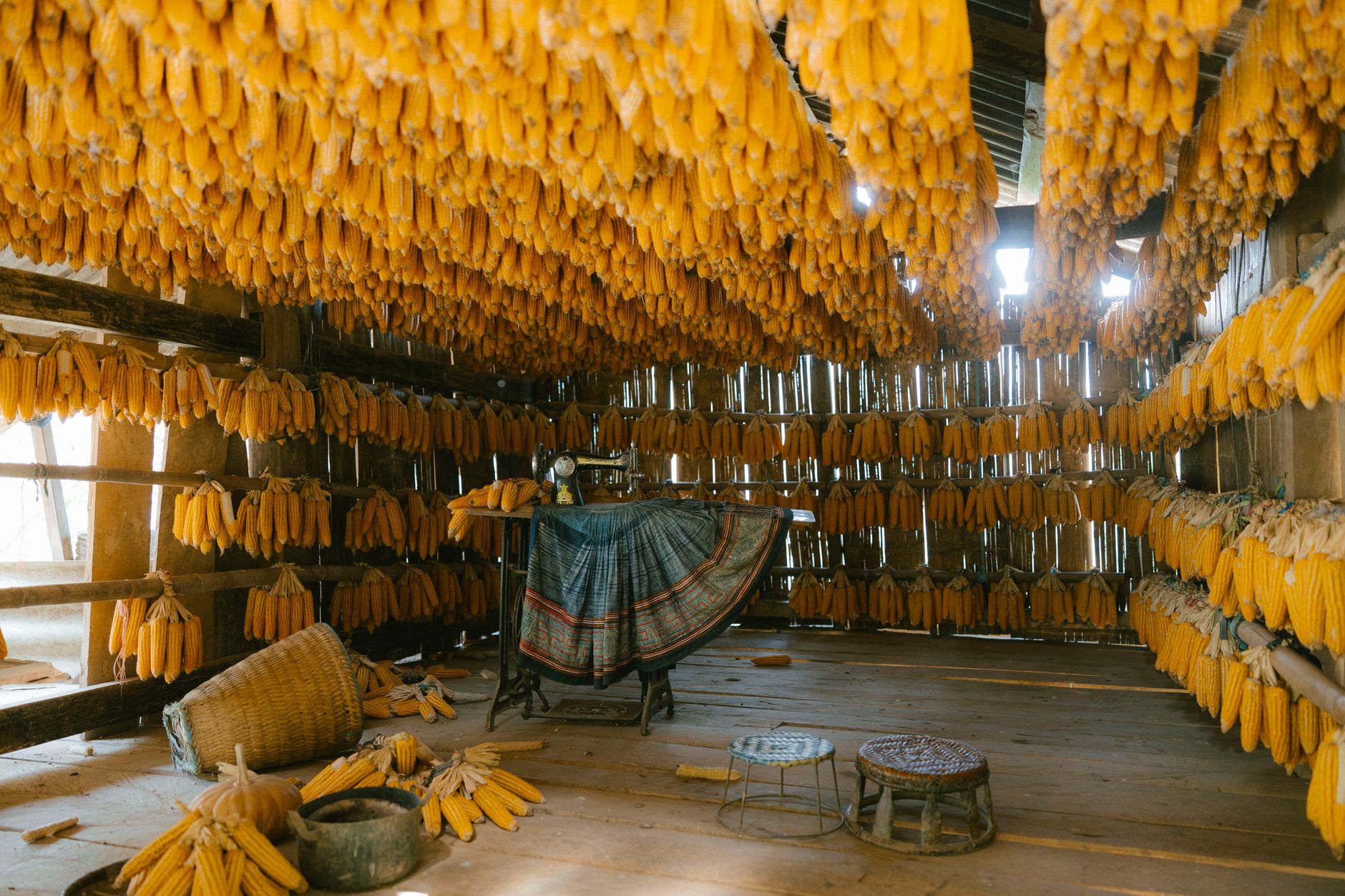
No complete national list of U.S. grain elevators has ever been made, according to an agricultural economics paper on the number of physical grain elevators. A Statista chart cites 960 U.S. grain elevators in September 2014, attributed to a private data firm rather than USDA, so treat it as a dated industry count and not an official total.
Injury data are clearer. Purdue University's database covers 2,429 agricultural confined-space cases from 1962 through 2024, not only grain work. Its 2024 report counted 51 cases, 22 of them fatal, with 34 of those cases grain entrapments. Other summaries of the same year report conflicting totals, so check the year and definition behind any figure you cite.
Yearly counts move a lot. According to GrainNet, Purdue's 2022 count of 42 grain entrapments was up 45 percent from 2021. World Grain, reporting Purdue-based data, counted 21 grain-related entrapments in 2025, six of them fatal. One year does not settle the risk, so use several years when you judge exposure.
Which parts of a grain elevator can a drone inspect from outside?
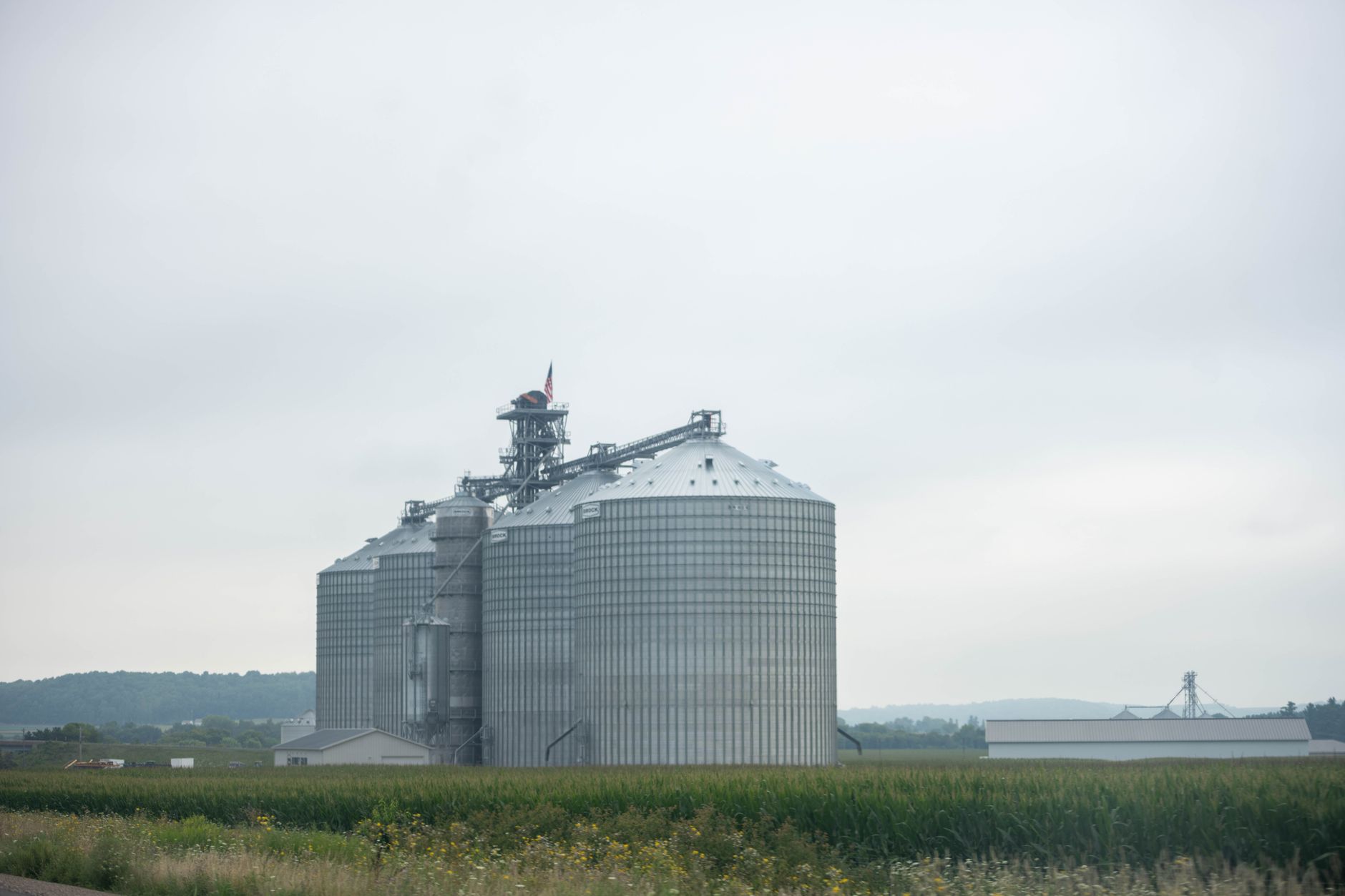
Exterior work covers bin tops and roof hatches, the ladders that reach them, catwalks and walkways between structures, and conveyor gantries that run between the bins and the headhouse. The upper steel is where an outside survey earns its place, because it is hard to see from the ground. A pilot can photograph or scan these surfaces without anyone entering the structure.
Purdue Extension has described using UAV tools to examine aging grain facilities structurally, which is the outside survey work most people have in mind. The value is repeat coverage of hard-to-reach steel and a record you can compare from one survey to the next.
What it does not reach is the inside of a bin, the grain surface below any crust, or the space under a sealed roof. Those areas still call for entry under the rules, so a drone survey narrows entry work rather than removing it.
What moves drone cost for grain elevators up or down?
The largest single factor is the structure in scope: how many bins, how tall they are, and how much conveyor and gantry steel the survey must cover. A site with a few tall structures and short conveyor runs takes less planning than a site with many bins packed close together.
Access and airspace come next. Clearances around power lines, conveyor crossings and truck lanes shape the flight plan, and a site near an airport may need airspace checks before any flight. Dust and harvest-season traffic can also narrow the days when flights are practical.
Survey frequency, mapping and data handling, the number of aircraft and pilots, and service all add to the total. A yearly survey and a survey each season are separate jobs, and they should be quoted that way so the comparison is fair. A quote that includes mapping should also state the output format, so later surveys can be compared without starting over.
How does leasing a drone through financing work?
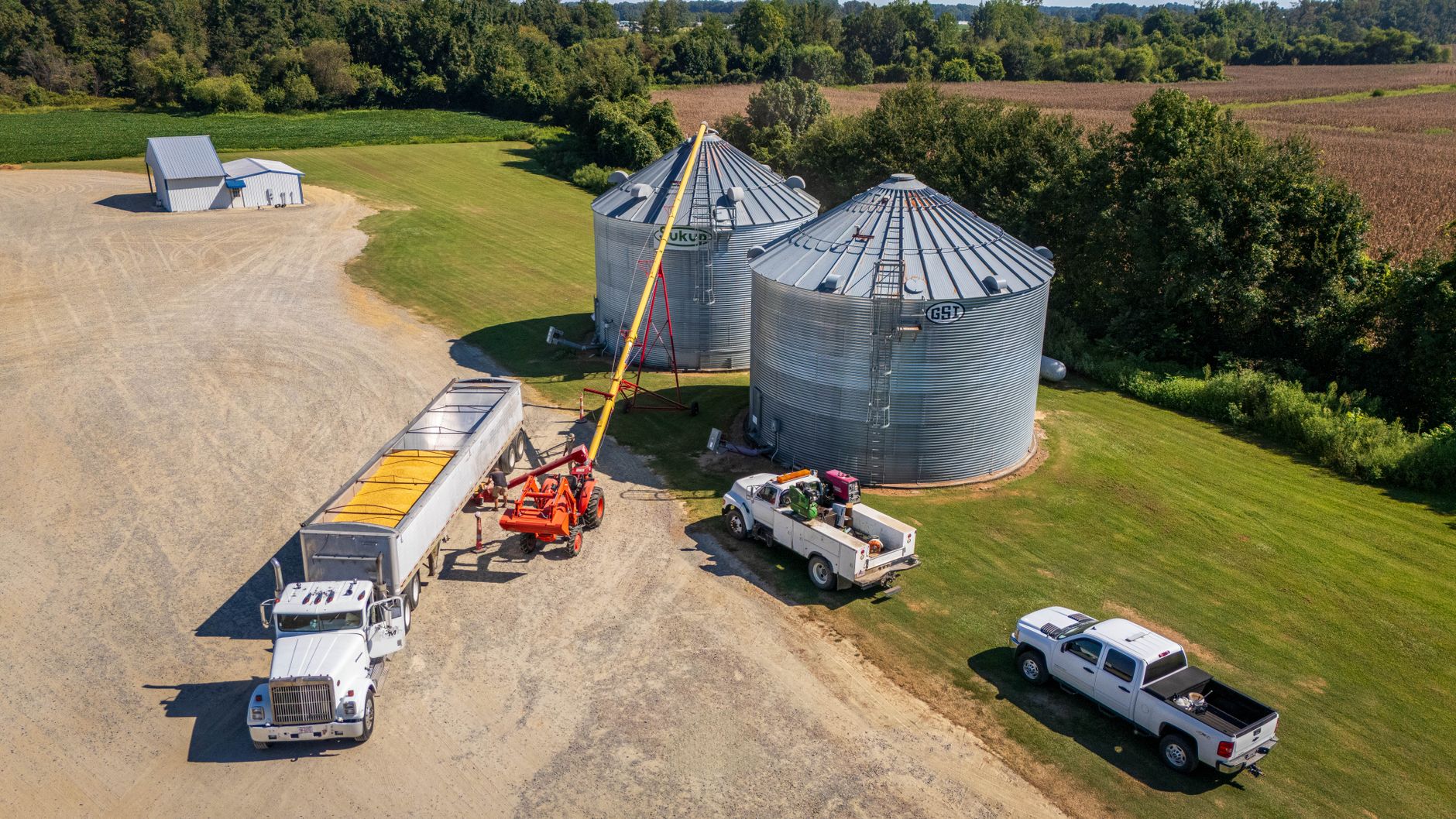
Leasing through financing means the aircraft stays under lease, and you make a fixed lease payment over the term instead of one large payment up front. The payment is set in a quote after a free site assessment, because the scope decides the setup and the service needed.
A complete quote states the lease term, the fixed payment, the deployment and training scope, the service plan and the insurance lines. If one of those is missing, ask before comparing, because a lower payment can hide a smaller service scope.
We choose the platform after the assessment, based on the structures, access and data the survey needs. Spare batteries, sensor options and spare unit coverage belong in that conversation, because a grounded aircraft during harvest is the costly case.
How many labor hours does a drone inspection take over?
The honest answer depends on bin count and crew size. We did not verify hour figures for grain elevator crews for this page, so the table below shows which steps change rather than quoting hours. The site assessment times each step at your facility.
Today, an inspection that requires entry means planning the permit, testing the air, placing an observer outside and having people enter the structure. Each step is labor, and the whole sequence runs even for surfaces that could have been seen from outside.
With a drone, the outside survey runs on a trained pilot and a flight plan. Staff still handle permits and testing for any interior work that remains. The change lands mainly in the entry steps, because the exterior survey does not need them.
What can a drone not do at a grain elevator?
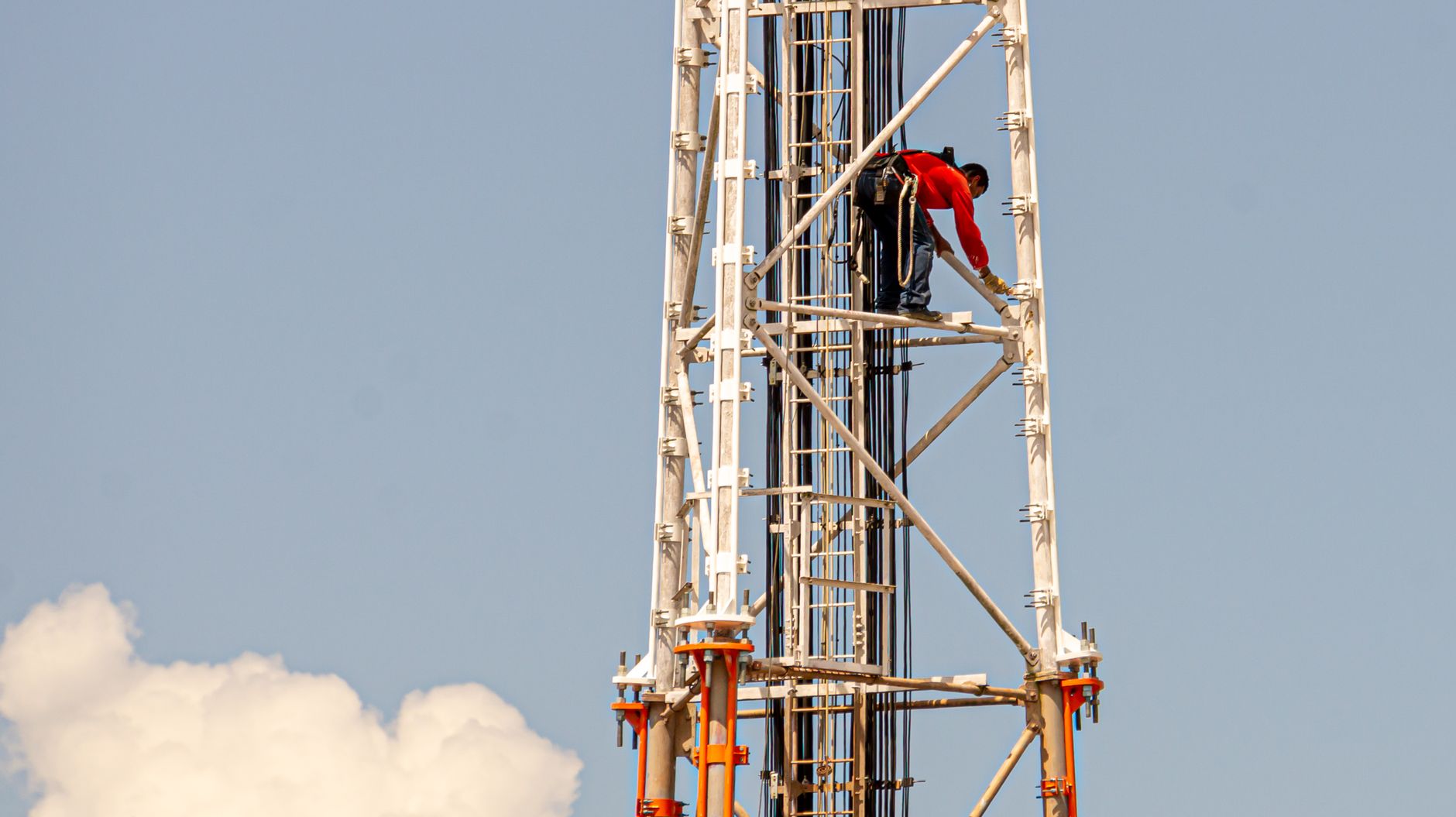
A drone cannot see inside a sealed bin, cannot read the grain surface beneath a crust, and cannot replace a required entry. Interior checks are a separate program with their own entry rules, testing and staffing. Dense steel and tall structures can also complicate flight planning and signal links, which the site assessment checks.
Weather and grain dust limit flying. Wind, rain and dust in the air can make flights unsafe or cloud lenses and sensors, so the schedule has to fit the weather and the calendar. Harvest season, when trucks and grain move constantly, is a planning constraint, not an open window.
Results are only as useful as their comparison. A single survey shows the condition of the structure on that day, while a baseline and repeat surveys show change. A drone also does not decide whether a repair is needed, and that judgment stays with your engineers or maintenance staff.
How do you get a quote after a free site assessment?
Start with the site assessment, which is free. We visit the facility, document the bins, roofs, ladders, catwalks and gantries, note clearances and airspace limits, and agree on what the survey needs to record.
The quote follows the assessment and sets the fixed lease payment for the scope you choose. Ask for one written quote that covers the aircraft, deployment, staff training and service, so you can compare it with other proposals on the same basis.
A first survey on one or two structures is a sensible way to test the process before committing to the full site. The assessment will say which structures are worth starting with, and how long the walk-through takes for your layout.
Frequently asked questions
Want a drone at your grain elevator?
Tell us about your site. We will recommend the robot, quote the lease, and keep it serviced.
Sources
- Statista
- AgEcon Search, agricultural economics paper on the number of physical grain elevators
- Purdue University agricultural confined-space database
- World Grain, US ag confined space safety incidents decline in 2025
- GrainNet, Purdue University reports 42 grain entrapments in 2022
- Farm Progress, OSHA regs don't apply to majority of grain bin accidents
- Safety Regulatory, grain handling safety OSHA guide
- Purdue Extension, examining an aging grain facility with UAV tools