
The short answer
Drone cost for ski resorts depends on the route the aircraft must fly, not on a catalog figure. The quote rises with lift tower and cable counts, terrain acreage, cold weather flying, flight rules, the number of aircraft and pilots, mapping and integration, and the service plan. Each lease quote is set after a free site assessment.
Key takeaways
- Drone cost for ski resorts follows route length, tower count and the operating window, not a fixed figure.
- Cold batteries shorten flights, so plan spare packs and shorter legs for the coldest days.
- Flight rules, including the Part 108 proposal, decide who may fly and how many pilots the work needs.
- A lease quote comes after a free site assessment and lists mapping, integration, training and service.
- Replace the sample crew descriptions with your own logged hours before comparing options.
What does drone cost for ski resorts depend on?
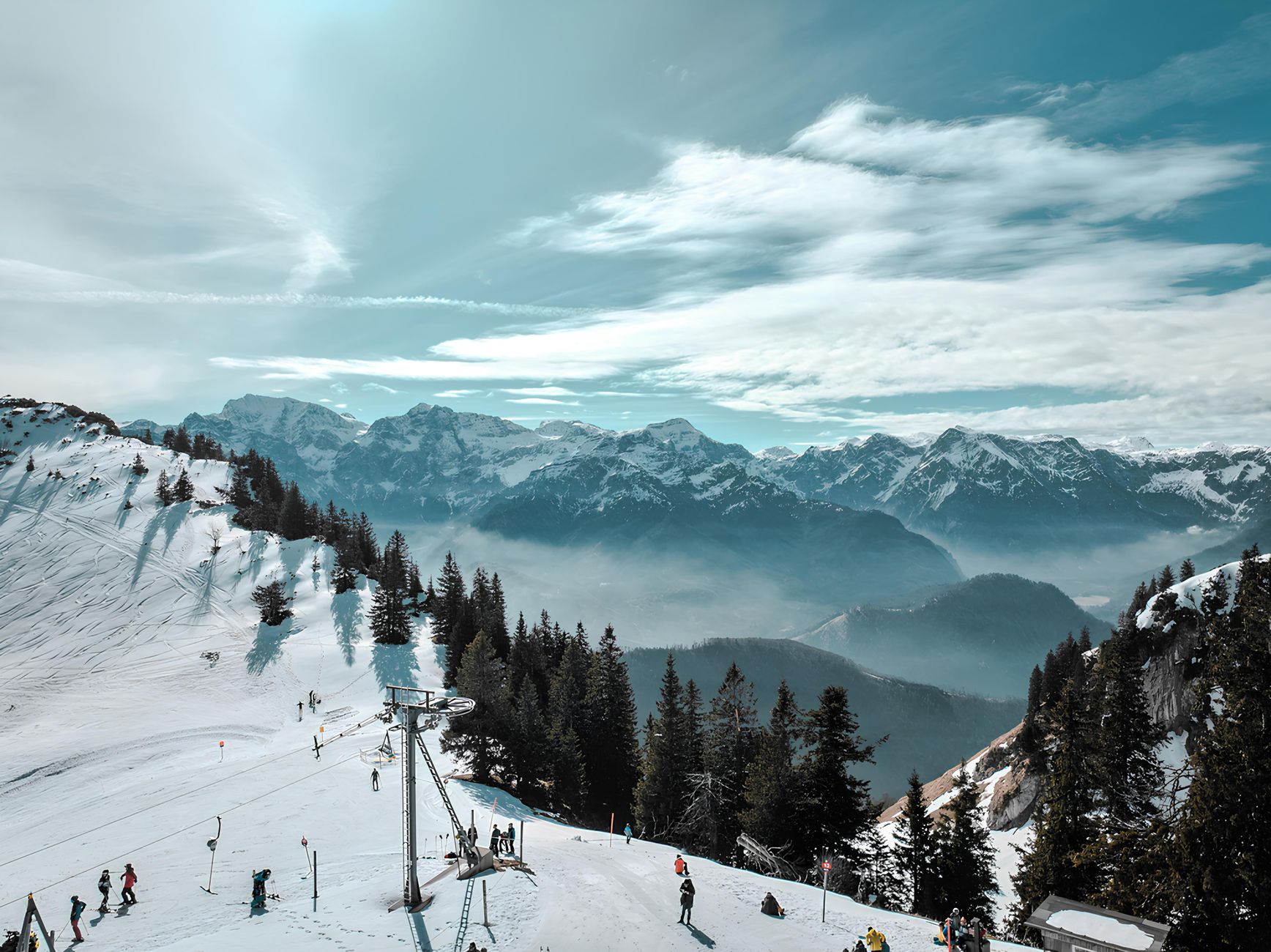
Drone cost for ski resorts depends less on the aircraft than on the route it has to fly. A resort with one lift line and a short ridge needs a much smaller plan than one with several chairlifts, long cable spans, a snowmaking network and a base area that must be recorded before each season. The lease quote follows the route, the flying days and the work around it.
The main drivers are terrain acreage, the number and height of lift towers, the length of each cable span, the length of the operating window, how cold the flights are, the flight rules that apply, how many aircraft and pilots the work needs, the mapping and software link to your records, and the service plan. None of these becomes a fixed figure until we see the site. Each one moves the quote, so compare quotes on the same routes and the same window.
Timing matters as much as size. According to preliminary NSAA data reported by Snow Industry News, U.S. ski areas recorded 61.5 million skier visits in 2024-25, up 1.7 percent year over year. Heavy traffic leaves little room for flying during open hours, so the work moves into early mornings, closed days and the off season, and that schedule decides how many aircraft the job needs.
How many ski areas and visits does this market cover?
According to SAM Magazine, citing NSAA preliminary data, operating U.S. ski areas rose from 484 in the 2023-24 base to 492 in 2024-25. The same report headlined the 2024-25 season as the second best season on record, with 61.5 million skier visits.
A count of 492 areas tells you the market is wide, but not what any one resort needs. Layouts vary: some areas run a few lifts over a compact mountain, while others run long lines across several peaks with separate base areas. That is why we treat every resort as its own site assessment and do not apply a template from another mountain.
Visit counts matter for the job too. Heavier traffic means lifts run longer hours at higher loads, and operators want dated images of towers and terminals before the busiest weekends. That pushes inspection flights toward the days before opening and the quieter weeks of the season, which in turn shapes how many aircraft and pilots the plan needs.
Which parts of a ski resort does a drone check?
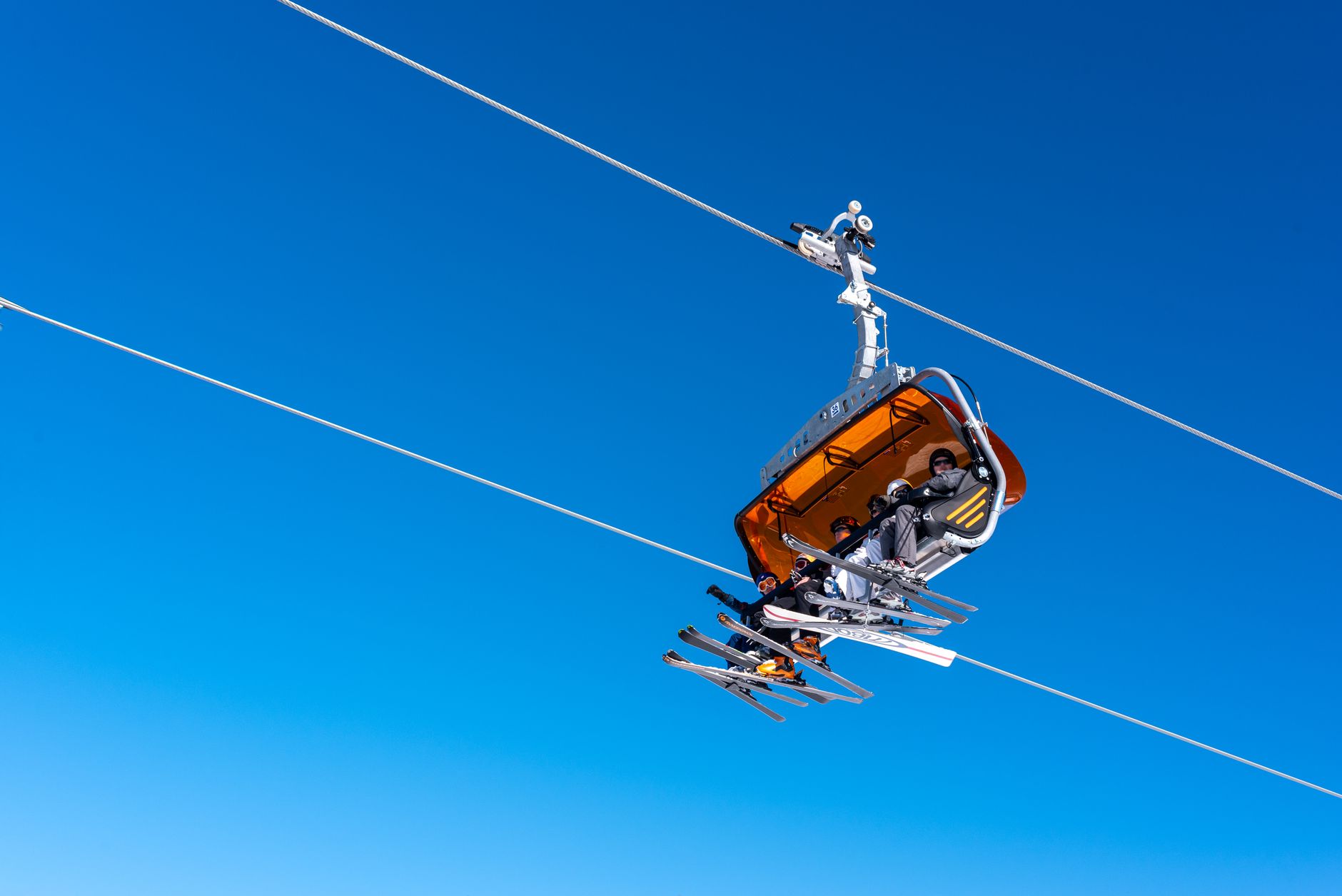
A drone on a ski resort flies set routes over the parts of the mountain that are slow or hard to reach on foot. Lift towers are the most common target. The drone photographs each tower, its sheaves and its footings from a planned altitude and bearing, so the images can be compared from one season to the next.
Cable spans come next. The drone follows each run between terminals and records line condition, clearance over the trail and any sag or debris. Base areas, terminals and parking lots are usually flown for records rather than inspection, which gives the operator dated images for planning and insurance files.
Trails and snowmaking form the third group. A drone can fly the trail network to check hazards and grooming gaps before opening, and it can check pump houses, pipe runs and pond edges where walking the route takes a crew a long time. The drone does not replace the crew on those jobs. It shows the crew where to go.
What flight rules and lift regulations change the cost?
Under Part 107, flight beyond visual line of sight is generally barred, and beyond visual line of sight operations now run through FAA waivers and exemptions. Part 107 was amended in 2021 to allow some operations over people. Each of these limits affects how many pilots a resort needs and which routes can be flown without special approval.
The FAA and TSA issued a proposed rule for low altitude beyond visual line of sight operations, known as Part 108, on August 7, 2025, with comments due October 6, 2025, according to a law firm summary republished by Mondaq. The proposal drops the remote pilot certificate requirement and adds operating certificates for larger or multi-aircraft operations. We did not confirm in this review whether the rule has been finalized, so check the FAA site before any lease decision.
The lift itself has its own rules. California Title 8 section 3167 covers operation and maintenance of fixed grip aerial lifts and references ANSI B77.1, according to the Cornell Legal Information Institute. New York Code Rule 32 guidance shows state modifications to ANSI B77 (2006), including acceptance testing and loading, according to the New York State Department of Labor. Drone images do not replace the records your state tramway regulator requires, so keep those records in their own file.
How many crew hours does a drone take off the job?
The hours depend on the number of towers, the span lengths, how many aircraft fly and how often the crew repeats a check. The published hour figures we reviewed for this page did not cover ski resort inspection tasks, so the table below describes the work rather than the hours. Replace those descriptions with the times your crew logs before comparing options.
Manual tower checks are slow because a crew must climb or drive to each structure, and the time for each stop is set by access and weather more than by the inspection itself. A drone turns that into one planned flight and a review of images at a desk. The crew still walks to the spots the drone flags, so the saving is in the survey, not in every follow up.
Our leases include training so that resort staff can launch flights, handle batteries, file the records and review images. The team handles routes and integration during deployment, so the first season does not depend on one person's knowledge.
How does leasing a drone through financing work?
We lease the aircraft through financing. The resort carries a fixed lease payment set in the quote, and the aircraft stays under lease terms rather than arriving as a large up front item. Lease terms and any end of lease options are written into the quote so you can compare them with other operating costs.
The quote is produced after a free site assessment. It lists the lease payment, mapping, integration, staff training, service coverage and any spare unit plan. Of the hidden costs listed earlier, we handle mapping, integration, training and service, and we review insurance terms with you. The quote also states what is excluded, so nothing shows up later as a surprise.
Phased deployment is common. A resort can start with one leased unit on the lift line that needs the most attention, then add units for the trail network or base area once the first season's records show where the crew time goes.
What can a drone not do at a ski resort?
A drone cannot do the hands on work a qualified inspector does at the base of a tower or on a cable. It records what the camera sees from the planned altitude, and it depends on wind, visibility and snow cover to fly at all. Plan a crew for any repair, close check or emergency.
Cold is the limit most resorts meet first. According to a drone retailer blog on cold battery flight times, a typical LiPo pack gives about 20 to 25 minutes warm (59°F and above) and about 10 to 15 minutes or less in cold. A 2026 trade article on cold weather flight time says a 20-minute battery at 20°C may deliver 10 to 15 minutes at 0°C, and it reports a study with Northumbria University, commissioned by a drone retailer, that found colder air sped discharge in flight, mostly in the first 5 minutes.
In practice that means more packs, a warm charging spot and shorter legs on the coldest days. Check the operating temperature range for the model proposed to you in its user manual, because we did not find manufacturer ranges in the sources for this page.
How do you get a quote after a free site assessment?
Start by sending the basic site facts: the number of lift towers, the length of each cable line, the trail areas you want flown, the base and lot areas, the operating window and the flight days and hours you need. Include your insurance requirements and the state tramway records you keep. We use those facts to plan the first site visit.
The free site assessment walks the resort, maps the routes, checks access and flight limits, and shows where the drone saves crew time. We then return a quote with the lease payment, mapping, integration, training and service coverage listed line by line. Compare quotes on the same routes and the same operating window, or the comparison will mislead you.
We are a vendor neutral integrator. We choose the aircraft that fits the site rather than one we happen to stock, and if the site is a poor fit for drone work, the assessment will say so.
Frequently asked questions
Want a drone at your ski resort?
Tell us about your site. We will recommend the robot, quote the lease, and keep it serviced.
Sources
- SAM Magazine, U.S. ski areas report 61.5M skier visits for 2024-25
- Snow Industry News, US ski industry reports data from 2024-25 season
- Mondaq, FAA proposes new rule to normalize beyond visual line of sight operations
- Drone retailer blog on cold battery flight times
- 2026 trade article on how much flight time cold weather costs
- Cornell Legal Information Institute, 8 CCR 3167
- New York State Department of Labor, Code Rule 32 guidance document