
The short answer
The humanoid robot cost in Bridgeport is set by the site, not by a citywide average: how much area the robot must cover, how many shifts it runs, how hard the building is to map, what systems it must connect to, and how many units keep the work covered. The value comes from the labor hours it takes over, and those hours should be timed on your own floor. The lease payment is fixed for the term and quoted only after a free site assessment.
Key takeaways
- The humanoid robot cost in Bridgeport follows the site: area, shift coverage, surfaces, mapping, integration and unit count.
- Metro population and labor counts give context, but the hours that matter are the ones timed on your own floor.
- Adoption figures cover autonomous cleaning equipment in general, not humanoid robots specifically.
- The lease payment is fixed for the term and quoted only after a free site assessment.
- Before you sign, confirm insurance, software updates, maintenance and spare-unit terms in writing.
How much does a humanoid robot cost in Bridgeport, CT?
The humanoid robot cost in Bridgeport is set by the site, not by a citywide average. Buildings in the same town can need deployments that differ widely, since one may be a single open floor and another spans several levels with freight elevators and a loading dock. We size a lease only after we see the floor, the shift pattern and the work you want taken off your staff.
Data USA, citing Census figures, reports that the Bridgeport-Stamford-Norwalk metro had 947,528 residents in 2023, down from 958,371 in 2022. A metro of that size holds many kinds of commercial buildings, but the robot decision still gets made one building at a time, with the floor plan in front of the people who sign off on it.
On the labor side, a third-party salary summary that cites BLS May 2025 data counts about 6,220 janitors and cleaners across the metro. We did not confirm that count on bls.gov, so use it to frame the conversation rather than to set a number. The most recent official BLS table we could pull is from May 2018, under an older metro definition, and it lists about 430 workers in the occupation.
What moves the cost of a humanoid robot at a Bridgeport site?
Floor area comes first. A robot that covers one office floor needs a distinct deployment from one that must cover several floors, a parking garage and a loading dock. Area sets how many units the work needs, how much mapping the first week requires and how many charging points the route needs.
Shift coverage comes second. A robot working an overnight shift in an empty building needs little interaction with staff, while a daytime run through a busy lobby needs wider safety zones and slower travel. Hours of operation also decide whether one unit can carry the work or whether you need a plan for when it is down.
Surfaces and obstacles change the setup time. Polished concrete is the simplest case. Carpet, thresholds, ramps, loose cable runs and furniture that moves each add work, and each one needs a decision in the route plan.
Winter matters locally. Salt and wet grit come in from parking lots and entries for part of the year, which often means the entry zone needs a shorter run cycle than the interior.
Mapping, integration, charging and unit count finish the picture. Mapping sets the first-week cost and must be repeated after layout changes. Integration connects the robot to doors, freight elevators and building systems. Charging needs clear access, and unit count decides whether service coverage and spare capacity belong in the lease.
Which businesses in Bridgeport run these robots, and where do they work?
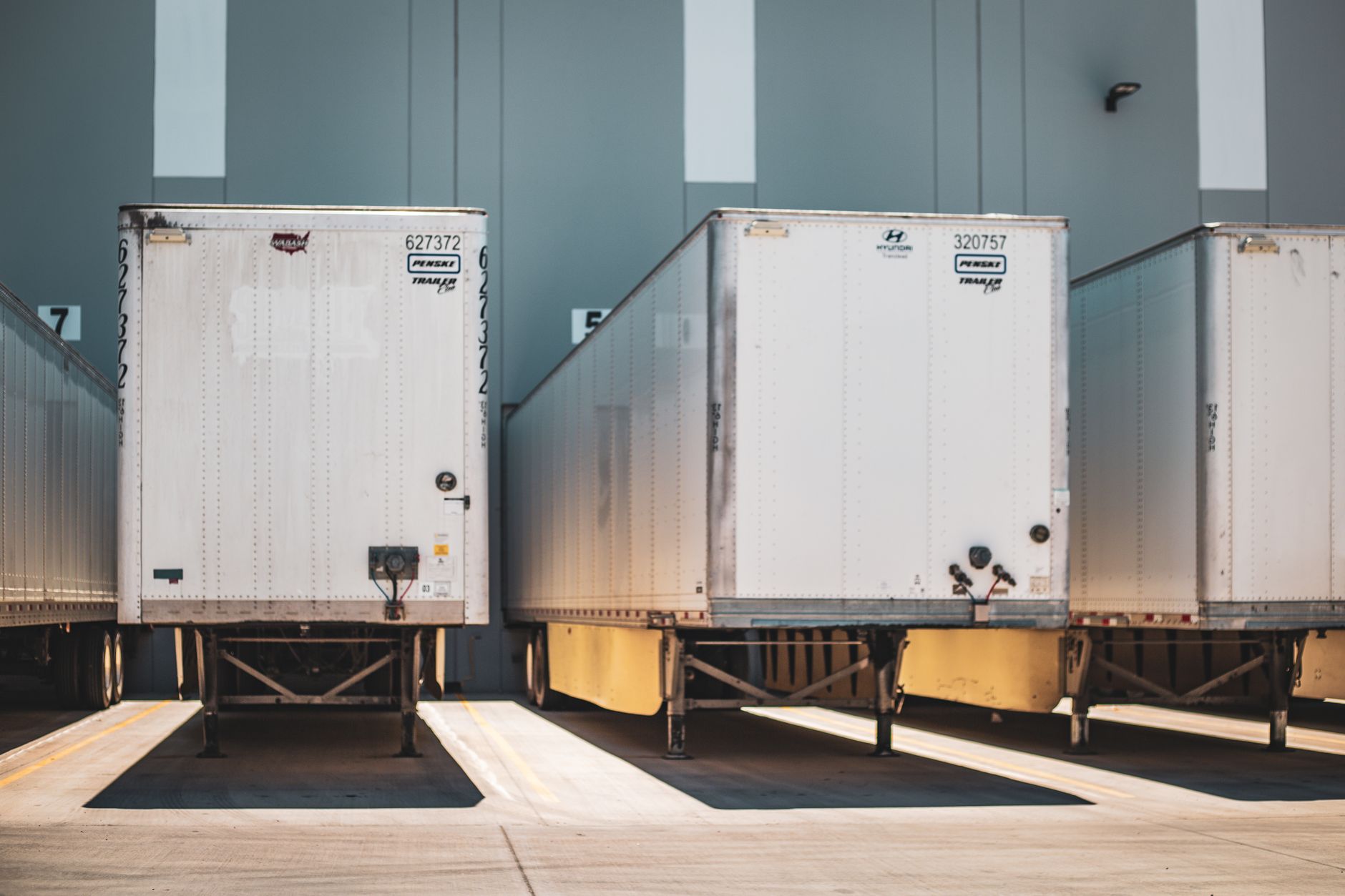
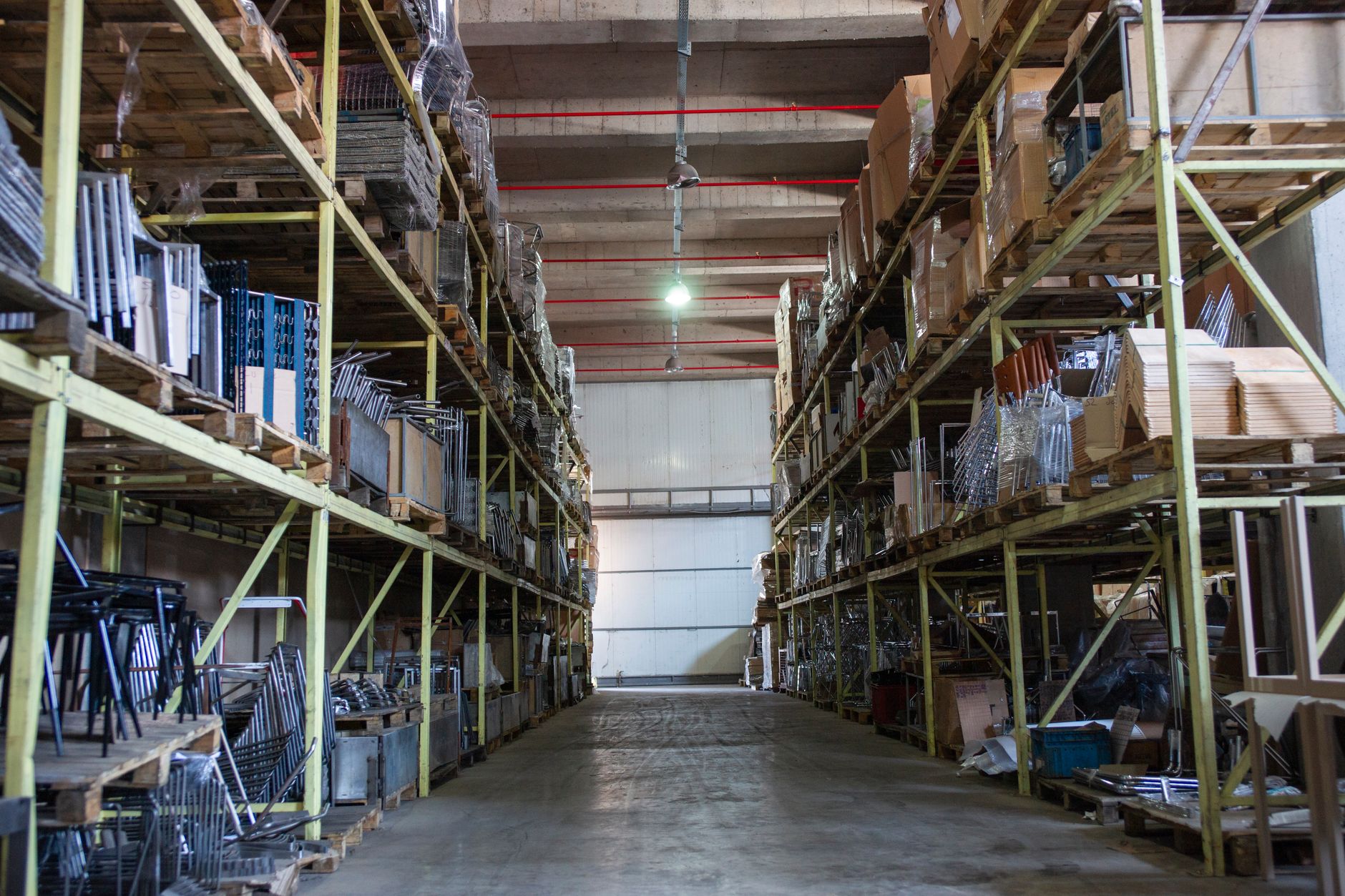
The businesses with the most to gain are usually the ones with large floors, long hours and steady foot traffic: office buildings, medical offices, schools, warehouses, retail stores, hotels and senior living communities. Each has a distinct floor plan and a distinct reason to care about labor hours, so the work list changes from site to site.
The Business Census listing for ZIP code 06601 in Bridgeport reports 9 business establishments with about 461 employees in 2024, according to Zip-Codes.com. That is a small count for a single ZIP code, and it shows how much business density varies by district. We did not find a metro-wide establishment count in this search, so we size each site from its own floor plan.
Many older Bridgeport buildings mix old and new parts. Older entries, thresholds, narrow hallways and freight routes often take the most mapping time, so they belong in the assessment, not in the first week after go-live.
Winter weather also shapes the work list. Entry zones and the path from the parking lot need their own run plan, while interior corridors may run on a steadier schedule. Write both into the assessment so the quote reflects how the building actually gets dirty.
How many labor hours does a humanoid robot take over?
The hours the robot takes over are the number that moves the value most. We did not find verified hours-per-shift figures for these facility types in this search, so any hour figure without a site source should be treated as an estimate. Time each task on your own floor during the free assessment, and use those timed figures in the quote.
Turnover makes those hours matter. CleanLink's coverage of an industry turnover report puts cleaning industry annual turnover at roughly 100 to 400 percent, based on a pre-2020 benchmark, and says only a small share of contractors reach the high end of that range. Each departure costs training time and coverage time while a new person learns the route.
The BSCAI and Contracting Profits Frontline Labor Report is the main industry turnover survey, and CleanLink lists a 2024 edition. Check that report for an up-to-date turnover figure before you finalize staffing assumptions, because the 100 to 400 percent range predates 2020.
When you compare hours, separate the work the robot can carry from the work it cannot. Restrooms, judgment calls after a spill and anything needing a person's decision stay with staff. The remaining hours are the real basis for the lease comparison.
| Task | Today | With a robot |
|---|---|---|
| Scrub or sweep main corridors | Staff time set by your schedule, timed on site | Scheduled run, setup counted once |
| Spot-clean entries after wet weather | Extra staff passes on wet days, logged for a month | Triggered run with a staff check at the entry |
| Restroom and break room floors | Staff time, unchanged | Stays with staff |
| Overnight floor care on empty floors | Night crew time, measured on site | Autonomous run with a staff check at start and end |
Hour figures were not verified in this search, so the today column comes from timing each task on your site during the free assessment. Turnover context is from CleanLink's coverage of an industry report, using a pre-2020 benchmark.
Are other cleaning operators adopting autonomous equipment?
Yes, but the figures cover autonomous equipment in general, not humanoid robots. ISSA's CMM 2025 benchmarking reports that 43 percent of respondents plan to add autonomous cleaning equipment. The respondent pool is not limited to facility managers, so read it as an industry signal rather than a profile of the people who sign off.
A 2026 review by Nassco, carried by Webull, reports that about 32 percent of building service contractors plan to adopt robotic floor equipment within 12 months, about double the 2025 share. It is a vendor-neutral industry review, but it is still trade commentary and should be weighed that way.
The baseline is older. An AACEM and ISSA survey from 2019, reported in an ISSA article, found that 26 percent of facility managers had used autonomous cleaning equipment and 69 percent had not. The change since then is why operators now ask about lease terms and service, not only about the machine itself.
How does leasing a humanoid robot through financing work?
Robots are only leased, through financing, and the lease quote is the document that matters. You do not take ownership at the start, and you do not pay the full value up front. The lease carries a fixed lease payment for the term, which makes the cost easier to plan against the labor it replaces.
The quote comes after a free site assessment, not from a citywide average. It lists the unit or units, the term, the fixed lease payment, deployment and integration work, staff training and service. Ask for every line in writing before you sign, and ask what happens if a unit must come off the floor for repair.
Service is part of what we do. We deploy and integrate the unit, train the staff who work with it, and service it nationwide. Confirm in the quote what maintenance is included, how on-site dispatch works and how fast a replacement can arrive. A lease with service written in is easier to budget than repairs that show up as separate charges.
Read the term length closely, since it sets how long the fixed lease payment applies. If your planning horizon is uncertain, ask the quote to show the payment at more than one term so you can compare them side by side.
What can a humanoid robot not do?
A humanoid robot is a general platform, and its fit depends on the task. It does not make judgment calls about a spill on a wet floor, a safety hazard or a person who needs help. It should not take over restroom cleaning, customer contact or food safety unless those tasks are scoped in and the staff plan supports them.
Physical limits matter too. Thresholds, ramps, open stairs, slick patches and tight doorways need checking on site. We did not verify humanoid-specific reliability or downtime figures in this search, so treat any uptime claim with care and ask for the service terms in writing.
Staffing is the other limit. A robot can carry a route, but it cannot cover a call-out when a shift runs short. Keep the staff plan for the work the robot does not cover, and plan the handoff between the robot and the people on the floor.
If a task is outside what the robot should do, the assessment should say so in plain terms. We would rather state that than quote a lease the site cannot support.
How do I get a quote after a free site assessment?
Start with the work list. Write down the areas, the hours, the surfaces and the tasks you want taken off staff, and note where people already struggle to cover them. That gives the assessment a clear starting point and keeps the quote tied to your building.
Then book the free site assessment. We walk the site with you, map the route, time the tasks and check the integration points. The quote follows, with the fixed lease payment for the term, the scope and the service terms laid out for review.
Bring your recent cleaning schedules, any floor plan you have and the names of the staff who would work with the unit. A phased start with a single leased unit is one way to test the fit before a wider rollout, and the assessment can recommend that path if the site supports it.
Frequently asked questions
Put a robot to work in Bridgeport.
We walk your site, learn the job, and recommend the unit that fits. Then we quote the lease, deploy it, and keep it serviced.
Sources
- Data USA, Bridgeport-Stamford-Norwalk profile
- Zip-Codes.com, ZIP 06601 Business Census listing
- BLS OES May 2018, Bridgeport-Stamford-Norwalk
- Salary Scope, janitors and cleaners, Bridgeport-Stamford-Danbury (third-party, citing BLS May 2025)
- CleanLink, industry turnover report coverage
- ISSA, AACEM/ISSA autonomous cleaning survey report
- ISSA article on the AACEM survey
- Webull, Nassco 2026 robotic floor equipment review