
The short answer
Cobot ROI for pet food plants depends mostly on how many hours of palletizing and bag handling a cobot takes off each shift, priced at the hours of Laborers and Freight, Stock, and Material Movers, Hand work and reduced by the share of that work a cobot realistically covers. Plants with several lines and long runs usually see a wider savings range than a single station on a short shift. The range is an estimate, and the fixed lease payment is quoted only after a free site assessment.
Key takeaways
- The return comes from hours of repetitive end-of-line work that a cobot takes over, not from the whole plant.
- The savings range is built from the share of the work a cobot realistically takes, so that share is the number to test first.
- Pattern changes, changeovers and exceptions stay with people, and their hours do not count as robot hours.
- Layout, shift length and downtime coverage move the result more than the robot's list specifications do.
- A free site assessment turns the estimate into a site map, a savings range and a fixed lease quote.
Run the numbers for your site
Pick your city or state for a real regional number - we use the real BLS wage there. (On the live site this auto-detects from your location.)
What do you want to automate?
The cobot stacks the repetitive end-of-line pallets; your team handles changeover and QA.
Cobot ROI for Pet Food Plants: where the return starts
A cobot ROI for pet food plants starts at the end of the line, not across the whole plant. Much of the repetitive lifting happens after packaging, where filled bags and cases are stacked onto pallets, moved to wrapping and staged in order for the dock. That work is steady and predictable, which makes it a good fit for a collaborative arm that can work beside an existing line.
The return comes from hours. A cobot that takes palletizing or bag handling hours off a shift frees people for changeovers, quality checks and the exceptions a machine handles poorly. The savings range on this page is built from those hours, priced at the local wage for the laborers and material movers type of work, then reduced by the share a cobot realistically takes. Hours the cobot cannot do are not counted.
How many pet food plants are there in the US?
According to the 2025 pet food production and ingredient analysis report, 518 FDA-registered pet food manufacturing facilities operate in 441 US cities across 43 states. Trade press summarizing FDA data reported 514 facilities in 2017 and 523 in 2022, so the count has grown slowly rather than jumped. The same report notes that pet food is produced near ingredient sources and population centers, and that facility location does not track consumption.
Concentration shapes a cobot plan. The 2022 trade summary put Pennsylvania at 59 facilities, followed by Michigan with 33, Wisconsin with 28 and Nebraska with 27. A paid industry research estimate puts employment in US pet food manufacturing at 34,184 people in 2025, up 2.1% that year. Both figures point to a plant base large enough that end-of-line automation is a repeatable project, and a regional service network matters as much as the arm itself.
Median hourly wage, Laborers and Freight, Stock, and Material Movers, Hand
$4,380
Monthly cost of one full-time worker, at the median wage plus payroll costs (an estimate, not a quote).
What work at the end of the line does the cobot take?
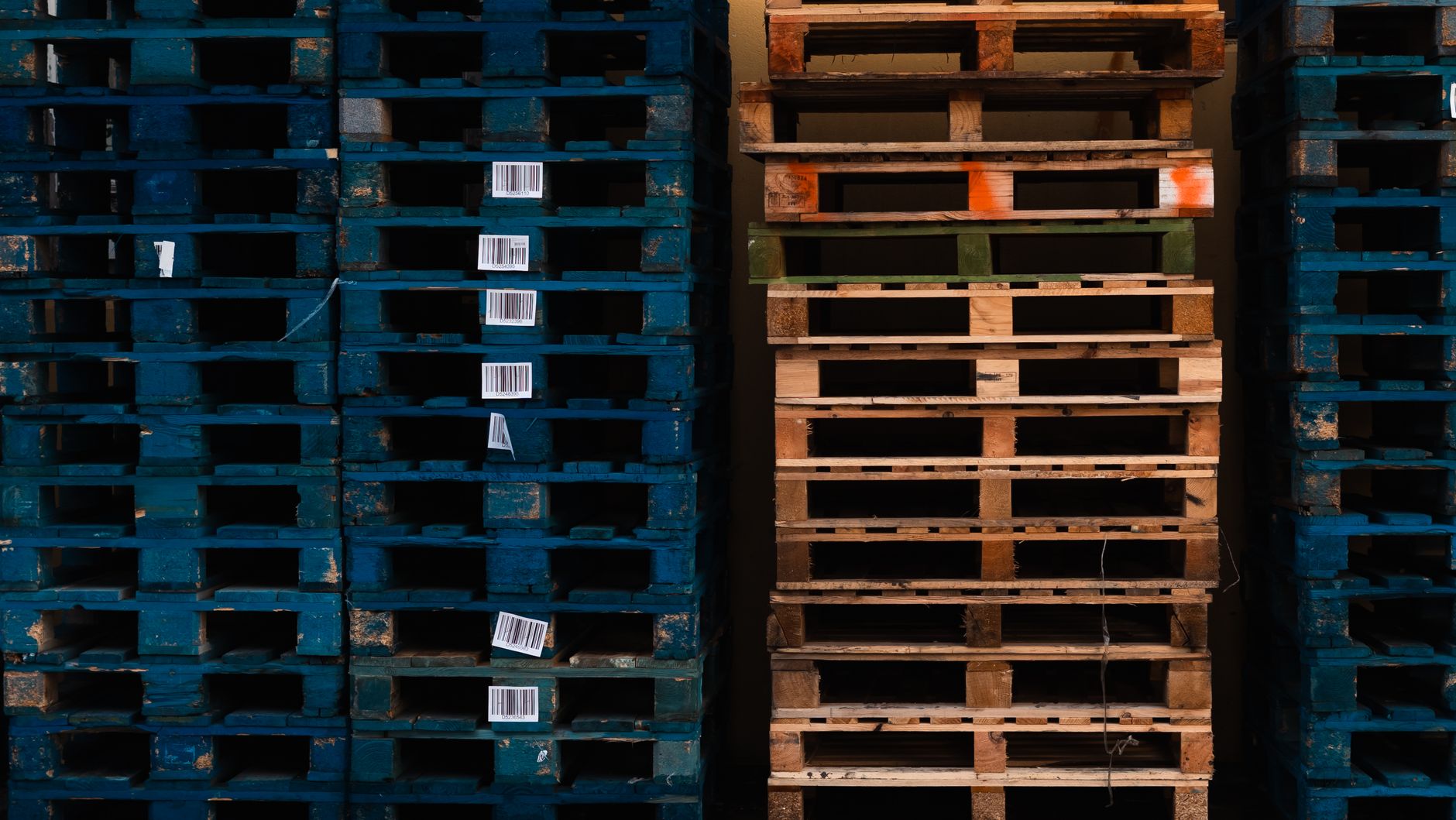
End-of-line work in pet food is mostly repetition. Finished bags come off the packaging equipment, get placed or stacked onto pallets in set patterns, and the pallets then move to wrapping and staging. Carton handling follows the same logic when a plant packs cases. Each cycle looks much like the last, which is why this work is measured in hours and cycles rather than judgment.
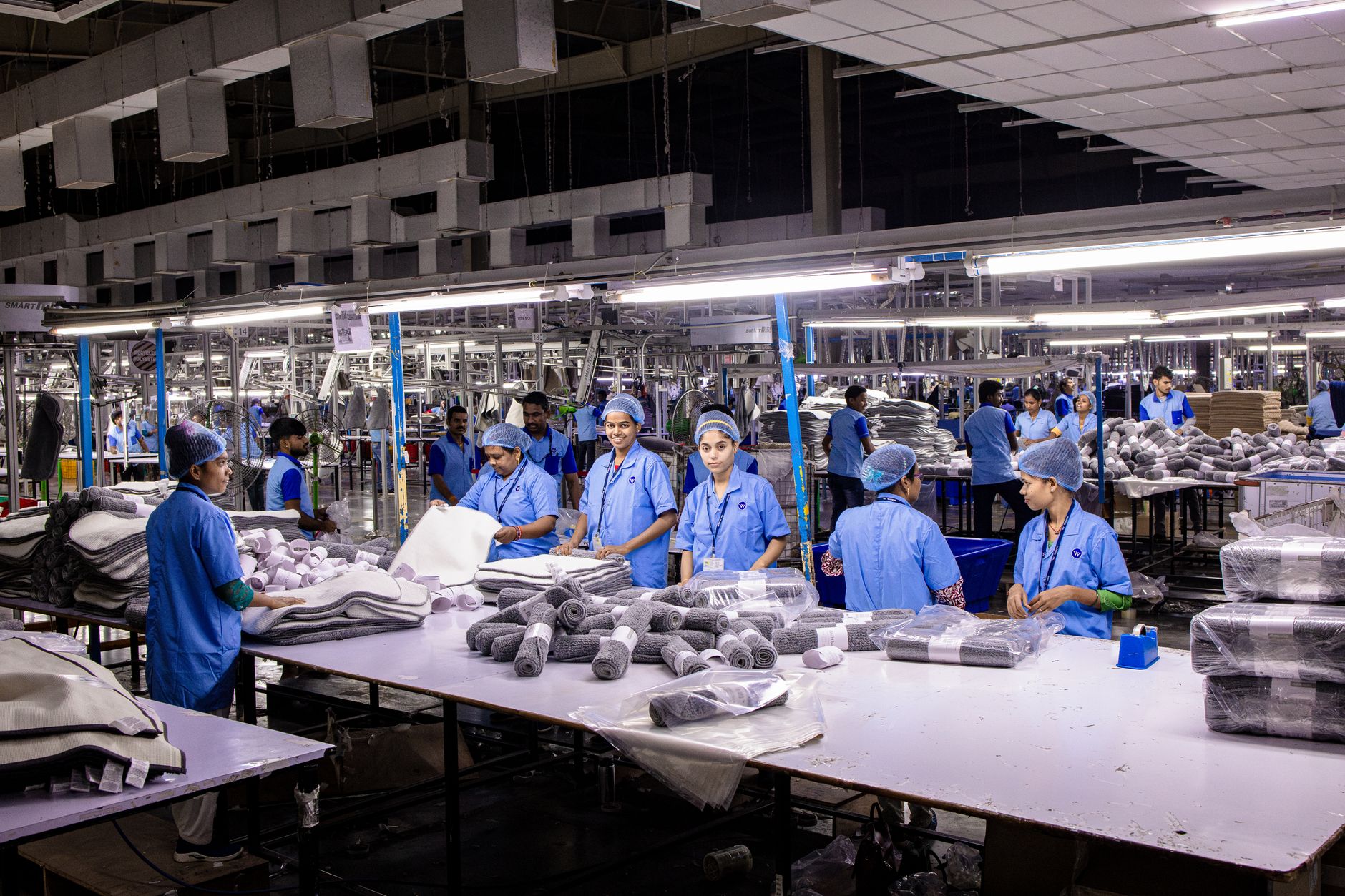
The people doing this work fall under the job the government wage data on this page covers, Laborers and Freight, Stock, and Material Movers, Hand. The Bureau of Labor Statistics counts about 2,988,900 people in that job in 2024, and its Occupational Outlook Handbook says these workers have some of the highest injury and illness rates of all occupations. A cobot that takes the repetitive stacking changes both the hours on the schedule and the strain on the body.
How does the cobot ROI math work?
The calculator on this page is pre-filled with defaults for this industry. It multiplies the hours of this work on each shift by the share a cobot realistically takes, prices those hours at the local wage for the job, and compares the result with the fixed lease payment quoted after a site assessment. The savings range comes from low and high assumptions for those inputs, so it is a range, not a promise.
Three inputs do most of the work. The first is labor hours offset, meaning the hours people now spend on palletizing and bag handling each shift. The second is the share a cobot takes, which is usually the repetitive stacking and placement at one station rather than every task on the line. The third is lease cost, financed through lease financing programs and set against the hours saved over the lease term.
The hours figure on the calculator is only as good as its inputs. No published per-line headcount for this work was found. As a rough ceiling, total US pet food manufacturing employment divided by facility count comes to about 66 people per plant, but that average covers all roles and draws on two different sources, so the site has to confirm its own crew count. Test the share first, then the hours, because a high hours figure means little if the cobot covers only one station and a person still has to stand at the others.
What do labor turnover and injury rates say about this work?
No occupation-specific turnover figure for this job was found, so these numbers are proxies. According to the Bureau of Labor Statistics Job Openings and Labor Turnover Survey, the annual average total separations rate was 3.3% for all industries in 2025, unchanged from 2024. The seasonally adjusted total separations rate for nondurable goods manufacturing, which covers much of food production, was 2.6 in February 2026 according to the St. Louis Fed's FRED data.
Low turnover does not mean low risk. A Department of Labor Office of Inspector General report found that warehouse OSHA inspections recorded 5.5 incidences per 100 workers in 2021, against a national rate of 2.7. Warehouse work is not pet food packaging, but bag and case handling shares its lifting and repetition. A cobot that takes the repetitive stacking removes some of that exposure, and the people kept on the line handle what remains.
What changes the number up or down?
The biggest driver is how much hand work sits at the end of the line before a cobot arrives. A plant that feeds several lines into one palletizing point has more hours to offset than a single line with a manual station. Shift length matters as well, because a cobot covering a long run offsets more hours than one covering a short shift, provided it runs those hours.
Pattern variety pulls the number down. Each change of bag size or pallet pattern needs setup and a person on hand, and those hours do not count as cobot hours. A plant that changes patterns often will see a smaller share taken by the cobot than a plant that runs one pattern for days.
What are the risks to the return, and how do you avoid them?
The first risk is overestimating the share. A cobot handles a defined task well, but it does not replace a person who adjusts for a damaged bag, a jammed conveyor or a pallet that arrives off pattern. Build the model on the work the cobot actually takes, and keep staff for the exceptions.
The second risk is layout. If the cobot cannot reach the infeed and the pallet station without reworking conveyors, the hours do not arrive. Mapping the site before the quote keeps that risk visible early. The third is downtime. A cobot out of service puts staff back on the station, so the lease should include service, a clear response plan and a backup unit arrangement for the early months after go live.
The fourth risk is the team. Staff who see the cobot as a threat stop reporting faults and workarounds appear. Explain what changes for each role, and train operators on fault clearing and changeovers before the first full shift.
Can a cobot work beside an existing line without a full fence?
Often, yes, but every installation needs a site risk assessment. Collaborative arms are built to work near people, and speed and separation monitoring can reduce the guarding a traditional robot cell needs. A traditional industrial robot often sits inside a fenced cell with a guarded perimeter, which takes floor area and changes how the line runs. A cobot can often fit at an existing station with less fencing, though the actual guarding depends on the risk assessment for that site.
Adoption is already common in packaged goods. Packaging trade press citing PMMI data reports that 53% of consumer packaged goods end-of-line operations use robots, with no expected change over five years. Our team handles the work from start to finish. We map the site, select the arm that fits the reach and payload, handle deployment and integration, train staff and service the unit nationwide. We are vendor neutral, so the arm is chosen for the station, not for a brand.
What is the timeline from assessment to payback?
The timeline runs in order. The free site assessment comes first, then site mapping and a risk review, then a quote for the fixed lease payment through lease financing. Deployment and integration at the station follow, with staff training and go-live support during the first full shifts. Payback is measured against real shift data after go live, not against the model.
The model cannot give a precise payback date before the site is measured. The early period usually goes to confirming the share the cobot takes, tuning the station and training the team. Once the cycle is stable, the hours offset shows up on the schedule, and payback can be compared with the lease term.
How do I get a precise figure from a free site assessment?
Start with the hours. Bring the shift pattern, the number of lines, the bag sizes and pallet patterns, and any time study the plant already has. Our team measures the stations, confirms the share a cobot can take and enters those inputs into the calculator. The output is a savings range, and the lease quote follows from the assessment.
The assessment is where the figure becomes specific. You receive a site map, a layout recommendation, a fixed lease payment quote and a go-live plan. If the numbers do not work for the site, the assessment says so. Ask for the assumptions behind any range and check each one against the plant's own shift records.
Frequently asked questions
Want a cobot at your pet food plant?
Tell us about your site. We will recommend the robot, quote the lease, and keep it serviced.
Sources
- US Bureau of Labor Statistics, Occupational Employment and Wage Statistics (OEWS May 2024)
- 2025 pet food production and ingredient analysis report
- Trade press review of FDA pet food facility counts, 2017 to 2022
- Pet food manufacturing employment estimate, 2025 (paid industry research)
- BLS Occupational Outlook Handbook, Laborers and Freight, Stock, and Material Movers, Hand
- BLS Job Openings and Labor Turnover Survey release
- Department of Labor Office of Inspector General report on warehouse injury rates
- PMMI data on end-of-line robots in consumer packaged goods, as reported in packaging trade press
- FRED, total separations rate for nondurable goods manufacturing